
The smartphone that works best for older adults should feel clear, steady, and simple to use every day. It should not make basic tasks feel like technical puzzles. Older adults often use a phone to call family, read messages, check photos, follow directions, watch videos, manage appointments, and stay reachable when they go out. These needs sound simple, but they depend on practical details. A bright screen, loud sound, strong battery, smooth performance, and durable design can make the phone easier to trust. The best choice is not about chasing every new feature. It is about choosing a phone that supports independence, comfort, and daily confidence.
A clear screen matters because older adults often spend more time reading simple but important information. They may check family messages, appointment reminders, health updates, transport details, or video call buttons. If the screen looks dim, crowded, or hard to read, the phone can quickly become frustrating. A suitable smartphone should support larger text, bright viewing, smooth scrolling, and comfortable brightness in different places. Outdoor visibility also matters when someone checks directions, reads a message in a park, or answers a call near a window. A phone with a readable display helps users act with less hesitation. It makes the device feel more welcoming.
A smartphone for older adults should make communication easier, not harder. Clear and loud sound can help users hear calls, voice messages, video chats, alarms, and navigation prompts. This becomes important in kitchens, buses, streets, clinics, and family gatherings where background noise can interrupt listening. Strong speakers also help when users watch videos, play music, or use speakerphone during a family call. The goal is not only volume. The sound should make voices easier to follow. When older adults hear clearly, they respond with more confidence. They miss fewer calls, repeat fewer questions, and feel less dependent on others for simple communication.
Battery life plays a major role in phone confidence. Older adults may not want to charge several times a day or monitor every percentage point. A phone that lasts from morning to evening gives them more freedom during errands, appointments, walks, visits, and travel. It also helps when they forget to charge overnight. Fast charging adds another layer of convenience because a short charge can prepare the phone for several more hours of use. A dependable battery supports more than entertainment. It keeps calls, messages, directions, reminders, and emergency contact available. For older adults, battery life is closely tied to peace of mind.
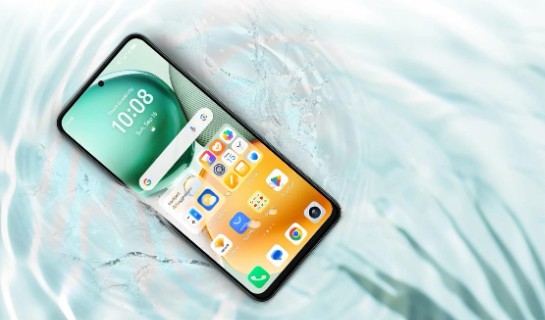
A phone for older adults should handle normal accidents better. Phones slip from hands, fall from tables, get placed near sinks, or face sudden rain during errands. A fragile device can create repair costs and anxiety. A more durable phone lets users carry it with less fear. The HONOR X7c 5G phone fits naturally into this practical category with drop and water resistance, an IP64 rating, a 5200mAh battery, 35W SuperCharge, dual stereo speakers, 256GB storage, a bright 120Hz screen, and HONOR RAM Turbo Technology for a 16GB equivalent memory experience. These features support daily use without making the phone feel overly complicated or demanding.
Many older adults use smartphones as memory keepers. They save photos of children, grandchildren, holidays, meals, pets, birthdays, and ordinary family moments. Over time, these files become emotionally important. Large storage helps because users do not need to delete photos constantly or worry that the phone has no space left. Storage also supports videos, downloaded music, voice notes, documents, and app data. A phone with enough space feels calmer and easier to manage. It lets users keep memories close without needing to organize everything perfectly. This matters because the emotional value of a phone often comes from what it preserves.

Older adults usually prefer a phone that behaves predictably. Delays, frozen screens, and slow app switching can make users think they made a mistake, even when the device caused the problem. Smooth performance helps build trust because actions lead to expected results. When a user taps a message, opens a photo, answers a call, or starts a video chat, the phone should respond without confusion. This steady behavior encourages regular use. It also makes learning easier because the user can remember steps more confidently. A smooth phone does not need to feel flashy. It needs to feel stable, familiar, and dependable.
The smartphone that works best for older adults is one that supports clear viewing, easy calling, long battery life, dependable durability, enough storage, smooth performance, and simple daily use. It should help users stay connected with family, manage errands, save memories, follow directions, and feel confident when they leave home. The best phone does not need to overwhelm users with unnecessary complexity. It should make common tasks feel predictable and comfortable. When a smartphone combines practical features with a clean setup, it can support independence and reduce everyday stress. For older adults, that kind of reliability matters more than trend-driven appeal.