
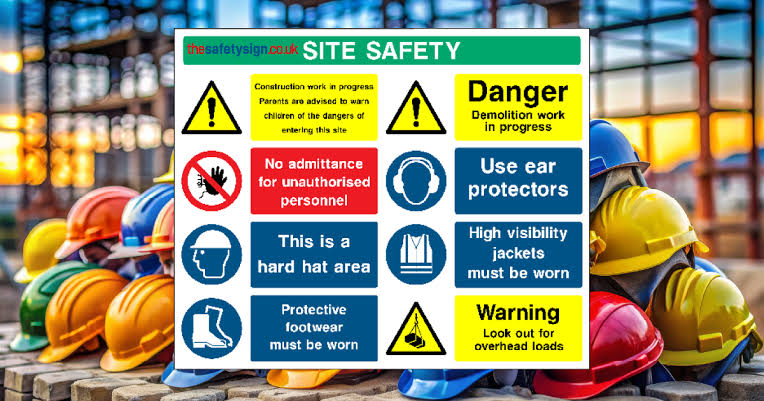
Construction sites rarely become unsafe because of one big mistake. More often, problems build slowly through small habits, unclear instructions, rushed decisions, or conditions that crews start to accept as normal. These warning signs can appear long before a serious incident happens.
A company such as Menotti Enterprise may help project teams look beyond obvious hazards and identify patterns in how work is planned and carried out. A Menotti NYC Safety Company approach to jobsite safety should focus on practical warning signs that workers and supervisors can actually recognize during a normal day.
One of the clearest signs of weak safety planning is confusion at the start of a shift. Workers may know their general job, but they may not know which areas are active, what equipment will be moving nearby, or how another crew’s work could affect them.
This type of confusion can create problems quickly. A worker may enter an area where overhead work is taking place or move materials through a route being used by machinery.
A short pre-work meeting can help reduce this uncertainty. Workers should know what is changing, where higher-risk work is happening, and who to contact if something is unclear.
Instructions should be specific enough to match the day’s work. General reminders about “being careful” are not useful if workers do not understand the actual conditions they will face.
Every construction site deals with hazards, but repeated problems deserve closer attention. If the same walkway is blocked every few days or the same equipment issue keeps returning, the problem may be larger than one worker forgetting a rule.
Repeated hazards often point to poor planning. There may not be enough storage space, cleanup responsibilities may be unclear, or supervisors may be correcting symptoms without addressing the cause.
A Menotti NYC Safety Company may look at these patterns because they can reveal where safety systems are breaking down. Fixing the same issue again and again wastes time and leaves workers exposed to the same risk.
A cluttered jobsite can tell you a lot about how well work is being managed. Scrap materials, loose cords, packaging, tools, and unused equipment can make walking paths harder to use and limit visibility.
Poor housekeeping also affects how workers perform tasks. If materials are stored in the wrong place, people may have to lift awkwardly, step over obstacles, or take a longer route through active work zones.
The challenge is that clutter may not seem serious at first. One box or one extension cord in the wrong place can feel harmless. As more items collect, the area becomes harder to manage.
Teams should treat cleanup as part of the job instead of something saved for the end of the week. Small cleanup efforts during each shift are easier than trying to correct a heavily disorganized site later.
Another warning sign appears when one team follows a procedure while another handles the same task differently. Inconsistent practices can create confusion, especially when crews share work areas or equipment.
Workers need to know what is expected, no matter which supervisor or shift they are working with. If safety rules change from one person to another, workers may begin choosing whichever method seems fastest.
This inconsistency can also make it harder for new workers to understand what good practice looks like. They may receive one message during orientation and see something completely different once work begins.
A company such as Menotti Enterprise may help teams identify where these gaps exist and why they have developed.
A strong safety culture depends on people speaking up before a minor issue becomes a serious one. If workers stop reporting damaged tools, loose barriers, spills, or near misses, it can be a sign that the reporting system is not working.
Some workers stay quiet because they think nothing will change. Others may worry that reporting a problem will slow down the job or create conflict with a supervisor.
Supervisors can improve reporting by responding calmly and taking concerns seriously. Workers should know who to contact and what information they need to provide.
Even small reports can be useful. A near miss may show that a work area needs to be reorganized, or a damaged tool may reveal a problem with inspection routines.
The goal is to catch issues early instead of waiting for an injury or major equipment failure.
Construction sites change from day to day. Walls go up, access routes move, deliveries arrive, work zones shift, and equipment may be brought into areas that were previously open.
These changes can create hazards if workers are not told what has changed.
For example, a stairway that was open yesterday may be closed today, forcing workers to use another route. A new material storage area may reduce visibility near a loading zone. A different crew may begin working overhead in an area that was previously clear.
Menotti NYC Safety Company may pay close attention to these changes because temporary conditions can easily be missed in routine planning. Good communication should keep pace with the site rather than relying on information that was accurate several days ago.
One of the most serious warning signs is when workers begin treating shortcuts as standard practice.
A person may skip an equipment check because it only takes a few minutes. Another worker may cross a restricted area because it is faster than walking around. If nothing goes wrong, the shortcut may start to feel acceptable.
The danger is that success does not make an unsafe method safe. It only means the risk has not yet led to an incident.
Supervisors should address shortcuts early and explain why the proper method matters. Simply telling someone not to do something may not be enough.
Workers should understand the risk and have a practical way to complete the task safely. If the safer method is difficult because of poor layout or missing equipment, that problem also needs attention.
Safety planning works best when it connects daily work with long-term improvement. Teams should not only correct what they see but also ask why the issue happened.
If materials keep blocking a hallway, the problem may be storage planning. If workers keep skipping a step, the procedure may be unclear or difficult to follow.
Companies such as Menotti Enterprise can be part of a broader effort to review these patterns and help project teams look for practical changes. The strongest safety plans are the ones that fit the way people actually work.
Jobsite safety problems often give warning signs before they become serious. Confused workers, repeated hazards, poor housekeeping, mixed procedures, weak reporting, uncommunicated changes, and unsafe shortcuts all suggest that planning may need more attention.
Recognizing these signs early gives supervisors a chance to correct the cause instead of waiting for an incident. A safer construction site is built through clear expectations, steady communication, organized work areas, and a willingness to fix small problems before they become part of the routine.