
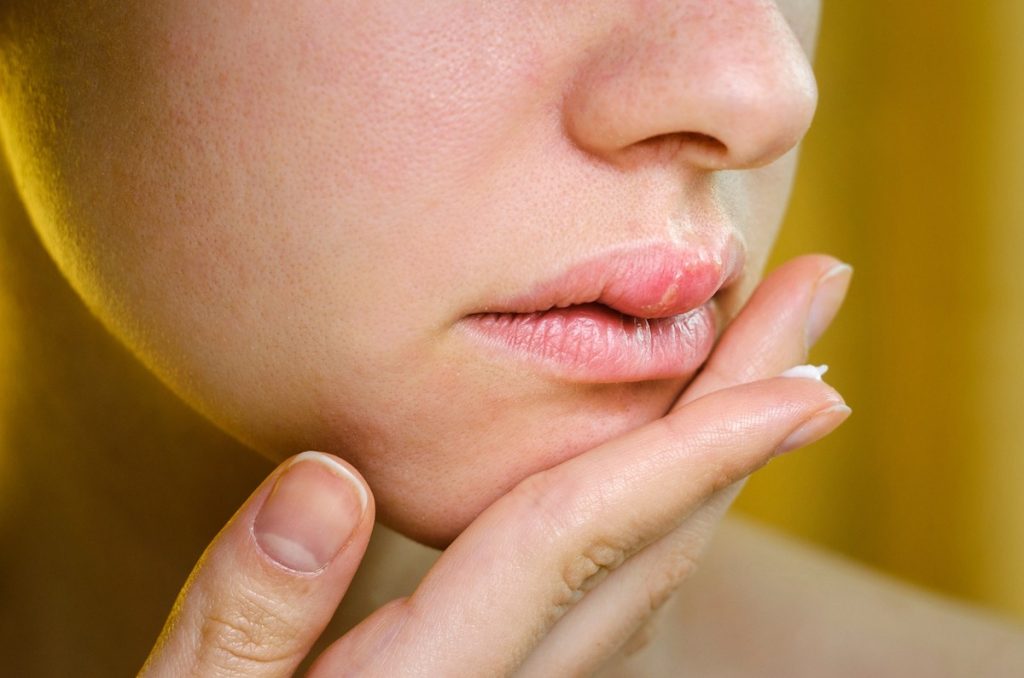
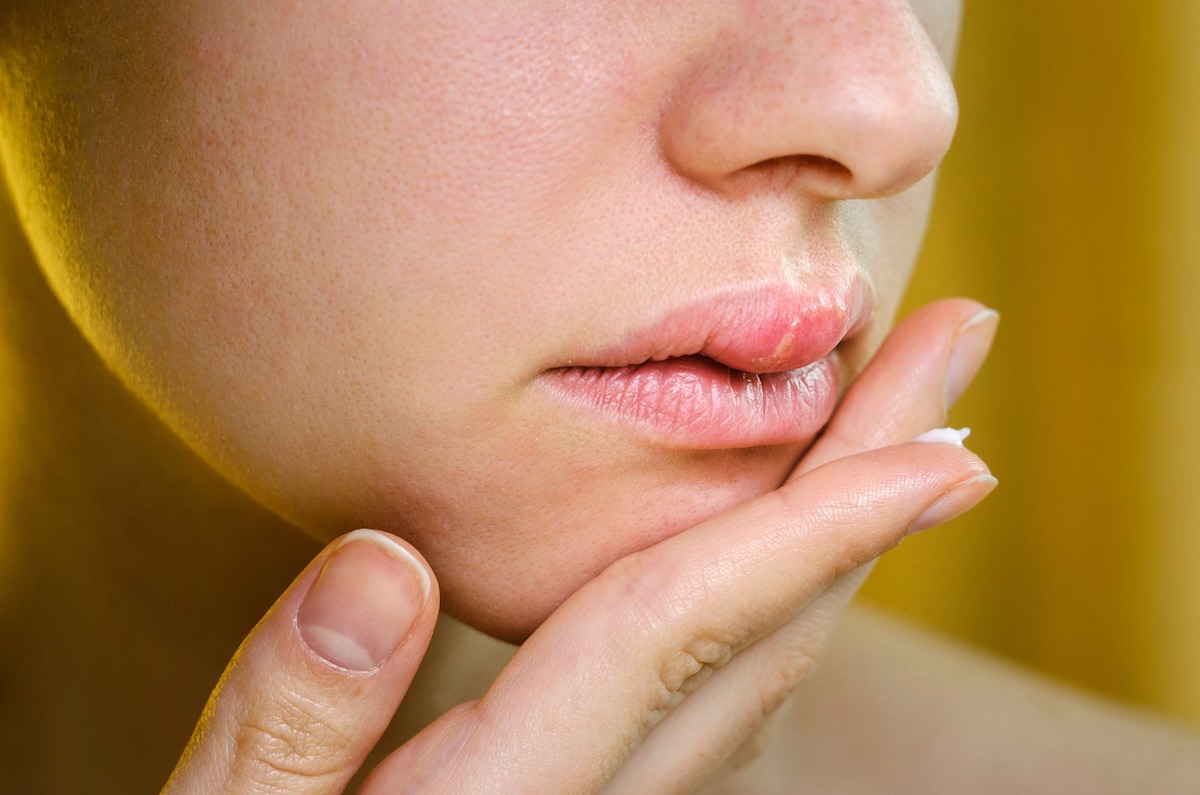
Why is my lip swollen on one side? This is a question that catches most people off guard, especially when it appears overnight or without an obvious cause.
A swollen lip on one side can result from something as minor as an accidental bite or an insect sting, or as serious as a dental abscess or a severe allergic reaction called anaphylaxis. The location, onset, and accompanying symptoms all matter when identifying the cause.
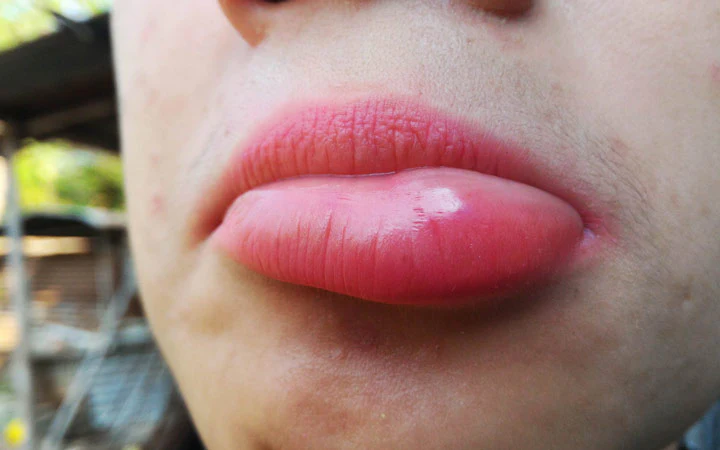
When only one side of the lip swells, it almost always points to a localized cause. Bilateral swelling — both sides at once — is more typical of systemic allergic reactions or angioedema.
One-sided swelling usually means the trigger affected that specific area: a bite, a cold sore, a cyst, a local infection, or a dental problem near that part of the mouth.
Trauma is one of the most straightforward reasons why a lip swells on one side. A direct hit, an accidental bite while eating, a fall, or a sports injury can cause the blood vessels in the thin skin of the lip to rush blood to the site of damage.
Even if no cut or bruise is visible, inflammation and fluid buildup will cause visible swelling on the affected side within minutes to hours.
Key symptoms:
Treatment:
An allergic reaction is one of the most common and potentially dangerous causes of sudden lip swelling. The body releases histamine in response to an allergen, causing the deep layers of lip tissue to swell rapidly. This reaction is called allergic angioedema.
Food allergens are the most frequent trigger. Nuts, shellfish, dairy, eggs, and certain fruits can all cause a reaction within minutes to 2 hours of consumption. Medications, insect stings, latex, and even lip care products can also be responsible.
Key symptoms:
Treatment:
Emergency warning: If lip swelling is accompanied by throat tightening, difficulty breathing, chest tightness, or a sudden drop in blood pressure, call emergency services immediately. Anaphylaxis can be life-threatening within minutes.
An insect bite or sting directly on or near the lip causes localized inflammation and swelling on that one side. Mosquitoes, bees, wasps, and fleas are common culprits. The venom or saliva from the insect triggers an inflammatory response in the tissue.
Most insect-related swelling is mild and resolves within 24–72 hours. However, if the person is allergic to bee or wasp venom, the reaction can escalate rapidly into a systemic allergic emergency.
Key symptoms:
Treatment:
Cold sores are caused by the herpes simplex virus type 1 (HSV-1). They almost always appear on one side of the lip, beginning with a tingling or burning sensation before a cluster of small blisters forms. As the blisters swell and fill with fluid, the surrounding lip tissue becomes noticeably puffy.
Cold sores are contagious from the moment tingling begins until the blister has completely healed and crusted over — typically 7 to 14 days.
Key symptoms:
Treatment:
A dental abscess is a pocket of pus caused by a bacterial infection in or around a tooth. When the infected tooth is near one side of the lip, the inflammation and swelling can spread from the gum into the surrounding soft tissue, including the lip.
This is a cause that is easy to misidentify. The person may assume the lip itself is injured when the actual source of infection is a decayed tooth or infected root canal beneath the gum line.
Key symptoms:
Treatment:
A mucocele is a harmless, fluid-filled cyst that forms when a salivary gland duct is damaged or blocked, usually from accidentally biting the lip. The saliva accumulates in the tissue and creates a soft, dome-shaped, bluish or clear lump — typically on the inner surface of the lower lip.
Because the cyst forms at the point of injury, it almost always appears on one side and can cause that side of the lip to look or feel puffy from the outside.
Key symptoms:
Treatment:
Cellulitis is a bacterial infection of the deeper skin and soft tissue layers. When it affects the lip, it causes redness, warmth, tenderness, and swelling that can appear on one side if the infection started locally — from a small cut, crack in the skin, or an existing wound on the lip.
Cellulitis spreads quickly and should be treated promptly with antibiotics.
Key symptoms:
Treatment:
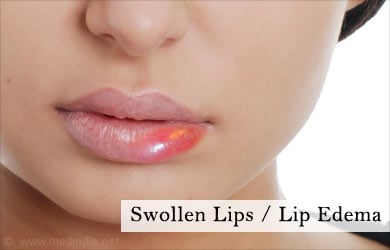
Some medications cause a type of non-allergic angioedema as a side effect. ACE inhibitors — a class of drugs commonly prescribed for blood pressure and heart conditions — are among the most well-known culprits. This reaction can begin days, weeks, or even months after starting the medication.
Unlike allergic angioedema, this type does not involve histamine and does not respond well to antihistamines. The swelling can be recurrent and unpredictable.
Key symptoms:
Treatment:
Granulomatous cheilitis is a rare inflammatory condition where clusters of immune cells called granulomas form in the lip tissue, causing persistent, recurrent swelling. The upper lip is most commonly affected, often on one side initially.
The swelling tends to come and go, but it can eventually become permanent without treatment. It may be linked to Crohn’s disease, sarcoidosis, or allergic reactions, or it may have no identifiable cause.
Key symptoms:
Treatment:
Forgetting sunscreen on the lips is extremely common, and the lower lip is one of the areas most exposed to direct UV radiation. A sunburned lip becomes swollen, red, and tender — and if only one side was exposed to intense sun (such as while sitting near a window or facing the sun), the swelling can appear one-sided.
The peeling and swelling typically peak 12–24 hours after exposure and resolve within a few days.
Key symptoms:
Treatment:
Dental braces, retainers, or poorly fitting dentures can repeatedly rub and irritate the inner lining of the lip on one side, causing abrasions, inflammation, and localized swelling. This type of swelling tends to be mild and resolves once the source of irritation is addressed.
Key symptoms:
Treatment:
| Cause | Onset Speed | One-Sided? | Key Distinguishing Sign | Urgency |
|---|---|---|---|---|
| Physical Trauma | Minutes | Yes | Known injury event | Low–Moderate |
| Allergic Reaction | Minutes to 2 hrs | Sometimes | Itching, hives, exposure to allergen | High if breathing affected |
| Insect Bite or Sting | Minutes | Yes | Bite mark, outdoor exposure | Low–High (if allergic) |
| Cold Sore (HSV-1) | 1–2 days (tingling first) | Yes | Blister cluster, tingling before swelling | Low |
| Dental Abscess | Hours to days | Yes | Throbbing tooth pain, bad breath | High |
| Mucocele | Days | Yes | Soft bluish dome on inner lip | Low |
| Cellulitis | Hours | Yes | Red, spreading, warm skin | High |
| Medication Angioedema | Variable | Sometimes | On ACE inhibitor, no itching | High if airway affected |
| Granulomatous Cheilitis | Weeks to months | Sometimes | Recurrent firm swelling | Moderate |
| Sunburn | Hours after exposure | Sometimes | Sun exposure history, peeling | Low |
| Braces / Appliances | Hours to days | Yes | Contact with wire or bracket | Low |
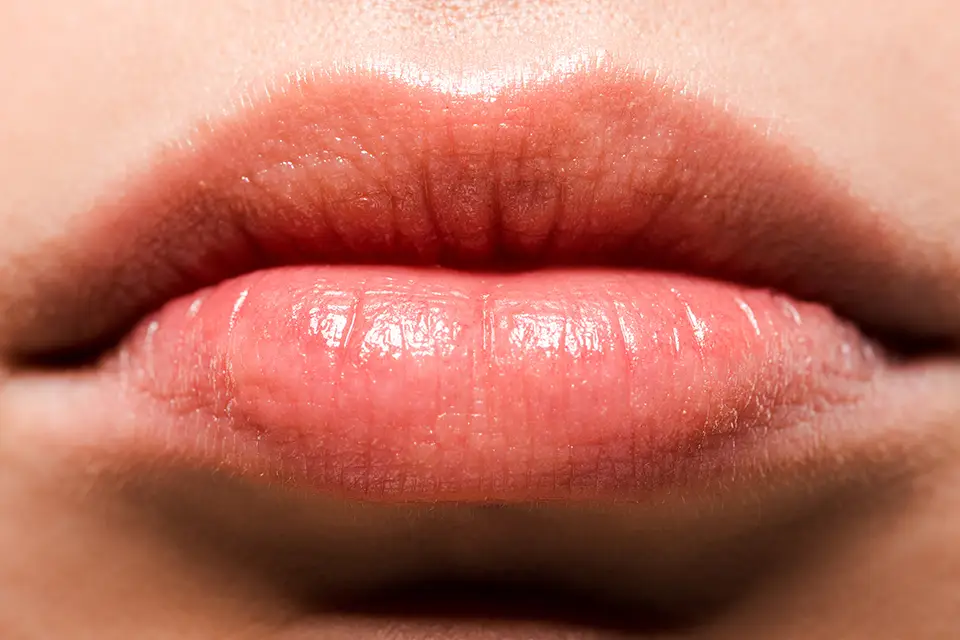
Knowing when to get emergency help can be the difference between a manageable situation and a life-threatening one.
Call emergency services immediately if you notice any of the following alongside a swollen lip:
Difficulty breathing or swallowing — this suggests the swelling may be affecting the airway, which is a medical emergency.
Throat tightening or a sensation that the throat is closing — a hallmark of anaphylaxis.
Swelling of the tongue, palate, or throat in addition to the lip.
Drooping of one side of the face, slurred speech, difficulty moving the lips, or sudden weakness on one side of the body — these are signs of a stroke or Bell’s palsy and require immediate evaluation.
A rapidly spreading red area extending from the lip toward the jaw or neck — this may indicate cellulitis spreading to deeper tissues.
High fever alongside lip swelling and mouth pain — this suggests a spreading bacterial infection.
Chest tightness or a feeling of doom following exposure to a known or suspected allergen.
A cold compress is the first step for most causes of swollen lip on one side. Wrap ice in a clean cloth or use a cold pack and apply it gently to the swollen area for 10–15 minutes at a time. Never apply ice directly to skin.
It reduces blood flow to the area, limits fluid buildup, and calms inflammation. Use it every hour for the first 24 hours after an injury or insect sting.
OTC antihistamines (cetirizine, loratadine, fexofenadine, or diphenhydramine) are the first-line treatment for mild allergic reactions causing lip swelling. They block the histamine response and can reduce swelling within an hour or two.
They are not effective for medication-induced (non-allergic) angioedema.
For cold sore-related lip swelling, applying OTC docosanol cream (Abreva) at the first sign of tingling can shorten the duration. Prescription antivirals like acyclovir or valacyclovir are used for frequent, severe, or persistent HSV-1 outbreaks.
Cellulitis and dental abscesses both require antibiotics prescribed by a doctor or dentist. Do not try to treat these conditions with home remedies alone — untreated bacterial infections spread and can become dangerous.
Prescription corticosteroid creams, injections, or oral tablets are used for moderate to severe allergic reactions, granulomatous cheilitis, and persistent eczema or angioedema. They reduce inflammation more powerfully than OTC antihistamines.
For anyone with a known severe allergy, carrying an epinephrine auto-injector (EpiPen) is essential. It is the only effective first-line treatment for anaphylaxis. Use it at the first sign of a severe allergic reaction and call emergency services immediately afterward.
Saltwater rinse — mix half a teaspoon of salt in a cup of warm water and gently rinse the mouth. This helps clean any wound inside the lip, reduces bacterial growth, and soothes minor irritation.
Aloe vera gel — applied topically, it soothes inflamed and sunburned skin and has mild anti-inflammatory properties. It is particularly helpful for sunburn-related lip swelling.
Turmeric paste — mix turmeric powder with a small amount of water to make a paste and apply it to the swollen area. Turmeric contains curcumin, a natural anti-inflammatory compound. Leave it for 5–10 minutes and rinse off.
Warm compress — for dental abscess-related swelling, a warm compress applied to the cheek and lip area can improve circulation and help reduce pain while you wait for a dental appointment.
Hydration — staying well hydrated supports the skin’s ability to heal. Dehydration can worsen skin swelling and slow recovery.
Avoid known allergens. If you have a food or medication allergy, carry an epinephrine auto-injector and inform people around you.
Wear insect repellent and protective clothing in areas where insect bites are common, particularly during warmer months.
Apply SPF 30+ lip balm before going outdoors. The lower lip is at high risk for UV damage and sun-induced swelling.
Maintain good oral hygiene to prevent dental abscesses. Brush twice daily, floss, and see a dentist every six months.
Avoid biting your lip, cheek, or sucking on the inside of your mouth — this is the leading cause of mucoceles.
Tell your doctor about all medications you are taking, especially if you are new to ACE inhibitors or notice swelling after starting a new drug.
Overnight swelling on one side usually results from accidentally biting the lip while asleep, sleeping pressure on one side of the face, or an allergic reaction to food or a lip product used the night before. Check for a bite mark or skin irritation as a first clue.
Stress can indirectly cause lip swelling by triggering outbreaks of cold sores, eczema flares, or even allergic responses in people prone to these conditions. Stress alone does not directly cause swelling, but it is a known trigger for multiple underlying conditions.
Mild swelling from a bite or minor injury typically resolves within 24–72 hours. Allergic reactions improve within hours with antihistamine treatment. Cold sores take 7–14 days to heal. Dental abscesses and cellulitis require treatment and may take days to weeks to fully resolve.
It can be. Cold sores (viral), cellulitis (bacterial), and dental abscesses (bacterial) all cause one-sided lip swelling with signs of infection. Look for warmth, redness, pus, fever, or spreading redness as indicators that an infection is present.
No. Whether it is a mucocele, a cold sore blister, or a pimple, you should never pop or squeeze a lip bump at home. This increases the risk of bacterial infection, slows healing, and can cause the cyst or lesion to recur or worsen.
Deficiencies in B vitamins, particularly B2 (riboflavin) and B12, can cause angular cheilitis and lip inflammation. However, a single swollen side is more likely caused by a local trigger than a nutritional deficiency.
Go to the emergency room immediately if swelling is accompanied by difficulty breathing, throat tightening, tongue swelling, sudden facial drooping or weakness, rapid spreading redness toward the jaw or neck, or a known severe allergy exposure.
Yes, absolutely. A tooth abscess or gum infection near one side of the mouth can spread inflammation directly into the adjacent lip tissue, causing one-sided swelling. Throbbing tooth pain and bad breath alongside the swelling are strong clues.
The fastest home remedy is a cold compress applied for 10–15 minutes per hour. For allergy-related swelling, an OTC antihistamine provides rapid relief. For infection-related swelling, only antibiotics or antiviral medication prescribed by a doctor will resolve the root cause quickly.
Yes. While most cases are benign, swelling on one side of the lip can indicate anaphylaxis, cellulitis with spreading infection, a dental abscess, or rare neurological conditions. Always monitor for warning signs and seek medical evaluation if swelling is severe, persistent, or accompanied by other symptoms.
Why is my lip swollen on one side? As this guide makes clear, the answer can range from something completely harmless — like accidentally biting your lip in your sleep — to a genuine medical emergency like anaphylaxis or a spreading bacterial infection.
The key is to look at the full picture: when did the swelling start, what side is affected, is there pain or itching, and are there any other symptoms alongside it? For mild, isolated swelling with no alarming signs, a cold compress and time are often all that is needed.
For swelling that is spreading, worsening, or affecting your ability to breathe or swallow, do not delay — seek emergency care immediately. Staying informed in 2026 means knowing the difference.