
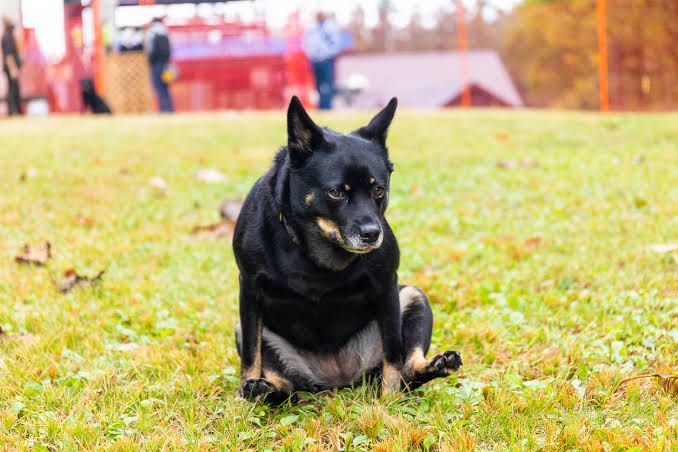
Why is my dog scooting her butt is a question that catches most owners off guard the first time they see it happen. It can look funny, but scooting almost always signals discomfort or irritation somewhere near the rear end, and it is one of the most common behavioral questions owners search for online.
The most common cause is full or impacted anal glands, but scooting can also come from parasites, allergies, skin irritation, or less commonly, more serious underlying conditions.
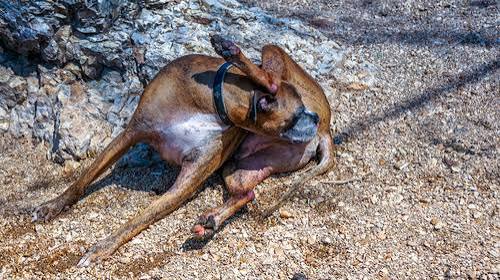
Before the full breakdown, here is a fast summary table of the most common reasons behind this common and often puzzling behavior.
| Cause | Likelihood |
|---|---|
| Impacted or full anal glands | Most common cause |
| Intestinal parasites (tapeworms) | Very common |
| Allergies (food or environmental) | Common |
| Fecal debris or matted fur | Common in long-haired breeds |
| Skin infection or irritation | Moderate |
| Anal gland abscess | Less common, urgent |
| Rectal prolapse or tumor | Rare, urgent |
Each of these causes is explored in more detail below.
Scooting is when a dog drags their rear end across the floor or ground using their front legs for movement while their hindquarters stay in contact with the surface.
This action puts pressure directly on the anal area, which usually means your dog is trying to relieve itching, pain, or built-up pressure. It is rarely random and almost always points to something physical going on beneath the surface.
Anal glands are two small sacs located just inside a dog’s rectum that release a strong-smelling fluid used for scent marking and territory identification.
When these glands do not empty naturally during bowel movements, they become full and uncomfortable. Scooting is often the dog’s way of relieving this pressure quickly.
Small breed dogs are especially prone to anal gland impaction due to narrower gland ducts.
| Breed Type | Risk Level |
|---|---|
| Chihuahuas, Dachshunds, Toy Poodles | High risk |
| Bulldogs and stocky breeds | Moderate to high risk |
| Long-haired breeds | Moderate, due to fecal debris |
| Large, active breeds | Lower risk overall |
Any breed can develop anal gland problems, but smaller and stockier dogs face it more often.
Tapeworms and other intestinal parasites are a well-known cause of scooting behavior.
Tapeworm segments often look like small grains of rice near the anus, in feces, or on bedding. Regular deworming and fecal exams help catch and treat this cause early.
Both food allergies and environmental allergies can cause itching and inflammation around a dog’s rear end.
Dogs with allergies often show other symptoms too, such as paw licking, ear infections, or a general itchy coat. Identifying the allergen usually requires a veterinarian’s guidance.
Long-haired dogs are more likely to have leftover fecal matter or matting stuck around their rear fur.
This buildup causes irritation, and scooting becomes the dog’s attempt to clean or relieve the area. Regular trimming around the hindquarters helps prevent this issue.
Bacterial or yeast infections can develop in the skin around the anus, leading to soreness and itching.
Dogs with skin fold issues, such as Bulldogs, are especially prone to this type of irritation. A vet can prescribe topical or oral treatment once the infection is confirmed.
An abscess develops when an impacted anal gland becomes infected and swells painfully.
This is more serious than simple impaction and often comes with visible swelling, redness, or even a wound near the anus. Abscesses require prompt veterinary treatment to prevent further complications.
Rectal prolapse occurs when part of the rectum protrudes outside the anus, often due to straining from diarrhea or constipation.
This is a serious condition that requires immediate veterinary attention. It looks different from typical scooting symptoms and usually involves visible tissue near the anus.
Though rare, especially in young dogs, tumors of the anal sacs can also cause scooting behavior.
This cause is more common in older dogs, averaging around 10 years of age. Persistent scooting in a senior dog is a good reason to schedule a thorough veterinary exam.
Dogs that visit the groomer regularly can sometimes experience mild irritation from clippers or grooming products near the tail area.
This type of scooting usually appears shortly after a grooming appointment. A warm compress often helps, and switching grooming products may prevent it from recurring.
In some cases, dogs may scoot as a learned behavior if it previously resulted in attention from their owner.
Stress and anxiety can also manifest physically in unusual habits like scooting. This cause is less common and should only be considered after medical causes are ruled out.
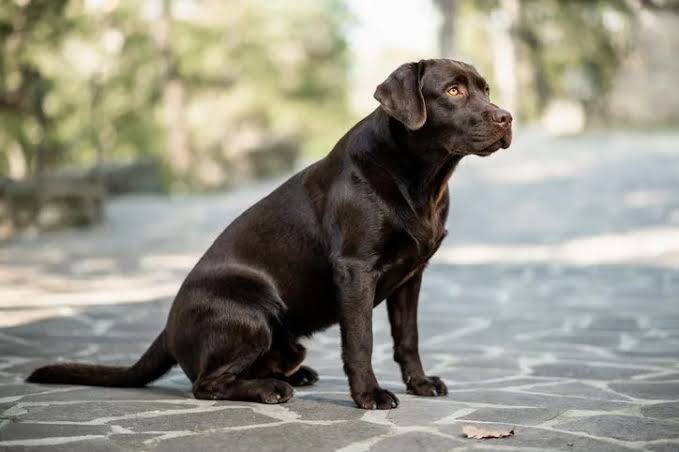
Scooting rarely happens in isolation. Watching for accompanying symptoms helps identify the likely cause faster.
| Symptom | Possible Cause |
|---|---|
| Foul or fishy odor | Anal gland issue |
| Rice-like segments near anus | Tapeworms |
| Swelling or redness | Abscess or infection |
| Excessive licking of the rear | General irritation or pain |
| Visible tissue near anus | Rectal prolapse, urgent |
| Chronic itching elsewhere on body | Allergies |
Two or more of these signs together usually call for a same-week veterinary visit.
A vet typically starts with a physical exam, including a manual check of the anal glands.
They may also request a fecal sample to check for parasites. In more complex cases, bloodwork or imaging can help rule out infections, tumors, or other underlying conditions.
For dogs that scoot only occasionally with no other symptoms, a few simple steps can help.
If scooting continues beyond a day or two, professional evaluation is the safer next step.
Anal gland expression is a simple procedure where a vet or groomer manually empties the glands.
This is usually quick and provides immediate relief for dogs with impacted glands. Some dogs need this done occasionally, while others require it on a regular schedule.
Diet plays a bigger role in anal gland health than many owners realize.
| Diet Factor | Effect on Anal Glands |
|---|---|
| High-fiber diet | Supports natural gland expression |
| Low-fiber, high-grain diet | Can contribute to soft stool and impaction |
| Adequate hydration | Helps maintain healthy stool consistency |
| Novel protein diets | May reduce allergy-related irritation |
A veterinarian or nutritionist can help tailor a diet plan for dogs with recurring anal gland issues.
While most scooting causes are manageable, certain signs point to a true emergency.
| Emergency Sign | Why It Matters |
|---|---|
| Visible tissue protruding from anus | Possible rectal prolapse |
| Heavy bleeding | Possible injury or ruptured abscess |
| Severe swelling with pain | Infection requiring urgent care |
| Sudden lethargy with scooting | Possible systemic illness |
Any of these signs warrants an immediate trip to the vet or emergency animal clinic.
A few consistent habits can reduce how often anal gland issues return.
Dogs prone to impaction often benefit from monthly gland checks as part of routine care.
Puppies are more likely to scoot due to parasites picked up from their environment or mother.
Adult and senior dogs more often scoot due to anal gland impaction, allergies, or age-related conditions. Age can be a helpful clue when narrowing down the likely cause.
Yes, overweight dogs are more prone to anal gland impaction due to added pressure and reduced muscle tone around the area.
Maintaining a healthy weight through diet and exercise is one of the most effective long-term prevention strategies. Weight management also supports overall digestive health.
There are a few common misunderstandings worth clearing up about this behavior.
| Myth | Reality |
|---|---|
| Scooting always means worms | Anal gland issues are actually more common |
| Only small dogs scoot | Any breed or size can scoot |
| Scooting is just a bad habit | It is almost always a physical symptom |
| One scoot means something is seriously wrong | Occasional scooting can be minor and resolve on its own |
Understanding these myths helps owners respond appropriately without unnecessary panic.
Here is a condensed summary of the most important points from this guide.
| Key Point | Takeaway |
|---|---|
| Most common cause | Impacted or full anal glands |
| Breeds at higher risk | Small breeds and stocky, short-legged dogs |
| Safe home care | Cleaning, monitoring, dog-safe wipes |
| When to see a vet | Odor, swelling, bleeding, or persistent scooting |
| Best prevention method | High-fiber diet and healthy weight |
Keep this table handy as a quick reference the next time you notice your dog scooting.
Dogs have two anal glands located just inside the rectum, typically positioned at the 4 o’clock and 8 o’clock positions.
These glands naturally empty when a dog passes a firm stool, since the pressure squeezes the fluid out. Soft or loose stools often fail to provide enough pressure, which is one reason diet plays such a large role in gland health.
Not every dog experiences anal gland problems, and genetics play a significant role in this difference.
Dogs with wider gland ducts tend to empty naturally without any issue throughout their lives. This is part of why small breeds with narrower anatomy are disproportionately affected compared to larger breeds.
For dogs with no history of impaction, anal glands are usually checked during routine annual vet visits.
Dogs with a history of recurring issues often benefit from checks every four to six weeks. Your veterinarian can help determine the right schedule based on your dog’s individual pattern.
For dogs with frequent, severe anal gland problems, surgical removal of the glands, called anal sacculectomy, is sometimes recommended.
This procedure is generally considered a last resort after other treatments have failed. It can provide long-term relief for dogs who experience repeated abscesses or chronic impaction.
Loose stools are one of the most overlooked contributors to anal gland problems and related scooting.
Without firm stool pressure, the glands do not empty properly during bowel movements. Addressing the root cause of diarrhea, whether dietary or medical, often reduces scooting frequency significantly.
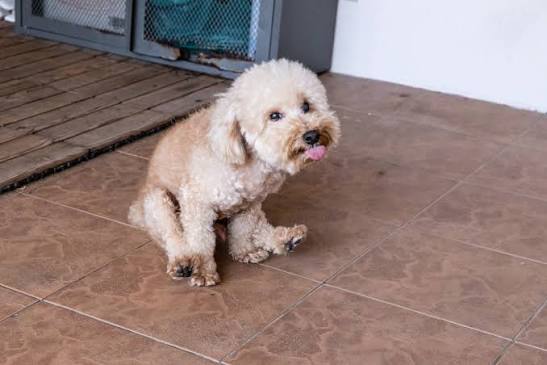
Outdoor environments can introduce irritants that lead to temporary scooting episodes.
| Environmental Factor | Effect |
|---|---|
| Tall grass or field walks | Can trap seeds or debris near the anus |
| Sandy or rough terrain | May cause minor skin irritation |
| Wet or muddy conditions | Increases risk of bacterial growth near the rear |
| Excessive swimming | Can soften stool and affect gland expression |
Rinsing your dog’s rear area after outdoor activity can help reduce minor environmental irritation.
Regular grooming plays a bigger preventive role than many owners realize, especially for long-haired breeds.
Trimming fur around the hindquarters reduces the chance of fecal matter becoming trapped. Bathing on a consistent schedule also helps minimize bacterial buildup that can contribute to irritation.
After treatment, whether through gland expression, deworming, or dietary changes, most dogs show improvement within a few days.
Reduced licking, normal stool consistency, and no further scooting episodes are good signs of resolution. If symptoms return quickly, a follow-up vet visit can help identify a recurring or underlying issue.
Most dogs who scoot occasionally go on to live completely normal, healthy lives with proper management.
Even dogs with chronic anal gland issues can often be managed successfully through diet, regular expression, or in severe cases, surgery. Staying proactive with observation and vet visits leads to the best long-term outcomes.
A consistent routine can go a long way toward preventing recurring scooting episodes.
These habits, paired with attentive observation, help keep your dog comfortable and reduce the likelihood of frequent scooting.
Not every scooting episode signals a chronic problem, since minor, one-time irritants can trigger a single occurrence.
A rough patch of grass, a slightly loose stool, or brief friction from sitting on a hard surface can all cause a quick scoot that resolves on its own. Context matters, so pay attention to whether the behavior repeats or stands alone.
While scooting involves dragging the rear across a surface, some dogs instead respond to discomfort by excessively licking the area.
Both behaviors point to similar underlying causes, including anal gland issues, irritation, or parasites. Dogs may switch between the two, or do both, depending on their individual habits and the location of the discomfort.
Younger dogs often scoot due to parasites picked up during play, exploration, or from their environment.
Middle-aged and senior dogs are statistically more likely to develop anal gland impaction or, in rare cases, tumors. Tracking your dog’s age alongside their symptoms can help you and your vet narrow down the most likely explanation faster.
Sudden scooting is most often linked to full anal glands or a new irritant near the rear. If it continues for more than a day or worsens, a vet check is recommended.
No, anal gland issues are actually the more common cause of this behavior overall. Worms are certainly possible but should be confirmed with a fecal exam before treating for parasites.
Yes, a single scoot here and there is usually not a concern. Frequent or persistent scooting is what warrants closer attention.
It is possible but not usually recommended without guidance. Improper technique can cause pain or injury, so a vet or groomer is safer.
This can result from mild irritation caused by clippers or grooming products. A warm compress often helps ease the discomfort.
A strong, fishy odor usually points to anal gland fluid release. This is one of the clearest signs of anal gland involvement.
Yes, a high-fiber diet supports natural anal gland expression. Your vet can recommend the best diet for your dog’s specific needs.
Yes, small breeds and stocky breeds like Bulldogs scoot more often. Their anatomy makes anal gland impaction more likely.
See a vet if scooting is frequent, paired with swelling, odor, or bleeding near the anus. Sudden lethargy or loss of appetite alongside scooting also needs prompt attention.
In rare cases, yes, especially when scooting becomes a learned attention-seeking behavior over time. Medical causes should always be ruled out first before considering behavioral explanations.
So, why is my dog scooting her butt? In most cases, the answer comes down to full or impacted anal glands, though parasites, allergies, and skin irritation are also common culprits behind this behavior.
Occasional scooting is rarely a major concern, but frequent or repeated episodes deserve a closer look from you and your veterinarian.
Watch for warning signs like foul odor, swelling, bleeding, or visible tissue near the anus, since these point to more serious conditions needing prompt veterinary care.
A high-fiber diet, healthy weight, regular grooming, and routine vet checks go a long way in preventing recurring issues. When in doubt, a quick veterinary visit offers peace of mind and keeps your dog comfortable, happy, and scoot-free for the long run. Paying close attention now can save both of you from bigger discomfort later.