
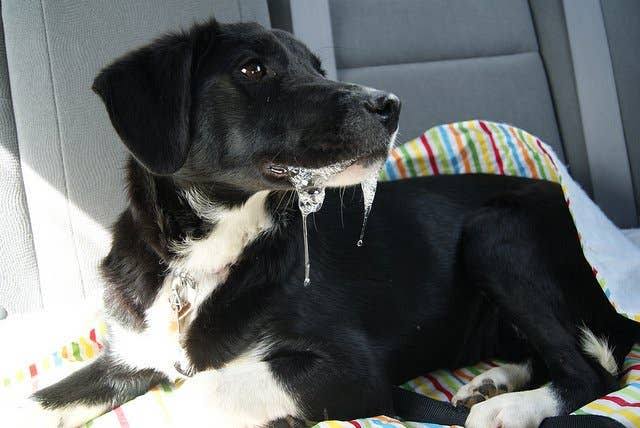
Why Is My Dog Drooling All of a Sudden? A dog that suddenly starts drooling — especially one that doesn’t normally drool much — can catch you off guard fast.
Sudden drooling in dogs is usually caused by nausea, dental pain, anxiety, motion sickness, overheating, or exposure to something toxic, and figuring out which one applies comes down to watching for the symptoms that show up alongside it.
Sudden drooling in dogs, medically called hypersalivation or ptyalism, most often points to nausea, mouth pain, anxiety, heat, or toxin exposure. According to veterinary sources including PetMD, the key is not the drooling itself but the symptoms that accompany it — vomiting, lethargy, pawing at the mouth, or swelling all change how urgently you should act.
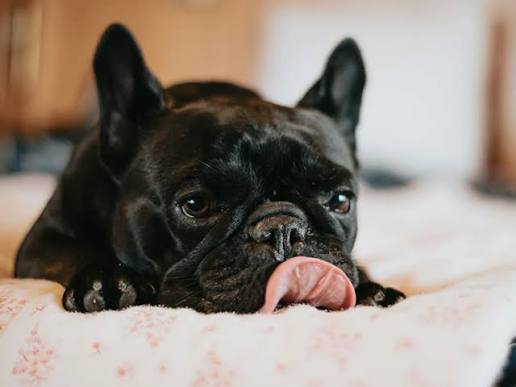
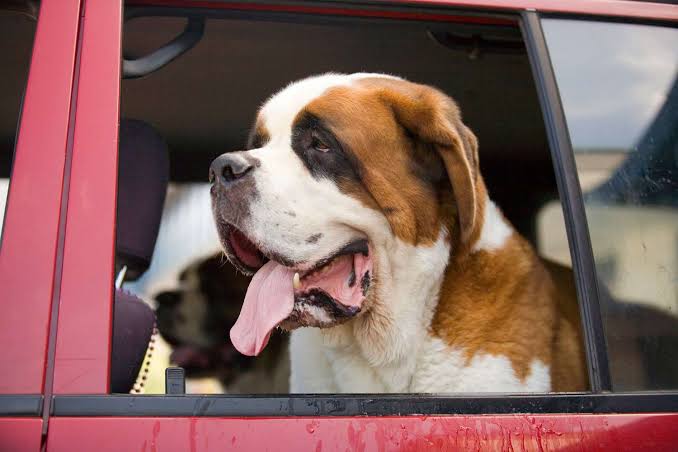
Yes. Dogs naturally drool a little when they smell food, get excited, or anticipate a treat. Breeds with loose jowls — Saint Bernards, Bloodhounds, Mastiffs, and Newfoundlands, for example — drool more than average simply because of their mouth structure. That baseline drool is nothing to worry about.
What’s different is sudden, excessive, or out-of-character drooling — a normally dry-mouthed dog that starts leaving wet patches on the floor, or drooling that comes with other symptoms. That pattern is your body’s (or rather, your dog’s body’s) way of flagging something worth investigating.
Nausea is one of the most frequent triggers for sudden hypersalivation. Just like in people, a dog’s body increases saliva production right before vomiting, so drooling often shows up minutes before they throw up. Causes range from dietary indiscretion (eating something that didn’t agree with them) to gastritis, pancreatitis, or a foreign object stuck in the GI tract.
Car rides are a classic trigger. Dogs experience motion sickness much like humans do, and excess drooling — sometimes with whining or restlessness — is one of the first signs. This usually resolves once the car stops moving.
Broken teeth, abscesses, gum disease, or something wedged between the teeth are all common causes of sudden drooling. The mouth has a dense network of nerve endings, so pain or infection there quickly triggers extra saliva. Watch for pawing at the mouth, bad breath, or reluctance to eat as supporting clues.
This is the cause that deserves the most urgency. Ingesting a poisonous plant, chemical, spoiled food, or certain human medications can trigger sudden, heavy drooling — sometimes paired with pawing at the mouth, vomiting, tremors, or agitation. Licking a toad or getting bitten by certain spiders can cause the same reaction. If toxin exposure is even a possibility, treat it as an emergency.
Dogs regulate body temperature through panting and drooling, so on hot days or after intense exercise, drooling naturally increases. If it’s paired with heavy panting, lethargy, or bright red gums, it could signal early heat exhaustion, which needs immediate cooling and possibly a vet visit.
Fear, stress, or overstimulation — from thunderstorms, fireworks, vet visits, or a new environment — can trigger a sudden spike in drooling. Dogs may also pace, pant, or show signs of restlessness at the same time.
Bloat is a life-threatening emergency, most common in large, deep-chested breeds. It happens when the stomach fills with gas and twists on itself. Sudden drooling paired with a swollen abdomen, retching without producing vomit, and restlessness is a true emergency requiring immediate veterinary care.
Less commonly, drooling can result from nerve damage affecting the salivary glands or, in rare cases, the brain. This may come with uneven pupils, weakness, or disorientation.
Lumps in the mouth or throat — benign or cancerous — can physically interfere with normal swallowing and trigger drooling. These are usually accompanied by visible swelling or difficulty eating over time.
| Cause | Common Accompanying Signs | Urgency |
|---|---|---|
| Nausea / GI upset | Vomiting, lip-licking, lethargy | See a vet if it persists |
| Motion sickness | Restlessness, whining during car rides | Low — resolves after the ride |
| Dental disease | Bad breath, pawing at mouth, reduced appetite | Schedule a vet visit soon |
| Toxin exposure | Vomiting, tremors, agitation, seizures | Emergency — call vet or poison control immediately |
| Overheating | Heavy panting, weakness, bright red gums | Cool down now; vet if not improving |
| Anxiety/stress | Pacing, panting, hiding | Low — manage the trigger |
| Bloat | Swollen abdomen, unproductive retching | Emergency — go to the vet immediately |
| Neurological issue | Uneven pupils, weakness, disorientation | Emergency — vet evaluation needed |
| Oral growth/tumor | Visible lump, trouble chewing | Schedule a vet visit soon |
Call your vet or an emergency animal hospital right away if sudden drooling is paired with any of these:
If you suspect poisoning, contact your veterinarian or an animal poison control hotline immediately rather than waiting to see if symptoms improve.
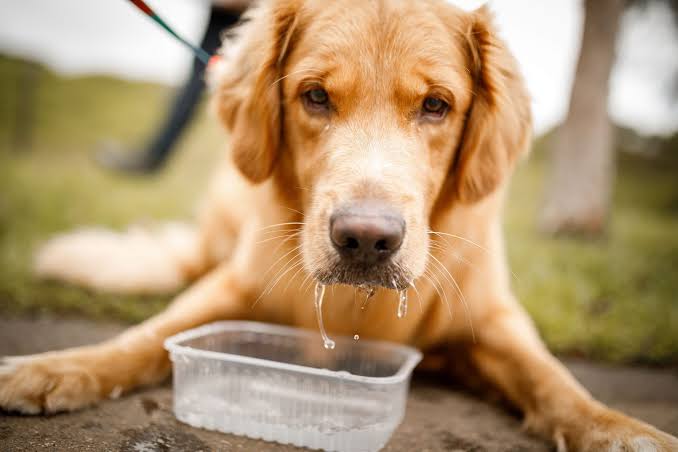
Drooling combined with shaking or trembling can indicate pain, nausea, toxin exposure, or anxiety. If it’s sudden and severe, treat it as urgent and contact your vet.
Strange behavior alongside drooling — hiding, pacing, disorientation, or unresponsiveness — often points to nausea, pain, or a neurological or toxic cause and warrants a same-day vet check.
Yes. Stress and fear trigger the same hypersalivation response as physical illness, especially during car rides, storms, or unfamiliar situations.
Drooling without vomiting can still indicate early nausea, dental pain, anxiety, or overheating. It doesn’t rule out a medical cause just because vomiting hasn’t started yet.
Common triggers include certain houseplants, chocolate, xylitol (found in sugar-free gum), cleaning chemicals, and some human medications.
It’s common and usually linked to motion sickness or anxiety, not a medical emergency, though a vet can suggest anti-nausea options for dogs who struggle with travel.
Yes. Puppies going through teething frequently drool more than usual, especially while chewing on toys.
Increased saliva production is a natural precursor to vomiting in dogs, similar to the reflex in humans.
Bloat typically involves a visibly swollen abdomen, unproductive retching, restlessness, and distress — this combination needs emergency care immediately, not a wait-and-see approach.
Sudden drooling in an older dog is more likely to be linked to dental disease, oral growths, or an underlying illness, so it’s worth a prompt vet visit to rule out serious causes.
Yes, especially after exercise or on warm days, but watch closely for signs of heat exhaustion like excessive panting, weakness, or collapse.
Yes — breeds with large jowls like Mastiffs, Saint Bernards, Bloodhounds, and Newfoundlands naturally produce more visible drool than average.