
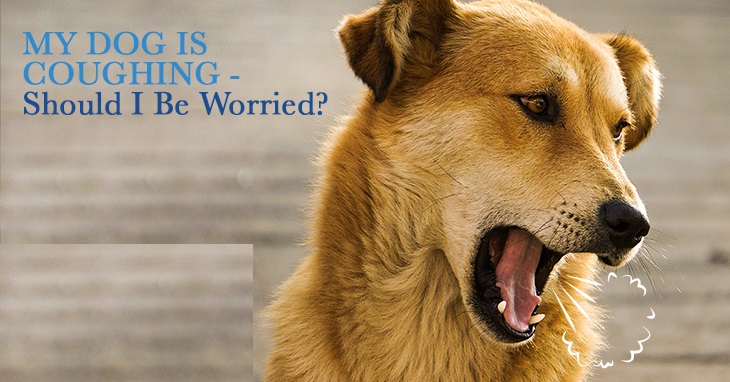
Why is my dog coughing? This is one of the most common questions pet owners ask in 2026. Dog coughing can range from a harmless throat-clearing moment to a sign of something serious like heart disease or kennel cough.
Knowing the difference can save your dog’s life. In this guide, we break down every cause, every cough type, and every treatment option so you can act fast and smart.
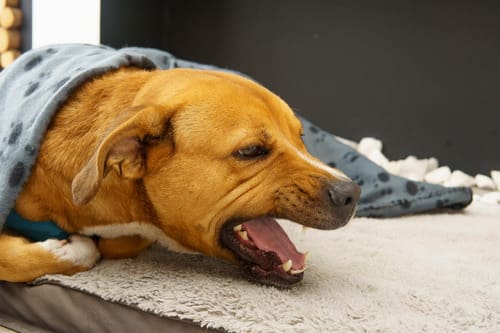
Dog coughing is the body’s natural reflex to clear the airways of irritants, mucus, or foreign material.
Just like humans cough when sick or irritated, dogs cough for the same reasons. However, when the coughing becomes frequent or persistent, it signals an underlying health issue that needs attention.
Not all dog coughs sound the same. A dry hacking cough sounds very different from a wet, moist cough or a honking goose-like sound. Identifying the type of cough is the first step in narrowing down the cause.
Understanding cough sounds helps you describe the problem accurately to your vet.
| Cough Type | Sound Description | Likely Cause |
|---|---|---|
| Dry, hacking cough | Sounds like clearing throat | Kennel cough, tracheal irritation |
| Honking cough | Like a goose honk | Kennel cough, tracheal collapse |
| Wet, moist cough | Gurgling, phlegmy sound | Pneumonia, lower airway infection |
| Soft, continuous cough | Low and persistent | Heart disease, congestive heart failure |
| High-pitched gagging cough | Sounds like retching | Sore throat, airway blockage |
| Nighttime-only cough | Worse when resting or sleeping | Heart disease, fluid in lungs |
Each cough type points your vet in a different diagnostic direction. Never ignore a cough that changes character or gets worse over time.
Kennel cough is the number one infectious reason why dogs cough. It is caused by a mix of bacteria and viruses, most commonly Bordetella bronchiseptica paired with canine parainfluenza virus.
The classic sound is a forceful, honking cough that comes on suddenly. Your dog may also sneeze, have a runny nose, or bring up mucus after coughing.
Kennel cough spreads rapidly in places where dogs gather — boarding facilities, dog parks, grooming salons, and doggy daycares. It is highly contagious but usually mild in healthy adult dogs.
Key facts about kennel cough:
Heart disease is one of the most serious causes of coughing in dogs, particularly in older and small-breed dogs.
When the heart fails to pump blood efficiently, fluid can back up into the lungs or the enlarged heart can compress the major airways. This leads to a soft, low, continuous cough that is often worse at night or when your dog lies on their side.
Conditions linked to a coughing heart include mitral valve endocardiosis, dilated cardiomyopathy, and congestive heart failure. If you notice coughing alongside reduced stamina, rapid breathing, or a swollen belly, see your vet immediately.
Pneumonia produces a wet, moist cough that sounds like fluid in the chest. Dogs with pneumonia also show high fever, poor appetite, and very low energy.
It can be caused by bacteria, viruses, fungi, or even aspiration of food or liquids into the lungs. Pneumonia is a serious condition that often requires veterinary hospitalization, IV fluids, antibiotics, and rest.
Tracheal collapse happens when the cartilage rings supporting the windpipe weaken and cause the trachea to flatten during breathing. The result is a distinctive goose-honk cough.
This condition is most common in toy and small breeds including Yorkshire Terriers, Pomeranians, Chihuahuas, Pugs, and Shih Tzus. It tends to worsen with excitement, exercise, heat, or leash pulling.
There is no cure, but medications and lifestyle changes help manage symptoms. Severe cases may require surgery.
Canine influenza virus (CIV) is becoming increasingly common. It causes coughing, fever, nasal discharge, and lethargy — symptoms that look a lot like kennel cough.
There are two main strains: H3N2 and H3N8. Unlike kennel cough, dog flu can be more severe and may lead to secondary bacterial pneumonia if left untreated. A vaccine is available and recommended for dogs with high social exposure.
Heartworms are parasites transmitted through mosquito bites. They mature in the heart and lungs, causing inflammation, blood flow obstruction, and a persistent cough.
Heartworm disease is a medical emergency. Prevention through monthly heartworm preventatives is far easier and cheaper than treatment. Dogs in mosquito-prone areas are at highest risk.
Lungworms are less common than heartworms but can still cause coughing. Dogs pick up lungworms by eating infected prey animals like rodents or snails.
The larvae migrate from the intestines into the bloodstream and settle in the lungs, causing coughing, breathing difficulty, and fatigue. A vet can diagnose this with a fecal test or blood work.
Just like humans, dogs can have allergic reactions to pollen, dust, mold, cigarette smoke, or household chemicals. These trigger airway inflammation and lead to a dry, intermittent cough.
Environmental irritants like heavy dust, poor ventilation, and cold temperatures can also weaken the respiratory defenses and make a dog more vulnerable to infections. Identifying and removing the trigger often resolves the cough.

This is the question most dog owners struggle with. Here is a simple comparison to help.
| Feature | Kennel Cough | Heart Disease | Pneumonia | Tracheal Collapse |
|---|---|---|---|---|
| Cough sound | Honking, dry, hacking | Soft, low, continuous | Wet, moist | Goose honk |
| Appetite | Usually normal | Often reduced | Poor | Usually normal |
| Energy level | Mostly normal | Reduced | Very low | Variable |
| When worse | Anytime | Night, rest | Anytime | Exercise, excitement |
| Fever | Sometimes | Rarely | Yes | No |
| Contagious | Yes | No | Sometimes | No |
| Common breeds | All | Small, older dogs | All | Toy breeds |
If your dog recently visited a boarding facility or dog park and developed a honking cough within 2 to 10 days, kennel cough is the most likely cause. If there was no social exposure and the cough is wet or persistent at night, think heart or lung disease.
Some coughs are minor. Others are emergencies. Here is how to tell which is which.
Seek emergency care immediately if your dog shows:
Schedule a vet visit soon if:
Monitor at home if:
Your vet will use a combination of tools to figure out what is causing the cough.
Physical examination is always the first step. The vet listens to the lungs, checks lymph nodes, and applies gentle pressure to the trachea to assess sensitivity.
Chest X-rays reveal fluid in the lungs, heart enlargement, pneumonia, or tracheal abnormalities. This is one of the most informative diagnostic tools available.
Blood tests check for infection, heartworm antigens, organ function, and inflammatory markers. A complete blood count and chemistry panel paint a broad picture of overall health.
Nasal swabs and PCR testing identify specific viruses and bacteria causing respiratory infections. This is especially useful for suspected kennel cough or canine influenza.
Tracheal wash or bronchoscopy may be needed for severe or unexplained cases to examine the airways directly.
Pro tip: If your dog coughs at home but not at the vet clinic, record a short video on your phone. This is one of the most helpful things you can bring to the appointment.
Most cases of kennel cough are mild and resolve on their own within 1 to 3 weeks with rest.
Supportive care at home includes:
Veterinary treatment may include:
Puppies and senior dogs with kennel cough should always be seen by a vet, as they face a higher risk of pneumonia and complications.
Vaccination is the best protection against kennel cough.
Three vaccine forms are available:
The Bordetella vaccine does not guarantee complete immunity because kennel cough can be caused by many different pathogens. However, it significantly reduces the risk and severity of infection. Most boarding facilities and groomers require this vaccine before accepting your dog.
Other prevention strategies:
While home remedies are not a substitute for veterinary care, some can provide comfort during mild cases.
Steam therapy is safe and effective. Run a hot shower, close the bathroom door, and sit with your dog in the steamy room for 10 to 15 minutes. This loosens mucus and soothes irritated airways.
Honey has mild antibacterial and soothing properties. A small amount (half a teaspoon for small dogs, one teaspoon for larger dogs) mixed into warm water may help calm a sore throat. Do not give honey to puppies under one year old.
Humidifier use in your dog’s sleeping area keeps airways moist and reduces overnight coughing.
Important: Never give your dog human cough syrup, OTC cold medications, or any medication not prescribed by your vet. Many human medications contain xylitol, acetaminophen, or other ingredients that are toxic to dogs.
Some breeds face a higher risk of specific coughing conditions due to their anatomy or genetics.
| Breed Group | Common Condition | Reason |
|---|---|---|
| Brachycephalic breeds (Bulldogs, Pugs, French Bulldogs) | Kennel cough, respiratory infections | Shorter airways, compromised airflow |
| Toy breeds (Yorkies, Pomeranians, Chihuahuas) | Tracheal collapse | Weakened tracheal cartilage |
| Small breeds (Cavalier King Charles Spaniel) | Heart disease (mitral valve) | Genetic predisposition |
| Large breeds (Dobermans, Great Danes) | Dilated cardiomyopathy | Breed-specific cardiac weakness |
| All breeds | Kennel cough, heartworm | No breed immunity |
If your dog belongs to a high-risk group, more frequent wellness checks are strongly recommended.
If your dog coughs specifically after drinking water, this is worth investigating.
It can be a sign of a cleft palate in puppies, megaesophagus (an enlarged esophagus that fails to move food properly), or tracheal problems. Occasionally it indicates aspiration, meaning water is going into the airway instead of the esophagus.
This type of coughing should always be evaluated by a vet, especially if it happens consistently.
A cough that appears mostly at night or when your dog is resting is a significant red flag.
This pattern strongly suggests heart disease or fluid accumulation in the lungs (pulmonary edema). When a dog lies down, gravity causes fluid to shift and press on the airways, triggering coughing.
Do not dismiss nighttime coughing as just allergies or an irritant. Have your vet perform a cardiac evaluation including a chest X-ray and echocardiogram if needed.
Many dog owners mistake reverse sneezing for coughing. They sound similar but are very different.
Reverse sneezing produces a rapid, loud, honking or snorting noise. The dog stands still with elbows spread, neck extended, and eyes wide. It is caused by irritation at the back of the nasal passages and usually lasts only a few seconds.
Reverse sneezing is common in small breeds and brachycephalic dogs. It is generally harmless, though frequent episodes warrant a vet visit to rule out nasal polyps or allergies.
True coughing involves forceful expulsion of air from the lungs. If unsure, record a video and show your vet.
This is the classic sound of kennel cough or tracheal irritation. It can also mean there is actually a foreign object lodged in the airway, so check with your vet if it does not resolve quickly.
Kennel cough is generally not contagious to healthy humans, though Bordetella bronchiseptica can rarely affect immunocompromised people. Other causes of dog coughing like heart disease or tracheal collapse are not contagious at all.
Mild kennel cough typically clears up in 1 to 3 weeks with rest. Senior dogs or those with weak immune systems may take up to 6 weeks to fully recover.
Benadryl (diphenhydramine) is sometimes used for allergies in dogs but it does not treat most causes of coughing. Always consult your vet before giving any human medication to your dog.
Yes, if the cough lasts more than 7 days, worsens, or is accompanied by fever, lethargy, or difficulty breathing. A single occasional cough in an otherwise healthy dog can be monitored at home briefly.
Kennel cough produces a harsh, dry, honking sound — often described as a goose honk. It may be followed by gagging, retching, or the production of white foamy mucus.
Yes. The Bordetella vaccine reduces risk and severity but does not offer complete protection because kennel cough can be caused by many different viruses and bacteria. Vaccinated dogs tend to have milder cases.
If your dog is eating, drinking, playing, and has no fever, you can monitor them for a few days. However, if the cough persists beyond a week or worsens, a vet visit is needed even if the dog seems otherwise fine.
Steam therapy and a humidifier are the safest home options. A small amount of honey in warm water may soothe the throat. Never use human cough medicine — it can be toxic to dogs.
Yes. Allergens like pollen, dust mites, mold, and smoke can inflame a dog’s airways and cause a dry, intermittent cough. Identifying and avoiding the trigger is the most effective treatment alongside any allergy medication prescribed by your vet.
Why is my dog coughing? The answer depends on the type of cough, your dog’s history, and the accompanying symptoms.
Kennel cough is the most common culprit in 2026, especially if your dog has been around other dogs recently. But heart disease, pneumonia, tracheal collapse, heartworm, and allergies are equally important causes to consider.
The key is not to panic but to pay close attention. Note when the cough happens, what it sounds like, and whether other symptoms are present.
Share all of this with your vet for a faster and more accurate diagnosis. Most coughing dogs recover fully with the right care. The sooner you act, the better the outcome for your furry companion.