
Why is cashmere so expensive This is the question every shopper asks when they see a three-digit price tag on what appears to be a simple sweater.
The answer is not about brand markups or fashion hype. Cashmere is genuinely scarce, incredibly difficult to harvest, and takes a long, labor-intensive journey from a mountain goat to a finished garment.
Every step in that journey adds cost. Once you understand where cashmere actually comes from and what it takes to produce it, the price makes complete sense.
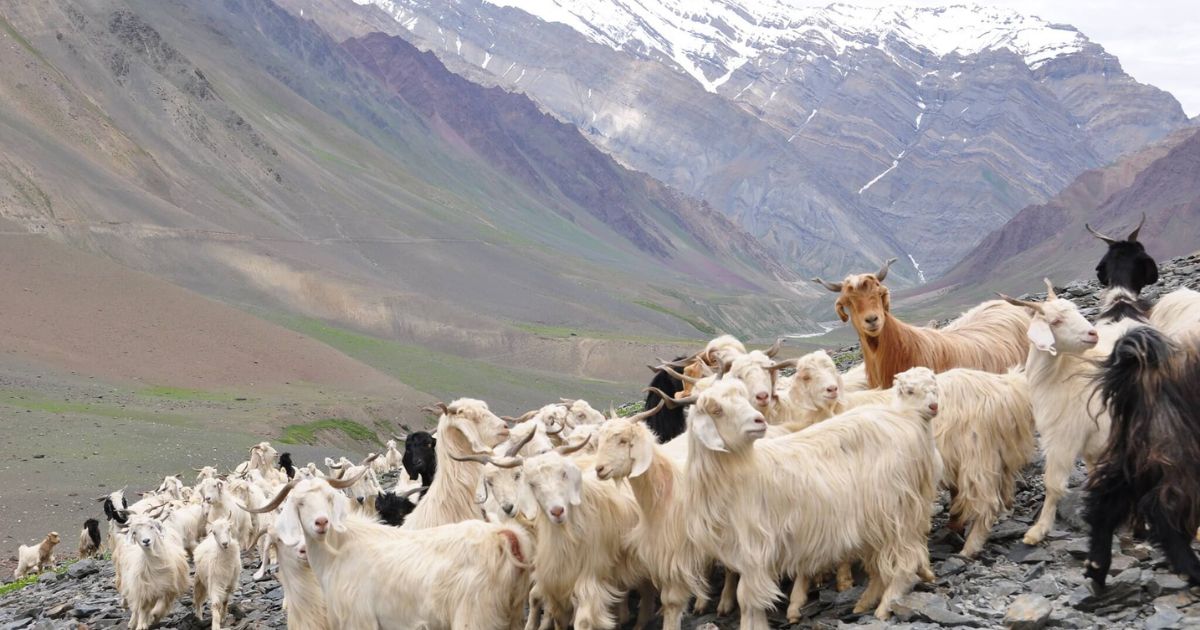
Cashmere is not wool in the traditional sense. It is the ultra-fine, downy undercoat that grows beneath the coarse outer hair of specific cashmere goats, primarily the Capra hircus breed.
These goats live in extreme high-altitude environments including Mongolia, Inner Mongolia (China), Nepal, Tibet, Iran, Afghanistan, and parts of Northern India and Pakistan. Mongolia and China together supply around 75 percent of the world’s cashmere.
The brutal winters in these regions — where temperatures drop to -40°F (-40°C) — force the goats to grow an exceptionally dense and fine undercoat for survival. That survival fiber is what makes cashmere so special.
Why is cashmere so expensive comes down to one fundamental reality: the raw fiber is extraordinarily scarce relative to global demand.
World annual wool production sits at approximately 1,200,000 tonnes per year. Global cashmere production totals around just 6,500 tonnes per year — roughly 185 times less than sheep wool.
That extreme scarcity, combined with a labor-intensive harvest and complex processing chain, creates a price floor that cannot be avoided no matter how large the brand or how efficient the factory.
A single cashmere goat produces only 100 to 200 grams (roughly 3.5 to 7 ounces) of raw cashmere fiber per year. After dehairing — removing the coarse outer guard hairs — the usable yield drops further to around 70 to 80 grams of pure cashmere.
A standard cashmere sweater requires approximately 250 to 300 grams of clean fiber. That means it takes the full annual yield of at least 2 to 4 goats to produce a single sweater.
A cashmere coat requires the fiber from 4 to 6 goats. A blanket can need even more. Compare this to sheep, where a single animal produces 2 to 3 kilograms of wool every year, and the scarcity becomes impossible to ignore.
| Factor | Cashmere Goat | Sheep (Wool) |
|---|---|---|
| Annual fiber yield per animal | 100–200g raw | 2,000–3,000g |
| Harvest frequency | Once per year | Once or twice per year |
| Goats needed per sweater | 2–4 goats | Less than 1 sheep |
| Global annual production | ~6,500 tonnes | ~1,200,000 tonnes |
| Fiber diameter | 14–19 microns | 20–40+ microns |
| Harvest method | Hand-combing only | Machine or hand shearing |
Cashmere can only be collected once a year during the goats’ natural spring molting season. As winter ends and temperatures rise, the goats naturally begin shedding their downy undercoat.
This molting window lasts only a few weeks. Miss it, and the fine undercoat tangles with the outer guard hair or falls away on its own, making collection nearly impossible.
There is no way to extend this window or force a second harvest. The biology of the goat simply does not allow it, which means the entire year’s supply is fixed and limited by nature.
The correct way to collect cashmere is gentle hand-combing. An experienced herder uses a specially designed wide-toothed comb to carefully tease out the fine undercoat while leaving the coarser guard hairs behind.
A single goat requires 30 to 60 minutes of careful, patient combing. Rushing the process damages the delicate fibers and contaminates them with guard hairs, producing a scratchy, inferior raw material.
Machine-based collection methods exist but invariably reduce fiber quality significantly. Hand-combing remains the only method that preserves the full length, softness, and integrity of premium cashmere fiber.
Even after harvesting, raw cashmere goes through a complex series of steps before it can become a garment. Each step requires skilled labor, specialized equipment, and careful quality control.
Raw fleece arrives at processing facilities mixed with dirt, debris, vegetable matter, and coarse guard hairs. Workers sort it by hand, separating fiber by color, length, and fineness.
This step cannot be automated without damaging the delicate fibers. Skilled sorters spend hours on each batch to ensure only the finest undercoat moves to the next stage.
After initial sorting, the fiber passes through specialized dehairing machines that use fine rollers to remove remaining guard hairs. This process requires multiple careful passes.
Even a small percentage of guard hair left in the batch significantly degrades the softness and feel of the final garment. Getting this step right is critical and time-consuming.
The clean fiber must be washed in temperature-controlled water with precisely chosen detergents that clean without shrinking or weakening the fiber structure.
Too much heat, the wrong detergent, or aggressive handling can permanently damage cashmere’s unique fiber structure at this stage, making careful monitoring essential.
Cleaned fibers are then aligned and organized through a carding process that prepares them for spinning. This step requires skilled technicians to maintain consistency and ensure fiber alignment.
Poorly carded cashmere produces uneven yarn that results in garments with inconsistent texture and reduced durability after washing.
Converting aligned fibers into yarn requires specialized spinning equipment and highly trained operators. The speed, tension, and twist of the yarn dramatically affect the final feel and strength of the garment.
Hand-spun cashmere yarns have only 2 to 4 percent fiber breakage compared to 8 to 12 percent in machine spinning. Lower breakage means softer, stronger, longer-lasting fabric.
Dyeing cashmere requires precise temperature and chemistry control. The fine fibers absorb dye differently than wool, and improper dyeing causes uneven color, fading, or fiber damage.
Premium producers use environmentally responsible dyes and carefully controlled dyebaths to achieve rich, consistent colors that remain vibrant wash after wash.
Finally, the finished yarn is knitted or woven into a garment. High-quality cashmere garments are often made on slower, finer-gauge knitting machines or even by hand, adding additional time and cost.
Hand-knitted or fine-gauge machine-knitted cashmere takes significantly longer to produce than standard knitwear and requires skilled workers at every station.
Not all cashmere is the same. The industry recognizes three main grades, and the price difference between them is dramatic.
| Grade | Fiber Diameter | Fiber Length | Share of Production | Relative Price |
|---|---|---|---|---|
| Grade A | 14–15.5 microns | 34–36mm | ~30% | Highest (3–5x Grade C) |
| Grade B | 16–19 microns | 28–34mm | ~50% | Mid-range |
| Grade C | 19–30+ microns | Under 28mm | ~20% | Lowest |
Grade A cashmere is supremely soft, lightweight, and warm. It comes from the finest parts of the undercoat and represents only about 30 percent of total cashmere production.
Grade B still offers good softness and warmth but has slightly thicker fibers that may feel marginally less silky against the skin. It is the most common grade in mid-range retail products.
Grade C has noticeably thicker fibers and can feel rough or even itchy against bare skin. It is sometimes used in blended products sold at very low price points with a cashmere label.
Importantly, brands and retailers almost never disclose the grade on product labels or websites. The length and fineness of the fiber are the real indicators of quality, not the price tag alone.
Where a cashmere goat lives directly determines the quality of its fiber. This is not a marketing story — it is a biological reality tied to extreme cold.
The colder and harsher the winter, the finer and denser the undercoat the goat develops. Every 1,000 meters of increased altitude reduces average fiber diameter by approximately 0.7 microns, which measurably increases softness and market value.
Mongolian cashmere, especially from nomadic herders in the Gobi Desert region, is widely regarded as the finest in the world. The extreme temperature swings — from -40°F in winter to over 100°F in summer — push the goats to grow extraordinarily fine fiber.
Himalayan cashmere from Nepal and the highlands of India also commands a premium. Chinese cashmere from Inner Mongolia represents the largest volume of production and ranges from average to very high quality depending on the region and herder practices.
| Region | Known For | Price Premium |
|---|---|---|
| Mongolia (Gobi Desert) | Finest fiber, traditional herding | Highest |
| Nepal / Himalayas | Fine fiber, artisan processing | High |
| Inner Mongolia, China | Largest volume, variable quality | Mid to High |
| Iran / Afghanistan | Coarser grades, lower yield | Lower |
| Scotland (processing) | World-class spinning and milling | Adds value to finished goods |
The global cashmere market was valued at approximately USD 1.79 billion and is projected to reach USD 3.28 billion by 2035, growing at a compound annual growth rate of around 6.4 percent.
That surging demand crashes directly into a supply that is physically fixed by the biology of the goat, the geography of the growing regions, and the narrow annual molting window.
When demand grows faster than supply can respond, prices rise. With cashmere, supply cannot be quickly expanded. You cannot rush the seasons, change the geography, or breed goats fast enough to meet a doubling of market demand.
Part of what makes responsibly sourced cashmere expensive is the hidden cost of doing it right. Rising global demand for cheap cashmere has led to serious environmental problems.
Overgrazing by cashmere goats in Inner Mongolia has contributed to significant land degradation and desertification, damaging ecosystems that support wild animals including snow leopards, wild yaks, and endangered gazelles.
Responsible producers rotate grazing land, limit herd sizes, hand-comb during natural molting seasons, and invest in animal welfare. These ethical practices cost more but produce better fiber and support sustainable herding communities for the long term.
Certified sustainable cashmere from brands with transparent supply chains commands a legitimate price premium. It reflects real costs — to people, animals, and landscapes — that cheaper cashmere simply does not pay.
A cashmere sweater for $30 is almost certainly not genuine high-quality cashmere. It will likely be one of three things.
First, it may be a low-grade blend containing a small percentage of real cashmere mixed with wool, acrylic, or other synthetic fibers to reduce cost. Second, it may use Grade C cashmere with short, thick fibers that pill quickly, lose shape after a few washes, and feel scratchy against the skin.
Third, in some cases, the fiber content is simply mislabeled. Regulatory enforcement of cashmere labeling laws varies significantly by country and is difficult to monitor at scale.
Real, Grade A cashmere from ethical sources processed with proper care cannot physically be made cheaply. The raw material alone costs too much, and the skilled labor required at every processing step adds further unavoidable cost.
Learning to spot real cashmere before buying protects your investment and ensures you get what you pay for.
The touch test is the most immediate indicator. Genuine high-quality cashmere feels immediately and unmistakably soft — almost impossibly so. It should feel lightweight, warm, and smooth, never heavy, scratchy, or rough.
The ply count matters. Two-ply cashmere (two yarns twisted together) is more durable and warmer than single-ply. Higher ply counts create heavier, more structured garments suited for outerwear.
Check for pilling resistance. Rub the fabric gently between your fingers. Lower-grade cashmere pills almost immediately. High-grade cashmere resists pilling for far longer because the longer fibers hold together more tightly.
Look for transparency. Reputable brands share details about their fiber sourcing, country of origin, grade, and production methods. Vague or missing sourcing information is a warning sign worth taking seriously.
Price as a signal. A genuine, high-quality cashmere sweater from a reputable brand rarely costs less than $150 to $200. Anything significantly below that almost certainly reflects compromises in fiber grade, processing quality, or ethical sourcing standards.
Why is cashmere so expensive compared to other natural luxury fibers? Here is a direct comparison.
| Fiber | Source | Annual Yield | Fiber Diameter | Relative Cost |
|---|---|---|---|---|
| Cashmere | Cashmere goat undercoat | 100–200g per goat | 14–19 microns | Very High |
| Merino Wool | Merino sheep | 2,000–3,000g per sheep | 15–24 microns | Moderate |
| Vicuna | Wild vicuna (Andes) | 150–200g per animal | 10–13 microns | Extremely High |
| Alpaca | Alpaca fleece | 3,000–5,000g per animal | 20–30 microns | Moderate to High |
| Pashmina | Changthangi goat (finer cashmere) | 80–170g per goat | 10–16 microns | Very High |
| Angora | Angora rabbit | 250–500g per rabbit | 10–15 microns | High |
Vicuna is actually more expensive than cashmere because the yield is even smaller and the animals are protected wild species that cannot be farmed. Pashmina is a finer grade of cashmere from a specific Himalayan goat and commands a premium above standard cashmere.
This is the question every buyer eventually asks. The answer depends almost entirely on the quality of the cashmere being purchased.
Genuine Grade A or Grade B cashmere from a reputable, transparent brand lasts 10 to 20 years with proper care. That turns a $300 investment into a cost of $15 to $30 per year of daily warmth, softness, and timeless style — a genuinely excellent value.
A $40 cashmere-labeled sweater that pills after three washes, loses its shape by winter’s end, and ends up in the bin by spring is genuinely expensive relative to what you actually got.
The key is buying quality deliberately from brands willing to share their sourcing story. Cashmere that comes with a transparent supply chain, honest fiber grading, and ethical sourcing is worth every penny. Cashmere sold purely on price is almost always a disappointment.
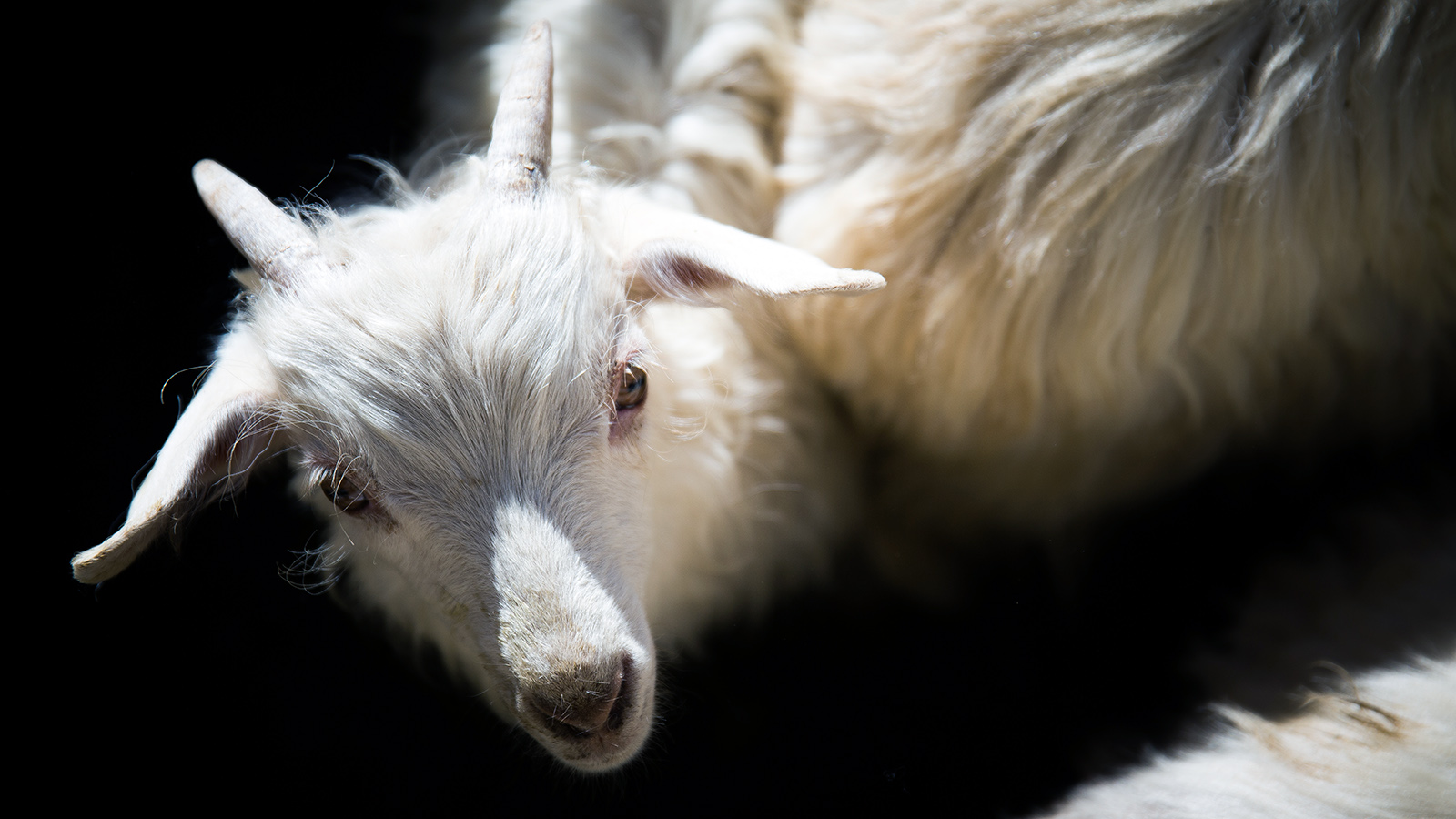
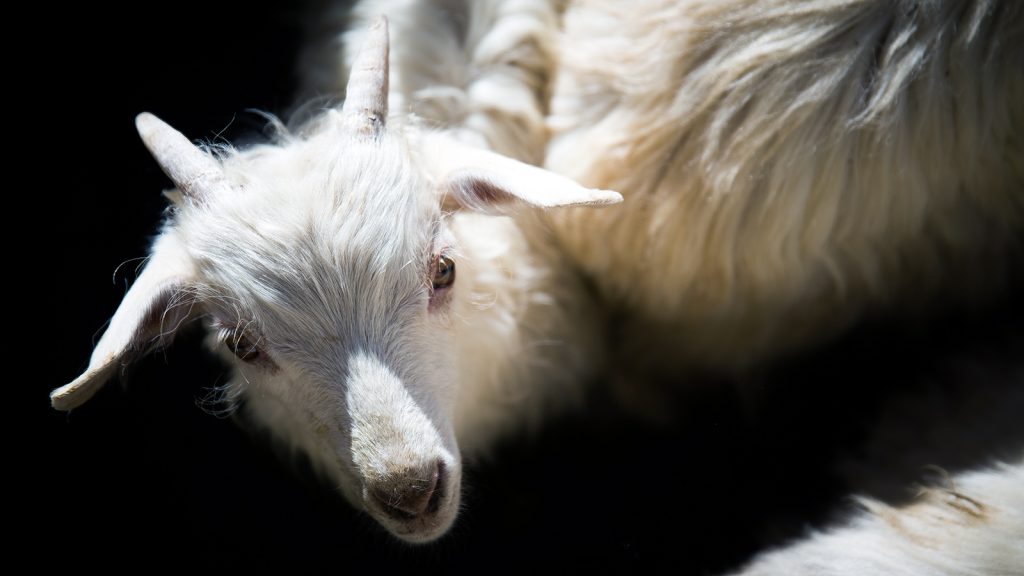
A small pashmina goat looking in our direction.
Proper care dramatically extends the life of a cashmere garment and protects the investment you made in it.
Always hand wash cashmere in cool water using a gentle, pH-neutral wool detergent. Never use hot water, which causes irreversible shrinking. Never put cashmere in a tumble dryer.
After washing, gently press excess water out with your hands. Never wring or twist cashmere. Lay it flat on a clean towel to dry in its original shape.
Store cashmere folded, never hung. Hanging stretches the fibers over time and distorts the garment’s shape permanently. Use cedar blocks or lavender sachets to deter moths during storage.
Remove any pills that form using a cashmere comb or fabric shaver. Pilling is normal in the first few wears even on high-quality cashmere and reduces significantly over time as loose fibers work their way out.
Cashmere yields only 100–200g per goat annually versus 2–3kg from a sheep. The harvest window, hand-combing process, and multi-step refinement all add unavoidable cost that regular wool does not carry.
It takes the annual fiber yield of 2 to 4 goats to make a single cashmere sweater, and up to 6 goats for a full coat, which directly explains why the price is so high.
Not in any meaningful sense. Very cheap cashmere is typically a low-grade blend, uses short Grade C fibers that pill and wear quickly, or in some cases contains mislabeled fiber content.
Grade A is the finest cashmere available, with fibers measuring just 14–15.5 microns in diameter. It represents only 30 percent of total production and costs 3 to 5 times more than Grade C.
The extreme cold of the Gobi Desert pushes goats to grow exceptionally fine, dense undercoats. Greater altitude produces finer fiber diameter, and traditional hand-harvesting by nomadic herders preserves fiber integrity.
Yes. Cashmere is approximately 8 times warmer than sheep wool due to its finer, hollow fiber structure that traps more warm air while remaining far lighter in weight.
With proper care, genuine high-quality cashmere lasts 10 to 20 years. The investment cost spread across years of use makes premium cashmere genuinely good value compared to cheaper alternatives.
Pashmina comes from a specific Himalayan goat called Changthangi and has an even finer fiber diameter of 10–16 microns compared to standard cashmere. All pashmina is cashmere but not all cashmere is pashmina.
Pilling happens when short, loose fibers tangle on the surface during wear. Higher-grade cashmere with longer fibers pills less. Remove pills with a cashmere comb and they will reduce significantly after the first few wears.
Yes. Sustainable cashmere reflects real costs — ethical herding, land preservation, animal welfare, and fair wages. It is also typically higher quality because responsibly raised goats in healthy environments produce finer, denser fiber.
Why is cashmere so expensive — the answer is now clear.
Scarcity is built into every stage of the process. Each goat produces barely enough fiber for half a sweater per year. The harvest lasts only weeks. Hand-combing cannot be replaced by machines without destroying quality.
Processing requires skilled labor across seven distinct stages. Grading, geography, and ethical sourcing all add further layers of real cost that simply cannot be engineered away.
The right question is not whether cashmere is too expensive, but whether the cashmere you are buying is genuinely worth its price.
Grade A fiber, ethical sourcing, transparent supply chains, and proper processing justify a premium every time.
Cheap cashmere cuts corners at every one of those stages and delivers a product that disappoints quickly.
Buy less, buy better, and buy from brands willing to tell you exactly where their fiber comes from.
A genuine cashmere piece purchased thoughtfully in 2026 can last you two decades — and that, by any measure, is remarkable value.