
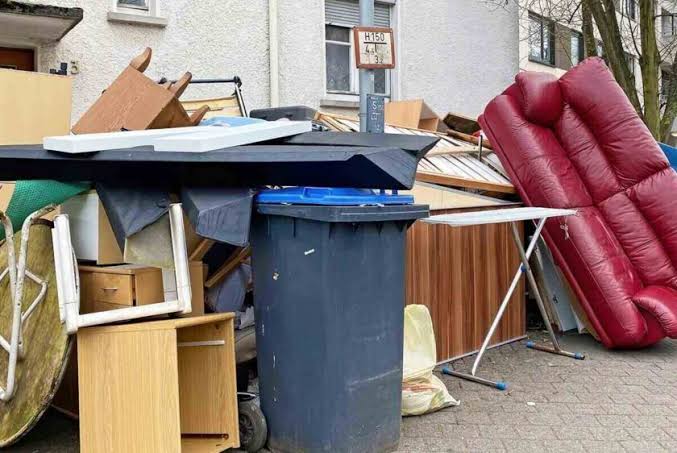
A rental property turnover can involve much more than routine cleaning between occupants. Long-term tenants may leave behind unwanted furniture, damaged household items, worn fixtures, abandoned belongings, and materials removed during repairs. Without a clear waste plan, these items can occupy rooms that contractors need for painting, flooring, maintenance, and other preparation work.
A residential dumpster rental can provide a central disposal point for appropriate unwanted materials during a larger turnover. The most effective approach, however, begins with sorting and scheduling rather than immediately removing everything from the property. Owners and property managers need to understand what must leave, what requires separate handling, and which areas should be cleared first.
A Dumpster Rental can then be coordinated with the repair sequence so waste removal supports rather than interrupts the turnover. Property managers considering American Dumpster Co can evaluate the amount and type of confirmed debris after completing an initial walkthrough. This creates a practical starting point for moving the property from tenant departure toward its next stage.
Begin with a complete walkthrough before furniture, boxes, or damaged materials are moved. Photographing rooms and documenting their condition creates a useful record of what was present at the beginning of the turnover. This also makes it easier to distinguish abandoned belongings from materials generated later by repair work.
Check closets, cabinets, storage rooms, garages, sheds, and outdoor areas as well as the primary living spaces. Long-term occupancy can result in belongings being stored in locations that are easy to overlook during a quick inspection. A complete review provides a more accurate picture of the cleanup.
Property managers should also follow applicable procedures regarding possessions left by former tenants. Items should not automatically be treated as disposable simply because they remain after occupancy ends. Confirming the appropriate process before removal helps keep the cleanout organized.
Turnover waste generally comes from two different sources. The first includes unwanted household contents remaining after occupancy, while the second develops as contractors remove damaged or worn materials during repairs. Mixing these categories too early can make the project harder to track.
Create clearly defined areas for materials that have been approved for disposal and items that still require a decision. Once repair work begins, contractors should also have a clear destination for removed flooring, damaged fixtures, trim, cabinetry, or other appropriate debris.
A residential dumpster rental becomes more useful when everyone working on the property understands this distinction. Clear categories reduce uncertainty and help prevent usable supplies or undecided belongings from being discarded accidentally.
Not every room needs to be emptied in the same order. Prioritize areas where contractors must begin repairs, especially spaces requiring flooring removal, wall work, fixture replacement, or other substantial maintenance. Giving crews usable space allows the renovation portion of the turnover to start sooner.
A room needing only paint touch-ups may be less urgent than one requiring extensive removal work. Sequencing the cleanout according to repair needs prevents crews from waiting while unrelated rooms are being sorted.
American Dumpster Co can be considered once the property manager understands which sections will generate the largest amount of confirmed waste. Describing both abandoned household material and planned repair debris provides a clearer picture of the turnover than estimating from the number of rooms alone.
Turnovers often involve new flooring, fixtures, appliances, doors, trim, or other replacement products arriving while old materials are still leaving. Without designated staging areas, incoming supplies can become surrounded by discarded items. This creates unnecessary handling and consumes valuable working room.
Choose one protected area for new materials before deliveries begin. Contractors should be able to retrieve those products without crossing piles of outgoing debris. Waste should follow a separate path toward its collection area whenever the property layout allows.
This separation also makes inventory easier. Property managers can see which replacement products have arrived and which materials are still needed. Organized staging reduces confusion during fast-moving turnovers.
A turnover may produce waste in several waves rather than all at once. Initial clearing removes abandoned belongings, demolition generates another group of materials, and finishing work creates packaging and smaller scraps. Disposal planning should reflect these stages.
A Dumpster Rental works best when its timing supports the period of highest waste generation. Scheduling too early may use rental time before significant debris exists, while waiting until repairs are underway can leave contractors working around temporary piles.
Consider the entire turnover schedule before choosing service dates. Flooring crews, painters, maintenance technicians, cleaners, and other workers may all require access at different times. Waste removal should help create room for those activities.
Vacant properties often tempt workers to use hallways and entry areas for temporary storage because normal household traffic is absent. These locations quickly become problematic once contractors begin carrying tools and replacement materials between rooms.
Keep primary walking routes open throughout the turnover. If temporary staging is necessary, choose a location that does not interfere with doorways, stairs, utility areas, or the main route outside.
Clear access also improves progress monitoring. Property managers can walk through rooms without navigating piles of waste and can more easily identify which areas are ready for the next trade. Organization supports both physical movement and project oversight.
Furniture, mattresses, damaged shelving, and large fixtures require more space and handling than smaller debris. Leaving these objects until the end can make them difficult to remove once contractors have filled rooms with equipment or new materials.
Identify bulky items during the first walkthrough and determine their destination early. Items approved for disposal can then be incorporated into the removal plan instead of being shifted repeatedly between rooms.
A residential dumpster rental may support appropriate bulky waste, but acceptance requirements should be confirmed before loading. Understanding those details beforehand prevents large objects from becoming last-minute obstacles.
Rental properties may contain paint, chemicals, batteries, electronics, automotive products, or other materials that should not automatically enter general debris. Garages, utility rooms, sheds, and under-sink cabinets deserve particular attention during the initial walkthrough.
Create a separate holding location for questionable materials until the proper disposal method is confirmed. Keep identifiable products in their original containers when practical and avoid mixing unknown substances with ordinary waste.
American Dumpster Co can provide relevant service information when property managers have questions about materials intended for the container. Confirming requirements before loading begins is much easier than trying to locate an unsuitable item after it has been mixed with other debris.
Once repairs are substantially complete, the property should receive another room-by-room inspection. Check closets, cabinets, utility spaces, garages, patios, and storage areas for debris that may have been missed during earlier work. Contractors can also remove leftover packaging and scraps no longer needed.
A Dumpster Rental should remain connected to this final stage if the service schedule allows. The goal is to finish disposal before professional cleaning or final property preparation begins, reducing the chance that new dust and debris will be introduced afterward.
This walkthrough can also identify small maintenance items that became visible only after rooms were cleared. Empty spaces are easier to inspect than rooms crowded with abandoned belongings or construction materials.
Efficient rental turnovers depend on sequencing more than speed alone. Documenting the property, separating belongings from repair debris, clearing contractor work areas first, and protecting material staging zones allows each phase to move forward with fewer conflicts.
Waste management should follow the same logic as the repair schedule. Initial cleanout, demolition, installation, and final preparation produce different types and amounts of debris, so disposal needs can change as the property progresses.
A well-organized turnover gives contractors room to work while helping property managers maintain a clear picture of what remains unfinished. By treating waste removal as part of the project workflow rather than a final cleanup task, owners can move a long-term rental from vacancy through repairs and toward its next occupancy in a more controlled, efficient manner.