
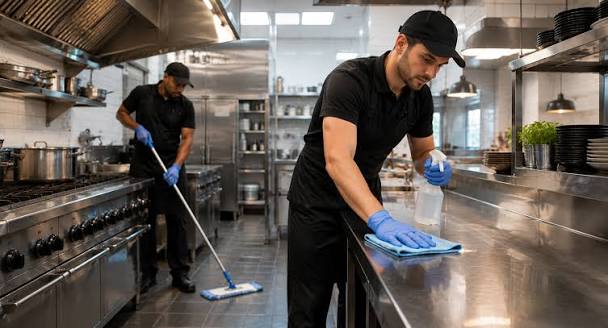
The kitchen is one of the hardest-working rooms in a home. Cooking, food preparation, washing dishes, and everyday family activity can leave grease, crumbs, splashes, and residue across many surfaces. Even a kitchen that receives regular attention can gradually develop buildup in places that routine cleaning does not fully reach.
Deep Cleaning Services provide a more detailed approach when ordinary wiping, sweeping, and mopping are no longer enough. Instead of concentrating only on countertops and visible flooring, detailed cleaning reaches edges, fixtures, appliance exteriors, cabinet surfaces, and other areas where grime can accumulate over time.
Mopstar Cleaners understands that kitchen cleaning requires attention to how the room is actually used. Grease may settle near cooking areas, crumbs can disappear beneath appliances, and moisture can leave residue around sinks. Addressing these different problems individually helps restore a kitchen without relying on one cleaning method for every surface.
Kitchen dirt rarely appears all at once. Small amounts of cooking oil, steam, food particles, and dust gradually combine on nearby surfaces. Because this buildup develops slowly, homeowners may become accustomed to it before realizing how much has collected.
Cabinet fronts near a stove can develop a different type of residue from cabinets farther across the room. Floors beneath preparation areas may collect crumbs, while backsplash edges can hold small cooking splashes. Recognizing these patterns helps direct cleaning effort where it is needed.
Detailed kitchen care begins by identifying the type of buildup rather than simply scrubbing every surface with the same product or technique.
Stoves and surrounding surfaces experience repeated exposure to heat, grease, and food splashes. Fresh marks are often easy to wipe away, but residue that remains through repeated cooking sessions can become harder to remove. Regular inspection prevents layers from developing unnoticed.
A kitchen may contain stainless steel, painted cabinets, tile, stone, glass, and other finishes within a small area. Cleaning methods suitable for one material may not be appropriate for another. Care instructions should guide how each surface is treated.
Homeowners should avoid aggressive scrubbing simply because residue appears stubborn. Using suitable methods can clean the area while helping preserve the finish underneath.
Appliances occupy significant kitchen space, but routine cleaning often focuses only on their most visible sections. Handles and doors may receive regular wiping while edges, sides, surrounding floors, and nearby gaps receive less attention. Debris can gradually settle in these overlooked locations.
Where appliances can be safely accessed according to their setup and care requirements, surrounding areas deserve periodic inspection. Crumbs and dust near accessible edges should be removed before they become part of a larger buildup problem.
Deep Cleaning Services can give these less obvious kitchen areas more attention as part of periodic household care. This creates a more complete result than cleaning only the surfaces visible from the center of the room.
Kitchen cabinets are handled repeatedly during food preparation. Knobs, pulls, drawer fronts, and areas near handles can collect fingerprints and cooking residue. Lower cabinets may also develop marks from shoes, pets, spills, or everyday movement.
Cleaning should follow the requirements of the cabinet finish. Painted, laminated, and natural wood surfaces may respond differently to moisture and cleaning products. Using an appropriate method helps avoid unnecessary wear.
Upper cabinet surfaces can also collect airborne dust and cooking residue. Although these areas may not need frequent attention, including them periodically prevents buildup from remaining untouched for long periods.
Kitchen sinks deal with food preparation, dishes, water, and frequent handwashing. The surrounding area can therefore collect splashes and residue throughout the day. Faucets, handles, sink edges, and nearby countertops deserve regular care.
Less visible locations can be easy to miss. Areas behind faucets, along sink edges, or around countertop seams may require more detailed attention than broad surfaces. Removing objects stored around the sink makes these locations easier to reach.
Mopstar Cleaners can incorporate detailed sink-area cleaning into a broader kitchen refresh. Homeowners can then maintain the results with simple wiping after cooking and washing dishes.
Backsplashes protect walls from the splashes produced during food preparation. Their location means they can gradually collect cooking residue, particularly behind stovetops and frequently used preparation areas. The amount of attention needed depends on household cooking habits.
A family that cooks most meals at home may notice buildup faster than someone who uses the kitchen less frequently. Tile, grout, glass, and other backsplash materials also have different care requirements. Cleaning should reflect both the material and the condition of the surface.
Regularly wiping fresh splashes reduces the amount of work required later. Periodic detailed attention can then focus on residue that everyday maintenance has missed.
Coffee makers, utensil containers, toasters, cutting boards, and decorative items often remain in the same position for weeks. Routine wiping may happen around them rather than beneath them. As a result, crumbs and dust can collect around bases and along nearby walls.
Moving suitable lightweight items provides access to the full countertop. The items themselves can also be checked for residue before being returned. This process helps prevent clean counters from being immediately covered by dusty or sticky objects.
Countertop organization can make future maintenance easier as well. Keeping only regularly used items on display leaves more open surface area for quick everyday cleaning.
Kitchen floors often look clean in open areas while debris remains along cabinet edges, beneath movable furniture, or in corners. Sweeping and vacuuming patterns naturally concentrate on accessible spaces. Over time, missed crumbs can become mixed with dust and other residue.
Detailed floor care should begin by removing loose debris from edges and difficult areas. The main floor can then be cleaned using a method appropriate for its material. Tile, hardwood, laminate, and other surfaces should not automatically receive identical treatment.
Deep Cleaning Services can help reset these overlooked areas when ordinary floor maintenance has left buildup behind. Afterward, homeowners can maintain edges more easily through regular vacuuming or sweeping.
Kitchen cleaning frequently centers on food-related surfaces, leaving surrounding features unnoticed. Doors, trim, switch plates, and other frequently touched areas can collect fingerprints and everyday marks. Their condition can affect how clean the entire room appears.
Baseboards are another common example. Dust can settle along their upper edges while food debris collects near the floor. Periodic attention keeps these borders from contrasting with freshly cleaned cabinets and flooring.
These details do not necessarily require the same frequency as countertops or sinks. Including them during occasional thorough cleaning prevents long-term neglect without adding them to every daily routine.
A small amount of preparation can make detailed cleaning more efficient. Countertops should be cleared of unnecessary papers, dishes, and loose household items. Food should be stored properly, and objects that belong in other rooms can be returned to their normal locations.
This preparation separates organization from cleaning. Accessible surfaces can receive attention without repeatedly stopping to decide where personal belongings should go. It also helps homeowners identify any areas they want prioritized.
Mopstar Cleaners can then focus on the cleaning work rather than spending valuable time managing unrelated clutter. A prepared kitchen supports a more orderly process from beginning to end.
A detailed kitchen reset should make routine maintenance easier, not create an unrealistic standard that requires constant intensive cleaning. Small habits can slow the return of grease and residue. Wiping fresh cooking splashes and managing crumbs after food preparation are useful starting points.
Counters should be cleared regularly enough to allow quick wiping. Sink areas can be dried or cleaned as needed, while spills on flooring should receive prompt attention. These simple actions prevent several small messes from combining into a difficult cleaning project.
Periodic checks of less visible areas can also help. Homeowners can rotate attention between cabinet fronts, appliance edges, baseboards, and other locations rather than trying to clean everything deeply each week.
A thoroughly cleaned kitchen feels different because both obvious and overlooked surfaces receive attention. Removing grease near cooking areas, clearing hidden crumbs, cleaning cabinet fronts, and refreshing floor edges creates a stronger foundation for normal household maintenance.
Deep Cleaning Services are most useful when they complement regular cleaning rather than replace it. Everyday habits control fresh messes, while occasional detailed care addresses residue that gradually develops in harder-to-reach locations. Together, these approaches keep the workload manageable.
Kitchens will always collect some evidence of cooking and family life. The goal is not to prevent every crumb or splash but to stop ordinary residue from becoming difficult buildup. With sensible daily habits and periodic detailed attention, homeowners can keep this busy room cleaner, more comfortable, and easier to use.