
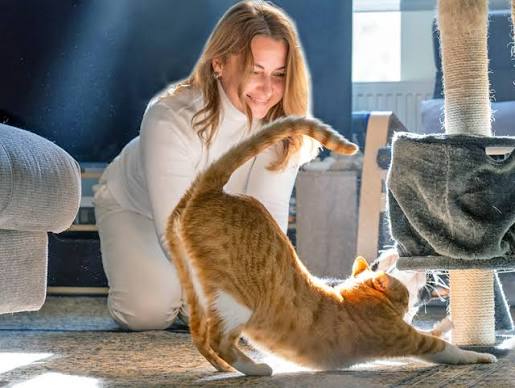
Why does my cat stretch when she sees me? In most cases, it is a genuine sign of affection, trust, and comfort in your presence, combined with a natural physical release after rest.
That dramatic back arch, extended front legs, and splayed toes might look theatrical, but there is real meaning behind the performance.
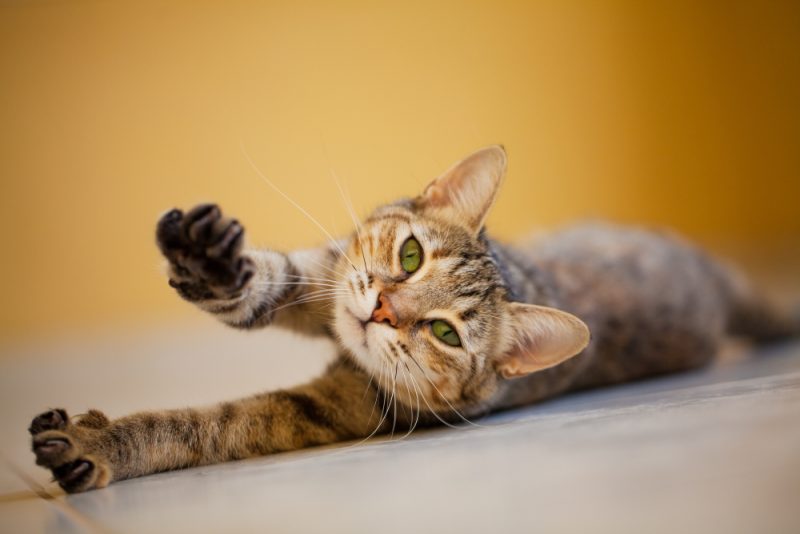
Cats stretch when they see their owners mainly because they feel safe, relaxed, and happy in that moment. The stretch releases physical tension built up from resting and often doubles as a friendly greeting.
Some cats also use this movement to deposit scent from glands in their paws, marking you as part of their trusted territory.
Yes, this is completely normal and even considered an endearing feline habit. Veterinarians and cat behaviorists widely agree that greeting stretches signal comfort rather than concern.
Cat owners often compare their pet’s reserved greeting style to a dog’s enthusiastic welcome, assuming their cat cares less. In reality, cats simply express affection through quieter, more subtle signals.
A stretch, a soft chirp, or a slow approach may not look as dramatic as tail wagging, but it carries the same emotional weight in feline communication. Cats evolved as more solitary hunters than dogs, which shaped a communication style built on small, deliberate gestures rather than constant vocal excitement.
Before diving into emotional meaning, it helps to understand the biological function of stretching itself. Cats are built for sudden bursts of movement, and stretching keeps their bodies primed for that.
Because cats sleep so frequently throughout the day, this physical reset naturally lines up with the moment they notice you and start moving again.
| Benefit | What It Does |
|---|---|
| Blood circulation | Increases flow to muscles after rest |
| Joint lubrication | Prepares joints for sudden movement |
| Muscle tension release | Reduces stiffness from long periods of stillness |
| Readiness for activity | Primes the body for pouncing, playing, or walking |
While the physical function is real, most experts agree the timing of the stretch, right as your cat notices you, carries emotional weight too. This is where the behavior becomes a genuine form of communication.
According to cat behaviorists, the meaning often depends on context, including body posture, sounds, and what happens immediately after the stretch.
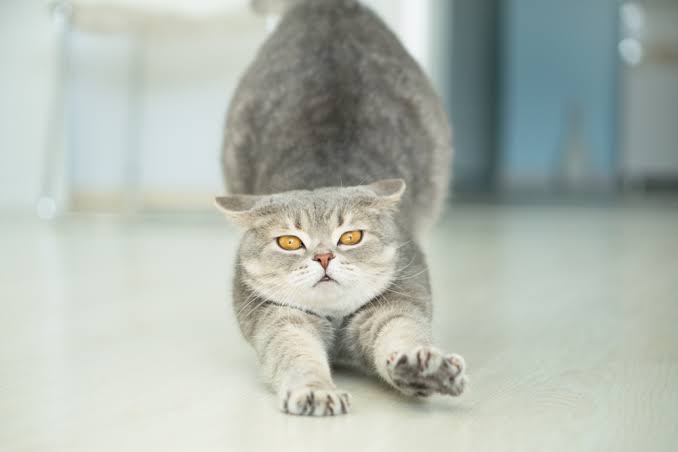
This is one of the most common follow-up questions cat owners ask, and the answer is often yes, in a subtle way. Cats have scent glands located in their paw pads.
In multi-cat households, this scent-mingling can also help establish a shared household smell that feels safe to every pet.
Cats have a surprisingly wide range of stretching styles, and each one can offer slightly different clues about their mood. Recognizing these patterns helps you better understand your cat’s greeting.
Watching a cat twist into a seemingly impossible pose is part of what makes stretching so entertaining to witness. This flexibility is not a trick, but a direct result of their unique skeletal structure.
Cats have significantly more vertebrae in their spine than humans, along with elastic discs between each one. This design allows for a wider range of motion than most other mammals possess.
| Stretch Type | Typical Meaning |
|---|---|
| Full-body extension | Deep relaxation and comfort |
| Arched-back stretch | Waking up or preparing to move |
| Single paw stretch | Casual, low-effort muscle release |
| Elevator stretch | Response to touch near the tail base |
| Belly-up stretch | High trust, though not always a touch invitation |
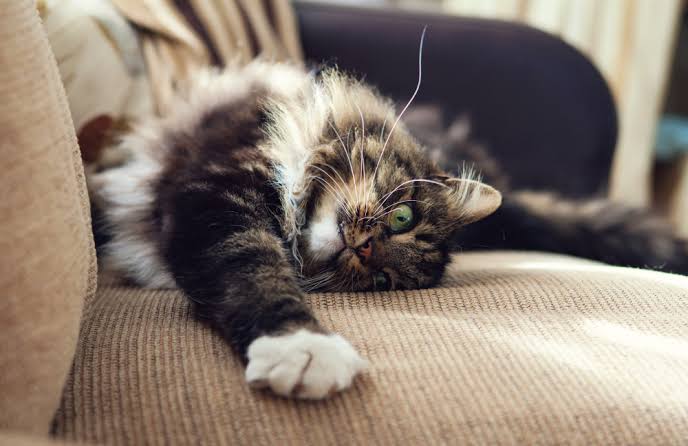
Paying attention to your cat’s behavior right after she stretches can offer helpful clues about what she wants next. This follow-up moment often reveals her true intention.
Just as people have distinct personalities, cats vary widely in how they express excitement or affection. Not every cat will greet you with an elaborate stretch every single time.
Some cats are naturally more reserved and may simply glance your way or approach quietly instead. Others develop very consistent, ritualistic greeting patterns that rarely change from day to day.
The greeting stretch rarely happens in isolation. It often appears alongside other well-known feline trust signals that reinforce the same message.
Many of the affectionate behaviors adult cats display, including kneading and paw stretching, trace back to early kittenhood. Understanding these origins adds context to why these habits persist into adulthood.
Newborn kittens knead their mother while nursing to stimulate milk flow, spreading their claws and paws rhythmically. This motion is deeply tied to comfort, safety, and feeding, which is why it resurfaces later as a soothing, affectionate gesture toward trusted humans.
Although stretching is almost always harmless, certain patterns are worth monitoring. Being aware of these signs helps you catch potential discomfort early.
These signs can sometimes point to joint stiffness, arthritis, or abdominal discomfort, especially in older cats.
| Sign | Normal | Potential Concern |
|---|---|---|
| Frequency | Occasional, tied to rest or greetings | Unusually frequent throughout the day |
| Body language | Relaxed, fluid movement | Stiff, hesitant, or guarded movement |
| Vocalization | Silent or happy chirps | Crying or yowling during the stretch |
| Follow-up activity | Normal walking, jumping, playing | Reluctance to move or climb afterward |
If you notice any of the concerning patterns above, especially in combination, it is worth scheduling a veterinary visit. Early evaluation can rule out joint issues or internal discomfort.
A cat’s stretching frequency and style can shift noticeably as she moves through different life stages. Recognizing these natural changes helps you distinguish normal aging from a genuine health issue.
Kittens tend to stretch often and energetically as part of their rapid growth and high activity levels. Senior cats, on the other hand, may stretch more slowly and deliberately due to natural joint stiffness that comes with age.
A few simple environmental choices can make stretching easier and more comfortable for your cat throughout her life. These small adjustments support both her physical health and her natural behaviors.
Veterinary behaviorists consistently describe greeting stretches as a blend of physical necessity and social communication, reinforced by the presence of scent glands in a cat’s paw pads. This combination of physiological and behavioral science supports the explanation covered throughout this guide.
Because stretching patterns can occasionally signal joint or health issues, professional veterinary guidance remains the best resource for any unusual or persistent changes.
Before moving into common questions, here is a quick summary of the core facts covered above. These points sum up the entire topic in a few lines.
Also Read (lifestylenetworth.com)
She likely feels safe, relaxed, and happy in your presence. The stretch also helps release physical tension built up from rest.
Yes, cats have scent glands in their paws, and stretching can deposit subtle scent markers. This is a comfort-based behavior, not aggression.
This often signals a request for attention, play, or food. The stretch prepares her body while the meow communicates her specific want.
Not every cat does this consistently, since personality and routine play a role. Many cats do develop it as a regular greeting habit over time.
Occasional frequent stretching is usually normal. However, sudden increases paired with stiffness or pain should be checked by a veterinarian.
This is when a cat’s rear end lifts in response to touch near the base of the tail. It is a normal, instinctive reaction rather than a cause for concern.
This can simply mean she was stretching for physical reasons rather than seeking interaction. Not every stretch is an invitation for attention.
Yes, older cats may stretch more frequently to relieve joint stiffness or mild arthritis discomfort. Watch for hesitation or vocal signs of pain.
They often occur together and both signal trust. Slow blinking after a stretch reinforces feelings of comfort and affection toward you.
Provide open floor space, scratching posts, and safe furniture for stretching. Regular play and enrichment also support healthy muscle movement.
When your cat stretches at the sight of you, she is combining a natural physical release with a genuine expression of trust and comfort. That dramatic pose is her way of easing tension while acknowledging your presence in a familiar, safe environment.
Whether she follows it with a slow blink, a soft meow, or an invitation to play, the stretch is almost always a positive sign in your relationship. It reflects the security she feels in your home and the bond you have built together.
If stretching patterns ever seem excessive or paired with signs of discomfort, a quick check-in with your veterinarian can offer peace of mind. Otherwise, feel free to enjoy this small, heartwarming ritual every time you walk through the door.
That brief, dramatic pose is one of the simplest ways your cat has to say she is glad you are home, and it is well worth appreciating.