
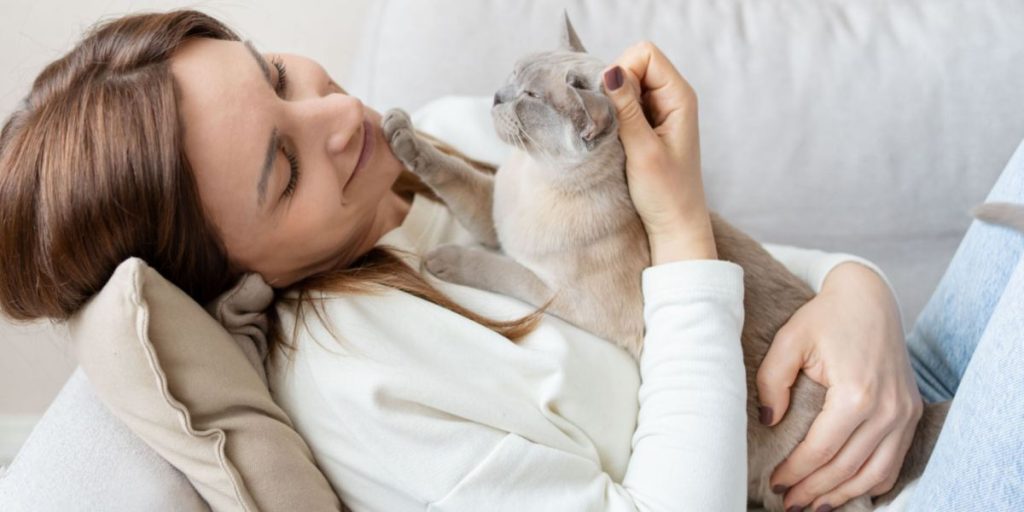
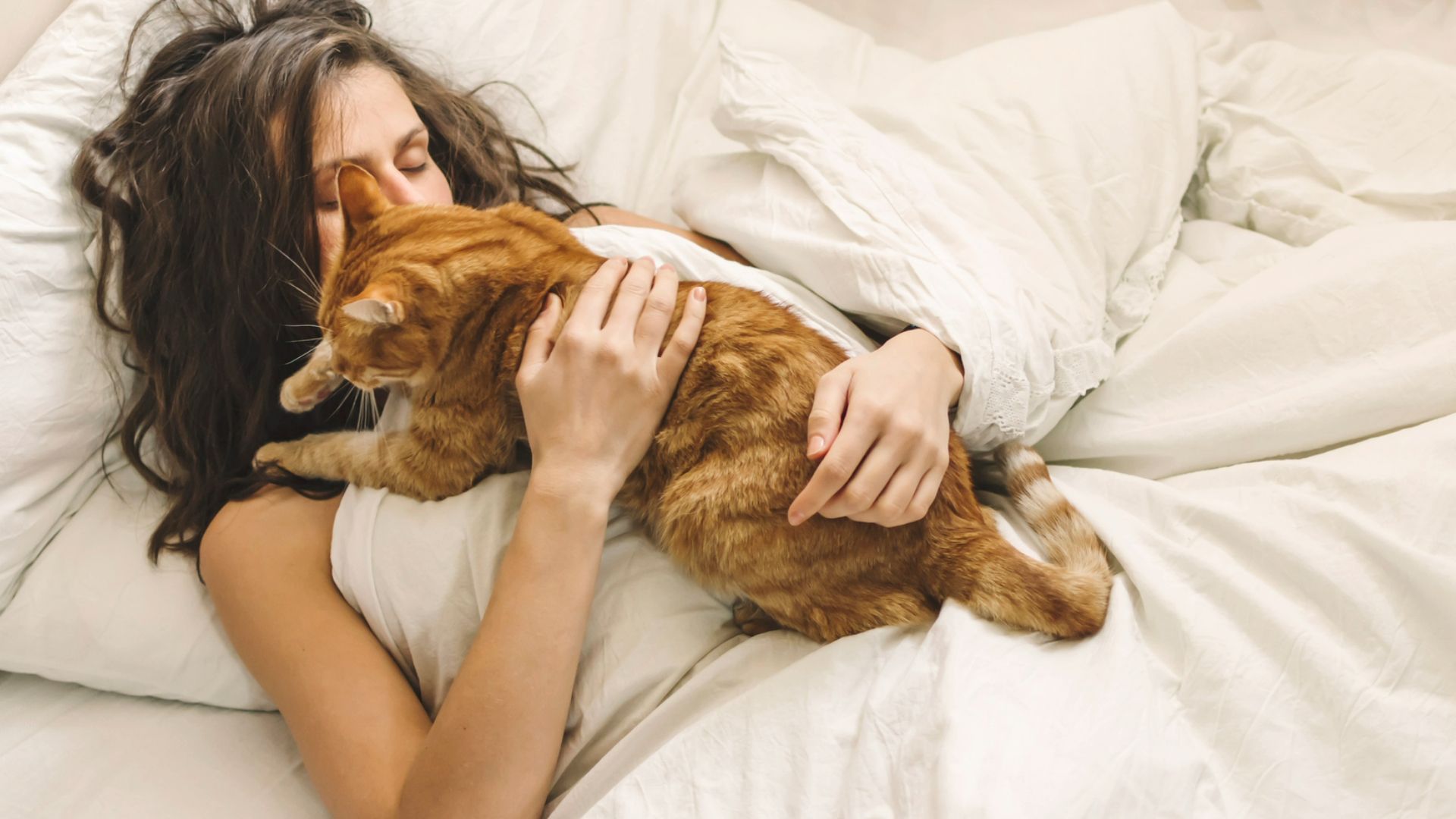
Why does my cat lay on my chest is one of the most searched cat behavior questions in 2026. If you have ever found your furry friend curled up on your chest, you already know how warm and comforting that moment feels.
But what is really behind this behavior? Is it love, instinct, warmth, or something deeper? Cats do nothing without reason, and choosing your chest as their favorite resting spot carries meaningful signals about trust, bonding, and emotion.
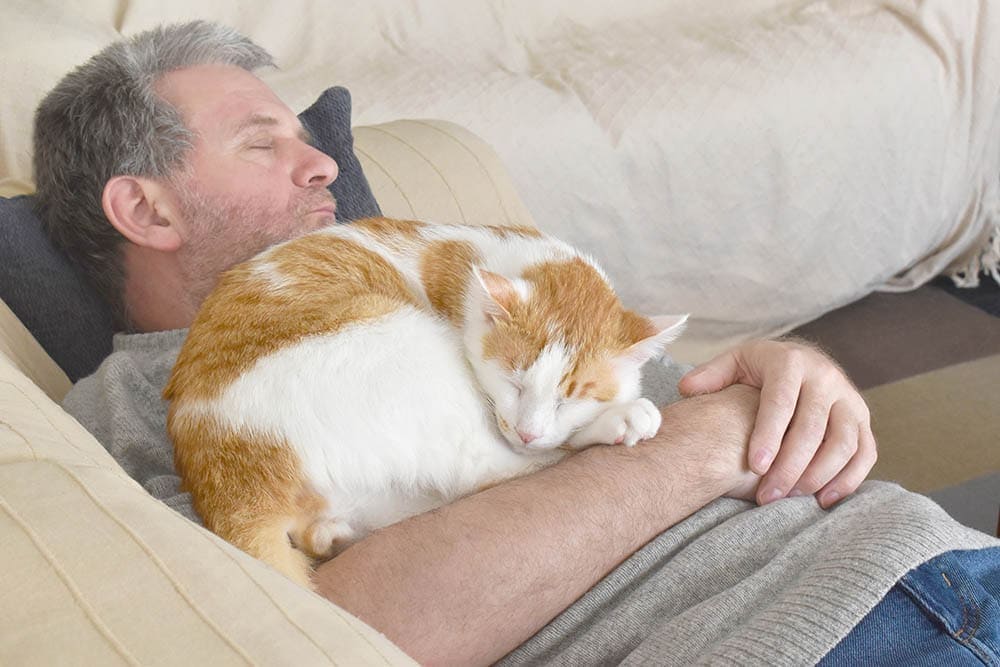
When your cat lays on your chest, it is one of the clearest signs of deep trust and affection in the feline world. Cats are naturally cautious animals who carefully choose where and with whom they sleep.
By resting on your chest, your cat is saying they feel completely safe with you. This is a significant gesture because sleep is when cats are at their most vulnerable.
It is a sign of emotional bonding, comfort-seeking, and attachment that most cat owners should feel proud of.
Your cat choosing to sleep on your chest is the ultimate trust signal. Cats are wary by nature and they do not show vulnerability around just anyone.
Sleeping on you means your cat views you as a safe person, a protector, and their chosen companion. This trust is earned through consistent care, gentleness, and mutual respect.
It is one of the most meaningful things a cat can express toward a human.
Cats are heat-seekers by nature. They gravitate toward sunbeams, warm laptops, and cozy blankets for exactly this reason.
Your chest and face are among the warmest parts of your body. A cat with thin fur, older age, or one living in a cooler environment will especially seek out your body warmth.
In cooler months or at night, expect your cat to press close and absorb as much heat as possible from you.
The steady rhythm of your heartbeat has a deeply calming effect on cats. As kittens, they snuggled against their mother’s belly and felt her heartbeat constantly.
When your cat rests on your chest, that rhythmic sound and sensation can bring back those feelings of safety and nourishment from kittenhood.
It is a primal comfort that connects to the earliest and most secure memories of their life.
Cats have scent glands on their cheeks, paws, and chin. When they rest on your chest, they are subtly transferring their scent onto you.
This is not aggressive territory marking. It is a way of saying you belong to their trusted inner circle, their family unit.
By scenting you, your cat feels more secure in their environment because your familiar smell surrounds them during rest.
The steady rise and fall of your chest as you breathe creates a gentle, rhythmic motion that cats find deeply calming. It mimics the safety signals they experienced with their mother.
Cats are highly observant of breathing patterns, and a slow, calm breath from their trusted human signals that everything is safe and peaceful.
This is one reason your cat often chooses to lie on you during quiet evenings or when you are asleep.
Cat imprinting happens when a cat forms a deeply secure attachment to a specific person or animal. Cats who have imprinted on you show strong preference for your presence.
When a cat has imprinted on you, lying on your chest becomes a way to reinforce that bond and stay as close as possible to the person they feel most connected to.
Not every cat imprints on their owner, so if yours does this consistently, it is a particularly special sign.
Cats sometimes become clingier when they feel stressed or anxious. If something has changed in your home, such as a new pet, a move, or a shift in routine, your cat may suddenly seek more chest time.
This behavior is their way of self-soothing by pressing close to the person who makes them feel most secure.
Watch for other signs of anxiety, such as excessive grooming, hiding, or changes in appetite, alongside increased clinginess.
Cats are perceptive animals capable of detecting shifts in human mood, stress levels, and even illness. Research suggests cats can sense emotional changes in their owners.
When you are sad, unwell, or stressed, your cat may choose to lie on your chest more than usual as an instinctive comfort response.
Many owners report their cats becoming noticeably more affectionate during times of personal difficulty, grief, or illness.
In the cat world, physical closeness is a powerful form of social communication. Cats who groom each other, rub faces, or sleep in contact are displaying strong social bonds.
When your cat lies on your chest, they are treating you the way they would treat a trusted feline companion. You have been accepted as part of their social group.
This behavior is especially meaningful because cats typically reserve this level of contact for only their closest bonds.
Sometimes the reason is straightforward. Your cat wants your attention, and lying on your chest is the most effective way to get it.
If they have learned that settling on your chest results in petting, cuddles, or simply time with you, they will repeat it because it works.
Cats are highly intelligent animals that quickly learn which behaviors produce the responses they enjoy most.
Cats are territorial, but in a loving sense with the people they bond with. Lying on you is a gentle claim that you are their person.
By pressing close and leaving their scent on you, they establish a social ownership that feels reassuring to them. It is their way of saying you are part of the family.
This behavior is most common in cats who live in multi-pet households and want to establish their special relationship with their favorite human.
If your cat kneads your chest before settling, this is called “making biscuits” and it is a direct callback to kittenhood. Kittens knead their mother’s belly to stimulate milk flow.
When your adult cat kneads you, it means they associate you with the warmth, comfort, and nourishment of their earliest safe memories.
It is a deeply affectionate behavior that signals your cat feels completely at ease with you.
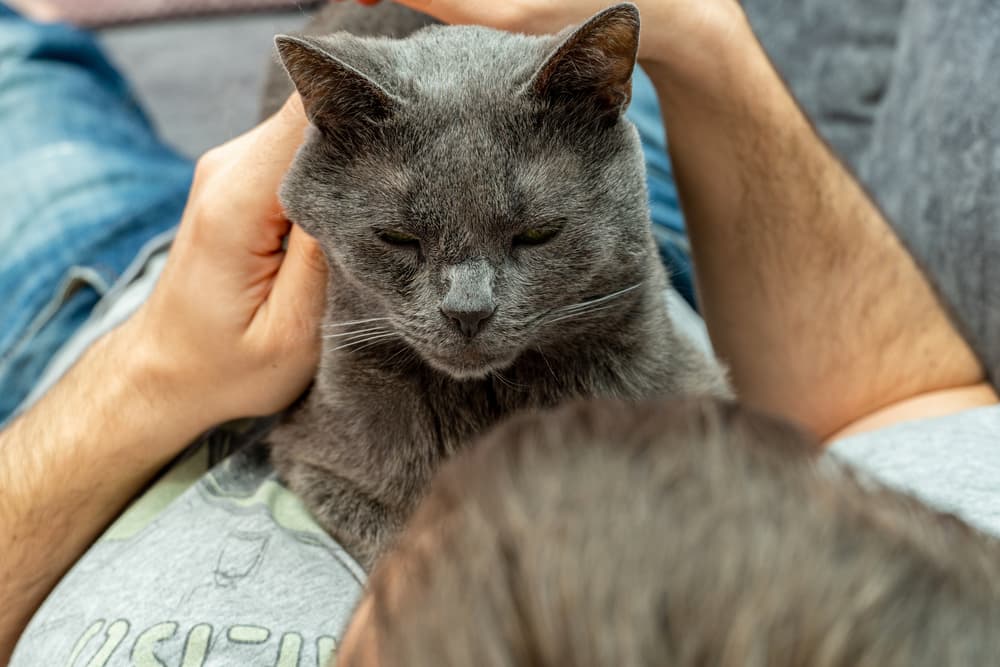
Understanding what your cat’s body is telling you while they rest on you adds another layer to interpreting this behavior.
| Body Language Signal | What It Means |
|---|---|
| Purring | Contentment and relaxation, or self-soothing |
| Slow blinking | Deep trust and affection, a feline “I love you” |
| Kneading your chest | Feels safe, recalling kitten comfort with mother |
| Tucked paws (loaf position) | Fully relaxed and comfortable |
| Tail wrapped around body | Content and settled |
| Eyes half-closed | Total relaxation and trust |
| Head butting (bunting) | Affectionate marking and bonding |
| Twitching tail | Mild agitation, may need space soon |
This behavior is not only meaningful for your cat. It carries real health benefits for you as well.
The act of stroking a cat and listening to their purr has been shown to lower cortisol levels, the primary stress hormone in humans. Even a few minutes of contact can shift your mood measurably.
Research has found that interacting with cats can reduce feelings of loneliness, lower negative moods, and increase feelings of emotional well-being.
Studies have found that petting a cat lowers blood pressure in both short and long-term periods. The calming effect of their warmth and purring helps regulate your cardiovascular system.
A UK-based study found that the presence of a cat on your chest or lap can measurably reduce heart rate alongside blood pressure.
Cat purrs fall in a frequency range of 25 to 150 Hz. Sound researcher Dr. Elizabeth von Muggenthaler found that cats purr at frequencies used therapeutically for pain relief, wound healing, and reducing inflammation.
A purring cat on your chest may genuinely be delivering subtle vibrational therapy as they rest, promoting tissue healing and physical relaxation.
Having your cat close while you rest creates a sense of companionship that can reduce feelings of isolation. For people who live alone, this physical comfort is especially meaningful.
Many cat owners report sleeping more soundly when their cat is present, due to the calming effect of their warmth and rhythmic purring.
| Where Your Cat Sleeps | What It Signals |
|---|---|
| On your chest | Deep trust, strong bond, warmth-seeking |
| On your lap | Affection and companionship, comfort |
| At your feet | Trust with desire for independence |
| Beside you but not on you | Attachment while maintaining personal space |
| On your pillow near your face | Extremely strong bond, close attachment |
| In a hidden corner | Privacy-seeking, normal independent behavior |
| On your clothes or belongings | Comfort from your scent when you are away |
Many cultures and spiritual traditions attach deeper meaning to this behavior. While these interpretations are not scientifically verified, they carry cultural weight and personal resonance for many cat owners.
In spiritual belief systems, the chest is home to the heart chakra, known as Anahata, which governs love, connection, and emotional healing. Some believe a cat resting on your chest is aligning with this energy center.
The idea is that the cat is either drawing in healing energy or channeling calming energy back to you through the warmth and vibration of their purring.
In ancient Egyptian culture, cats were revered as divine protectors and were associated with the goddess Bastet, who represented home, love, and fertility.
Many spiritual traditions view cats as guardians who protect their owners from negative energy, especially during sleep when humans are considered spiritually open and vulnerable.
Some spiritual practitioners believe cats are sensitive to energy fields and will position themselves near areas of their owner’s body that need support or healing.
If you are going through emotional difficulty, illness, or a period of stress, your cat lying on your chest may be their intuitive response to your need for comfort and energetic balance.
While chest-laying is almost always a positive behavior, certain changes deserve attention.
| Change in Behavior | Possible Meaning |
|---|---|
| Suddenly much clingier than usual | Stress, anxiety, or feeling unwell |
| Stops chest-laying after always doing it | Change in environment or health concern |
| Excessive clinginess plus vocalizing | May indicate pain or illness |
| Laying on chest plus unusual breathing | Visit the vet to check for respiratory issues |
| Restless on your chest, cannot settle | Anxiety or physical discomfort |
If you notice any of these signs, a visit to your veterinarian is always a good idea to rule out underlying health concerns.
Create a calm, relaxed environment where your cat feels safe. Move slowly, speak softly, and let your cat approach you on their terms.
Use positive reinforcement by offering gentle pets when your cat settles on you. Never force or restrain your cat, as this destroys the trust that makes the behavior possible.
If you find chest-sleeping uncomfortable or it disrupts your sleep, redirect rather than reject. Place a warm, soft blanket or a piece of your worn clothing in a bed near where you sleep.
Your familiar scent on the blanket will attract your cat to that spot while still keeping them close to you. Reward them with attention and treats when they use their own space.
Never abruptly push your cat away, as this can damage trust and cause anxiety.
Not all cats lay on their owner’s chest equally. Several factors shape how often and how intensely a cat seeks this kind of contact.
| Factor | How It Affects the Behavior |
|---|---|
| Breed | Some breeds like Ragdolls and Burmese are naturally more affectionate |
| Early socialization | Cats handled gently as kittens tend to be more physically affectionate |
| Individual personality | Some cats are naturally independent regardless of bond strength |
| Age | Kittens and older cats often seek more physical contact |
| Season or temperature | More frequent in winter or cooler weather |
| Your activity level | Cats seek chest time when you are calm, still, and restful |
| Multi-pet household | May increase if cat is claiming their preferred human |
Purring is the most associated sound with a cat resting on your chest, but its meaning is nuanced.
Purring most commonly signals contentment and happiness. When your cat purrs on your chest, they are telling you they are fully relaxed and at ease.
However, cats also purr when self-soothing during stress or mild discomfort. The context and accompanying body language tell you which kind of purr you are hearing.
A slow, deep purr with relaxed posture and half-closed eyes is pure contentment. A higher-pitched, faster purr alongside tense body language may indicate your cat needs reassurance.
Both male and female cats can be chest-layers, but there are some general behavioral tendencies worth knowing.
| Behavior Aspect | Male Cats | Female Cats |
|---|---|---|
| Affection style | Often more openly affectionate and persistent | May be more selective about when and how |
| Territorial marking | Slightly more inclined to scent-mark their person | Also marks but may be subtler |
| Clinginess when stressed | Common, may vocalize more | Common, may become more withdrawn |
| Protective chest-laying | Common in bonded males | Common in bonded females |
Individual personality always matters more than gender when predicting this behavior.
Your cat is expressing contentment, trust, and affection. The purring signals they are fully relaxed and feel completely safe resting on you.
For most people it is fine and even beneficial, reducing stress and lowering blood pressure. Avoid it if you have allergies or respiratory sensitivities.
A change in routine, stress, new pets, or a health issue can prompt clingier behavior. A vet check is wise if this is paired with other behavioral changes.
Many traditions believe it signals trust, heart chakra alignment, emotional healing, and spiritual protection being offered to you by your cat.
Cats may be drawn to areas of your body that are unwell or stressed. Their purring vibrations (25–150 Hz) have been linked to promoting physical relaxation and tissue healing.
Your cat is watching you because they are alert to your reactions and communicating affection. Slow-blink back at them to return the signal of trust.
Nighttime is cooler and you are still, making you the perfect warm, calm resting surface. Cats also feel most vulnerable at night and seek the security of their bonded human.
Yes. It is one of the clearest signs of feline affection. Cats who do not trust or feel bonded with a person will not sleep on them.
Only if it is uncomfortable, disrupts your sleep, or causes health issues. Otherwise it is a perfectly healthy and beautiful bonding behavior to enjoy.
Kneading is a kittenhood behavior linked to nursing from their mother. Your cat associates you with that early warmth and security, which is a deeply affectionate signal.
Why does my cat lay on my chest comes down to a beautiful combination of trust, warmth, instinct, and love. Your cat has chosen you as their safe space, their warmth source, and their most trusted companion.
Every time they settle on your chest, they are communicating something that words cannot fully express in the feline world.
Whether it is the soothing rhythm of your heartbeat, the warmth of your body, the comfort of your scent, or simply the fact that you are their person, this behavior is one of the most meaningful things a cat can offer.
Enjoy these moments fully, respond with gentle pets and calm energy, and know that your cat trusts you with something very precious to them: their most vulnerable, unguarded self.