
Why am I so sensitive? If you ask yourself this question often, you are not broken, flawed, or weak. Sensitivity is a real, researched, and biologically grounded trait that affects roughly 15 to 20 percent of the global population.
It has a name, a science, and a clear set of strategies that make it easier to manage.
Emotional sensitivity means your brain and nervous system react more strongly to emotions, stress, and sensory input than average. You feel things deeply — both good and bad — and your reactions are more intense than what others seem to experience.
This is not a personality flaw. Psychologist Dr. Elaine Aron, who coined the term Highly Sensitive Person in the 1990s, describes it as a trait, not a disorder. It means your brain is simply wired to process information more deeply and thoroughly.
Being emotionally sensitive is different from being just emotional. Emotional responses can be temporary and triggered by circumstances. Sensitivity, by contrast, is a consistent, ingrained part of how your nervous system works.
The official scientific term for this trait is Sensory Processing Sensitivity, or SPS. Research using fMRI scans shows that HSPs have significantly higher activation in brain areas linked to empathy, self-awareness, and attention to detail.
Your brain is not just picking up more information — it is processing that information at a much deeper level. You are essentially reading more layers of meaning from every situation, interaction, and environment around you.
The amygdala is your brain’s alarm system. In highly sensitive people, it tends to be more reactive to both positive and negative stimuli. This is why a beautiful piece of music can move you to tears, and a mild criticism can feel completely devastating.
Research also shows that sleep deprivation worsens amygdala reactivity dramatically. Even one poor night of sleep can increase emotional reactivity by up to 60 percent, because the connection between the amygdala and the prefrontal cortex — the part of your brain that regulates emotions — weakens significantly.
HSPs appear to process dopamine differently. Their brains extract more reward from positive experiences, which is why beauty, art, and connection feel so meaningful. But the same system makes ordinary stress feel more overwhelming.
Serotonin pathways also play a role. Variations in the serotonin transporter gene have been linked to greater emotional sensitivity and a stronger stress response.
| Cause | How It Affects You |
|---|---|
| Genetics and biology | Inherited nervous system wiring that processes deeply |
| Childhood environment | Emotionally unpredictable homes increase sensitivity |
| Trauma and past wounds | Nervous system learns to stay on high alert |
| Hormonal changes | Menstrual cycle, pregnancy, and puberty spike sensitivity |
| Sleep deprivation | Weakens emotional regulation significantly |
| Chronic stress | Keeps the nervous system in a reactive state |
| Mental health conditions | Anxiety, depression, ADHD, and BPD all increase sensitivity |
| Neurodivergence | Autism and ADHD commonly involve sensory sensitivity |
| Poor nutrition or blood sugar | Low blood sugar directly worsens mood and emotional control |
Research shows that three sets of genes may contribute significantly to high sensitivity. These genetic markers influence how the brain processes stimuli, how easily emotions are triggered, and how quickly the nervous system returns to a calm baseline after stress.
This means sensitivity can run in families. If a parent or sibling is highly sensitive, you are more likely to share the trait. It is not something that happened to you — it was partly there from the beginning.
Growing up in an emotionally unpredictable, critical, or chaotic household trains the nervous system to stay alert. Children who experienced inconsistent caregiving, frequent conflict, or emotional neglect often develop heightened sensitivity as a protective mechanism.
Even positive but high-pressure environments can wire a child toward sensitivity. Being raised with very high expectations can teach the brain to scan constantly for mistakes, criticism, or disapproval.
Traumatic experiences — whether a single major event or repeated smaller stressors — can permanently shift the nervous system into a more reactive state. The brain learns to perceive threats where others see nothing alarming.
This is known as hypervigilance. It is your body trying to protect you. But it also means you startle more easily, feel overwhelmed faster, and experience emotions with much greater intensity than people without that history.
Hormones have a direct impact on emotional sensitivity. For women, estrogen and progesterone fluctuations throughout the menstrual cycle create predictable emotional patterns — with heightened sensitivity in the days before menstruation.
Pregnancy and postpartum periods bring even more dramatic hormonal shifts. Teenagers of all genders experience surges in stress hormones during puberty. This explains why emotional sensitivity often peaks during adolescence.
When you are sleep-deprived, your prefrontal cortex cannot effectively calm the amygdala. This is why everything feels worse after a poor night of sleep — you are literally less capable of regulating your emotions.
For highly sensitive people, sleep is not optional. It is one of the most powerful tools for managing emotional intensity. Even one hour of extra sleep can create a noticeable difference in emotional resilience.
Several mental health conditions are closely linked to heightened emotional sensitivity. Understanding the overlap helps you know when to seek professional support.
| Condition | How It Relates to Sensitivity |
|---|---|
| Anxiety Disorder | Keeps the nervous system in constant alert mode |
| Depression | Numbs some emotions, intensifies others like sadness and shame |
| Borderline Personality Disorder (BPD) | Causes extreme emotional swings and fear of rejection |
| ADHD | Linked to Rejection Sensitive Dysphoria (RSD) |
| Autism Spectrum | Often involves intense sensory and emotional sensitivity |
| PTSD | Creates hypervigilance and exaggerated emotional responses |
RSD is a specific form of emotional sensitivity linked strongly to ADHD and sometimes autism. It causes extreme, overwhelming emotional pain in response to perceived or real rejection, criticism, or failure.
People with RSD often describe the feeling as unbearable — far out of proportion to the triggering event. It is not a character weakness. It is a neurological response rooted in how the ADHD brain processes emotional stimuli.
You do not need a formal diagnosis to identify as highly sensitive. These are the most widely recognized signs from current research.
You feel deeply moved by music, art, or nature. You are emotionally affected by movies, books, or other people’s stories. Loud noises, bright lights, or chaotic environments drain your energy fast. You notice subtle changes in other people’s moods before they say anything. You need quiet downtime after social events to recover. You are bothered by clothing tags, textures, or physical discomfort others ignore. You think deeply about decisions and often replay conversations afterward. Criticism hits you harder than it seems to hit other people. You have a strong sense of empathy and often feel what others are feeling. You are highly conscientious and often go out of your way to avoid making mistakes.
Dr. Aron’s research identified four core dimensions of high sensitivity, summarized with the acronym DOES.
D — Depth of Processing: HSPs process information more thoroughly than others. They think through all angles of a situation, reflect deeply, and consider long-term consequences.
O — Overstimulation: Because they process so deeply, HSPs reach sensory and emotional overload faster. Busy environments, long social events, and heavy workloads are more draining.
E — Emotional Reactivity and Empathy: HSPs experience stronger emotional highs and lows. They are also more attuned to the emotions of those around them.
S — Sensitivity to Subtleties: HSPs pick up on small details — micro-expressions, background noise, changes in tone — that others miss entirely.
No. High sensitivity is not a diagnosis. Sensory Processing Sensitivity is classified as a personality trait, like introversion or conscientiousness — not a mental health disorder.
That said, sensitivity can co-occur with anxiety, depression, ADHD, autism, or PTSD. It can also be mistaken for these conditions, and vice versa. If your sensitivity is significantly interfering with daily life, work, or relationships, it is worth speaking with a mental health professional — not to “fix” the sensitivity, but to get proper support.
About 70 percent of HSPs identify as introverts, though introversion and sensitivity are separate traits. There are also extroverted HSPs who love social connection but still need recovery time after intense interactions.
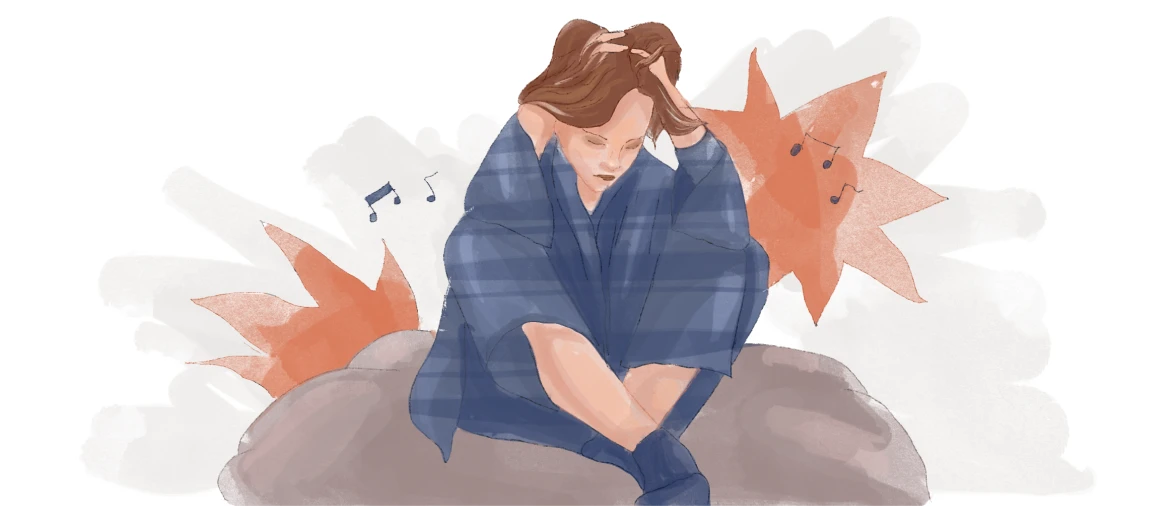
Sensitivity is often talked about as a burden. But research consistently shows it comes with significant strengths.
HSPs tend to show higher levels of empathy, making them natural caregivers, counselors, and close friends. They are often deeply creative, drawn to art, music, writing, and design. Their attention to detail makes them excellent problem solvers, editors, and analysts. Their strong moral compass drives them toward fairness, advocacy, and meaningful work. They form deep, meaningful relationships rather than broad superficial ones. They often notice things others miss — in conversations, environments, and data.
These are not small advantages. They are genuine gifts that highly sensitive people bring to their families, workplaces, and communities.
The single most powerful shift for many sensitive people is learning that there is a name for what they experience. Discovering the HSP framework removes the shame of feeling “too much” and replaces it with understanding.
Read Dr. Elaine Aron’s work, take the HSP self-test at hsperson.com, and start treating your sensitivity as information rather than a problem.
Sleep is non-negotiable for emotional regulation. Set a consistent bedtime, reduce screens one hour before bed, and aim for 8 to 9 hours if possible. A bedtime routine — herbal tea, dim lighting, gentle reading — helps the nervous system wind down.
This single habit has the most immediate and measurable impact on emotional reactivity for HSPs.
Sensitive people are natural empaths and often absorb others’ stress. This makes clear boundaries essential — not selfish. Learning to say no to overwhelming commitments is a form of self-care, not self-ishness.
Start with small boundaries in low-stakes situations and build confidence gradually. Practice phrases like “I need a bit of time before I respond to that” or “I can’t commit to that right now.”
Social events, busy environments, and emotional conversations all cost energy. Build deliberate decompression time into your daily routine — quiet time alone, a short walk, or simply sitting in silence.
This is not laziness. It is essential maintenance for a nervous system that runs at a higher intensity than average.
Mindfulness teaches you to observe emotions without being swept away by them. Even five minutes of daily practice — focused breathing, body scans, or mindful walking — builds the prefrontal cortex’s ability to regulate the amygdala.
A simple technique: breathe in for four counts, hold for four, exhale for four. Use this anywhere, any time you feel overwhelmed beginning.
Writing about your feelings externalizes them, which reduces their intensity. Regular journaling helps HSPs identify patterns in what triggers them, process complex emotions at their own pace, and track what coping strategies are working.
Even five to ten minutes before bed can make a significant difference in emotional clarity.
Low blood sugar directly worsens emotional regulation. For highly sensitive people, hunger can trigger significant irritability, anxiety, and emotional volatility. Eating regular balanced meals and keeping healthy snacks available is a practical and underrated coping strategy.
Reduce caffeine and alcohol, both of which amplify the nervous system’s reactivity and worsen sleep quality.
Your home environment matters more for HSPs than for less sensitive people. Reduce clutter, use soft lighting, add plants or natural elements, and designate a space specifically for decompression and quiet.
Even a single comfortable chair in a low-stimulus corner of a room can serve as your nervous system’s reset button.
For HSPs, the constant stream of news, social media, and notifications creates chronic overstimulation. Implement boundaries around technology — no phone during meals, a social media time limit, and a complete phone-free hour before bed.
Curate your media input deliberately. Choose one trusted news source per day rather than scrolling endlessly. What you take in mentally affects your emotional baseline significantly.
Many HSPs suffer in silence because they have been told their sensitivity is “too much.” Learning to communicate your needs — in relationships, at work, and with family — is essential.
Use clear, non-blaming language: “I feel overwhelmed in loud environments — can we choose somewhere quieter?” This protects your wellbeing while maintaining connection.
Cognitive Behavioral Therapy (CBT) helps identify and reframe thought patterns that amplify emotional reactions. Dialectical Behavior Therapy (DBT) provides specific skills for managing emotional intensity. Both are well-suited for highly sensitive individuals.
Look for a therapist who understands and validates high sensitivity rather than trying to eliminate it.
The cultural message that sensitivity is weakness is simply wrong. Your ability to feel deeply, connect empathetically, and notice what others miss is genuinely valuable. Practice catching self-critical thoughts like “I’m too sensitive” and replacing them with “I feel deeply, and that is a strength.”
This is not toxic positivity. It is an accurate reframing based on what the research actually shows.
| Strategy | Why It Works | Time Required |
|---|---|---|
| Sleep routine | Restores prefrontal cortex regulation | 8–9 hours |
| Mindfulness breathing | Calms amygdala reactivity | 5–10 min/day |
| Journaling | Externalizes and processes emotions | 5–10 min/day |
| Boundary setting | Protects energy from drain | Ongoing practice |
| Scheduled downtime | Resets an overstimulated nervous system | 30–60 min/day |
| Balanced meals | Stabilizes blood sugar and mood | Every meal |
| Digital limits | Reduces chronic overstimulation | 1–2 hours less |
| Therapy (CBT/DBT) | Builds long-term emotional regulation skills | Weekly sessions |
HSPs often form the deepest, most loyal bonds of anyone. But relationships can also be uniquely challenging.
You may absorb your partner’s stress as your own. Conflict feels much more painful and takes longer to recover from. Criticism, even gentle, can land with disproportionate force. You need more verbal reassurance and emotional safety than average.
These are not impossible needs. They are manageable needs — when communicated clearly. Healthy relationships for HSPs depend on mutual understanding, clear communication, and partners who respect the need for quiet recovery time.
HSPs in the workplace often excel in roles that require empathy, creativity, attention to detail, and deep thinking. They tend to struggle in loud, open-plan offices, high-conflict team environments, and roles with constant interruptions.
If you are highly sensitive, consider: advocating for flexible work arrangements, using noise-canceling headphones, scheduling focus blocks of uninterrupted work, taking breaks outdoors or in quiet spaces, and seeking roles that align with your depth of processing — writing, research, counseling, design, and similar fields.
Sensitivity itself is not a problem. But when it begins significantly interfering with your ability to function, work, or maintain relationships, support is available and effective.
See a mental health professional if you feel emotionally overwhelmed most of the time, if sensitivity is contributing to anxiety or depression, if you suspect RSD, PTSD, or another co-occurring condition, or if coping strategies alone are not providing enough relief.
Therapy, medication (when appropriate for co-occurring conditions), and support groups for HSPs can all make a meaningful difference.
Crying easily is a common sign of high sensory processing sensitivity — your nervous system experiences emotions at a deeper intensity. It is a biological trait, not a weakness, affecting 15 to 20 percent of people.
No. High sensitivity (Sensory Processing Sensitivity) is a personality trait, not a disorder. However, it can co-occur with anxiety, depression, ADHD, or autism, which are separate conditions that may benefit from professional treatment.
Yes. Research identifies specific genetic markers linked to high sensitivity, particularly in how the nervous system processes serotonin and dopamine. It commonly runs in families across generations.
You likely have a naturally more reactive nervous system — a trait called Sensory Processing Sensitivity. About 15 to 20 percent of people share it, meaning it is uncommon but far from rare or abnormal.
HSPs process feedback more deeply and personally than others, and the amygdala responds more strongly to perceived negative evaluation. This is neurological, not a character flaw, and can be managed with practice and therapy.
Yes. Anxiety keeps the nervous system in a heightened state of alert, which amplifies emotional and sensory sensitivity significantly. Treating anxiety often reduces overall emotional reactivity as well.
Hormonal fluctuations — specifically dropping estrogen and progesterone levels in the days before menstruation — directly affect emotional regulation centers in the brain, making sensitivity spike noticeably.
You cannot change your core trait, but you can build better emotional regulation skills, healthier coping habits, and stronger boundaries. Most HSPs report that their sensitivity becomes much easier to manage with the right strategies in place.
They overlap significantly. HSPs process emotions deeply and pick up on others’ feelings, which is often described as empathy. Being an empath is a more informal term, while HSP is a research-based psychological concept.
Seek professional help if sensitivity is significantly disrupting your daily functioning, relationships, or mental health, or if you suspect it is connected to anxiety, depression, ADHD, PTSD, or another condition that deserves proper diagnosis.
Why am I so sensitive? Because your nervous system is wired to process the world more deeply than most people — and that is not something to fix.
It is something to understand, honor, and manage skillfully. You belong to the 15 to 20 percent of people whose brains are biologically designed for depth, empathy, and heightened awareness.
The causes range from genetics and childhood environment to hormones, sleep, and mental health conditions. The good news is that every single one of these factors can be addressed.
Sleep, boundaries, mindfulness, therapy, proper nutrition, and self-compassion are not luxury suggestions — they are the practical tools that give sensitive people the ability to thrive.
Stop trying to become less sensitive. Start building a life that works with your sensitivity instead of against it.
The world genuinely needs people who feel deeply, notice what others miss, and care with their whole heart. That person is you, and in 2026, there is more support, research, and community available for highly sensitive people than ever before.