

Why does my car smell like burning oil is one of the most alarming questions a driver can ask while sitting in traffic with a strange, acrid odor drifting through the vents. In most cases, this smell means oil is leaking onto a hot engine part, like the exhaust manifold, and burning off on contact.
It can also point to overfilled oil, a failing gasket, or an overheating engine. Ignoring this smell can lead to serious engine damage or even a fire risk.
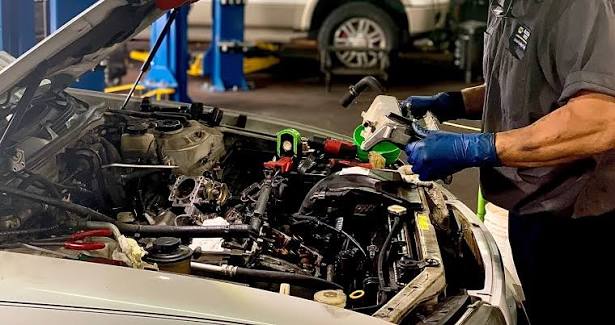
Yes, a burning oil smell should always be taken seriously. It usually signals oil escaping its normal path and contacting a hot surface.
While the cause is not always an emergency, ignoring the smell for too long can lead to expensive engine damage down the road.
Burnt oil typically has a thick, acrid, slightly bitter odor. It is noticeably different from a sweet coolant smell or an electrical burning scent.
Most drivers describe it as a hot, oily smell that gets stronger after driving or while the engine idles for a while.
Several common issues can trigger this smell. Understanding each one helps you figure out what’s happening under the hood before it gets worse.
This is the most frequent cause of a burning oil smell. Oil drips from a leaking gasket or seal directly onto the hot exhaust manifold.
Once oil hits that surface, it burns almost instantly, producing both the smell and sometimes visible light smoke from under the hood.
The valve cover gasket seals oil inside the top of the engine. Over time, heat and age cause this rubber or cork seal to crack and leak.
Leaking oil often pools near spark plugs or drips onto hot components below, creating a strong and persistent burning odor.
Adding too much oil during a change creates excess pressure inside the engine. This pressure can force oil into areas it should never reach.
Excess oil pushed into the crankcase breather or combustion chamber burns off, producing smoke and that unmistakable burnt oil smell.
A rushed or careless oil change can leave residual oil on the engine block or exhaust components. This oil burns off over the following days.
This cause is usually harmless and temporary, often disappearing within a day or two of driving once the residue fully burns away.
These seals sit deeper inside the engine and are trickier to diagnose. When they harden and crack, oil drips near hot moving components.
A small oil stain under the parked car is often the only visible clue pointing to this less obvious leak source.
The oil pan holds the engine’s oil supply at the bottom of the engine. Cracks or loose drain plugs allow oil to escape and drip onto hot parts.
This leak is usually easier to spot, since oil pooling under the front of the vehicle is a clear visual warning sign.
The PCV valve relieves pressure from the engine’s crankcase. When clogged, that pressure has nowhere to go except through weak points like gaskets.
A failing PCV valve can indirectly cause new leaks in seals that were previously fine, creating a burning smell that seems to appear suddenly.
An overheating engine can cause oil to break down and burn faster than normal. Old or thin oil is especially vulnerable to this issue.
If the temperature gauge is climbing above normal while the smell appears, pull over safely and let the engine cool before continuing.
Persistent burning smells that don’t go away after cleaning and gasket repairs may point to worn piston rings or valve guide seals.
These issues allow oil to enter the combustion chamber and burn internally, which typically requires more advanced diagnostic work and repair.
Quick Reference Table: Common Causes and Severity
| Cause | Severity | Typical Fix |
|---|---|---|
| Oil spill from recent oil change | Low, usually harmless | Cleans off naturally within days |
| Overfilled oil | Low to moderate | Drain to correct level |
| Valve cover gasket leak | Moderate | Gasket replacement |
| Clogged PCV valve | Moderate | PCV valve replacement |
| Camshaft/crankshaft seal leak | Moderate to high | Seal replacement |
| Cracked oil pan | Moderate to high | Pan repair or replacement |
| Overheating engine | High | Cooling system inspection |
| Worn piston rings/valve seals | High | Internal engine repair |
This table gives a quick snapshot of how urgent each potential cause typically is.
A burning oil smell rarely travels alone. These accompanying signs help determine how urgently you need professional help.
| Warning Sign | What It May Indicate |
|---|---|
| Visible smoke from under the hood | Active oil leak on a hot surface |
| Low oil warning light | Oil loss from a leak |
| Blue or gray exhaust smoke | Oil burning inside the combustion chamber |
| Engine misfires or rough idle | Oil contaminating spark plugs |
| Rising temperature gauge | Overheating engine, oil breaking down |
| Burning smell paired with a burning rubber odor | Possible leak near belts or hoses |
| Strong smell that worsens after highway driving | Active leak onto hot exhaust components |
If two or more of these appear together, it is best to schedule a diagnostic inspection as soon as possible.
Short distances may be fine if there is no visible smoke or major leak. However, this is not a smell to ignore for long.
If you notice thick smoke, a rapidly dropping oil level, or a rising temperature gauge, stop driving and arrange for a tow or roadside inspection.
Vehicle type plays a large role in how much you’ll pay to fix a burning oil smell. Engine layout determines how much labor a repair requires.
Four-cylinder engines with the valve cover on top are usually straightforward and inexpensive to access. V6 and V8 engines often require removing the intake manifold, which raises labor time and cost significantly.
Luxury and European vehicles typically carry higher labor rates and pricier OEM parts, pushing total repair costs toward the higher end of the range.
A leaking valve cover gasket rarely causes an immediate breakdown, but it should not be ignored for long. Damage tends to build gradually rather than all at once.
After a few dozen miles of continued leaking, oil loss can begin affecting lubrication, and the smell itself may signal oil reaching increasingly sensitive components like spark plugs.
Waiting too long can turn an affordable gasket replacement into a more expensive repair involving spark plugs, ignition coils, or even catalytic converter damage.
Not every burning oil smell traces back to the valve cover gasket, but certain clues make it the likely suspect.
Oily residue coating the outside of the valve cover, oil pooling around spark plug wells, or a burning smell that intensifies during acceleration are all classic signs pointing to this specific gasket.
A low oil warning light appearing more frequently than usual, paired with these symptoms, further strengthens the case for a valve cover gasket leak.
Cleaning the engine bay after any oil leak repair is a small step that makes a big difference in spotting future problems early.
Use a degreaser or brake parts cleaner to remove old oil residue from the block, exhaust manifold, and surrounding components.
A clean engine bay also helps you and your mechanic visually confirm that a repair has actually stopped the leak rather than just masked the smell temporarily.
For engines with mild oil consumption issues rather than an active leak, a few product categories are commonly used to help manage the situation.
| Product Type | Purpose |
|---|---|
| High-mileage synthetic oil | Formulated with seal conditioners for aging engines |
| Stiction eliminators | Help remove internal oil deposits and impurities |
| Engine degreaser | Cleans oil residue from engine bay surfaces |
| PCV valve replacement kits | Restore proper crankcase pressure relief |
| OEM-grade gaskets | Provide a more durable, long-lasting seal |
These products support engine health but are not a substitute for repairing an active leak that a mechanic has identified.
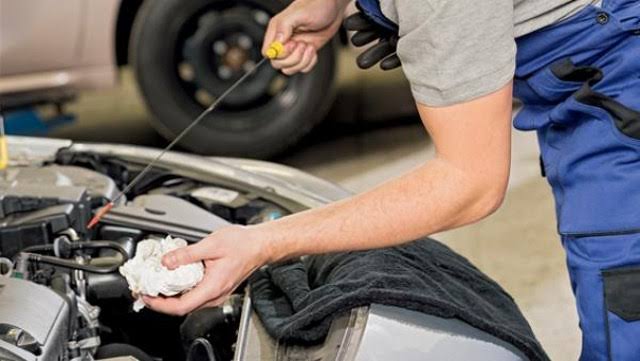
Some habits actually make diagnosing or fixing a burning oil smell harder. Avoiding these mistakes saves time and money in the long run.
Ignoring a persistent smell for weeks or months often lets a small, affordable leak grow into a much larger repair involving multiple components.
Adding oil additives or sealants without knowing the actual cause can mask symptoms temporarily while the underlying leak continues unaddressed.
Skipping the engine bay cleanup after a repair makes it much harder to confirm whether the fix actually worked or a new leak has appeared.
Understanding how a professional approaches this diagnosis can help you feel more confident during a shop visit and ask better questions.
Most mechanics start with a visual inspection, tracing oil residue back toward its source using a flashlight and sometimes a UV dye test for hard-to-spot leaks.
They’ll also check oil level, examine spark plug wells for contamination, and review recent service history, including whether an oil change was performed shortly before the smell appeared.
While gasket leaks and overfilled oil are the most common causes, a few less obvious issues are worth ruling out if the smell persists.
A cracked or brittle oil filler cap can allow oil vapor to escape and settle onto nearby hot surfaces, mimicking a gasket leak.
Aftermarket or improperly seated oil filters can also leak slightly, especially if not tightened to the correct torque during a recent service.
Before heading to a mechanic, a few simple checks can help narrow down the likely cause of the smell.
Check your oil dipstick to confirm the oil level is not overfilled or critically low. Both extremes point toward different problems.
Do a visual walk-around of the engine bay, looking for oil residue, wet spots, or stains near the exhaust manifold or valve cover.
Watch your temperature gauge while driving. A gauge climbing above the normal range points toward overheating as a contributing factor.
Since a leaking valve cover gasket is one of the most common causes, knowing the typical repair cost helps you budget for the fix.
| Cost Factor | Typical Range |
|---|---|
| Gasket part cost | $10 to $124 |
| Labor cost | $60 to $543 |
| Total average repair cost | $110 to $500 |
| High-end V6/V8 or luxury vehicles | Up to $800 |
Prices vary significantly based on engine layout, since V6 and V8 engines often require intake manifold removal for access.
Some burning oil smell causes are simple fixes, while others require specialized tools and experience. Knowing the difference helps you decide the right path.
Cleaning up a spilled oil residue or topping off to the correct oil level are both tasks most drivers can safely handle themselves.
Gasket replacement, seal repair, and internal engine diagnostics are best left to a professional, especially on engines where the valve cover is hard to access.
Simple maintenance habits go a long way toward preventing this issue from returning after a repair.
Always check your dipstick after adding oil and top off only to the recommended level marked on the dipstick itself.
Schedule regular oil changes and inspections, since aging seals and gaskets are far more likely to fail in neglected engines.
Clean any oil residue from the engine bay after a repair. This makes it much easier to spot new leaks early before they worsen.
Different burning smells point to different problems. Telling them apart quickly helps you respond appropriately and avoid unnecessary worry.
| Smell Type | Likely Source | Urgency |
|---|---|---|
| Hot, bitter oil smell | Oil leaking onto hot engine parts | Moderate to high |
| Sweet, syrupy smell | Coolant leak | High |
| Burning rubber smell | Slipping belt or rubbing tire | Moderate |
| Burning plastic or electrical smell | Overheating wires or components | High, stop immediately |
| Hot brake smell | Overheated brakes or dragging caliper | Moderate, let brakes cool |
This comparison table helps you quickly categorize what you are smelling before deciding on next steps.
Many drivers notice the burning oil smell specifically after a drive or while idling right after parking. This pattern has a simple explanation.
As the engine heats up during driving, any leaking oil finally reaches a high enough temperature to burn off, which is why the smell often peaks after the trip ends rather than during it.
A burning smell showing up immediately following an oil change is extremely common and usually not a major concern.
Technicians sometimes spill small amounts of oil onto the engine block during a fill-up. This residue burns off naturally within a day or two of normal driving.
If the smell persists beyond a few days, it is worth having the shop double-check for a missed drip or overfilled oil.
Yes, though it is relatively rare, a severe oil leak onto extremely hot components like the exhaust manifold can ignite and cause a fire.
This risk increases significantly if the leak is heavy and ignored for an extended period, making early diagnosis genuinely important for safety.
The engine heats up during driving, causing any leaking oil to finally burn off on hot surfaces. This is why the smell often peaks right after parking.
Short distances are usually fine if there is no smoke or major leak. It is best to get it checked soon to avoid further damage.
Yes, excess oil creates pressure that forces oil into areas like the crankcase breather. The excess oil then burns off, creating the odor.
Typical repair costs range from $110 to $500, though V6, V8, and luxury vehicles can run higher. Parts alone are usually inexpensive.
This is often just spilled oil residue burning off the engine block. It usually clears up within a day or two of normal driving.
Yes, overheating can cause oil to break down and burn faster. Check your temperature gauge if the smell appears alongside rising heat.
Visible smoke paired with the smell usually confirms active oil leaking onto a hot surface. This warrants prompt inspection to prevent damage.
Yes, a persistent oil leak reduces engine lubrication over time, which increases friction and wear. This can eventually lead to costly engine damage.
Oily residue around the top of the engine usually points to the valve cover gasket. Smells that persist after cleaning may signal deeper internal wear.
Yes, cleaning residual oil helps eliminate lingering smells and makes it much easier to spot any new leaks early.
So, why does my car smell like burning oil? In most cases, the answer comes down to oil escaping its normal path and landing on a hot engine surface, whether from a leaking valve cover gasket, an overfilled oil level, or simple spillage from a recent oil change.
While some causes are harmless and clear up within a day or two, others, like worn seals or internal engine wear, need prompt professional attention to avoid costly damage. Watch for smoke, warning lights, or a climbing temperature gauge as the clearest signs that it is time to get your vehicle inspected.
Simple habits like checking your dipstick after oil changes and cleaning residue from the engine bay go a long way toward preventing this smell from returning. Catching the cause early keeps repair costs manageable and your engine running safely for the long haul in 2026 and beyond.