
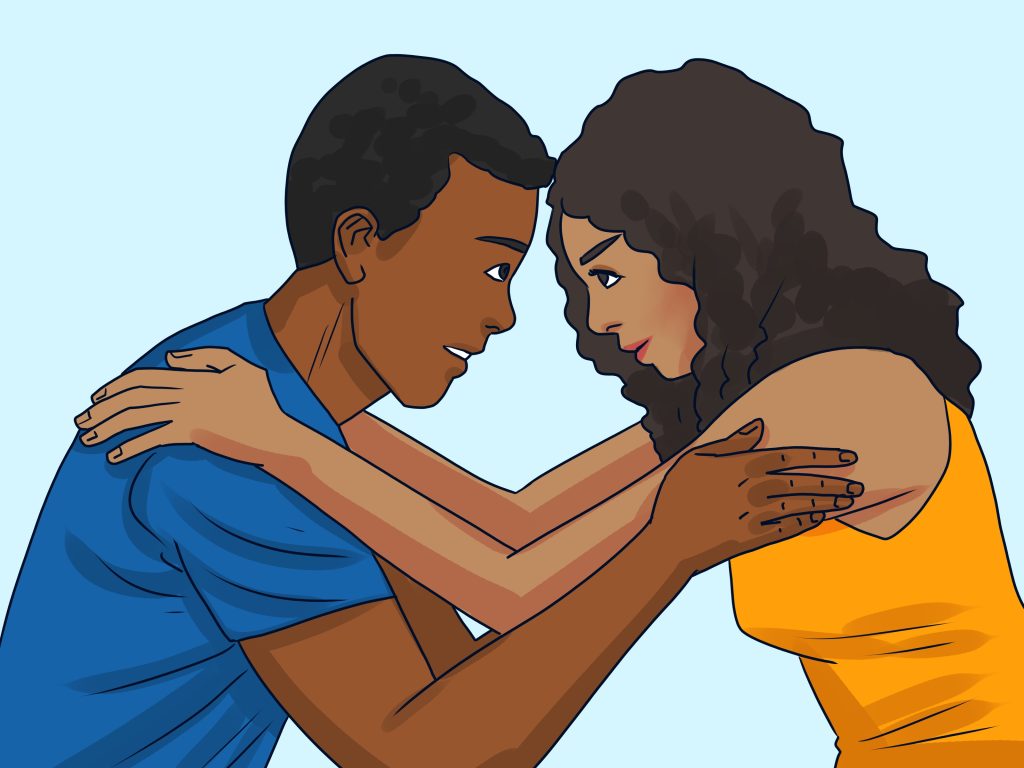
If you’re asking “why do married men cheat,” you’re likely trying to make sense of something confusing and painful. Infidelity rarely has one simple explanation, even when it looks that way from the outside.
Research shows that roughly 20 to 25 percent of married people in the United States report having been unfaithful at some point. Men are historically more likely to cheat than women, though that gap has narrowed in recent decades.

Most infidelity isn’t purely about sex. Research points to a mix of factors, including unmet emotional needs, opportunity, low self-esteem, anger, and a desire for novelty or validation.
Notably, studies have found that a significant share of men who cheat still describe their marriage as happy, suggesting infidelity often reflects a personal or psychological gap rather than only relationship dissatisfaction.
Psychologists generally agree that infidelity is a complex behavior shaped by personality, opportunity, and relationship dynamics together. Reducing it to a single cause oversimplifies what’s actually happening.
Understanding these reasons isn’t about excusing the behavior. It’s about making sense of a painful situation and deciding what comes next.
Even in a marriage without conflict, a man can feel emotionally distant from his partner over time. That quiet disconnection can create an opening he seeks to fill elsewhere.
Some researchers describe infidelity as partly a “crime of opportunity.” When temptation appears with low perceived risk, some men act on it without deep premeditation.
New relationships trigger a rush of excitement and attraction that long-term marriages naturally settle out of. Some men chase that feeling rather than working through the normal shift in long-term intimacy.
Cheating can sometimes be less about the other person and more about seeking external validation. Feeling desired by someone new can temporarily boost a man’s self-image.
Unspoken resentment in a marriage doesn’t always show up as arguments. In some cases, it surfaces instead as infidelity, used as an indirect way to express anger.
A prolonged lack of physical connection can leave a partner feeling rejected or disconnected. For some men, this becomes a factor that contributes to seeking intimacy elsewhere.
Some men simply haven’t developed the emotional maturity needed to navigate commitment and long-term fidelity. This can show up as impulsive decision-making rather than a deliberate plan.
Some men rationalize infidelity by convincing themselves it won’t be discovered or won’t cause real harm. This kind of minimizing thought pattern often precedes the behavior itself.
Some researchers point to biological wiring around bonding and novelty-seeking as a partial explanation. Biology alone doesn’t determine behavior, but it may lower the threshold for some individuals.
Shifting social norms, more privacy through technology, and broader cultural attitudes toward monogamy can all play a role. These outside factors can increase both opportunity and perceived acceptability.

| Myth | What Research Suggests |
|---|---|
| Men only cheat when they’re unhappy | Some studies show many men who cheat describe their marriage as happy |
| Cheating is always about sex | Many cases involve emotional needs, validation, or novelty, not just sex |
| Only men cheat | Cheating rates in women have risen significantly in recent decades |
| Cheating always means the marriage is over | Some marriages recover and rebuild trust after infidelity, though it takes significant work |
These signs alone don’t confirm infidelity, but a pattern of several together is worth an honest conversation.

No, cheating is not inevitable. Research suggests roughly 20 to 25 percent of married people report infidelity, meaning most do not cheat.
Yes, research shows many men who cheat still describe love for their spouse, since infidelity is often driven by separate emotional or personal factors.
No, many cases of infidelity are driven by emotional needs, validation, or a desire for novelty rather than sex alone.
Some studies found that a notable share of men who cheat report being happy in their marriage, often citing a loss of excitement or emotional connection rather than dissatisfaction.
It can be a contributing factor, though it’s usually one of several overlapping reasons rather than the sole cause.
Historically yes, though research shows the gap has narrowed significantly as cheating rates among women have increased in recent decades.
Yes, some men cheat to seek external validation or boost self-esteem rather than out of dissatisfaction with their partner.
Some data shows cheating reports increase with age, though this may partly reflect people being more open about past infidelity later in life.
Increased privacy and access through smartphones and social media can raise opportunity, though it’s rarely the sole cause of infidelity.
Yes, some marriages do recover, though it typically requires honesty, accountability, and often professional support like couples therapy.
Increased secrecy, emotional withdrawal, unexplained schedule changes, and defensiveness are common signs, though none confirm cheating alone.
Some researchers point to biological factors around bonding and novelty-seeking, but biology alone doesn’t determine or excuse behavior.
For some men, unresolved anger or resentment can surface indirectly through infidelity rather than direct confrontation.
Satisfaction with a marriage doesn’t always address deeper personal needs like validation, novelty, or unresolved insecurity.
Yes, having a calm, direct conversation is generally recommended, ideally with time to process your thoughts beforehand.
Yes, licensed couples therapists can help both partners process the betrayal and decide whether and how to rebuild trust.
No, understanding contributing factors helps explain behavior but does not remove responsibility or justify infidelity.
Yes, opportunistic affairs often happen with little planning, while emotional affairs usually develop gradually through deepening connection.
Some research suggests strong communication skills built early in a relationship may reduce certain risk factors, though it can’t guarantee fidelity.
Licensed marriage and family therapists, along with certified relationship counselors, are common resources for couples navigating infidelity.
So, why do married men cheat? The honest answer is that it’s rarely about one simple reason. Emotional gaps, opportunity, validation, and even biology can all play a part.
Understanding these patterns can help make sense of a painful situation, but it never removes responsibility from the person who chose to be unfaithful. If you’re navigating this in your own relationship, speaking with a licensed therapist can offer clarity and support as you decide what comes next.