
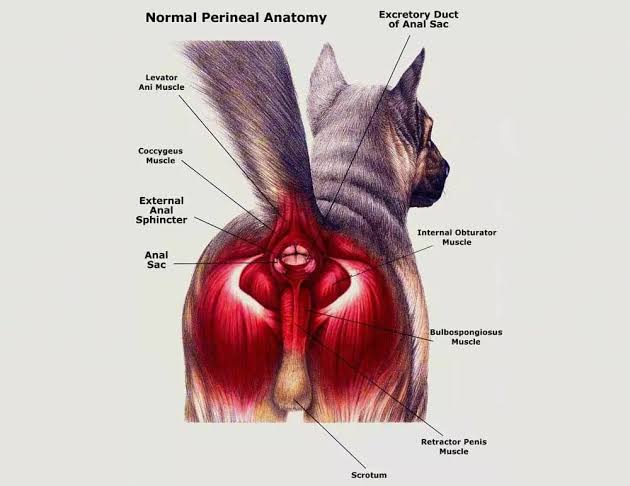
Why Do Dogs’ Anal Glands Get Full? If your dog is scooting across the carpet or licking their rear end nonstop, full anal glands are usually the reason. It’s an awkward topic, but a common one for dog owners.
Anal glands are meant to empty on their own every time your dog poops. When that doesn’t happen, fluid builds up, causing discomfort your dog can’t ignore.
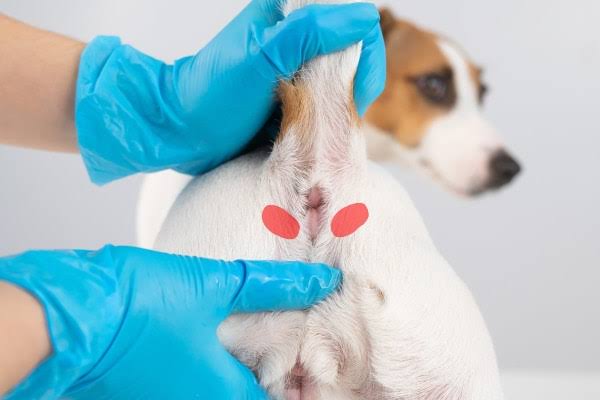
Dog anal glands are two small, pea-sized pockets located on either side of the anus, each connected to a tube that secretes a distinctive, foul-smelling fluid. They exist in nearly every dog, regardless of breed or size.
Both male and female dogs, as well as cats and other animals, have these glands. Their main job isn’t digestion — it’s communication.
Dogs eating a diet low in fiber may not produce firm enough stools to press against the glands and trigger emptying. Without that pressure, fluid slowly builds up inside.
Excess body fat can put pressure on the glands and prevent them from emptying properly, and a lack of exercise reduces the natural muscle contractions that help expel gland contents. Weight and movement both play a real role here.
Anal glands fill for several reasons, most commonly when a dog’s stools are soft, such as after a few days of diarrhea, since insufficient pressure has been exerted to empty them. Ongoing digestive issues make this a repeat problem.
Blockages can be ongoing in dogs with narrow gland openings, chronic diarrhea, and allergic skin disease. Managing an underlying allergy often reduces gland issues too.
Some dogs naturally struggle more than others, and breeds with smaller or tighter anal ducts may have a harder time expressing these glands properly. This isn’t related to hygiene or care quality.
Dogs can’t tell you they’re uncomfortable, so watch for behavioral cues instead.
Scooting is one of the most noticeable signs, and this behavior often indicates irritation or discomfort. If you spot more than one of these signs together, it’s time to get your dog checked.
Not every full gland turns into an infection, but knowing the difference helps you act at the right time.
| Stage | What’s Happening | Typical Signs | Urgency |
|---|---|---|---|
| Full | Fluid buildup, not yet blocked | Mild scooting, odor | Monitor, plan expression |
| Impacted | Gland is blocked, fluid thickens | Frequent scooting, licking | Vet visit recommended |
| Infected/Abscessed | Bacteria causes swelling, pain | Swelling, pus, fever, pain | Emergency care needed |
Anal gland infections become emergencies when you notice severe swelling, pus discharge with a strong odor, or signs of intense pain. Don’t wait on symptoms at this stage.
Treatment typically depends on how severe the blockage is.
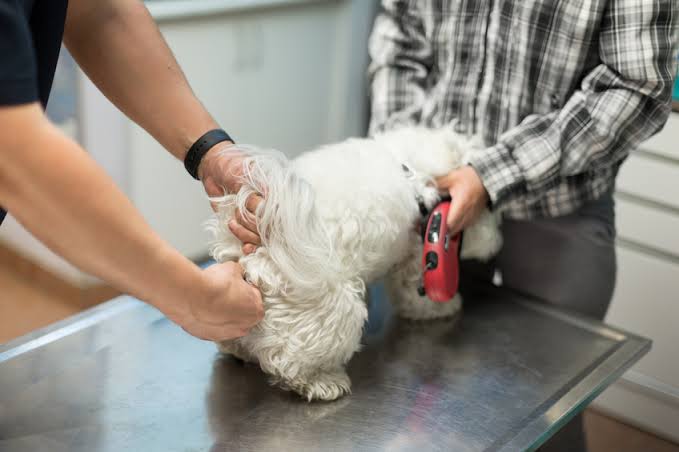
If a dog’s anal glands can’t be emptied manually, a vet may suggest flushing them under sedation or general anesthesia, and dogs with frequent blockages may need regular checks. Never attempt aggressive treatment at home.
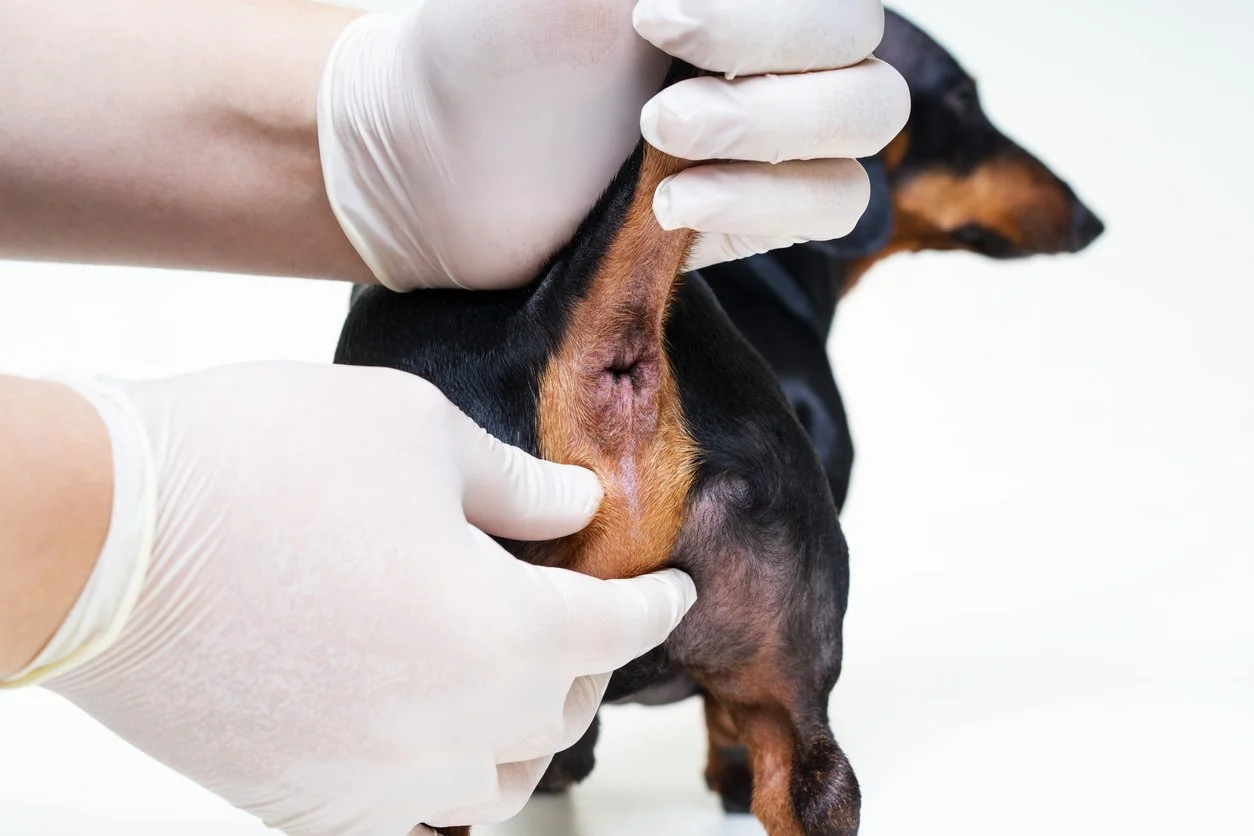
It’s possible, but risky if done incorrectly. Always consult your veterinarian before attempting anal gland expression at home, since improper technique can cause pain or injury.
Most owners are better off letting a vet or professional groomer handle it, especially the first few times.
Prevention focuses on stool consistency and overall body condition.
Ensuring your dog eats a balanced diet with sufficient fiber helps create bulkier stools, which naturally supports anal gland expression, and regular exercise helps with weight management while increasing stool frequency and firmness.
Contact your veterinarian right away if you notice swelling, pus, a strong odor with pain, or if your dog cries when the area is touched. If your dog can’t sit comfortably or cries when the area is touched, seek veterinary care right away.
Ruptured abscesses can spread infection quickly, so this isn’t a symptom to wait out.
Mostly because stools are too soft to press against the glands, which prevents natural emptying during bowel movements.
Most dogs never need manual expression. Dogs with recurring issues may need it every 3–6 weeks, based on a vet’s recommendation.
Yes. A higher-fiber diet creates firmer stools, which apply more natural pressure to help the glands empty on their own.
It’s possible but risky without proper training. Improper technique can cause pain, injury, or push fluid the wrong way.
Scooting is usually a sign of anal gland discomfort, often from fullness, impaction, or irritation in that area.
Yes. Dogs with smaller or narrower anal ducts tend to have more frequent problems than others.
Yes. Excess weight can put pressure on the glands and interfere with their ability to empty properly.
Look for swelling, pus, a strong odor, and clear pain when the area is touched — these signal infection, not just fullness.
Mild fullness sometimes resolves on its own with normal bowel movements, but recurring issues usually need professional care.
Yes, if left untreated. Prolonged impaction can allow bacteria to build up, leading to painful abscesses.
Fear or extreme stress can cause a dog’s glands to express involuntarily, unrelated to bowel movements.
A fiber-rich diet is often recommended, but it’s best to make dietary changes under veterinary guidance.
Yes, experienced groomers commonly perform this service, though a vet visit is best if there are signs of infection.
Yes, it’s a common condition, and most cases are manageable with routine care and monitoring.
A vet or technician gently applies pressure to the glands to release built-up fluid, typically a quick, low-stress procedure.
Yes, some vets recommend fiber-based or specialized supplements to support healthier stool consistency.
Yes, regular exercise supports healthy weight and stool firmness, both of which help glands empty naturally.
Yes, cats and other animals have similar glands and can experience comparable blockage or impaction issues.
Full anal glands are uncomfortable for your dog but usually manageable once you understand the cause. Diet, weight, and activity level all play a direct role in whether these glands empty naturally.
Watch for scooting, licking, or swelling, and don’t hesitate to involve your vet if symptoms escalate. Catching the issue early keeps it from turning into something more painful.