

Why do balloons pop on grass is a question every party planner has asked at least once. You set everything up perfectly, the decorations look great, and then — pop, pop, pop. One by one your balloons burst without warning.
It seems random, but there is very real science behind every single one of those explosions.
From the hidden sharpness of individual grass blades to the way heat builds up inside latex, several forces are working together against your balloons the moment they touch the ground outside.
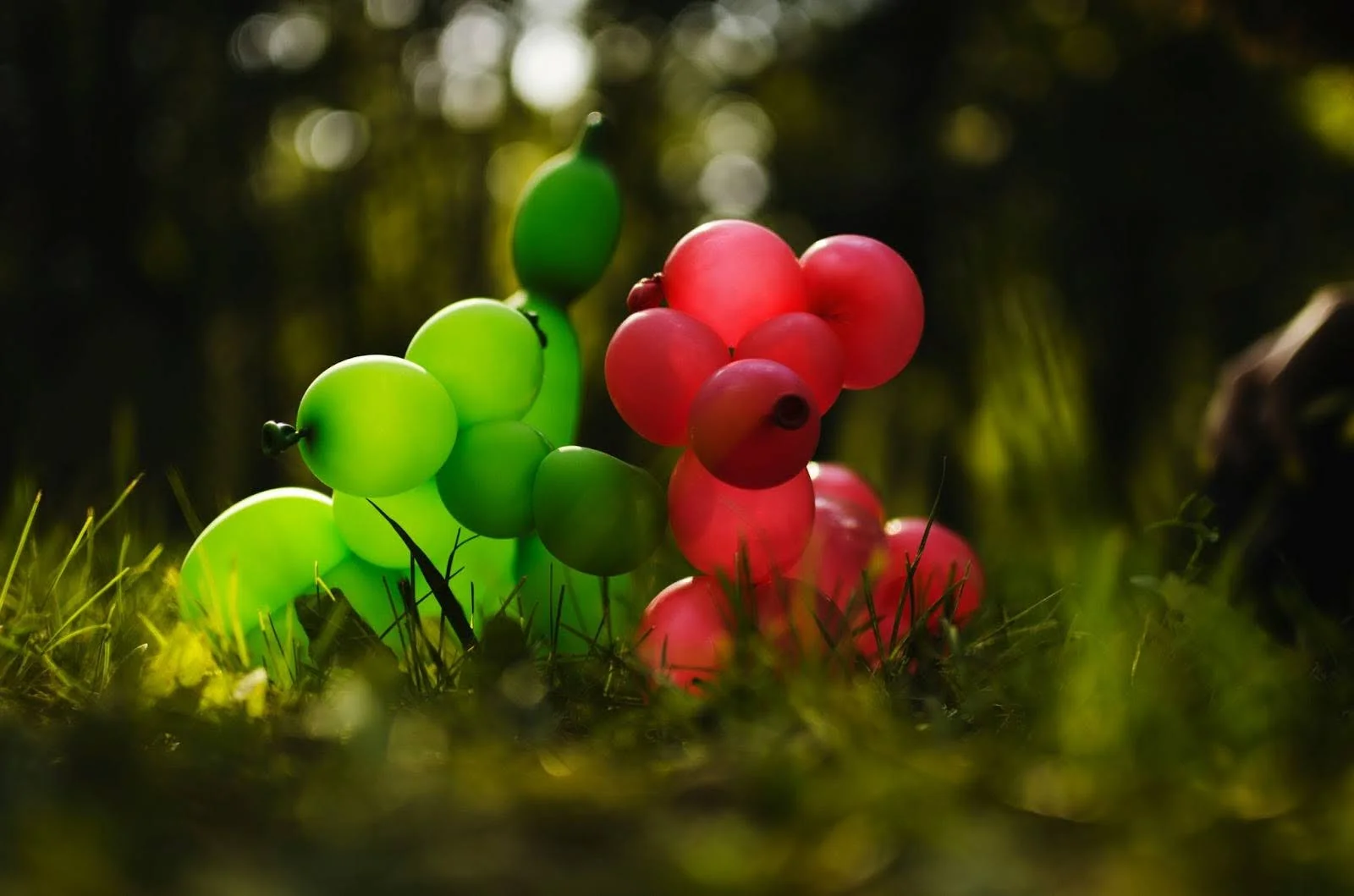
Before blaming the grass, it helps to understand how a balloon actually works. A balloon is a thin membrane of stretched latex or foil containing pressurized air or helium. That membrane is under constant tension.
When you inflate a balloon, the rubber stretches to many times its original thickness. The walls become extremely thin. Even a tiny force applied to a single point can puncture the surface and release all that pressure in a fraction of a second — the bang you hear.
The more inflated a balloon is, the thinner and more vulnerable its walls become. This is why an overinflated balloon pops so much more easily than one inflated to about 80 to 90 percent of capacity.
Grass looks soft and gentle, but the individual blades are far more hazardous to a balloon than most people expect. Here is what is really going on at ground level.
Each blade of grass has a pointed tip. On its own, a single blade tip is sharp enough to pierce stretched latex if the balloon is pressing against it with enough pressure. The key word is pressure — the internal air in an inflated balloon constantly pushes outward, which means the balloon is always pressing against whatever it touches.
When the balloon rolls, bounces, or is carried by wind across the lawn, it drags across dozens of these tiny points at once. It only takes one successful puncture to trigger a full burst.
Freshly mowed grass is relatively safer. But grass that has gone to seed grows sharp, pointed seed heads that are far more aggressive than a standard blade tip. Burrs, thistles, and dried-out grass stems can be as sharp as a pin.
Dry grass is especially dangerous. Dry blades become stiff and brittle, which makes their tips harder and more capable of piercing latex. Watered, soft grass is gentler on balloon surfaces, which is why damp lawns cause fewer pops than dry ones.
Grass is rarely just grass. Hidden inside any lawn you will find tiny sticks, gravel, dried leaf edges, sand grains, and small stones. A single sharp grain of sand or a tiny twig splinter is more than enough to pop a fully inflated latex balloon.
You cannot see most of this debris without getting on your hands and knees. This is why balloons seem to pop “for no reason” — the actual culprit is invisible from standing height.
Even without a sharp point, friction plays a role. When a balloon rubs against grass, the surface contact generates a small amount of heat. More importantly, the rubbing action drags the thin latex across hundreds of microscopic textures.
A light breeze is enough to make a balloon bob and rub against the ground repeatedly. Over time, this friction weakens the latex at the contact point until a tiny tear forms and the balloon bursts.
Sharp grass is only part of the story. Heat is what makes balloons so fragile by the time they reach the grass. On a warm sunny day, several heat-related forces are already weakening the balloon before it touches the ground.
When a balloon sits in sunlight, the gas inside heats up. As gas molecules heat up they move faster and spread farther apart, which increases the internal pressure of the balloon. The balloon skin stretches tighter.
A balloon that was inflated to a safe level indoors may already be near its bursting point by the time it reaches the lawn outside. The slightest contact with a blade of grass at that point is all it takes.
Direct sunlight does not just create heat — it actively breaks down the latex itself. UV rays from the sun attack the polymer chains that make up the latex membrane. This process is called photodegradation.
As photodegradation occurs, the latex loses its elasticity and becomes brittle. You can sometimes see this happening — a balloon that has been in the sun for a while develops a chalky, faded appearance. That is degraded latex that can barely hold together, let alone resist a grass blade.
The color of your balloon matters more than most people realize. Dark-colored balloons — black, navy, deep red, dark purple — absorb more solar radiation than light-colored ones. This causes the gas inside to heat up faster.
A black balloon sitting in direct sunlight can reach internal temperatures significantly higher than a white balloon in the same conditions. It will hit its bursting pressure much sooner, and it will be far weaker by the time it drifts toward the grass.
| Balloon Color | Heat Absorption | Relative Outdoor Durability |
|---|---|---|
| White / Cream | Low | Best |
| Yellow / Light Pink | Low–Medium | Good |
| Orange / Light Green | Medium | Moderate |
| Red / Purple | Medium–High | Poor |
| Black / Dark Navy | High | Worst |
One of the leading causes of balloons popping on grass has nothing to do with the grass at all. It comes from the person who inflated the balloon in the first place. Overinflation is extremely common and extremely dangerous outdoors.
When a balloon is inflated beyond the recommended size, the latex walls become thinner than they were designed to be. The internal pressure is already close to the material’s breaking point before anything external touches it.
Add heat from the sun and the gas expands further. Add a single blade of grass, and there is simply no margin left. The balloon fails instantly.
Professional balloon decorators follow a consistent rule: never inflate a balloon more than 80 to 90 percent of its maximum capacity when working outdoors. This leaves room for the gas to expand as temperatures rise.
The balloon will look slightly less full, but it will survive outdoor conditions far longer. A balloon with expansion room can absorb a small amount of additional pressure from heat without reaching its breaking point.
Bringing balloons from an air-conditioned room directly into hot outdoor sunlight creates a sudden temperature shock. The gas inside expands rapidly when the temperature jump happens all at once.
This rapid expansion can push the balloon past its breaking point in seconds. Experienced balloon professionals always recommend letting balloons adjust gradually — leaving them in a transitional area like a shaded doorway for several minutes before full outdoor exposure.
Not all balloons are made equal, and the quality gap becomes very visible outdoors. Budget balloons from discount stores are typically manufactured with thinner latex and less uniform wall thickness.
Areas where the latex is thinner are natural weak points. When heat and pressure build up, these thin spots fail first. Professional-grade balloons from brands like Qualatex or Sempertex are made with more consistent latex thickness and better durability, especially in outdoor and warm conditions.
One technique used by professional decorators is double-stuffing — placing one balloon inside another before inflating. This doubles the wall thickness, significantly reducing the risk of popping from sharp objects, heat, and friction.
Double-stuffed balloons also look visually richer, with deeper and more saturated colors. It takes more time and uses more supplies, but for important outdoor events it is often worth the effort.
Different balloon materials behave very differently in outdoor conditions. Choosing the right type for a grass or outdoor setup makes a significant difference in how many stay intact through the event.
| Balloon Type | Material | UV Resistance | Heat Resistance | Sharp Object Risk | Best Use |
|---|---|---|---|---|---|
| Standard Latex | Natural rubber | Low | Low | High | Shaded indoor/outdoor |
| Professional Latex | Thicker natural rubber | Low–Medium | Low–Medium | Medium | Outdoor with care |
| Foil / Mylar | Metallic polyester film | High | Medium | Medium | Outdoor displays |
| Bubble / Deco Bubble | Thick stretchy plastic | High | High | Low | Best for outdoor grass |
| Air-filled Latex | Natural rubber (no float) | Low | Low–Medium | Medium–Low | Arches, columns |
Bubble balloons (also called Deco Bubbles) are made from a thick, flexible plastic that is far more resistant to heat, UV, and punctures than latex. They are considered the most reliable option for outdoor lawn setups.
Foil or Mylar balloons hold their helium longer and are more resistant to UV than latex, but they are still vulnerable to sharp grass and sticks.
Air-filled latex balloons — used in arches and garlands — perform better outdoors than helium-filled ones because they stay in place and do not drift down into the grass repeatedly.
Wind is an underappreciated factor. A light breeze looks harmless but causes a floating balloon to bob and drift constantly. Every time a helium balloon dips toward the lawn, it risks contact with the grass.
Repeated contact means repeated friction. Even without a puncture on the first contact, the latex surface gradually weakens at the point of repeated rubbing. Eventually, the weakened spot gives way.
Securing balloons with weights and anchoring them properly reduces wind-driven contact with the ground significantly. A well-anchored balloon stays elevated and stable rather than constantly drifting toward the grass.
There are several widespread beliefs about why balloons pop outdoors that are simply not accurate. Understanding what is myth and what is fact helps you focus your prevention efforts in the right places.
Static electricity does not generate enough force to pop a balloon. Rubbing a balloon on carpet or clothing creates a static charge that makes it cling to walls, but this charge has no meaningful impact on the latex’s structural integrity. Outdoor balloon bursts are caused by physical punctures, heat, or overinflation — not static.
Grass itself does not change the temperature of air inside a balloon. Heat from the sun does. Grass is actually a cooler surface than concrete or asphalt, which is one reason lawns are sometimes safer for balloon arrangements than hard sunny surfaces.
Hi-Float is a liquid gel applied inside helium balloons to slow the escape of helium and extend float time. It does a good job of keeping balloons inflated longer indoors. However, it provides no protection against UV rays, heat expansion, or sharp grass punctures. It is not a solution for outdoor durability.
Even high-quality, thick-walled professional balloons will pop on grass if they are overinflated, overheated, or placed in contact with a sharp seed head or burr. Quality reduces risk — it does not eliminate it.
Now that you understand the causes, the prevention strategies make complete logical sense. Every tip below targets one or more of the root causes covered above.
Walk the entire area barefoot or in thin-soled shoes to feel for hidden sharp debris. Remove sticks, stones, seed heads, burrs, and any obvious sharp weeds. Mow the lawn the day before — not the morning of the event — so cut blades have time to lose their fresh sharp edges.
Water the grass lightly the evening before your event. Damp, soft grass is far less likely to puncture a balloon than dry, stiff grass.
The most reliable protection is simply keeping balloons off the grass entirely. Place smooth mats, tarps, large blankets, or plastic tablecloths over the area where balloon arrangements will sit. This eliminates direct contact with grass blades and hidden debris.
Balloon stands and weights keep helium balloons anchored and elevated so they do not drift down to ground level. This is especially important on windy days.
Inflate outdoor balloons to no more than 80 to 90 percent of maximum size. They will look slightly smaller, but the extra room allows gas to expand as temperatures rise without pushing the latex to its breaking point.
If you are moving balloons from an air-conditioned indoor space to a hot outdoor venue, underinflate by an additional 10 percent to account for the rapid temperature change.
For lawn setups, prioritize bubble balloons or foil balloons over standard latex. If you need to use latex, choose professional-grade brands and consider double-stuffing for the arrangements that will be closest to the ground.
Use air-filled arches and columns instead of helium-filled arrangements wherever possible. Air-filled setups stay in place and do not drift toward the grass.
Choose white, cream, pale yellow, or light pink balloons for displays in direct sunlight. These colors reflect heat rather than absorbing it, keeping the internal gas temperature lower for longer.
If you want to use dark colors, place those balloons in shaded sections of the display and keep the sun-exposed positions for light-colored ones.
Never bring balloons directly from a cool air-conditioned space into hot outdoor sunlight. Place them in a transitional shaded area — a porch, a tent, or a covered entryway — for five to ten minutes first. This allows the gas inside to expand gradually rather than all at once.
Professional balloon artists often pre-stretch latex balloons by inflating them fully, then releasing all the air before the actual inflation. This process conditions the latex, reducing brittleness and helping it handle temperature changes and physical contact more effectively.
Inflate and arrange balloons as close to the start of your event as possible. The longer balloons sit in sun and heat before guests arrive, the more degraded and fragile they become. Setting up one to two hours before the event, rather than the morning of, makes a noticeable difference in how long the balloons survive.
| Prevention Step | What It Targets |
|---|---|
| Mow lawn the day before | Sharp blade tips and seed heads |
| Water grass the night before | Stiffness and dryness of blades |
| Walk area and remove debris | Hidden sticks, stones, burrs |
| Lay mats or tarps on grass | All physical contact with ground |
| Underinflate to 80–90% | Heat expansion and internal pressure |
| Use bubble or foil balloons | UV, heat, and puncture resistance |
| Choose light balloon colors | Solar heat absorption |
| Acclimate balloons gradually | Rapid thermal expansion |
| Pre-stretch latex before use | Brittleness of new latex |
| Set up close to event start | Cumulative UV and heat degradation |
| Use balloon weights and stands | Wind-driven ground contact |
| Double-stuff latex balloons | Wall thickness and puncture resistance |

The outdoor balloon popping problem shows up in very specific situations. Here is how to handle a few of the most common ones.
Kids and balloons on grass is a classic combination that leads to constant popping. Children grab, drag, and sit on balloons — all of which increase contact with the ground.
Use air-filled balloon arches or standing columns secured well above ground level. Keep individual balloons on weighted strings at adult height. Avoid putting loose helium balloons near the play area at ground level.
Weddings call for elegant balloon arrangements that need to last for hours. Bubble balloons in clear or pearl white look sophisticated and survive outdoor conditions far better than standard latex.
Place arrangements on smooth surfaces — tables, stands, or laid mats — rather than directly on grass. Keep arrangements in shaded areas if the event runs through the hottest part of the afternoon.
Large-scale outdoor events require volume, which means budget balloons are tempting. Invest in professional-grade latex at minimum and use air-filled columns rather than helium floaters wherever possible.
Brief events of two to three hours can use latex successfully if balloons are underinflated and the lawn is prepared. All-day events require bubble or foil options for lasting durability.
Heat expands the gas inside the balloon, pushing the latex to its limit. Even a gentle brush against a grass blade then causes an instant burst.
Yes. Coarse, dry, or seeding grass with sharp tips is far more dangerous than soft, mowed, well-watered lawn grass.
Not completely, but a physical barrier like a mat or tarp combined with underinflation and quality balloons dramatically reduces popping.
Yes. Helium balloons float and drift, so they contact the grass repeatedly. Air-filled balloons in fixed arrangements stay elevated and touch the ground far less.
Dark colors absorb more solar radiation. This heats the gas inside faster, increasing internal pressure and pushing the balloon toward its breaking point sooner.
Yes, with precautions — underinflate, use light colors, set up close to event time, and keep them off the grass with mats or stands.
Yes, but mow the day before. Fresh-cut grass blades have sharper edges immediately after mowing. Day-old mowed grass is safer.
Bubble balloons (Deco Bubbles) are the best option. They are made from thick, flexible plastic that resists heat, UV, and punctures far better than latex.
Micro-degradation from UV exposure, overinflation, and heat buildup can weaken the latex to the point where it fails spontaneously without any visible trigger.
No. Hi-Float extends float time by slowing helium loss but provides no protection against heat, UV rays, or physical punctures from grass.
Why do balloons pop on grass comes down to a combination of forces that most people never see coming.
Sharp grass tips, hidden debris, overinflation, UV-driven photodegradation, heat expansion, and wind friction all work together to destroy your decorations.
None of these forces are random — each one has a direct cause and a practical solution. Prepare the lawn, choose the right balloon type, underinflate for outdoor conditions, use physical barriers, and time your setup intelligently.
Do all of that and your balloons will survive the event the way you planned. Understanding the science turns a frustrating mystery into a manageable problem you can solve every single time.