
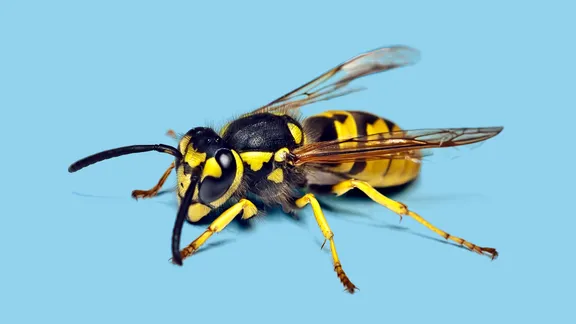
Why do wasps sting is a question most people ask after a painful backyard encounter. Wasps do not sting randomly or out of spite.
Every sting has a reason rooted in survival, defense, or instinct. Understanding what triggers a wasp to use its stinger helps you protect yourself, your family, and your pets.
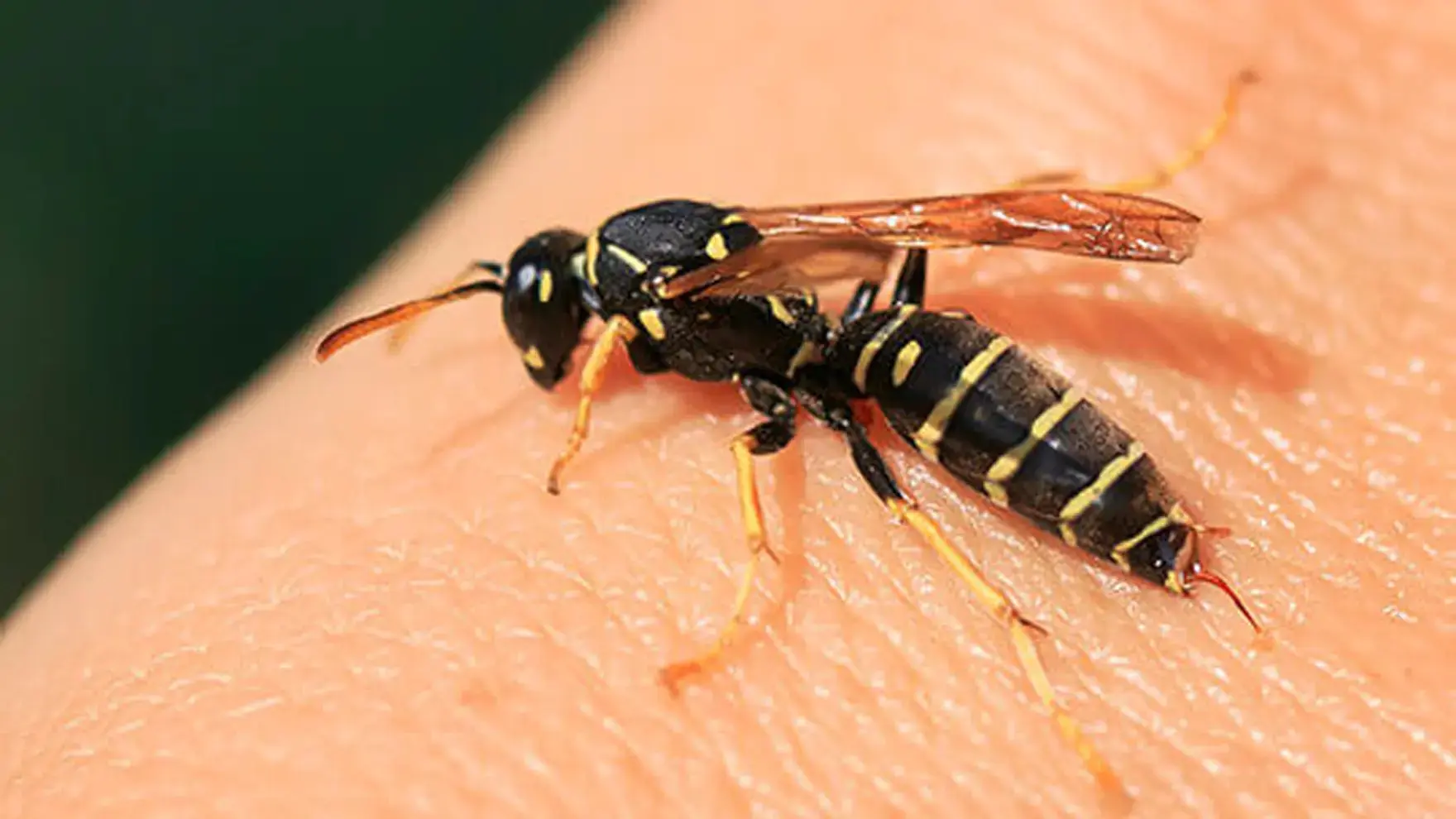
One of the most common myths is that wasps attack without cause. That is simply not true. Wasps are not aggressive by nature. They become defensive when they perceive a threat to themselves or their colony.
A wasp will almost never sting a human who is simply walking past. The sting is a last resort, not a first reaction. Most stings happen because of accidental disturbance, sudden movement, or proximity to a nest.
The most common reason wasps sting humans is nest protection. Social wasps, including yellow jackets and paper wasps, are intensely territorial. Their entire behavioral wiring is built around protecting the queen and the colony.
When a human comes too close to a nest, even without touching it, the workers detect the intrusion and react. A single wasp nest in peak summer can house 3,000 to 6,000 insects ready to defend their home. Proximity alone is enough to trigger a sting.
A wasp that is away from its nest can still sting if it feels cornered, trapped, or squeezed. Accidentally sitting on a wasp, trapping one under clothing, or catching one in your hand triggers an immediate defensive sting.
The wasp is not attacking you. It is reacting to what it perceives as a life-threatening situation. The response is fast, and it may sting multiple times before it can escape.
In late summer and early fall, wasp colonies grow large and food becomes harder to find. Wasps begin foraging aggressively for sugary substances and proteins to sustain the colony through the changing season.
When a wasp lands on your drink, sandwich, or plate and you suddenly swat it away or startle it, a sting often follows. The wasp sees your food as a resource worth defending. This is why outdoor dining is one of the highest-risk activities for getting stung.
Wasps have highly sensitive vision and respond quickly to fast movement. Waving your arms, swatting at a wasp, or running suddenly near one sends signals that register as an attack.
This is why the advice to stay calm when a wasp lands on you actually works. A slow, steady response gives the wasp no reason to feel threatened. A panic reaction is the fastest way to get stung.
Wasps have strong chemical detection abilities. Sweet perfumes, floral scents, scented lotions, and hairsprays can attract wasps and cause them to investigate aggressively.
Equally important is sweat. When wasps sense the pheromones released during human stress, they can interpret them as a signal of danger. This can increase their defensive behavior even when you are not intentionally doing anything threatening.
Not all wasp stings involve humans as targets. Solitary hunting wasps use their stingers to paralyze insects, spiders, and other small creatures. The venom immobilizes the prey so it can be carried back to feed larvae.
This type of sting almost never affects humans because hunting wasps are solitary and non-territorial. They are not guarding a colony. They only sting a human if directly handled or accidentally squeezed.
This is one of the most dangerous and least understood reasons why wasps sting. When a wasp stings, it releases a chemical alarm pheromone that other wasps nearby can detect within seconds.
This pheromone signals danger to the colony and recruits other workers to join the defense. One sting near a nest can quickly escalate into a swarm attack. This is why pest control professionals always recommend moving away calmly after a single sting rather than trying to fight back.
Understanding what happens when a wasp stings you explains both the pain and the medical risk.
Wasp venom is a chemical cocktail delivered through a smooth, retractable stinger. Unlike honeybees, whose barbed stingers stay lodged in skin, a wasp’s stinger can be withdrawn and reused repeatedly. This is what makes wasps capable of stinging multiple times in a single encounter.
The key components in wasp venom include:
| Venom Component | What It Does |
|---|---|
| Acetylcholine | Stimulates nerve pain receptors, causing sharp immediate pain |
| Histamine | Triggers inflammation, redness, and swelling |
| Kinins | Amplify pain signals and increase tissue soreness |
| Phospholipases | Break down cell membranes, helping venom spread through tissue |
| Allergens (antigen 5) | Trigger immune response, responsible for allergic reactions |
The pain begins within seconds of the sting, peaks in the first few minutes, and then shifts to a dull ache that can last several hours. Redness and swelling at the site are the body’s normal inflammatory response to the venom spreading through tissue.
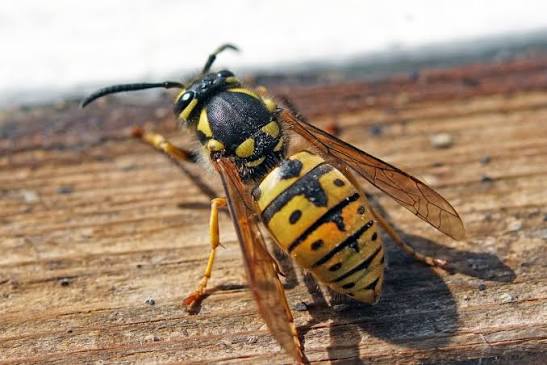
Not all wasps behave the same way. Knowing which species you are dealing with helps you understand the level of risk.
| Species | Aggression Level | Nest Location | Sting Behavior |
|---|---|---|---|
| Yellow Jacket | Very High | Underground, wall cavities | Sting repeatedly, swarm fast |
| Bald-Faced Hornet | Very High | Trees, shrubs, building eaves | Extremely defensive, large swarms |
| Paper Wasp | Moderate | Open umbrella nests under eaves | Sting when nest is disturbed |
| Mud Dauber | Very Low | Mud tubes on walls and ceilings | Rarely sting, solitary |
| Cicada Killer | Low | Underground burrows | Rarely sting humans |
| European Hornet | High | Tree hollows, wall voids | Defensive, active at night too |
Yellow jackets are the species most commonly responsible for unprovoked-seeming stings around food and drinks. Bald-faced hornets build the largest and most aggressive colonies. Paper wasps are widespread but only sting when their umbrella-shaped nest is directly disturbed. Solitary species like mud daubers almost never sting humans.
Wasp aggression is not constant year-round. Understanding the seasonal cycle explains why sting incidents spike at certain times of year.
Queens emerge from hibernation alone and begin building small nests. The colony has very few workers. Wasps during this period are focused on building, not defending. Encounters are rare and stings are uncommon.
The colony grows steadily as the queen lays eggs and workers hatch. Workers begin foraging for protein to feed larvae. They are busy but not yet at peak defensive alertness. Most people rarely have problems early in summer.
This is the most dangerous season for wasp stings. Colonies have reached maximum size with thousands of workers. Food sources start to dry up as the season changes. Wasps become increasingly aggressive foragers, compete for sugar and protein near human activity, and defend their nests with less provocation than at any other time of year.
This is when the vast majority of sting incidents happen. Outdoor events, barbecues, and picnics in August and September carry the highest risk.
Most wasps die as temperatures drop. Only mated queens survive by hibernating in sheltered spots. Nests are abandoned and will not be reused the following year. Sting risk is essentially zero in winter.
Reactions to wasp stings fall into three main categories, and knowing which one you are experiencing matters for deciding what to do next.
This is what most people experience. Symptoms include immediate sharp pain, a raised red welt at the sting site, localized swelling, and itching. Pain typically peaks within the first 1 to 3 minutes and fades to soreness over several hours. Swelling usually resolves within 24 hours. No medical attention is needed.
In some people, the immune response is stronger than typical. Swelling extends well beyond the sting site, sometimes covering an entire limb. The area may remain swollen, warm, and itchy for several days. This is not anaphylaxis, but it is worth mentioning to a doctor, especially if it keeps worsening after 48 hours.
Severe allergic reactions to wasp venom affect an estimated 3% of adults and up to 1% of children. Anaphylaxis is a life-threatening systemic response that can develop within minutes of a sting.
Warning signs of anaphylaxis include throat tightening or difficulty swallowing, sudden drop in blood pressure, chest tightness, shortness of breath, nausea or vomiting, lightheadedness, rapid heart rate, hives over large areas of the body, and loss of consciousness.
Anyone experiencing these symptoms after a sting needs epinephrine immediately and emergency medical care. For people with known wasp venom allergies, carrying an epinephrine auto-injector at all times is essential.
Being stung many times in a single encounter is a separate medical concern even without allergy. A large volume of venom delivered at once can cause toxic reactions that mimic allergic symptoms. Children, elderly individuals, and anyone with heart or respiratory conditions face higher risk from multiple stings. Seek medical attention after being stung more than 10 times.
Acting quickly reduces pain and the risk of complications.
Move away from the area calmly and quickly. Staying near a nest after being stung invites more attacks due to the alarm pheromone.
Wash the sting site with soap and water as soon as possible to remove venom residue from the skin surface.
Apply a cold compress or ice wrapped in cloth to the sting site. Hold it there for 10 to 15 minutes. Cold reduces inflammation and numbs pain.
Take an over-the-counter antihistamine like cetirizine or loratadine to reduce itching and swelling. Apply hydrocortisone cream to the site if itching persists.
Use a paste made from baking soda and water on the sting area. This helps neutralize the acidic components of wasp venom and can reduce burning sensation.
Monitor for signs of anaphylaxis for at least 30 minutes after the sting. If any systemic symptoms appear, use an EpiPen if available and call emergency services.
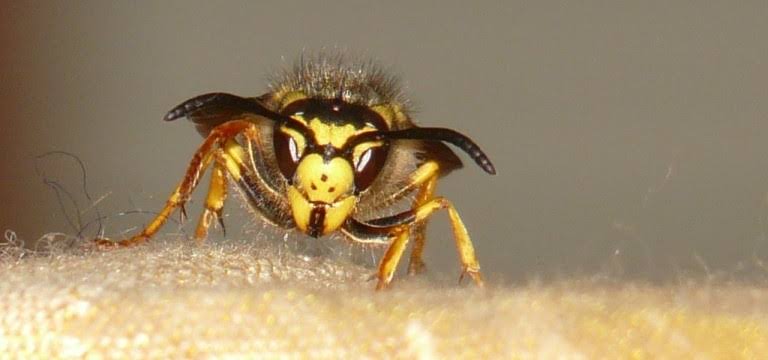
Prevention is far easier than treatment. These are the most effective evidence-backed strategies for reducing your risk.
If a wasp lands on you or flies near your face, do not swat, flap, or run. Stay still, breathe slowly, and let it move on. Fast movement is one of the most reliable triggers for a defensive sting.
Swatting at a wasp is one of the worst things you can do. If you make contact, you compress the wasp’s body, which triggers both a sting and the release of alarm pheromones that bring in other wasps. Walk away instead.
Wasps are strongly attracted to sugary drinks, ripe fruit, meat, and sweet sauces. At outdoor events, keep all food covered when not actively eating. Use lids or covers on cups and bottles, especially sweet drinks.
Bright colors, especially yellow, purple, and violet, attract wasps. Floral patterns on clothing can also trigger investigation. Wearing light, plain clothing in neutral tones reduces visual attraction.
Sweet floral perfumes, scented sunscreen, scented lotions, and fragrant hairsprays can attract wasps who mistake the scent for a food source. When spending time outdoors in summer, use unscented products.
Yellow jackets are notorious for crawling inside open drink cans. Before taking a sip from a can or cup you left unattended outdoors, check inside or pour the drink into a clear cup where you can see what is in it.
Look for wasp nests regularly under eaves, behind shutters, in wall voids, under porch furniture, in tree branches, and in the ground. Early-season nests in spring are much smaller and easier to deal with than a full-size summer colony.
Wasps enter buildings through gaps in siding, soffit vents, and cracks around window frames. Seal these gaps with caulk. Install mesh screens over ventilation openings to prevent indoor nesting.
Yellow jackets frequently nest underground in old rodent burrows. Walking barefoot in grass, especially near clover, increases the chance of stepping on a ground-level nest entrance. Footwear is a simple and effective protection.
If you find a wasp nest and cannot arrange for professional removal immediately, do not block the entrance. Wasps trapped inside will dig through walls or ceilings into living spaces. Leave the entrance open until it can be professionally treated.
Removing a wasp nest without professional equipment and protection is a leading cause of mass sting incidents. A disturbed nest in late summer can unleash thousands of wasps instantly. Contact a licensed pest control professional for safe removal.
Some plants naturally deter wasps from nesting nearby. Spearmint, thyme, eucalyptus, citronella, and wormwood are all associated with reduced wasp activity around garden areas. Planting these near seating areas can help keep wasps away without any chemical intervention.
People often confuse wasps and bees, but their sting behavior is significantly different. Understanding the difference matters for how you respond.
| Feature | Wasp | Honeybee |
|---|---|---|
| Stinger Type | Smooth, retractable | Barbed, stays lodged in skin |
| Can Sting Multiple Times | Yes | No, bee dies after one sting |
| Aggression Level | Higher, especially near nests | Lower, generally docile unless threatened |
| Stinger Left in Skin | No | Yes, remove it quickly |
| Venom Volume Per Sting | Lower per sting | Higher per sting |
| Risk of Alarm Pheromone Swarm | High near nests | Lower |
The key practical difference: if you are stung and a stinger remains in your skin, it was a bee, not a wasp. Remove a bee stinger by scraping it out sideways with a credit card rather than pinching, which squeezes more venom in. A wasp sting leaves no stinger behind.
Most wasp stings resolve at home without medical attention. However, certain situations require prompt professional care.
Go to an emergency room immediately if you develop difficulty breathing, throat swelling, a rapid or irregular heartbeat, loss of consciousness, or hives spreading beyond the sting area.
See a doctor within 24 hours if the swelling continues to grow larger after the first day, the sting site shows signs of infection such as increasing redness, warmth, or pus, you were stung more than 10 times, or the sting occurred on or near your face, mouth, or throat.
Consider allergy testing if you have had a strong reaction to a wasp sting in the past. Venom immunotherapy, a gradual desensitization treatment using increasing doses of wasp venom extract, provides up to 98% protection against future severe reactions and is considered the gold standard long-term treatment for wasp sting allergy.
It is worth understanding that despite their reputation, wasps serve genuinely important ecological functions. They should not be eliminated simply for existing on your property.
Wasps are natural pest controllers. They hunt caterpillars, aphids, flies, and other garden pests to feed their larvae. A single paper wasp colony can eliminate thousands of pest insects over one season.
Some species also contribute to pollination, though less efficiently than bees. And solitary wasps like mud daubers and cicada killers are virtually harmless to humans while providing genuine environmental benefits.
The goal is not to eliminate all wasps. It is to manage the ones that nest in high-traffic areas where contact is inevitable.
Timing and method matter when dealing with an established nest.
The best time to treat or remove a wasp nest is early morning or late evening, when wasps are less active and most workers are inside the nest. Pest control professionals use targeted insecticide treatment at the nest entrance, which the returning workers carry inside and spread throughout the colony.
Small nests found early in spring, when a queen is just starting to build alone, can sometimes be knocked down with a quick spray and removed. By midsummer, nest removal should always be handled professionally.
Never use fire, water, or physical destruction to remove an active nest. These approaches scatter thousands of wasps instantly and increase the risk of mass stings dramatically.
Wasps do not see humans as food. They sting humans purely as a defense mechanism when they feel their nest or body is being threatened. It is a protective response, not predatory behavior.
Yes. Unlike honeybees, wasps have smooth retractable stingers that allow them to sting repeatedly without dying. A single wasp can sting multiple times in one encounter if it continues to feel threatened.
Colony sizes peak in late summer and food becomes scarce, making wasps more competitive and defensive around any food source. This is the highest-risk season for sting encounters near human activity.
Yes. When a wasp is crushed or killed, it releases an alarm pheromone that signals nearby wasps to attack. Near a nest, killing one wasp can trigger a rapid swarm response.
Run away as fast as possible in a straight line. Do not swat or wave your arms. Move toward an enclosed shelter like a car or building. Never jump into water, as wasps will wait for you to surface.
Wash the area with soap and water, apply a cold compress, take an antihistamine, and apply hydrocortisone cream or a baking soda paste to reduce pain and swelling. Monitor for allergic symptoms for at least 30 minutes.
Most people experience only temporary local pain and swelling. Around 3% of adults have allergic reactions that require medical attention. Anaphylaxis is rare but life-threatening and needs emergency care immediately.
Wasps may follow you because of scent from food, sweet drinks, perfume, or even sweat on your skin. They are investigating a potential food source or responding to chemical signals, not tracking you personally.
Look for repeated wasp activity concentrated around one area, wasps flying in and out of a specific point, papery gray structures under eaves or in shrubs, or an unusual buzzing sound from a wall or ceiling void.
Yes. Venom immunotherapy has a 98% effectiveness rate for preventing severe reactions to future stings and is recommended for anyone who has experienced anaphylaxis or a strong systemic reaction to a wasp sting.
Why do wasps sting comes down to one core truth: wasps sting to survive. Every sting is a response to a perceived threat, whether that threat is a person walking too close to a nest, a sudden movement near a foraging worker, or a hand accidentally trapping a wasp under clothing. Wasps are not aggressive by nature. They are defensive by instinct.
Understanding the real reasons behind wasp stings changes how you interact with them. Staying calm, avoiding scents and bright colors, keeping food covered, and inspecting your property for early-season nests removes most of the triggers that lead to stings in the first place.
For anyone with a known wasp allergy, carrying an epinephrine auto-injector and discussing venom immunotherapy with an allergist are non-negotiable steps.
For everyone else, smart outdoor habits and knowing when to call a pest control professional for nest removal will keep sting encounters rare. Wasps have an important role in the ecosystem. Learning to coexist with them safely is the smartest approach in 2026 and beyond.