
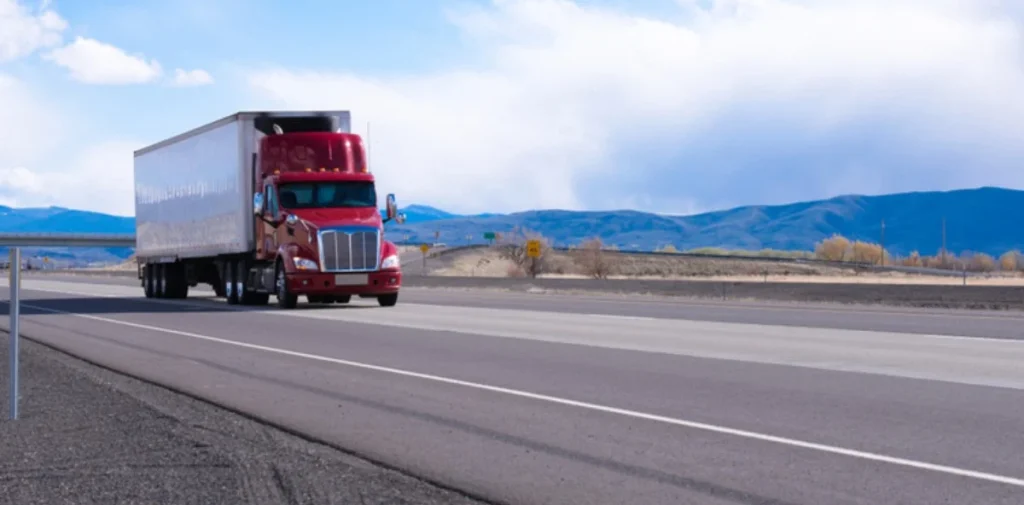
Most moves are planned around timing, packing and transport, yet the level of cover for belongings is often considered too late. Extra coverage becomes important when items face higher exposure to handling, distance, storage conditions or multiple transfer points. Whether moving within New Zealand or sending goods overseas, understanding when standard care may not be enough helps protect both practical essentials and items with personal or financial value.
Extra cover should be considered when a shipment includes furniture, electronics, artwork, antiques, musical instruments or specialist equipment that would be costly to repair or replace. Even when professional movers use appropriate packing and handling methods, transit still involves lifting, loading, stacking, road movement and delivery access, all of which create some level of risk.
Valuable belongings also need careful documentation before the move. Photos, receipts, valuations and itemised inventories help establish condition and worth if a claim is ever required. For households comparing transit insurance NZ for moving and storage protection, the key question is not only what an item is worth, but how difficult it would be to replace quickly if damage or loss occurred.
Belongings usually need extra coverage when a move crosses longer distances, such as Auckland to Wellington, Christchurch to Dunedin or any other intercity route. Longer travel increases time in transit and can expose goods to more road vibration, weather changes, loading movements and delivery scheduling variables.
Distance also affects the complexity of coordination. Items may be moved through depots, transferred between vehicles or held temporarily before final delivery. Each additional stage is managed carefully by experienced operators, but it still increases the number of touchpoints. Extra cover gives added reassurance when belongings are moving beyond a simple same-day local relocation.
Coverage becomes especially relevant when belongings are placed into storage during a move. Storage may be needed while waiting for settlement, renovation works, rental availability or international shipping clearance. During that time, items are no longer simply in transit; they are being held for a defined or sometimes uncertain period.
Secure storage reduces exposure, but it does not remove every possible risk. Fire, water ingress, accidental damage, pest issues or handling during intake and release can still affect stored goods. Extra cover is worth reviewing when items will remain packed, stacked or inaccessible for weeks or months before being delivered.
Fragile goods need extra attention because damage may happen even when the item is not especially expensive. Glassware, ceramics, mirrors, framed photos, heirlooms and sentimental objects can be difficult or impossible to replace. Their value is often personal rather than purely financial.
Items with emotional significance should be identified early so they can be packed, labelled and handled appropriately. In some cases, owners may choose to carry small irreplaceable belongings themselves. Larger fragile pieces may benefit from custom packing, crating, cushioning and additional cover that reflects their unique risk profile.
International moves often justify extra coverage because goods pass through more stages than in a domestic move. Belongings may travel by road, warehouse, port, container, sea freight, customs facility and final delivery vehicle. Each stage is part of a controlled logistics process, but the overall journey is longer and more complex.
Overseas relocations can also involve delays outside the mover’s direct control, including customs inspections, shipping schedules, port congestion or documentation issues. In international shipping, a freight forwarder may help coordinate the movement of goods between carriers and transport stages, including documentation and customs-related steps. Extra coverage is particularly useful when household goods are being shipped to Australia, the UK, the USA, Asia or Europe, where transit times and handling environments can vary.
Extra cover may also be sensible when either property has challenging access. Steep driveways, narrow streets, apartment lifts, shared loading bays, stairs, tight hallways and restricted parking can all make handling more complex. These conditions do not mean damage is likely, but they do increase the need for careful planning.
Access risks are often most noticeable at collection and delivery. Large furniture may need to be angled through tight spaces, protected from wall contact or moved over uneven ground. Identifying these conditions before moving day allows the right equipment, crew size and coverage decisions to be arranged in advance.
Extra coverage in transit is most useful when belongings are valuable, fragile, difficult to replace, travelling long distances, entering storage or moving through complex access and transport stages. It should be viewed as part of responsible move planning, not as an afterthought. By assessing risk early, documenting important items and choosing suitable protection, households can move with clearer expectations and fewer avoidable concerns.