
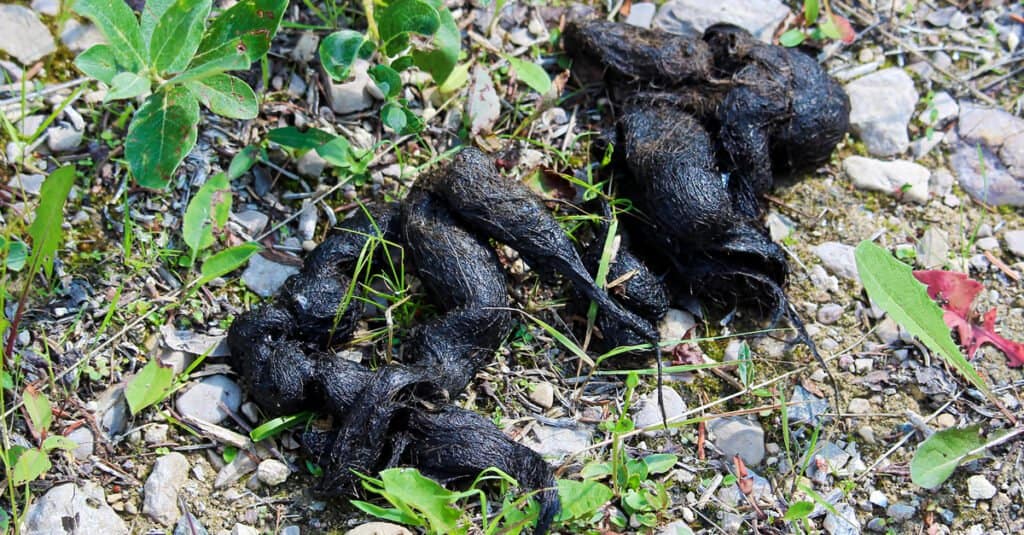
What does coyote scat look like? Across the world, from urban backyards to remote trails, this question intrigues homeowners, hikers, and wildlife enthusiasts spotting mysterious droppings. Coyote scat appears as tubular, rope-like deposits, typically 3 to 5 inches long and 3/4 inch in diameter, often twisted with tapered ends. Packed with hair, bones, seeds, or berries, it reveals the diet and presence of Canis latrans, the coyote.
In 2025, with coyote populations thriving globally in regions like North America, Central America, and even introduced populations in non-native areas, scat identification is crucial for safe coexistence. Recent global studies, including data from Yellowstone National Park, show scat containing rodent remains and plant matter, reflecting dietary adaptability.
What is coyote scat? It’s the fecal matter of the coyote, a highly adaptable canine thriving across diverse ecosystems. The term scat, meaning excrement (in Urdu: gobar, scat meaning in urdu), describes firm, segmented logs formed by a diet rich in proteins and fibers. In 2025, with coyote sightings up 15% in urban areas globally, from Toronto to Mexico City, scat signals risks to pets and property.

Scat tells a story of survival. A 2025 University of Calgary study of 300 samples found deer hair and small mammal bones, indicating a 65% predatory success rate. For suburbanites, scat in yards signals repeat visits, urging measures like hazing. As coyotes balance ecosystems by controlling rodents, scat analysis helps track their global spread and dietary shifts toward human-sourced foods like garbage.
Coyotes inhabit forests, deserts, and cities globally, with scat reflecting their adaptability. In 2025, reports from British Columbia to Costa Rica show doubled scat deposits in urban green spaces, correlating with population growth. Unlike regional cousins like jackals, coyotes mark territory with scat on trails or fences.
Scat placement reveals behavior. In London, Ontario, scat near suburban edges indicates boundary patrols. This helps communities worldwide use non-lethal deterrents like loud noises to maintain safe distances, per 2025 wildlife management trends.
What does coyote poop look like? It’s tubular, rope-like, and twisted, measuring 3 to 5 inches long and 1/2 to 3/4 inch wide with tapered ends. This shape results from efficient digestion, compacting foods into durable logs. Coyote poop size varies: larger scats follow meat-heavy diets, smaller ones fruits.
How big is coyote scat? Typically under 1 inch in diameter, per 2025 global studies. Compared to fox scat (2-3 inches) or wolf scat (6-8 inches), coyote scat is mid-sized. Its segmented nature breaks easily, revealing hair or bones, aiding identification without tools.
Fresh coyote scat is dark brown to black, especially after meat-heavy meals. As it ages, it fades to gray or tan. Does coyote poop turn white? Yes, in arid regions like Sonoran Desert, uric acid forms a chalky white coating after weeks.
In 2025, scat from Pacific Northwest shows reddish tones from berries in summer, shifting to black from carrion in winter. Color helps date scat—fresh scat glistens, old scat crumbles—guiding safe navigation in coyote zones.
What does fresh coyote poop look like? It’s moist, glossy, and steams in cool weather, holding a firm shape with a pungent odor. Fresh scat, deposited within hours, signals recent activity. Aged scat dries to a dull, crumbly state, often gray or white.
In 2025, trackers in Alberta note fresh scat near water sources, indicating active hunting. Differentiating fresh from aged scat gauges coyote proximity—fresh scat demands caution, aged scat suggests less immediate presence.
What does coyote scat look like pictures? Visuals are key for accurate identification. Coyote poop images show tubular, twisted logs with hair or seeds, often on trails or grass. In 2025, wildlife apps offer scat galleries for quick reference.
Coyote poop in yard pictures highlight scat near fences or trees, common in urban backyards. These images show segmented shapes and varied colors, aiding homeowners in spotting intrusions. Online platforms like Reddit (what does coyote scat look like reddit) share coyote scat pictures, showing real-world variations.
Coyote scat with seeds pictures reveals dietary diversity. Scat often contains berry seeds, hair, or small bones, reflecting omnivorous habits. In 2025, Vancouver samples show 50% fruit content in summer scat, per wildlife reports.
Does coyote scat have berries? Frequently, especially in fall when wild berries abound. Seed-filled scat appears lumpy, unlike smoother carnivore droppings. Hair-heavy scat indicates rodent predation, guiding habitat management.
Coyote scat vs dog is a common confusion. Coyote scat is tubular, twisted, and packed with wild elements like hair or bones. Dog poop, often softer and uniform, lacks these due to processed diets.
Pictures of coyote poop vs dog poop highlight differences: coyote scat is segmented with tapered ends, dog poop is blunter and mushier. In 2025, urban trackers use these visuals to avoid misidentification in yards.

What does coyote and fox poop look like? Fox scat is smaller (2-3 inches), thinner, and twisted with fur or feathers. What does fox scat look like? It’s pointed and less segmented. Coyote scat is larger, thicker, with bones or seeds.
Coyote scat vs bobcat shows bobcat scat as shorter (2-4 inches), chunkier, with blunt ends and dense fur from carnivorous diets. Coyote scat is more varied.
| Animal | Size | Shape | Contents | Common Location |
| Coyote | 3-5 inches | Tubular, twisted | Hair, bones, seeds | Trails, yards |
| Dog | Varies | Log-like, soft | Kibble, uniform | Yards, sidewalks |
| Fox | 2-3 inches | Thin, pointed | Fur, feathers | Wooded areas |
| Bobcat | 2-4 inches | Chunky, blunt | Dense fur | Rocky terrains |
Does coyote scat smell? Fresh scat emits a pungent, musky odor, stronger than dog poop due to wild diets. In 2025, trackers in urban parks use this to locate active zones.
What does coyote poop scat look like when touched? It’s firm when fresh, crumbly when aged, with gritty hair or bones. Unlike smooth dog waste, coyote scat feels textured.
What does a pile of coyote poop look like? Coyotes deposit multiple logs to mark territory, forming small piles of 2-4 pieces on trails or yard edges. In 2025, suburban reports note piles near fences, signaling active zones.
Seed-heavy piles are lumpier, while meat-heavy ones are smoother. What does coyote poop scat look like in piles? It’s stacked, segmented, and varied, unlike scattered dog waste.
Spotting coyote scat in your yard requires action. In 2025, with urban coyote encounters rising, safe management is key. Use gloves and sealed bags for removal to avoid parasites. Prevent visits with secure trash and fencing.
Consult wildlife professionals if scat persists, ensuring safe coexistence without harming coyotes.
What do coyote droppings look like in different environments? In urban areas, scat often contains human food scraps, appearing softer and less segmented. In wild settings like national parks, it’s firmer with natural debris like bones.
In 2025, Toronto scat shows garbage influences, while Yellowstone samples are wild-focused. This contrast helps tailor deterrence: urban areas need trash security, wild areas require trail awareness.
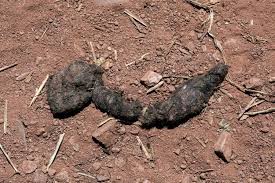
What does coyote scat look like compared to other animals?
Coyote scat is tubular, 3-5 inches long, with hair or seeds, unlike softer dog poop or thinner fox scat.
How can I tell if it’s fresh coyote poop?
Fresh coyote poop is moist, glossy, and pungent, steaming in cool weather, unlike dry, crumbly aged scat.
Does coyote scat always contain berries?
Not always, but coyote scat often has berries or seeds in fall, reflecting seasonal fruit-heavy diets.
Is coyote scat dangerous to touch?
Yes, it may carry parasites. Use gloves and disinfectants when handling to stay safe.
Where can I find pictures of coyote scat?
Coyote scat pictures are on wildlife apps or Reddit, showing tubular, twisted logs with debris.
Why does coyote poop turn white?
Coyote poop turns white in arid climates due to uric acid forming a chalky coating over time.
How big is coyote scat typically?
Coyote scat is 3-5 inches long, 3/4 inch wide, tubular, and twisted, varying by diet.
Identifying coyote scat empowers you to coexist safely with these adaptable predators in 2025. From tubular, twisted logs to hair and seed-filled deposits, scat reveals coyote diet, behavior, and presence worldwide.
Whether in urban backyards or wild trails, recognizing fresh vs. aged scat, smell, and piles guides safe navigation. By understanding differences like coyote scat vs dog or coyote scat vs bobcat, you avoid misidentification. Use visuals, wildlife apps, and precautionary measures to manage encounters, fostering respect for coyotes as ecosystem balancers.
Key Takeaways: