
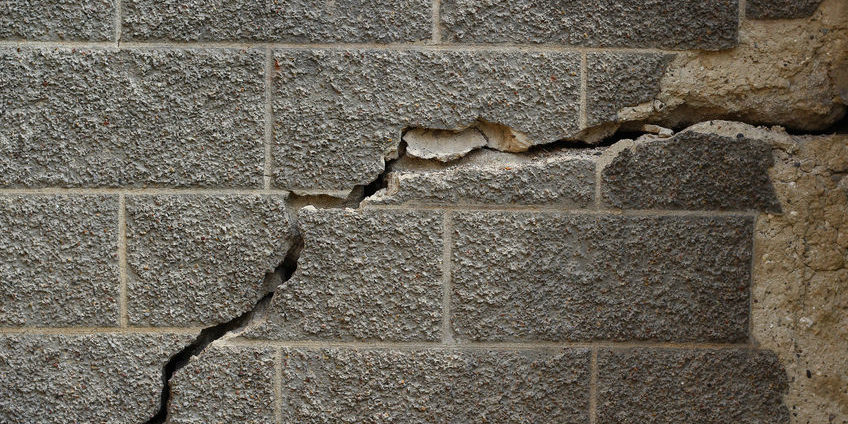
Your home may look solid outside, but minor warning signs can indicate deeper problems underneath the surface. Cracks in walls, uneven floors, and sticking doors often seem minor annoyances, but they can point to a shifting foundation. If ignored, these problems can lead to expensive repairs and may even jeopardize the safety of your home. The best way to catch problems early and avoid surprises is through a foundation inspection.
A foundation inspection doesn’t just look for visible cracks. It examines the structural health of your entire home. This type of inspection is far more detailed than a glance at your walls or floors. Licensed professionals use tools, experience, and knowledge to detect warning signs most homeowners overlook. If you’re wondering what they look for during this process, here’s what they check:
A foundation inspection includes checking how well structural elements are holding up, especially after settling or in older homes.
Many homeowners ignore early red flags, believing minor issues will resolve themselves. Unfortunately, foundation problems tend to worsen with time. Early detection allows you to make more minor repairs before major structural fixes are needed. When inspectors examine your property, they look for the following:
A foundation inspection is only as valid as the information it provides about your home’s overall structural health. A structural integrity check is a central part of the process. This step goes beyond cosmetic issues to evaluate whether your home is safe and structurally sound. Here’s why a structural integrity check is essential:
Many homeowners delay inspections until they notice damage, but waiting too long can cost more. A foundation inspection isn’t just reactive—it’s a smart part of homeownership. Knowing when to schedule one can help you save money and reduce stress. Here’s when you should consider scheduling a foundation inspection:
Even minor signs—like a hairline crack or a sticking window—can reveal much bigger structural issues hiding beneath your home. A foundation inspection in Delaware County does more than confirm what’s wrong; it uncovers how your home is shifting, where stress points are building, and what risks could emerge. It’s not just about cracks or uneven floors—it’s about protecting your investment and safety.
A thorough structural integrity check adds another insight, helping homeowners detect weaknesses in support walls, beams, and slabs before failure occurs. If you’ve seen movement, sagging, or signs that something isn’t right, now is the time to act. Don’t wait for a crack to become a crisis. Schedule a foundation inspection today and ensure your home stands strong for years.