
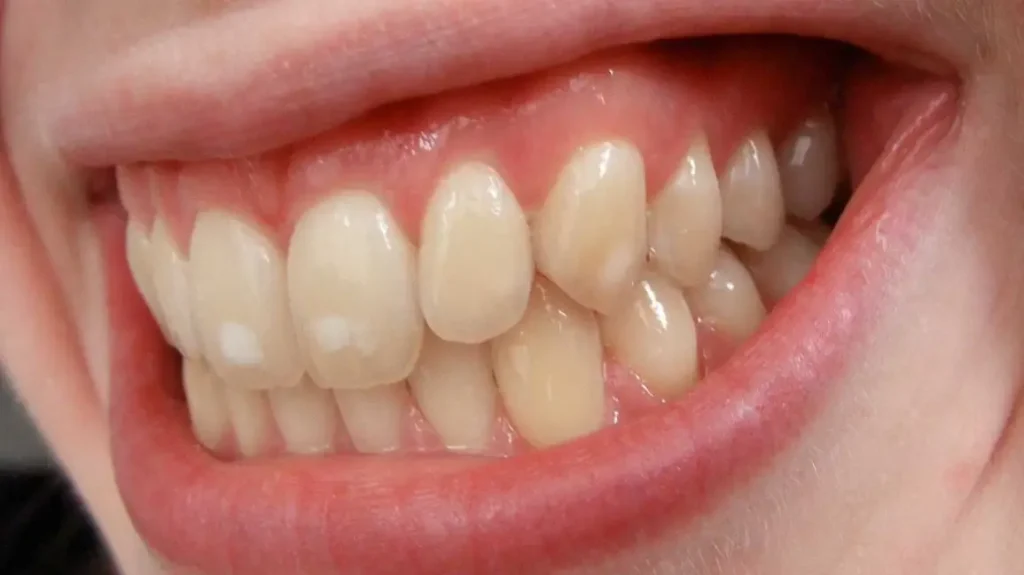
Why do I have white spots on my teeth is one of the most common dental questions people search for in 2026.
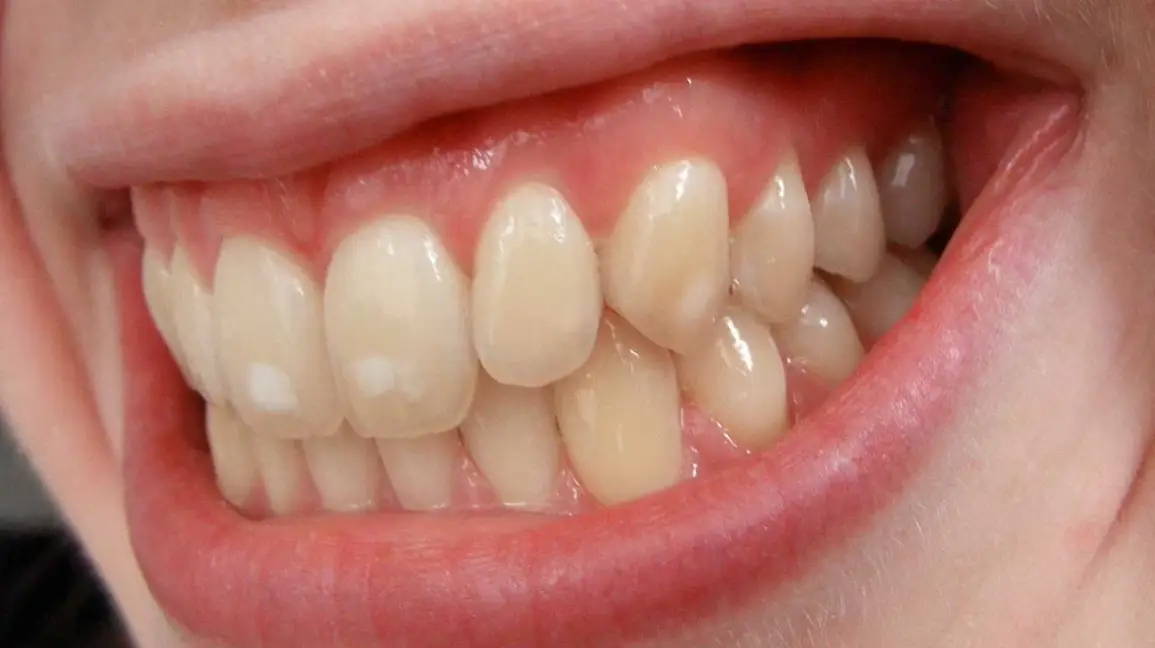
These chalky, opaque patches appear on the enamel surface and stand out from the natural tooth color.
They may look harmless at first, but they can signal early decay, mineral loss, or a developmental issue that needs attention.
The good news is that most causes are treatable when caught early.
Most top-ranking posts used this layout:
Short paragraphs of 2 to 3 sentences were a consistent feature of the top 3 ranking pages. Posts with tables for causes and treatments ranked higher on average.
White spots on teeth are areas where the enamel has lost minerals or did not develop correctly, creating a chalky or opaque patch that looks lighter than the surrounding tooth surface.
They can appear on one tooth or across multiple teeth. Some people have had them since childhood without knowing the cause.
The medical term for these patches is white spot lesions. They range from barely visible marks to large opaque areas depending on the underlying cause.
Enamel is the hardest substance in the human body and forms the outer protective layer of every tooth. It is made primarily of calcium and phosphate minerals, which give it strength and its natural off-white appearance.
When those minerals are lost or enamel does not form properly during development, the affected area becomes more porous and appears brighter white than surrounding healthy enamel.
Understanding why enamel loses minerals, or why it fails to form correctly, is the foundation for understanding why white spots appear.
Every white spot has a cause. Some causes are linked to habits and diet. Others are developmental, hereditary, or tied to dental treatment. Below is a full breakdown.
Demineralization is the most common cause of white spots on teeth. It occurs when acid produced by bacteria in plaque dissolves the calcium and phosphate minerals from the enamel surface.
When plaque is not removed consistently through brushing and flossing, it creates an acidic environment directly against the tooth. Over time this strips minerals from the enamel and leaves behind a chalky white patch.
These spots are often the earliest visible sign of tooth decay. If left untreated, the same area can progress into a cavity.
| Stage | What Happens | Appearance |
|---|---|---|
| Stage 1 | Minerals begin to leach from enamel | Faint white spot, barely visible |
| Stage 2 | Enamel becomes porous and weakened | Clear chalky white patch |
| Stage 3 | Surface begins to break down | Rough texture, spot more prominent |
| Stage 4 | Cavity forms | Brown or dark discoloration develops |
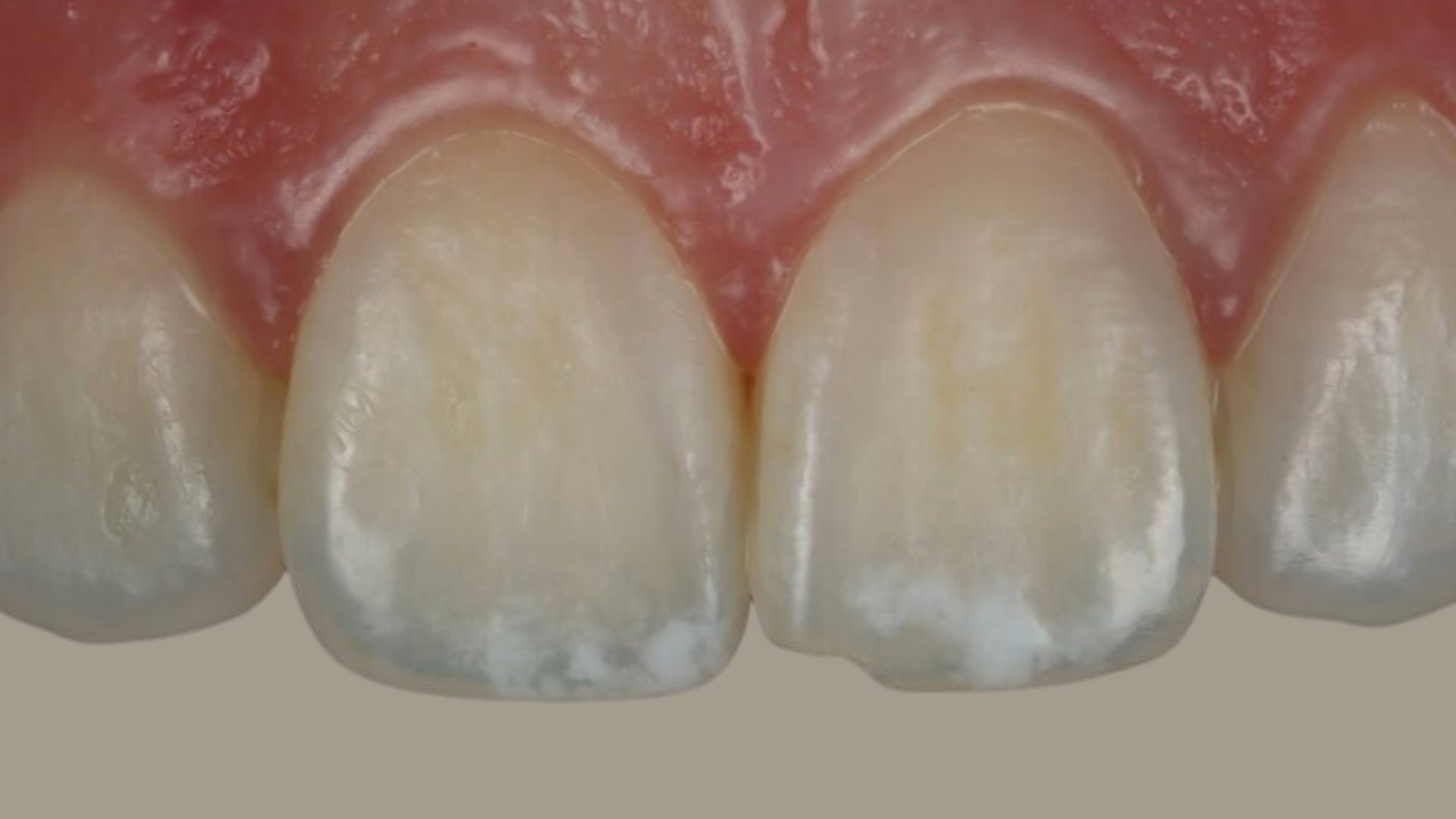
Dental fluorosis is caused by excessive fluoride intake during the years when adult teeth are forming, typically before the age of eight.
Fluoride is beneficial in controlled amounts because it strengthens enamel. However, when a child consumes too much, it interferes with the normal formation of enamel crystals. This results in white streaks, spots, or patches that become a permanent part of the tooth.
Fluorosis is not a sign of tooth decay. The teeth are structurally sound, but the cosmetic appearance is affected. Mild cases show faint white lines while severe cases show larger opaque areas.
Swallowing fluoride toothpaste rather than spitting it out is the most common source of excess fluoride in young children. Using adult-formula toothpaste before age six is another contributing factor.
High fluoride levels in drinking water can also play a role, especially in areas where natural fluoride concentrations are elevated.
Parents can reduce fluorosis risk by supervising tooth brushing and using only a pea-sized amount of age-appropriate toothpaste.
Enamel hypoplasia is a condition where the enamel does not form fully or correctly during tooth development. This leaves thin, pitted, or underdeveloped areas on the tooth surface that appear white or chalky.
It can be caused by childhood illness, high fever, nutritional deficiencies, premature birth, or certain medications taken during the years when teeth are developing.
Teeth affected by enamel hypoplasia are more prone to sensitivity, staining, and cavities because the protective enamel layer is compromised from the start.
One of the most common times people notice white spots is immediately after orthodontic braces are removed. These spots appear because brackets and wires make it difficult to clean the tooth surface around each bracket thoroughly.
Plaque accumulates in areas that cannot be reached easily with a regular toothbrush. Over months of orthodontic treatment, this localized plaque buildup causes mineral loss in those exact spots, leaving behind white lesions when the brackets are removed.
The shape of these spots often matches the outline of where the bracket sat on the tooth.
White spots that appear in the morning and fade within a few hours are almost always caused by sleeping with the mouth open throughout the night.
When the mouth stays open for hours, saliva cannot coat the tooth surfaces. Without this protective moisture layer, the enamel surface becomes temporarily dehydrated and appears brighter white.
These spots are harmless and not permanent. They typically disappear within one to two hours after the mouth is closed and saliva flow resumes.
Eating a diet high in acidic foods and drinks directly attacks tooth enamel over time. Citrus fruits, sodas, sports drinks, vinegar-based foods, and sugary snacks all contribute to enamel erosion.
As the enamel wears away from repeated acid exposure, the affected areas begin to look white or chalky compared to surrounding tooth surfaces.
This form of white spot tends to appear on multiple teeth at once and is often paired with increased tooth sensitivity to temperature and sweet foods.
| Food or Drink | pH Level | Risk Level |
|---|---|---|
| Soda (regular and diet) | 2.5 – 3.5 | Very High |
| Citrus juices (lemon, lime) | 2.0 – 3.0 | Very High |
| Sports and energy drinks | 2.9 – 3.7 | High |
| Vinegar-based foods | 2.4 – 3.4 | High |
| Coffee and tea | 4.0 – 5.0 | Moderate |
| Milk | 6.4 – 6.8 | Low |
| Water | 7.0 | Safe |
Not brushing and flossing consistently is a direct cause of white spots on teeth. When plaque is allowed to sit on the enamel surface for extended periods, the bacteria in it produce acids that begin to dissolve minerals from the enamel.
These early decay spots appear white before they progress into visible cavities. They are most common along the gum line and between teeth, where plaque tends to accumulate.
Improving brushing technique and frequency can stop demineralization in its early stages and allow the enamel to begin remineralizing naturally.
A lack of calcium, vitamin D, or phosphate during the years when teeth are developing can interfere with proper enamel formation. Teeth that did not receive adequate mineral nutrition during development are more likely to show white spots throughout life.
This is particularly relevant for children who had significant dietary deficiencies during early childhood, or for individuals who experienced illness or absorption disorders during developmental years.
Adults cannot reverse these developmental white spots through diet alone, but professional treatments can address their appearance.
Severe illness or prolonged high fever during early childhood can disrupt the process of enamel formation while adult teeth are still developing beneath the gum line.
The disruption leaves a visible marker on the enamel at the point of growth that was occurring during the illness. These markers often appear as white, brown, or yellow bands across the tooth.
These spots are permanent and do not indicate an ongoing problem, but they can be treated cosmetically.
Not every tooth discoloration is a white spot in the dental sense. Knowing the difference helps you understand the cause and choose the right treatment.
| Type of Discoloration | Color | Common Cause | Permanent? |
|---|---|---|---|
| White spot lesion | Chalky white | Demineralization, fluorosis | Usually yes |
| Morning dehydration spot | Bright white | Mouth breathing during sleep | No, fades in hours |
| Early cavity | White to brown | Mineral loss progressing to decay | Yes, worsens without treatment |
| Fluorosis | White streaks or patches | Excess fluoride in childhood | Yes |
| Enamel hypoplasia | White, yellow, or brown | Developmental disruption | Yes |
| Staining from food | Yellow or brown | Coffee, tea, tobacco | Partially reversible |
The right treatment depends on the cause and severity of the white spots. Some options can be started at home while others require professional dental care.
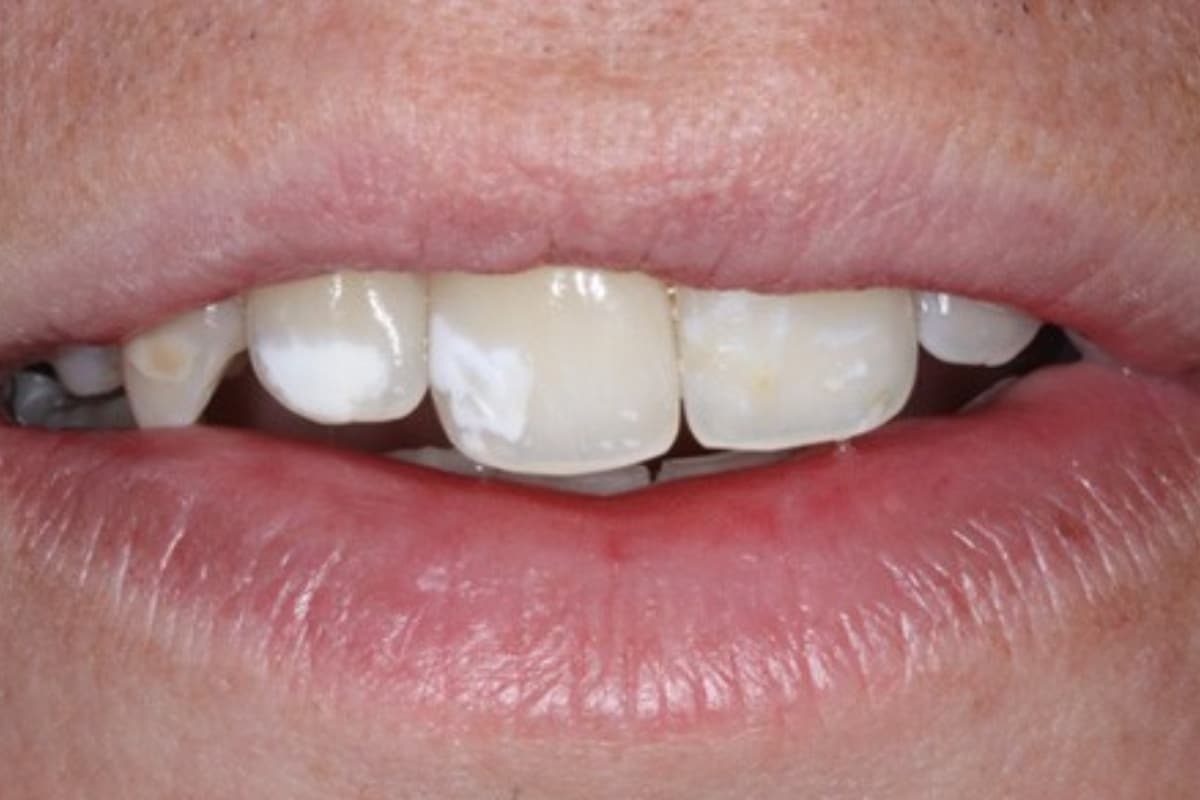
For white spots caused by early demineralization, remineralization is the first-line approach. This involves restoring the minerals that the enamel has lost.
Fluoride toothpaste and fluoride mouth rinses help deliver minerals back into the enamel when used consistently. Products containing hydroxyapatite, a form of calcium phosphate, are also highly effective at rebuilding enamel.
Remineralization works best on early-stage white spots. It cannot reverse spots that have progressed to cavities or developmental conditions like fluorosis.
Microabrasion is a professional dental procedure that removes a very thin layer of the outer enamel surface using a mildly abrasive compound. This can reduce or eliminate the appearance of white spots that are limited to the outer enamel layer.
It is a quick, minimally invasive procedure often performed alongside professional fluoride treatment. Multiple sessions may be needed for more prominent spots.
Microabrasion is most effective for fluorosis-related spots and surface-level demineralization marks.
ICON resin infiltration is a modern dental treatment specifically designed to treat white spot lesions without drilling. A low-viscosity resin is applied to the affected area and penetrates the porous enamel to fill in the mineral-depleted zones.
Once cured, the resin restores the optical properties of the tooth so the white spot blends in with the surrounding enamel. Results are long-lasting and the procedure is painless.
ICON is considered the gold standard for treating white spots caused by demineralization and orthodontic treatment.
When white spots are large, severe, or caused by enamel hypoplasia or advanced fluorosis, dental veneers may be the most effective treatment option.
Veneers are thin shells of porcelain or composite resin bonded to the front surface of the tooth. They completely cover the white spot and create a uniform, natural-looking appearance.
Veneers are permanent and require some removal of natural enamel during placement, so they are typically reserved for cases where other treatments are not sufficient.
Dental bonding uses tooth-colored composite resin applied directly to the spot and shaped to match the natural tooth surface. It is a less expensive alternative to veneers for isolated white spots.
Bonding is completed in a single appointment and does not require tooth preparation in most cases. The resin is hardened with a curing light and polished to a natural finish.
It is a practical option for white spots after braces or those caused by localized demineralization.
Prevention is more effective than any treatment. Most white spots caused by lifestyle and hygiene factors are entirely preventable with consistent habits.
Brushing at least twice daily and flossing once a day removes plaque before it has time to produce enamel-damaging acids. Proper technique matters as much as frequency.
Use a soft-bristled toothbrush and fluoride toothpaste. Make sure to clean along the gum line and between teeth where plaque accumulates most heavily.
If you wear braces, invest in an interdental brush or water flosser to clean around brackets and wires more thoroughly.
Reducing the frequency of acidic and sugary food and drink consumption significantly lowers the risk of enamel erosion and demineralization.
It is not necessary to eliminate these foods entirely. The key is to reduce how often teeth are exposed to acid throughout the day and to rinse with water after consuming acidic foods.
Drinking acidic beverages through a straw reduces direct contact with tooth enamel.
Children under eight should use only a small amount of age-appropriate fluoride toothpaste and be supervised to ensure they spit rather than swallow.
If the local water supply has elevated fluoride levels, consult a dentist about whether fluoride supplements are needed or should be avoided.
Fluoride is beneficial in the right amounts. The goal is to get enough for protection without exceeding the level that causes fluorosis.
Saliva is the body’s natural defense against enamel demineralization. It neutralizes acids and deposits minerals back onto the tooth surface continuously.
Staying well hydrated supports healthy saliva flow. If you frequently breathe through your mouth at night, speak to a doctor about addressing the underlying cause such as nasal congestion, enlarged adenoids, or sleep apnea.
Treating mouth breathing reduces nighttime enamel dehydration and protects long-term enamel health.
Routine dental visits allow a dentist to detect early white spot lesions before they progress into cavities. Professional cleaning removes hardened plaque that home brushing cannot reach.
Your dentist can also apply professional fluoride treatments that strengthen enamel and apply sealants to protect vulnerable areas of the teeth.
Visiting a dentist every six months is the most reliable way to catch and address white spots early.
| Treatment | Best For | Invasiveness | Duration of Results |
|---|---|---|---|
| Fluoride remineralization | Early demineralization spots | None | Ongoing with maintenance |
| ICON resin infiltration | Post-brace spots, early lesions | Minimal | Long-lasting |
| Microabrasion | Surface fluorosis, mild spots | Very low | Permanent |
| Composite bonding | Isolated spots | Low | 5 – 10 years |
| Porcelain veneers | Severe hypoplasia, large spots | Moderate | 10 – 20 years |
Not every white spot requires urgent dental care, but there are clear signs that professional evaluation is needed.
See a dentist if white spots appear suddenly on teeth that were previously clear. Sudden appearance can indicate rapid demineralization or early decay that needs immediate attention.
Also seek professional advice if spots are accompanied by tooth sensitivity, pain when eating sweet or cold foods, or a rough texture on the enamel surface. These signs suggest the spots have progressed beyond surface level.
Regular brushing reduces risk but does not eliminate all causes. Fluorosis, developmental issues, and acidic diet can cause white spots even with good oral hygiene.
White spots caused by demineralization are the earliest stage of tooth decay, but not all white spots are cavities. Fluorosis and mouth breathing also cause them without any decay.
Spots caused by nighttime mouth breathing fade within a few hours. Other types caused by mineral loss or developmental issues do not disappear without treatment.
Treatment depends on the cause. Options include remineralization toothpaste, ICON resin infiltration, microabrasion, dental bonding, or veneers for severe cases.
Plaque builds up around brackets over the months of orthodontic treatment, causing localized demineralization. These spots are revealed when the brackets are removed.
Teeth whitening tends to make white spots more noticeable in the short term because it brightens surrounding enamel. It does not treat the underlying cause of white spots.
White spots in children are common and are often caused by fluorosis from swallowing toothpaste or by early enamel development issues. A pediatric dentist can assess the cause.
Most white spots cause no sensation. However, spots linked to deeper demineralization or enamel hypoplasia may cause sensitivity to cold, sweet, or acidic foods.
A diet low in acid and sugar, and rich in calcium, phosphate, and vitamin D, supports strong enamel and reduces the risk of demineralization white spots significantly.
Dentists treat white spots using fluoride application, ICON infiltration, microabrasion, composite bonding, or veneers depending on the type, size, and depth of the lesion.
Why do I have white spots on my teeth is a question with multiple answers, and the right answer for you depends on when the spots appeared, where they are located, and what your dental history looks like.
The most common causes in 2026 are demineralization from plaque, dental fluorosis from excess childhood fluoride, enamel hypoplasia, post-brace mineral loss, acidic diet, and poor oral hygiene.
Some causes are developmental and permanent while others are lifestyle-related and preventable.
Modern treatments including ICON resin infiltration, microabrasion, and dental bonding have made it easier than ever to restore the appearance of affected teeth.
The best step you can take is to schedule a dental exam, identify the specific cause of your white spots, and begin the appropriate treatment before any early-stage lesions have the chance to progress into cavities.