
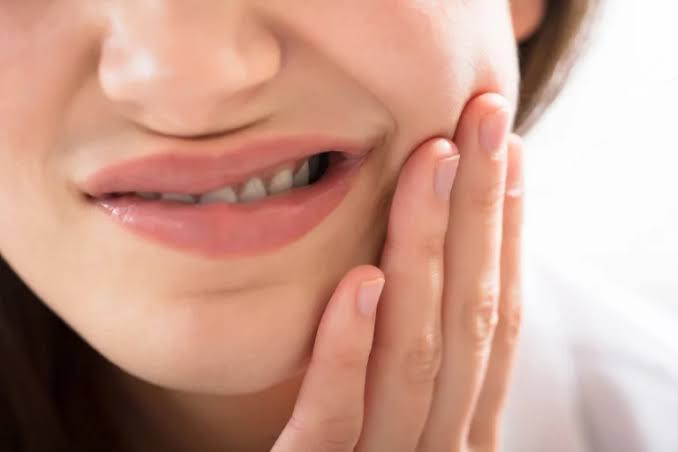
If you keep asking yourself “Why Do I Bite My Cheeks“ you’re not alone, and it’s rarely random. It usually comes down to one of three things: an accidental slip while chewing, a misaligned bite, or a subconscious stress habit.

Cheek biting typically falls into two categories: accidental biting caused by eating fast, talking while chewing, or a misaligned bite, and habitual biting linked to stress, anxiety, or boredom. When it becomes chronic and repetitive, it’s classified by the DSM-5 as a body-focused repetitive behavior — a subcategory of obsessive-compulsive and related disorders.
The medical term for repeated cheek biting is morsicatio buccarum. It’s a common condition where a person repeatedly bites the inner cheek, and it becomes concerning once it shifts from an occasional accident into a regular, subconscious habit.
Doctors generally separate cheek biting into distinct patterns based on when and why it happens: accidental biting during eating or talking, regular accidental biting linked to jaw or dental problems, biting during sleep, and habitual biting that’s simply a subconscious behavior.
Rushed meals are one of the simplest explanations. Being distracted while eating — reading or watching TV during meals, for example — can result in biting your cheek without realizing it.
Combining speech and chewing throws off your bite timing. Everybody bites their cheek once in a while, and it often happens accidentally during sports, roughhousing, or even while chewing food or gum.
This is one of the most common physical causes of repeated biting. A malocclusion makes it more likely for your teeth to catch the inside of your cheek when you bite down, and crossbites are among the most common forms of malocclusion.
Specific bite types carry their own risks. A back crossbite can cause you to shift your jaw to one side to chew, which can result in biting your cheek or tongue, while an excessive overbite or underbite also increases the chances of accidental bites.
Emerging wisdom teeth can quietly shift your bite. Some people notice regular accidental cheek biting related to the eruption of their wisdom teeth, which can cause more irritation and cuts to the insides of the cheeks as they break through.
For many people, cheek biting is a coping mechanism rather than an accident. When we’re stressed, biting the inside of the cheek can become a subconscious mechanism to release tension, and deep thought or concentration can also cause people to bite their cheeks absentmindedly.
Cheek biting doesn’t only happen while you’re awake. Teeth grinding, especially during sleep, is a common cause of cheek bites, since the pressure from grinding can result in accidental bites on the inner cheek.
Sharp edges from dental appliances can catch the cheek repeatedly. Misaligned teeth or sharp edges on crowns, fillings, or dentures can catch the cheek, and uneven bites may increase the chance of biting during regular chewing or speaking.
Once you’ve bitten your cheek, that spot becomes an easier target. Repetitive cheek biting creates a raised ridge along the inside of the cheek, making it more likely that you’ll accidentally bite yourself while chewing again.
| Feature | Accidental Biting | Habitual Biting (BFRB) |
|---|---|---|
| Trigger | Eating fast, talking, distraction | Stress, boredom, anxiety |
| Awareness | Usually noticed immediately | Often unconscious |
| Frequency | Occasional | Repeated, ongoing |
| Underlying cause | Bite misalignment, dental work | Psychological/emotional |
| Typical fix | Slow down, dental check | Stress management, therapy |
Occasional cheek biting rarely causes lasting harm, but frequent biting leaves clues. Watch for these signs that it’s becoming a bigger issue:
It’s worth scheduling a dental appointment if cheek biting is causing persistent sores that don’t heal within two weeks, if you notice lumps or unusual tissue changes, or if it’s affecting your ability to eat comfortably.
Yes, if it becomes chronic. Ongoing cheek biting can lead to ulcers, sores, and scar tissue formation inside the mouth, which can affect both eating and speaking.
Open wounds also carry infection risk, since injured tissue inside the mouth is susceptible to bacteria, which can further complicate oral health.
In rare cases, severe habitual biting has been linked to more serious medical complications. One documented case involved a young woman whose habitual cheek biting caused facial swelling and air trapped beneath the skin, extending into the neck and upper chest and requiring hospital observation.
Cognitive behavioral therapy in particular has been shown to be effective in managing body-focused repetitive behaviors like habitual cheek biting.
| Option | Pros | Cons |
|---|---|---|
| Night guard | Prevents sleep biting and grinding damage | Doesn’t address daytime habitual biting |
| Orthodontic treatment | Fixes the root structural cause | Takes months, can be costly |
| CBT/therapy | Addresses psychological triggers | Requires time and consistency |
| Mindfulness practice | Free, low effort to start | Less effective for severe BFRB alone |
| Dental adjustment | Quick fix for sharp edges or fillings | Only helps if dental work is the cause |
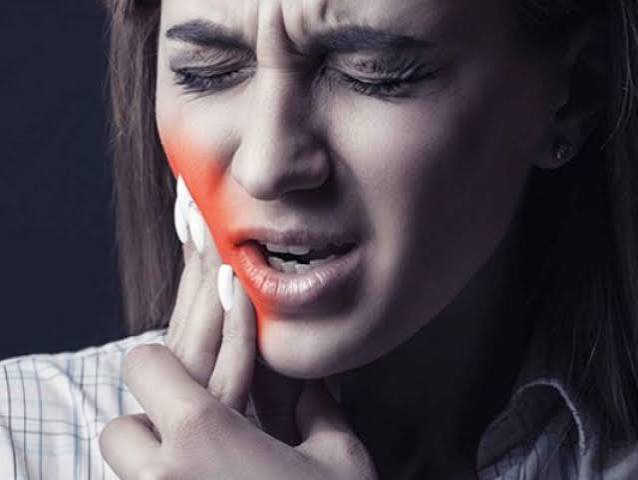
Occasional cheek biting rarely needs medical attention, but recurring biting is worth a professional look. Frequent or ongoing biting may signal an underlying dental or behavioral issue, and it’s worth seeking help if you notice pain, especially when eating or speaking.
A dentist will typically check several things during your visit — reviewing your history, examining your mouth for sore spots or white patches, checking your bite for misalignment, assessing any dental work, and considering nighttime habits like clenching or grinding.
Don’t wait for the pattern to become obvious before addressing it. Paying attention to your own behavior as soon as you notice the chewing helps you catch the triggers and signs that lead to the habit before it becomes deeply ingrained.
Once tissue is injured, it swells slightly and creates a raised area that’s easier for your teeth to catch again, which keeps the same spot getting bitten repeatedly.
It can be. Habitual cheek biting is often a subconscious coping response to stress, anxiety, or nervous energy, similar to nail-biting.
Yes. When your bite doesn’t line up correctly, your cheek tissue is more likely to get caught between your teeth during normal chewing or talking.
Nighttime cheek biting is often linked to bruxism, or teeth grinding, which puts uneven pressure on the jaw and increases the chance of accidental bites.
Chronic, subconscious cheek biting is classified as a BFRB, in the same category as nail-biting and hair-pulling.
If it happens frequently, causes sores that don’t heal within two weeks, or creates visible lumps or scarring, it’s time to see a dentist.
Yes. Emerging wisdom teeth can shift your bite alignment and irritate the surrounding cheek tissue as they come in.
Occasional accidental biting resolves on its own, but habitual or structurally caused biting usually needs a dental or behavioral fix to stop.
Yes, for habit-related cases. Techniques like deep breathing, mindfulness, and therapy can reduce the urge significantly.
It depends on the cause. See a dentist first to rule out bite or dental issues, and a therapist if stress or anxiety appears to be the trigger.
Yes, especially for nighttime biting linked to grinding. A custom guard creates a barrier that prevents your teeth from catching your cheek.
Boredom often triggers repetitive self-soothing behaviors, and cheek biting can become an unconscious outlet similar to fidgeting.
Yes. Poorly fitted braces, retainers, or other appliances can create sharp edges or shift your bite in ways that increase cheek biting.
Yes, hard or crunchy foods combined with fast eating make it easier to misjudge your bite and catch your cheek.
It can if the wound doesn’t heal properly. Open sores inside the mouth are vulnerable to bacteria, so persistent sores should be checked.
Often, yes. In children it can also be linked to jaw development, distraction while eating, or an emerging nervous habit.
Some evidence suggests deficiencies in certain vitamins may contribute to oral sensitivity, which could play a small role in the habit.
Yes. TMJ disorder can throw off your bite balance, making it easier to accidentally catch your cheek, lip, or tongue while chewing.
Rinsing gently with warm salt water and avoiding spicy or acidic foods can ease discomfort while the tissue heals.
Cognitive behavioral therapy can significantly reduce or eliminate the habit for many people by addressing the underlying trigger.
Biting your cheek occasionally is completely normal, but frequent or unconscious biting usually points to a misaligned bite, dental work, or stress-related habit.
Identifying which category you fall into is the first step toward stopping it for good. If sores keep returning or the behavior feels hard to control, a dentist or therapist can help you break the cycle.