
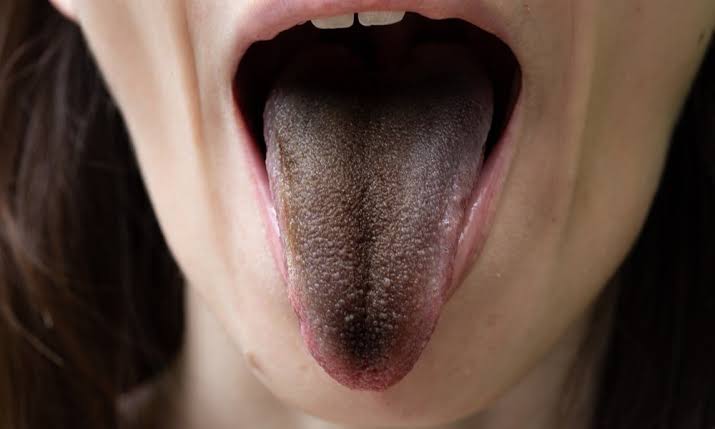
Why does Pepto Bismol cause black tongue? It happens because bismuth, the active mineral in Pepto Bismol, reacts with natural sulfur compounds in your mouth to form a black substance called bismuth sulfide.
This reaction can look alarming the first time you see it, especially when your tongue turns dark gray or black within hours of taking the medicine.

Pepto Bismol causes black tongue because its active ingredient, bismuth subsalicylate, reacts with sulfur in your saliva and digestive tract. This reaction produces bismuth sulfide, a black compound that temporarily coats the tongue.
The discoloration is harmless and usually fades within a few days after you stop taking the medication.
Pepto Bismol’s main ingredient is bismuth subsalicylate, a compound chemically related to aspirin. It belongs to a drug class called salicylates.
This ingredient works by coating the stomach lining, reducing inflammation, and calming excess stomach acid. That is why it helps with diarrhea, nausea, indigestion, and upset stomach.
Beyond explaining the tongue discoloration, it helps to understand why so many households keep this medication on hand in the first place. Pepto Bismol is one of the most widely used over-the-counter digestive remedies in the United States.
Because it is sold without a prescription and works quickly, many people take it regularly without realizing bismuth is the ingredient responsible for the tongue color change.
Black tongue develops through a straightforward chemical process rather than any infection or damage to the tongue itself. Understanding this reaction helps explain why the color appears so quickly.
Because this is a pigment reaction rather than tissue damage, the tongue itself is not injured during the process.
| Step | What Occurs | Result |
|---|---|---|
| 1 | Bismuth subsalicylate is ingested | Enters saliva and digestive tract |
| 2 | Oral bacteria release sulfur compounds | Hydrogen sulfide gas is produced |
| 3 | Bismuth binds with sulfur | Bismuth sulfide forms |
| 4 | Bismuth sulfide settles on tissue | Tongue and stool appear black |
No, this type of discoloration is considered harmless and temporary. It is a well-documented, expected side effect rather than a sign of illness.
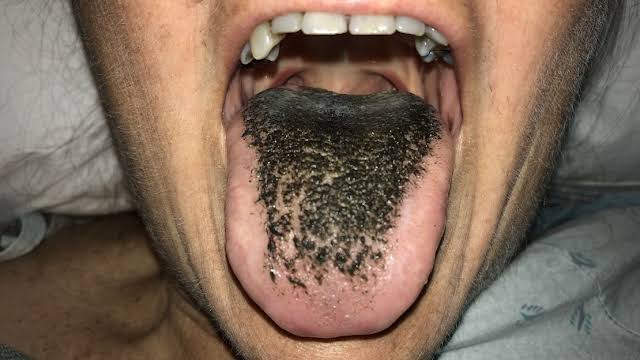
Doctors sometimes refer to it as a “pseudo-black hairy tongue” because it can look similar to a different condition without actually being the same thing underneath.
Many people confuse Pepto Bismol black tongue with a separate condition called black hairy tongue, but the two have different causes. Knowing the difference can prevent unnecessary worry.
Black hairy tongue, medically known as lingua villosa nigra, happens when the tongue’s tiny papillae elongate and trap bacteria, yeast, or food debris. It is often linked to smoking, dry mouth, or poor oral hygiene rather than a single medication reaction.
| Feature | Pepto Bismol Black Tongue | Black Hairy Tongue |
|---|---|---|
| Cause | Chemical reaction with bismuth | Papillae overgrowth and bacterial buildup |
| Onset | Within hours of taking the medicine | Develops gradually over days or weeks |
| Texture | Tongue surface remains normal | Tongue appears fuzzy or hairy |
| Common triggers | Bismuth subsalicylate | Smoking, antibiotics, dry mouth |
| Resolution | Fades within days after stopping use | May take longer and needs hygiene changes |
For most people, the discoloration begins fading within a few days of stopping Pepto Bismol. Since the drug leaves the body quickly, the visible effect is usually short-lived.
Certain factors can make the discoloration more visible or longer-lasting. This does not mean these individuals are at higher risk of harm, only that the effect may be more noticeable.

Not everyone who takes Pepto Bismol notices the same degree of tongue discoloration, and that variation comes down to individual biology. Saliva composition and oral bacteria levels differ significantly between people.
Someone with naturally drier mouth conditions may retain the bismuth sulfide compound longer, since saliva plays a role in washing away surface staining. Diet, hydration levels, and how often the tongue is brushed can all influence how quickly the color clears.
None of these factors indicate a problem with how the medication is working. They simply explain why two people using the same product may see slightly different results.
While the discoloration resolves on its own, a few simple habits can help it clear faster and keep your mouth comfortable in the meantime.
Not every case of a dark tongue is related to Pepto Bismol, which is why it helps to know what else can cause similar changes. Several other medications and habits are associated with tongue pigmentation.
If you notice tongue discoloration and have not taken Pepto Bismol recently, consider whether any of these other factors might apply before assuming it will resolve on its own.
Most cases of Pepto Bismol black tongue are completely harmless, but certain signs mean it is time to contact a healthcare provider. Do not ignore these warning symptoms.
If any of these apply to you, contact a doctor or pharmacist promptly rather than waiting for the discoloration to resolve on its own.
Pepto Bismol should not be given to children, adolescents, or teenagers who have or are recovering from chickenpox or flu-like symptoms. This warning exists because of a rare but serious risk called Reye syndrome.
Black tongue is not the only temporary effect users may notice while taking this medication. Being aware of these can help you distinguish normal reactions from something that needs attention.
Because bismuth subsalicylate is chemically related to aspirin, it can interact with certain other medications and health conditions. Being aware of these interactions helps you use the product safely alongside other treatments.
Always review the Drug Facts label and speak with a pharmacist if you take other regular medications alongside Pepto Bismol.
Following label directions closely reduces the likelihood of unwanted side effects, including prolonged tongue or stool discoloration. A few simple habits go a long way toward safe use.
Good oral care habits support faster recovery from any temporary staining and keep your mouth healthy overall. These tips are useful whether or not you notice tongue discoloration.
These habits will not prevent the chemical reaction from bismuth, but they can help the tongue’s surface clear faster once the medication leaves your system.
Clinical case reports published in medical literature confirm bismuth subsalicylate as a documented cause of temporary tongue pigmentation, distinct from infectious or structural tongue conditions. Pharmacist-reviewed drug resources consistently describe the reaction as harmless and self-limiting once the medication is discontinued.
This consistency across pharmacological and clinical sources supports the reliability of the explanation provided in this guide.
Before moving into common questions, here is a quick summary of the core facts covered above. These points sum up the entire topic in a few lines.
Bismuth subsalicylate reacts with sulfur compounds in your mouth to form bismuth sulfide, a black substance. This coats the tongue’s surface temporarily.
No, it is temporary and typically fades within a few days after you stop taking the medication. It does not cause lasting damage.
Yes, the same chemical reaction can darken stool color. This is considered a normal and harmless side effect.
Pepto Bismol black tongue is a chemical staining reaction with no change in tongue texture. Black hairy tongue involves elongated papillae and is usually linked to bacteria or smoking.
Most people see improvement within a few days, with full recovery often within a week. Individual timing can vary slightly.
Not necessarily, since this is an expected side effect for many users. However, contact a doctor if you are concerned or if symptoms persist.
No, this type of discoloration is not typically associated with pain. Pain or burning should be evaluated by a healthcare provider.
Pepto Bismol is intended for adults and children aged 12 and older. Children recovering from chickenpox or flu-like illness should avoid it due to the risk of Reye syndrome.
Contact your doctor or dentist for evaluation. Prolonged discoloration may have a different underlying cause unrelated to Pepto Bismol.
Yes, gently brushing your tongue during your regular oral hygiene routine can help remove surface staining. This supports the body’s natural recovery process.
Pepto Bismol causes black tongue because its active ingredient, bismuth subsalicylate, reacts with sulfur compounds naturally present in your mouth. This forms bismuth sulfide, a harmless black substance that temporarily coats the tongue’s surface.
This effect is not a sign of illness or tongue damage, and it typically fades within a few days once you stop taking the medication. It is also different from black hairy tongue, which stems from papillae overgrowth rather than a chemical reaction.
If discoloration lingers beyond a week, appears without Pepto Bismol use, or comes with pain, it is worth checking in with a doctor or dentist. In most cases, though, a little patience and good oral hygiene are all you need for your tongue to return to normal.
Understanding the chemistry behind this side effect can turn a startling moment in the bathroom mirror into a simple, reassuring explanation grounded in basic biology rather than concern.