

Why is my dog coughing so much lately? It could be something as mild as a scratchy throat from pulling on the leash, or it could point to kennel cough, allergies, a collapsing trachea, or even heart disease.
Occasional coughing is normal for dogs, just like it is for people, but frequent or worsening episodes deserve a closer look.
Here is a fast summary table of the most frequent reasons dogs cough, so you can scan for the closest match to what you’re seeing.
| Cause | How Common | Typical Cough Sound |
|---|---|---|
| Kennel cough | Very common | Dry, hacking, honking |
| Collar or leash pressure | Very common | Sudden, brief, gagging |
| Allergies | Common | Repetitive, dry |
| Collapsing trachea | Common in small breeds | Goose-honk |
| Reverse sneezing (mistaken for cough) | Common | Snorting, not true cough |
| Heart disease | Moderate, more in seniors | Soft, worse at night |
| Foreign object in airway | Less common | Sudden, gagging, distressed |
| Pneumonia | Less common | Wet, phlegmy |
| Heartworm disease | Less common | Persistent, worsening |
| Canine influenza | Less common | Hacking with fever |
| Lungworm | Rare | Persistent, varied |
| Lung cancer | Rare | Chronic, in older dogs |

A single cough here and there is completely normal. Dogs cough to clear their throat, just like people do after inhaling dust or drinking water too fast.
The concern starts when coughing becomes frequent, repeats throughout the day, or is joined by other symptoms like lethargy or appetite loss.
Kennel cough is one of the most common reasons for a sudden, persistent cough. It’s highly contagious and spreads quickly in places where dogs gather.
The cough is usually dry, hacking, and can sound like a goose honking. Dogs often remain playful and eat normally despite the cough.
What helps: Rest, isolation from other dogs, and a vet visit if it lasts more than a few days or your dog seems unwell.
Coughing right after a walk is often simply mechanical. Pulling against a collar puts direct pressure on the windpipe, causing a brief, dry cough.
This type of cough usually stops quickly once the pressure is released and rarely signals anything serious.
What helps: Switch to a harness instead of a collar and work on loose-leash training.
Dogs can develop environmental allergies to pollen, dust, mold, and even certain foods. Airway inflammation from these allergens often triggers coughing.
Seasonal patterns are a strong clue here. If coughing flares up during spring or fall, allergies are a likely explanation.
What helps: Reducing exposure to known triggers and discussing antihistamines or other allergy management with your vet.
This condition happens when the cartilage rings supporting the windpipe weaken over time, causing the airway to narrow. It’s especially common in small and toy breeds.
The hallmark sign is a dry, harsh cough that sounds like a goose honk, often triggered by excitement, heat, or exercise.
What helps: Weight management, a harness instead of a collar, and vet-guided treatment ranging from medication to surgery in severe cases.
Many owners mistake reverse sneezing for a cough. It happens when something irritates the back of the nasal passages, causing rapid snorting sounds.
Occasional reverse sneezing is harmless, but frequent episodes or visible facial swelling should be checked by a vet.
What helps: Gently stroking your dog’s throat can sometimes help end an episode faster.
Heart disease is a common and important cause of chronic coughing, especially in older dogs. An enlarged heart can press on the airway or lead to fluid buildup in the lungs.
This cough tends to be soft and persistent, and it often worsens at night or when your dog is lying down.
What helps: Prompt veterinary evaluation, since heart-related coughing usually requires ongoing medication and monitoring.
Dogs explore the world with their nose and mouth, which means grass, food, or small objects can occasionally get inhaled or lodged in the throat.
This cough is usually sudden, distressed, and paired with gagging or difficulty breathing.
What helps: This is an emergency. If your dog is struggling to breathe or swallow, contact a vet immediately.
Pneumonia is inflammation or infection in the lungs, and it can be caused by bacteria, viruses, fungi, or inhaled irritants.
A wet, phlegmy-sounding cough is the biggest clue, often paired with lethargy, fever, or reduced appetite.
What helps: Veterinary diagnosis and treatment right away, since pneumonia can progress quickly if untreated.
Heartworms are transmitted through mosquito bites and gradually mature in the heart and lungs, causing inflammation and a persistent, worsening cough.
Left untreated, heartworm disease can lead to serious heart and lung damage over time.
What helps: Year-round heartworm prevention, and prompt treatment if your dog tests positive.
Canine influenza is a contagious respiratory virus that spreads easily between dogs, similar to kennel cough but caused by a different pathogen.
Symptoms often include a hacking cough, fever, nasal discharge, and reduced energy.
What helps: Supportive veterinary care, isolation from other dogs, and prevention through vaccination where available.
Lungworm is a parasitic infection dogs can catch by eating infected slugs, snails, or contaminated grass.
Besides coughing, symptoms can include weight loss, fatigue, and breathing difficulty as the infection progresses.
What helps: Regular deworming treatment and prompt vet care if lungworm is suspected.
Lung cancer is a rare but serious cause of chronic coughing, most often affecting older dogs.
A cough that persists for weeks without improvement, especially in a senior dog, should always be evaluated.
What helps: Imaging and diagnostic testing from a vet to confirm a diagnosis and discuss treatment options.
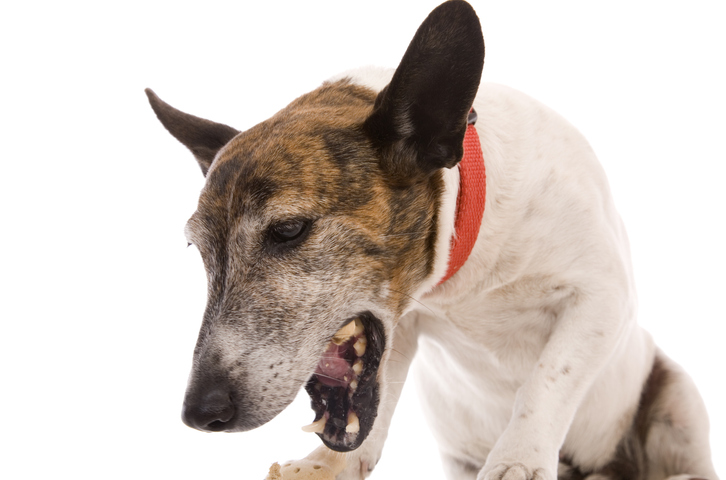
The sound of your dog’s cough offers real clues about what’s happening internally. This table breaks down common sounds and their likely meaning.
| Cough Sound | Likely Cause |
|---|---|
| Dry, honking | Kennel cough or collapsing trachea |
| Wet, phlegmy | Pneumonia or lower airway issue |
| Soft, worse at night | Heart disease |
| High-pitched, gagging | Sore throat or airway irritation |
| Sudden with distress | Possible foreign object |
Coughing alone is often not urgent, but certain accompanying symptoms change the picture significantly.
| Symptom | Why It Matters |
|---|---|
| Blue or pale gums | Sign of oxygen deprivation, emergency |
| Labored or rapid breathing | Suggests respiratory distress |
| Lethargy or weakness | May indicate infection or heart issue |
| Loss of appetite | Common with underlying illness |
| Fever | Points to active infection |
| Collapse | Requires immediate emergency care |
Knowing your dog’s normal resting breathing rate makes it easier to spot a problem early.
Count breaths per minute while your dog is calm and resting. A normal range for most dogs is 10 to 30 breaths per minute.
Also check gum color. Healthy gums are pink; blue or pale gums signal an emergency and need immediate veterinary attention.
A cough that lasts more than a day or two, especially alongside other symptoms, is a signal to schedule a vet visit rather than wait it out.
You should also call sooner if your dog is a puppy, a senior, or has a known history of heart or respiratory conditions, since these groups are more vulnerable.
| Warning Sign | Action Needed |
|---|---|
| Struggling to breathe | Emergency vet immediately |
| Blue-tinged or pale gums | Emergency vet immediately |
| Choking or can’t swallow | Emergency vet immediately |
| Collapse | Emergency vet immediately |
| Cough lasting more than a few days | Schedule a vet appointment |
| Cough with fever or lethargy | Schedule a vet appointment |
Understanding the diagnostic process can ease some of the worry before your appointment.
Your vet will typically start with a physical exam and a detailed history, asking about how often the cough happens, what it sounds like, and any recent exposure to other dogs.
Depending on the findings, they may recommend X-rays, bloodwork, or an ultrasound to pinpoint whether the issue involves the heart, lungs, or airway.
If your dog’s cough is mild and they are otherwise acting normal, a few simple steps can offer comfort while you monitor them.
Use a harness instead of a collar to reduce pressure on the throat. Keep the air clean by avoiding smoke, strong sprays, or scented candles. Encourage rest and limit strenuous exercise until the cough clears.
Important: Always check with your vet before giving any human cough medication, since many are unsafe for dogs.

Age plays a big role in which causes are more likely, and it also affects how urgently you should respond.
| Age Group | More Likely Causes |
|---|---|
| Puppies | Kennel cough, foreign objects, parasites |
| Adult dogs | Allergies, kennel cough, collar irritation |
| Senior dogs | Heart disease, chronic bronchitis, tracheal collapse |
Puppies have less developed immune systems, so infections can progress faster and deserve quicker attention. Senior dogs are more prone to heart-related coughing, which tends to build gradually rather than appear suddenly.
Breed size also influences risk. Small and toy breeds like Yorkshire Terriers and Chihuahuas are more prone to collapsing trachea due to their narrower airways.
Larger breeds are more likely to experience coughing related to heart disease or exercise-related throat irritation, though both can happen across all sizes.
While not every cause is preventable, several habits lower the overall risk of your dog developing a chronic or recurring cough.
Keep vaccinations current, including those that help protect against kennel cough. Use a harness for walks. Maintain a healthy weight, since excess weight worsens tracheal and heart-related coughing. Stay consistent with heartworm prevention year-round.
| Prevention Step | Why It Helps |
|---|---|
| Harness instead of collar | Reduces windpipe pressure |
| Vaccinations up to date | Lowers infectious disease risk |
| Heartworm prevention | Prevents parasite-related lung damage |
| Healthy weight | Eases strain on heart and trachea |
| Avoiding smoke and strong sprays | Reduces airway irritation |
A few common misconceptions can lead owners to either overreact or wait too long before seeking help.
Myth: All coughing means kennel cough. Fact: Coughing has many causes, from mild irritation to serious heart or lung conditions.
Myth: A cough that stops on its own was never serious. Fact: Some conditions, like early heart disease, cause coughing that comes and goes before worsening.
Myth: Human cough medicine is safe for dogs. Fact: Many human medications are toxic to dogs and should never be given without veterinary guidance.
Diagnosing a cough often requires more than a visual exam, since many causes share similar symptoms on the surface.
Chest X-rays are one of the most common tools, helping vets check for fluid, an enlarged heart, or masses in the lungs. Bloodwork can reveal signs of infection, inflammation, or heartworm disease.
In more complex cases, a vet may recommend an ultrasound, bronchoscopy, or even a tracheal wash to collect a sample directly from the airway for testing.
Treatment for a dog’s cough depends entirely on what’s causing it, which is why an accurate diagnosis matters so much.
| Cause | Common Treatment |
|---|---|
| Kennel cough | Rest, sometimes antibiotics |
| Allergies | Antihistamines, allergen avoidance |
| Collapsing trachea | Weight management, medication, or surgery |
| Heart disease | Diuretics, heart medication |
| Pneumonia | Antibiotics, supportive care |
| Heartworm | Specific heartworm treatment protocol |
| Foreign object | Removal via endoscope or surgery |
Extra body weight puts additional strain on both the heart and the airway, which can make many coughing conditions worse over time.
Dogs with collapsing trachea often show real improvement in symptoms after gradual, vet-guided weight loss. The same is true for dogs managing early-stage heart disease.
What helps: Portion-controlled meals, regular low-impact exercise, and periodic weigh-ins to track progress.

Beyond allergies, several everyday household factors can irritate a dog’s airway and contribute to coughing episodes.
Cigarette smoke, aerosol sprays, scented candles, and strong cleaning products are common irritants. Dry indoor air during winter months can also make coughing more likely in sensitive dogs.
What helps: A humidifier during dry months and switching to fragrance-free household products where possible.
A new cough that starts within a week of boarding, daycare, or a trip to the dog park is a strong clue pointing toward kennel cough or canine influenza.
Both spread easily wherever dogs gather in close contact, since they travel through airborne droplets and shared surfaces like water bowls.
What helps: Keep your dog home and away from other dogs until the cough clears, and ask your boarding facility about their vaccination requirements.
While supportive care never replaces veterinary treatment for serious causes, a few gentle measures can ease mild throat irritation.
A teaspoon of honey is sometimes used to soothe minor throat irritation in adult dogs, though it should be avoided in puppies and diabetic dogs. Warm, humid air from a bathroom during a shower can also help loosen mild congestion.
Always confirm any home remedy with your vet first, since a dog’s tolerance for certain foods and substances differs from a person’s.
Coughing is a symptom, not a diagnosis, and the sound, timing, and accompanying signs all matter when figuring out the cause.
Track how often the cough happens, what it sounds like, and whether it’s linked to exercise, rest, or excitement. This information helps your vet reach a diagnosis faster.
Keep a simple log on your phone noting the date, time of day, and any triggers you noticed. Bringing this record to your appointment can speed up diagnosis considerably.
Nighttime coughing that worsens while lying down is often linked to heart disease, since fluid can build up when a dog is resting on its side.
Yes, environmental allergens like pollen, dust, and mold commonly trigger persistent, dry coughing, especially during seasonal changes.
Kennel cough is usually mild and self-limiting, but it’s highly contagious and should be evaluated if it lasts more than a few days.
A goose-honk cough in small breeds is a classic sign of collapsing trachea, caused by weakened cartilage in the windpipe.
Occasional coughing after drinking is usually harmless, but frequent episodes could suggest throat or airway sensitivity worth mentioning to your vet.
Yes, collar pressure on the windpipe is a very common and easily fixed cause, especially in dogs that pull while walking.
A wet, phlegmy cough can indicate pneumonia or fluid in the lungs and should be checked by a vet promptly.
Yes, a persistent, worsening cough is one of the most common early signs of heartworm disease in dogs.
Seek emergency care immediately if your dog has blue or pale gums, labored breathing, or seems to be choking.
Yes, excitement and anxiety can trigger coughing in dogs with collapsing trachea or airway sensitivity, even without an underlying infection.
A dog coughing occasionally is usually nothing to worry about, but frequent or worsening coughing often points to something that needs attention, from kennel cough and allergies to collapsing trachea or heart disease.
Paying attention to the sound of the cough, how often it happens, and any other symptoms like lethargy, fever, or blue-tinged gums helps you and your vet figure out what’s really going on.
Mild, occasional coughing linked to leash pressure or dust can usually be managed at home with a harness and clean air. However, any cough lasting more than a couple of days, worsening over time, or paired with breathing difficulty should be checked by a veterinarian promptly.
Acting early gives your dog the best chance at a fast, simple recovery, and it’s always safer to call your vet than to guess. Keeping a quick note of when the cough started, what it sounds like, and any patterns you notice will make your vet visit faster and more productive, giving your dog the accurate care they need sooner.