

Why do I have diarrhea every day — if this question is on your mind, you are not alone. Millions of people deal with daily loose or watery stools and do not know what is causing it.
Daily diarrhea is not normal, and when it lasts more than a few days, it is your body signaling that something needs attention. It can be caused by something as simple as your diet or as serious as an inflammatory bowel disease.
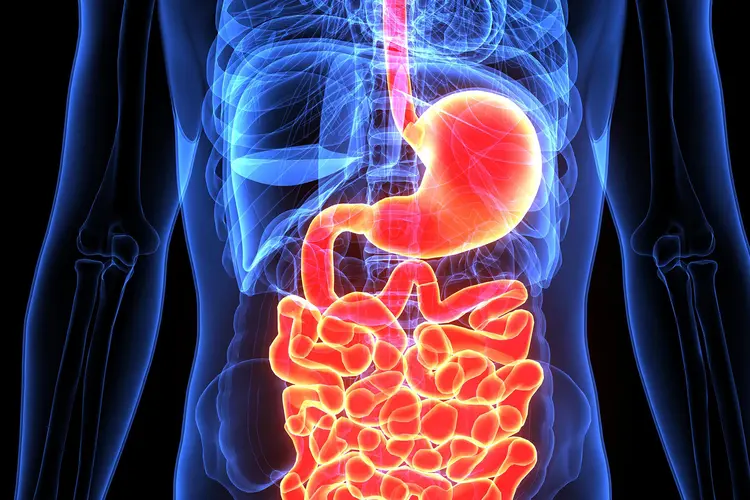
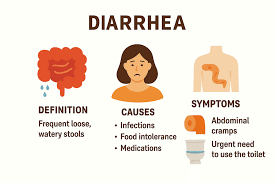
Diarrhea is defined as having three or more loose or watery bowel movements per day. When this happens daily for more than four weeks, it is classified as chronic diarrhea.
Chronic diarrhea affects an estimated 1% to 3% of the population. Because many people are embarrassed to talk about it, the real number is likely much higher.
Having diarrhea every day is not a normal digestive pattern. Your colon is reacting to something — whether that is a food, a disease, a medication, or a deeper gut issue.
There is no single answer to why you have diarrhea every day. The cause varies from person to person. Below is a full breakdown of the most common and most important reasons.
IBS is one of the most common causes of daily or frequent diarrhea in adults. It is a functional disorder — meaning the gut looks normal but does not work normally.
IBS with diarrhea (IBS-D) causes recurring loose stools, abdominal cramping, bloating, and urgency. Symptoms often flare with stress, certain foods, or hormonal changes.
IBS affects up to 15% of the global population and is more common in women. There is no cure, but symptoms can be managed very effectively with diet, stress management, and medication.
IBD is a group of chronic inflammatory conditions that damage the lining of the digestive tract. The two main types are Crohn’s disease and ulcerative colitis.
Both cause ongoing diarrhea, often with blood or mucus in the stool, severe abdominal pain, fatigue, and weight loss. Unlike IBS, IBD involves real physical inflammation that can be seen on a scope.
IBD is serious and requires medical diagnosis and long-term treatment. If you have daily diarrhea alongside blood in your stool or unexplained weight loss, IBD must be ruled out.
Food intolerances are a very common and frequently overlooked cause of daily diarrhea. The most well-known is lactose intolerance — the inability to digest the sugar in dairy products.
When you consume a food your body cannot process, it irritates the intestinal lining and speeds up gut transit, causing loose stools. This often happens at a predictable time — for example, shortly after breakfast if you eat cereal with milk every morning.
Common food intolerances that cause daily diarrhea:
| Intolerance Type | Trigger Foods |
|---|---|
| Lactose intolerance | Milk, cheese, yogurt, ice cream |
| Fructose intolerance | Fruit juice, honey, high-fructose corn syrup |
| Gluten intolerance / Celiac disease | Bread, pasta, wheat-based foods |
| Sucrose intolerance | Table sugar, processed sweets |
| Sugar alcohol sensitivity | Sugar-free gum, candy, diet products |
Celiac disease is an autoimmune condition triggered by gluten — a protein found in wheat, barley, and rye. When people with celiac disease eat gluten, the immune system attacks the lining of the small intestine.
The result is chronic diarrhea, bloating, gas, weight loss, and nutritional deficiencies. Many people go years without a correct diagnosis because symptoms mimic other gut disorders.
A blood test and intestinal biopsy can confirm celiac disease. The only effective treatment is a strict, lifelong gluten-free diet.
Bacterial, viral, and parasitic infections are among the leading causes of sudden daily diarrhea. Most acute infections clear up within a few days, but some can persist for weeks.
Common bacteria causing persistent diarrhea include Salmonella, Campylobacter, and Clostridium difficile (C. diff). Parasites like Giardia, picked up from contaminated water, are a particularly common cause of chronic watery diarrhea.
If your diarrhea started suddenly after eating out, traveling, or drinking from an unfamiliar water source, an infection is likely involved.
Several medications list diarrhea as a common or frequent side effect. If your daily diarrhea started around the same time you began a new medication, that connection is worth exploring with your doctor.
Medications commonly linked to daily diarrhea:
| Medication Type | Examples |
|---|---|
| Antibiotics | Amoxicillin, clindamycin, ciprofloxacin |
| Antacids (magnesium-based) | Milk of magnesia, some OTC antacids |
| Metformin (diabetes medication) | Glucophage |
| Cancer treatments | Chemotherapy drugs |
| NSAIDs | Ibuprofen, naproxen with frequent use |
| Laxatives | Overuse or misuse |
Antibiotics are a particularly common culprit. They disrupt the balance of gut bacteria, which can cause antibiotic-associated diarrhea lasting weeks even after finishing the course.
SIBO happens when bacteria that normally live in the large intestine migrate and multiply in the small intestine. This disrupts nutrient absorption and causes excessive gas, bloating, and chronic diarrhea.
SIBO is diagnosed with a hydrogen breath test. Treatment involves a course of specific antibiotics (like rifaximin) combined with dietary changes to reduce fermentable foods.
After your gallbladder or part of your intestine is removed, bile acids can flow into the colon in excess. This irritates the colon lining and causes watery, urgent diarrhea — often first thing in the morning or right after meals.
Bile acid malabsorption is frequently misdiagnosed as IBS-D. Bile acid binders like cholestyramine are a highly effective treatment once the correct diagnosis is made.
The gut and the brain are directly connected through the gut-brain axis — a two-way communication network involving nerves, hormones, and the immune system.
Chronic stress, anxiety, and depression can all directly alter gut motility, speeding up the movement of food through the intestines and causing loose stools or diarrhea every day.
This type of diarrhea is often worse on weekdays, before stressful events, or during periods of high anxiety. It tends to ease on relaxed weekends or vacations.
Diabetic diarrhea is a recognized complication of poorly controlled or long-standing diabetes. High blood sugar can damage the nerves controlling gut movement (a condition called autonomic neuropathy).
When gut nerves are damaged, food moves through the digestive system too quickly, producing loose stools. This type of diarrhea often happens at night, which is a distinctive warning sign.
An overactive thyroid speeds up virtually every process in the body — including digestion. People with hyperthyroidism often have frequent loose bowel movements or diarrhea every day alongside symptoms like weight loss, rapid heartbeat, and excessive sweating.
A simple blood test (thyroid panel) can identify this cause quickly.
Microscopic colitis is a type of bowel inflammation that cannot be seen with the naked eye — only under a microscope during a biopsy. It causes large volumes of watery, non-bloody diarrhea, often 10 or more times per day.
It is more common in older adults, especially women, and is linked to long-term use of NSAIDs, PPIs, and SSRIs. Treatment typically involves stopping the trigger medication and, if needed, taking budesonide (a steroid).
If your daily diarrhea began after returning from international travel, especially to regions with limited sanitation, traveler’s diarrhea is a strong possibility. It is caused by consuming food or water contaminated with bacteria, viruses, or parasites.
Some cases of traveler’s diarrhea resolve on their own within a week. Others persist for months if the parasite or infection is not properly treated.
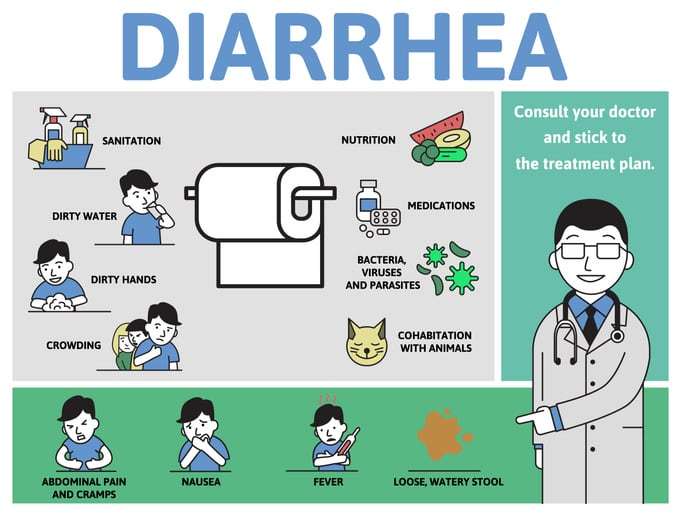
Sometimes daily diarrhea has no disease behind it at all — just daily dietary triggers.
Eating too much of certain foods, drinking too much coffee or alcohol, consuming artificial sweeteners, or eating high-fat meals daily can all produce consistently loose stools.
Keeping a food diary for two weeks is one of the most effective and simple ways to identify a dietary trigger.
Not all daily diarrhea is equally urgent. But some warning signs demand immediate medical attention.
See a doctor right away if you have diarrhea every day AND:
Bloody diarrhea is always a red flag. It can signal IBD, a bacterial infection, colorectal cancer, or ischemic colitis — all of which need immediate evaluation.
Persistent daily diarrhea is not just uncomfortable — it has real physical consequences.
Dehydration is the most immediate risk. You lose large amounts of water and electrolytes — sodium, potassium, and magnesium — with every loose bowel movement. Low electrolytes can affect your heart, brain, kidneys, and muscles.
Malnutrition develops over time when food moves through the gut too quickly for nutrients to be absorbed properly. This leads to deficiencies in iron, B12, calcium, and fat-soluble vitamins.
Anal irritation and soreness develop from frequent wiping and contact with liquid stool. Using soft wipes, applying petroleum jelly, and taking warm sitz baths can help manage this.
Quality of life suffers enormously. Daily diarrhea controls where you go, what you eat, and how you live. It is associated with high rates of anxiety, depression, and social withdrawal.
Getting the right diagnosis is the only way to get the right treatment. Here is what doctors typically look at.
| Diagnostic Test | What It Checks For |
|---|---|
| Stool culture | Bacteria, parasites, C. diff |
| Blood tests (CBC, CRP, ESR) | Infection, inflammation, anemia |
| Thyroid panel | Hyperthyroidism |
| Celiac antibodies (tTG-IgA) | Celiac disease |
| Hydrogen breath test | Lactose intolerance, SIBO, fructose intolerance |
| Colonoscopy with biopsy | IBD, microscopic colitis, colorectal cancer |
| Sigmoidoscopy | Lower colon inflammation |
| Imaging (CT, ultrasound) | Structural abnormalities |
Your doctor will start with your medical history, diet, travel history, and medications before ordering specific tests.
The BRAT Diet
The BRAT diet — Bananas, Rice, Applesauce, Toast — is a classic short-term approach to calming an irritated gut. These bland, low-fiber foods are easy to digest and help firm up stools.
Use BRAT for 1–2 days during acute flares, then gradually reintroduce other foods as symptoms improve.
Low-FODMAP Diet
For IBS-related daily diarrhea, the low-FODMAP diet has the strongest evidence base. FODMAPs are fermentable carbohydrates that trigger gut symptoms in sensitive people.
This diet eliminates high-FODMAP foods (like garlic, onions, apples, milk, and wheat) for 4–6 weeks, then systematically reintroduces them to identify triggers.
Gluten-Free Diet
For people with celiac disease or non-celiac gluten sensitivity, eliminating all gluten is the only effective long-term fix. Results are often dramatic — most people see major improvement within weeks.
Reduce or Eliminate Common Triggers
Cut back on caffeine, alcohol, artificial sweeteners (especially sorbitol and xylitol), and high-fat fried foods. These are among the most common daily dietary triggers of loose stools.
Staying hydrated is the single most important thing you can do while managing daily diarrhea.
Water alone is not enough — you need electrolytes too. Drink oral rehydration solutions (ORS), sports drinks, or electrolyte powders added to water. Chicken broth, coconut water, and diluted fruit juice are also helpful.
Aim for at least 8–10 glasses of fluid per day. Take small, frequent sips rather than large amounts at once, especially if you feel nauseous.
| OTC Medication | How It Works | Best For |
|---|---|---|
| Loperamide (Imodium) | Slows gut transit time | Acute and chronic non-infectious diarrhea |
| Bismuth subsalicylate (Pepto-Bismol) | Reduces gut inflammation and fluid secretion | Traveler’s diarrhea, mild infections |
| Probiotics (Lactobacillus, Saccharomyces) | Restores healthy gut bacteria | Antibiotic-associated diarrhea, IBS |
| Oral rehydration salts (ORS) | Replaces lost fluids and electrolytes | All types of diarrhea |
Loperamide (Imodium) is the go-to OTC antidiarrheal for most adults. It is safe, non-habit-forming, and available without a prescription. However, do not use it if you have bloody diarrhea or a suspected bacterial infection — it can trap the infection in your colon.
Probiotics introduce beneficial bacteria into the gut, helping restore microbial balance. They are particularly effective for antibiotic-associated diarrhea and IBS-D.
Look for strains with the most research backing: Lactobacillus rhamnosus GG, Saccharomyces boulardii, and Bifidobacterium infantis. Results typically appear within 4–8 weeks of daily use.
For stress-triggered daily diarrhea, treating the gut without addressing the mind will only get you so far. Cognitive behavioral therapy (CBT) has the strongest evidence for gut-brain related diarrhea.
Other effective approaches include gut-directed hypnotherapy, mindfulness meditation, regular moderate exercise, and adequate sleep. These are not optional add-ons — they are core parts of the treatment for functional diarrhea.

| Habit | Why It Helps |
|---|---|
| Wash hands before eating and after the bathroom | Prevents infectious causes |
| Keep a food and symptom diary | Identifies personal dietary triggers |
| Avoid sharing utensils or food | Reduces infection risk |
| Refrigerate leftovers within 2 hours | Prevents food-borne bacterial growth |
| Drink filtered or bottled water when traveling | Prevents traveler’s diarrhea |
| Take probiotics daily | Maintains healthy gut flora |
| Manage stress proactively | Reduces gut-brain axis flares |
| Get regular medical checkups | Catches IBD, thyroid issues, and celiac early |
Having three or more loose or watery bowel movements in a single day is the clinical definition of diarrhea. When this happens daily for more than four weeks, it is classified as chronic diarrhea and requires medical evaluation.
No, daily diarrhea is not normal. Your colon is reacting to something — whether a food, medication, infection, or underlying condition. It is important to identify and address the cause rather than accepting it as routine.
Irritable bowel syndrome (IBS-D) is the most common cause of recurring daily diarrhea in adults. Food intolerances (especially lactose and gluten) and stress are also extremely common underlying contributors.
Yes. Chronic stress and anxiety directly alter gut motility through the gut-brain axis. Many people with anxiety-driven daily diarrhea notice that symptoms improve significantly on weekends or during vacations when stress is lower.
See a doctor if diarrhea lasts more than four weeks, or sooner if you have blood in your stool, high fever, severe pain, unexplained weight loss, or signs of dehydration. Children should be seen after 24 hours of persistent diarrhea.
Loperamide (Imodium) can be used regularly under medical guidance for chronic diarrhea, but it is not a cure — it only manages symptoms. Daily use should not substitute for finding and treating the underlying cause.
Caffeine, alcohol, dairy (if lactose intolerant), gluten (if celiac), artificial sweeteners, fried or fatty foods, high-fructose juices, and raw vegetables can all trigger or worsen daily diarrhea depending on the underlying cause.
Yes. Long-term daily diarrhea causes dehydration, electrolyte imbalances (affecting the heart and kidneys), nutritional deficiencies (iron, B12, vitamin D), and significant mental health impacts including anxiety and depression.
The BRAT diet — Bananas, Rice, Applesauce, Toast — consists of bland, easy-to-digest foods that help firm up loose stools during acute flares. It is helpful short-term but is too low in nutrients for long-term use.
Probiotics can significantly reduce diarrhea in certain cases, especially antibiotic-associated diarrhea and IBS-D. The most evidence-backed strains are Lactobacillus rhamnosus GG and Saccharomyces boulardii. Results take 4–8 weeks of consistent daily use.
Why do I have diarrhea every day is a question that deserves a real, specific answer — not just a suggestion to drink more water. Daily diarrhea is your body’s signal that something in your diet, your gut, or your health needs to change.
In 2026, there are more diagnostic tools and more effective treatments available than ever before. Whether the cause is IBS, a food intolerance, an infection, a medication, or stress, a clear diagnosis leads to a clear treatment path.
Do not normalize daily loose stools. Track your symptoms, identify your triggers, make the dietary and lifestyle changes that apply to your situation, and see a doctor if warning signs appear.