
Are you tired of seeing scratches or dull spots on your car’s paint? Car Paint Correction can fix these surface problems and make your vehicle shine again. This guide will show easy steps for restoring a flawless finish using simple polishing techniques.
Keep reading to discover how your car can look new again!
Moving from the introduction, paint correction means fixing and restoring a car’s finish to remove surface defects. This process uses abrasive compounds and polishing techniques to remove swirl marks, light scratches, water spots, and other paint imperfections. Detailers focus on the clear coat since most flaws live in this top layer.
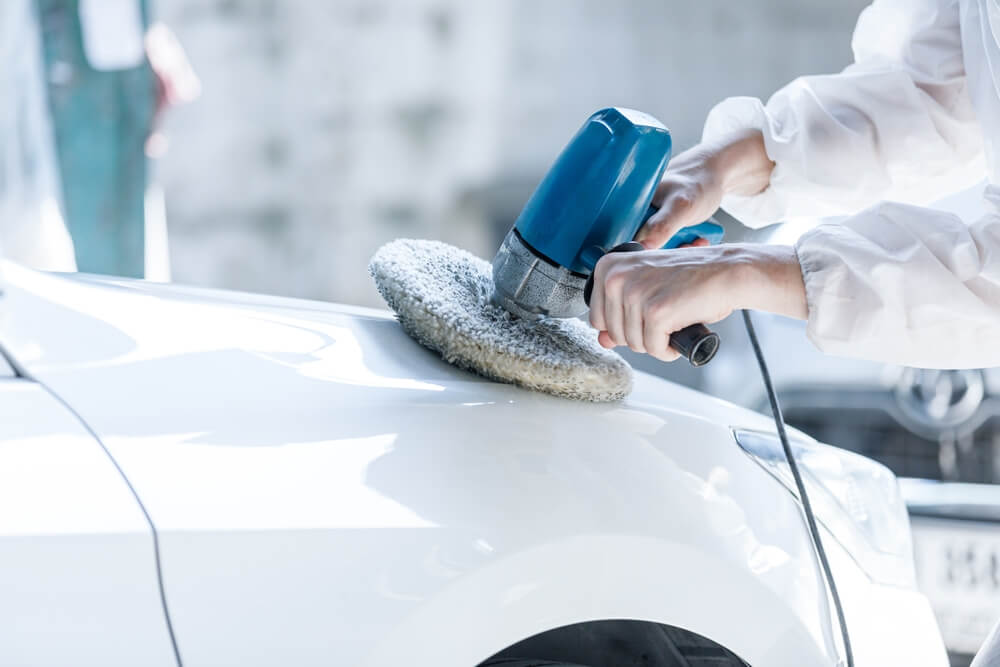
Technicians use tools like dual-action polishers with different pads and compounds for surface restoration. Paint correction can involve a single step or a multistage process if more serious damage exists. Experts as well as auto dealers share the same opinion that achieving gloss enhancement makes your automotive finish look bright and smooth again.
Paint correction is the art of perfecting a vehicle’s finish through careful buffing, says Mike Phillips, an auto detailing expert.
A flawless result prepares your car for waxing or adding protective coatings such as paint sealant for long-lasting shine.
Paint correction brings back your car’s shine. It removes swirl marks, scratches, and paint imperfections from the clear coat. Many cars lose their gloss over time from daily use or washing with rough sponges.
A detailer uses abrasive compounds and special polishing techniques for surface restoration.
This process can boost the resale value of your vehicle. People pay more for a flawless automotive finish. Paint polishing also protects the surface by removing defects that trap dirt or moisture.
Choose paint correction for scratch removal and lasting gloss enhancement instead of just covering up damage with wax or sealant.
Paint correction tackles many surface defects that keep your car from looking its best—keep reading to find out how it can fix these common paint problems.
Swirl marks look like tiny spiderwebs on your car’s clear coat. They often come from washing with rough sponges or dirty towels. Light scratches happen when grit rubs against the surface during auto detailing or daily use. Both flaws reflect light and make your paint job look dull.
Abrasive compounds work to smooth these imperfections by polishing away a thin layer of clear coat. Experts often use buffing techniques and special pads for scratch removal.
Multistage correction helps restore gloss and clarity before you add a protective coating such as wax or sealant.
Oxidation happens when your car’s paint reacts with sunlight and air. This breaks down the clear coat and makes colors look dull. Over time, faded spots can appear, especially on older vehicles or those parked outside often. UV rays from the sun speed up this process.
Paint polishing helps to remove the top layer of damaged paint. Abrasive compounds restore gloss by smoothing out rough surfaces caused by fading. Professional automotive detailing uses surface restoration techniques to bring back a rich shine and protect against future oxidation.
Water spots and etching are next on the list of common paint defects that detailers fix during car surface correction services.
Unlike fading, water spots and etching leave marks on the clear coat. Hard water dries up and leaves behind minerals that stick to your car paint. Over time, these spots can bond with the surface and cause dull patches.
Etching happens when acids from rain or bird droppings sit too long on the finish. These acids eat into the paint layer, making rough stains that do not wash off easily. Paint polishing helps remove both stubborn water spots and tough etching marks during automotive detailing.
Using abrasive compounds can smooth out these defects for a flawless automotive finish.
Proper steps can help you get a smooth and glossy finish. Each stage uses special tools and simple polishing techniques to restore your car’s shine.
Start with a thorough wash of the car’s exterior to remove dirt and loose debris. Use pH-balanced shampoo for automotive detailing, then rinse well. Dry the surface using clean microfiber towels to avoid new swirl marks or scratches.
Next, use clay bars or synthetic clay mitts to lift bonded contaminants like tree sap, brake dust, and industrial fallout from the clear coat. Surface preparation also includes masking trim and badges with painter’s tape.
This step protects sensitive surfaces during paint polishing and keeps abrasive compounds off these areas. A clean and smooth surface lets you spot all paint defects before you start cutting and polishing techniques for scratch removal or glossy restoration.
Cutting removes defects from the clear coat. Detailers use abrasive compounds and machines to smooth out swirl marks, scratches, and paint imperfections. This step takes off a very thin layer of the automotive finish. Cutting is key for scratch removal and surface restoration during car detailing.
Many detailers use different levels of abrasive compounds depending on the damage. Multistage correction may be needed if there are deep marks or heavy oxidation. Proper cutting leaves the surface ready for polishing techniques that add gloss and shine.
Paint refinement uses polishing to add shine and smoothness. Detailers use special abrasive compounds with a machine polisher or by hand. These polishing techniques can remove minor swirl marks, haze, and small surface defects left after the cutting stage. The clear coat becomes glossy and bright, showing off the car’s color.
Proper paint polishing is a key part of any automotive detailing project or multistage correction process. This step also helps prepare for adding a protective coating or wax at the end.
Using high-quality detailing products during this stage protects your restoration work and improves the finish’s final look.
Professional and DIY paint correction each offer unique benefits. Here is a quick comparison to help make your choice easier.
| Aspect | Professional Paint Correction | DIY Paint Correction |
| Experience | Trained technicians handle the process. Years of experience matter. Some technicians have completed hundreds of cars. | Skill level varies. Beginners can start with basic kits. Results depend on practice and patience. |
| Tools | Uses advanced machines like the Rupes BigFoot or Flex XC 3401. Tools are calibrated for precision. | Relies on orbital polishers and hand pads. Quality varies by brand and model. |
| Products | Professionals use brands such as Meguiar’s, 3M, and Menzerna. High-quality compounds yield better finishes. | Over-the-counter products from Turtle Wax or Mothers are popular. Choices can be limited in local stores. |
| Results | Removes up to 95% of swirl marks and scratches. Deep gloss and showroom shine possible. | Light scratches and haze can be reduced. Deeper defects may remain. Shine improves, but not always to factory level. |
| Cost | Average cost ranges from $400 to $1,200. Price varies by car size and defect severity. | Starter kits can be as low as $40. High-quality tools and products increase expense to $250 or more. |
| Time | Professionals finish most jobs in 6 to 12 hours. Multi-stage correction may take longer. | DIY projects may stretch across several days. Extra time needed for learning and setup. |
| Risks | Lower risk of damage with experienced pros. Liability insurance covers mishaps. | Higher risk of burning through clear coat or creating new holograms. Mistakes can be costly. |
Paint correction brings new life to your car’s finish. By removing swirl marks and scratches, you get a deep shine. You can try it at home or ask an expert for help. Regular care keeps your paint looking smooth and flawless.
A glossy car always stands out on the road!