
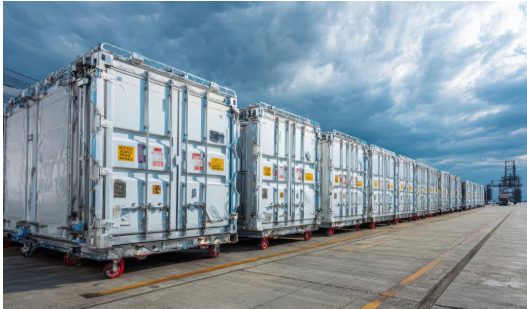
In today’s competitive automotive industry, efficiency, cost-effectiveness, and sustainability are critical factors for supply chain management. The introduction of the reusable automotive bulk container has enabled manufacturers and suppliers to streamline handling, lower packaging costs, and support environmentally responsible practices. One innovation that has transformed operations is the use of reusable automotive bulk containers (ABCs). These containers are designed to transport and store large quantities of automotive components, reducing waste, improving logistics, and optimising overall supply chain performance.
Reusable automotive bulk containers are robust, durable units made from materials such as high-density polyethylene (HDPE), steel, or reinforced plastics. Unlike single-use packaging, these containers are designed to withstand repeated use over long periods, making them ideal for transporting heavy or bulky automotive parts, such as engine components, tyres, and suspension systems.
Their standardised design allows them to be efficiently stacked, stored, and moved within warehouses, production lines, and vehicles. Many containers feature modular components, foldable sides, or removable lids, offering flexibility to accommodate parts of varying sizes while optimising storage space.
The adoption of reusable automotive bulk containers significantly enhances supply chain efficiency. By using durable, standardised containers, manufacturers and suppliers can streamline the movement of parts between production facilities, assembly plants, and distributors. This reduces handling time, minimises the risk of product damage, and facilitates faster turnaround in logistics operations.
Reusable containers are also easier to automate. Many modern warehouses and production lines are equipped with automated storage and retrieval systems designed to handle standardised containers. This integration reduces manual labour, lowers operational costs, and improves inventory management accuracy.
Although reusable automotive bulk containers involve a higher initial investment compared to disposable packaging, they offer long-term cost savings. Their durability reduces the need for frequent replacement, while standardisation lowers shipping and storage costs by optimising space utilisation.
Additionally, reusing containers reduces the expenditure associated with single-use packaging materials, disposal fees, and waste management. Over time, these savings can be substantial, particularly for large-scale operations where thousands of components are transported daily.
Sustainability is a growing priority in the automotive industry, and reusable containers play a key role in reducing environmental impact. By replacing disposable packaging, companies cut down on plastic, cardboard, and other materials that contribute to waste. Fewer discarded containers mean less strain on landfills and lower carbon emissions associated with manufacturing new packaging.
Many automotive suppliers in Singapore and across the region have integrated reusable container systems as part of their green initiatives. Using recyclable and long-lasting materials further enhances environmental responsibility, aligning supply chain practices with corporate sustainability goals.
Reusable automotive bulk containers are engineered to provide superior protection for transported parts. Sturdy walls, reinforced corners, and secure lids prevent damage during handling, stacking, and transit. This reduces the likelihood of defects reaching assembly lines, ensuring product quality and reliability.
Some containers also incorporate cushioning, dividers, or adjustable compartments to secure smaller or fragile components, further minimising damage risks. By protecting expensive automotive parts, companies can avoid costly replacements and maintain high production standards.
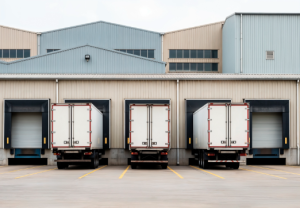
The modular nature of reusable automotive bulk containers provides logistical flexibility. Foldable or collapsible designs allow empty containers to occupy minimal storage space during return trips. This feature is particularly useful in just-in-time (JIT) manufacturing environments, where rapid movement of parts is essential, and warehouse space may be limited.
Moreover, containers can be colour-coded, barcoded, or fitted with RFID tags, enabling precise tracking and monitoring throughout the supply chain. This level of traceability improves inventory management, reduces losses, and supports lean manufacturing practices.
Reusable automotive bulk containers have become an integral part of modern supply chain operations. They offer a combination of efficiency, cost-effectiveness, sustainability, and product protection that disposable packaging cannot match. By standardising transport, reducing waste, and improving logistical flexibility, these containers help automotive companies optimise their operations while aligning with environmental goals.
For manufacturers, suppliers, and distributors in Singapore and beyond, investing in reusable automotive bulk containers is a strategic decision that enhances operational performance, reduces costs, and supports sustainable practices. As the automotive industry continues to evolve, these containers will play a crucial role in driving smarter, greener, and more reliable supply chains.
What materials are reusable automotive bulk containers made of?
They are commonly made from high-density polyethylene (HDPE), steel, or reinforced plastics for durability and long-term use.
How do reusable containers save costs?
By reducing the need for disposable packaging, minimising damage to components, and optimising storage and transportation efficiency.
Are these containers environmentally friendly?
Yes, they reduce waste, can be reused multiple times, and often use recyclable materials, supporting sustainability initiatives.
Can reusable containers be tracked in the supply chain?
Yes, they can be equipped with barcodes or RFID tags for precise tracking and improved inventory management.