

Why is my eye burning is a common question people search when they experience sudden discomfort or irritation. This sensation can range from mild to quite bothersome.
Two of the most common causes are dry eye syndrome and eye infections like pink eye. However, several other factors can also trigger burning eyes.
| Category | Common Cause | Key Sign |
|---|---|---|
| Dry Eye | Insufficient or poor-quality tears | Burning, gritty feeling |
| Infection | Pink eye (conjunctivitis) | Redness, discharge |
| Inflammation | Blepharitis, ocular rosacea | Crusty eyelids |
| Environmental | Allergies, chemicals, sun exposure | Itching, watering |

Burning eyes happen when the surface of the eye becomes irritated or inflamed. This can result from dryness, infection, allergies, or exposure to irritants.
Tears play an important role in keeping the eyes moist and comfortable. When tear production or quality is disrupted, burning and irritation often follow.
Identifying whether the cause is dry eye, infection, or something else helps determine the right treatment approach.
Dry eye syndrome is the leading cause of burning eyes. Healthy tears are made up of water, oil, and mucus in careful balance.
When this balance is disrupted, either through low tear production or poor tear quality, the eyes become dry and irritated. This often results in a burning sensation.
Interestingly, dry eyes can still water excessively while remaining dry in the clinical sense. This happens because the eyes overproduce watery tears to compensate for the lack of proper lubrication.
Dry eye is more common in people over 65 and can be worsened by screen time, low humidity, or certain medications.
Pink eye, also known as conjunctivitis, is a common infection that can cause burning eyes. It can be caused by viruses, bacteria, or allergens.
Viral and bacterial conjunctivitis are highly contagious and can spread through coughing, sneezing, or contact with infected surfaces. Symptoms often include redness, discharge, and watery or itchy eyes.
Unlike dry eye, pink eye usually comes with noticeable redness and sometimes crusty discharge, especially after sleeping.
Treatment depends on the cause, with bacterial infections often requiring antibiotic eye drops.
| Feature | Dry Eye Syndrome | Pink Eye (Infection) |
|---|---|---|
| Main Cause | Tear imbalance | Virus, bacteria, allergens |
| Redness | Mild or none | Often significant |
| Discharge | Rare | Common, especially bacterial |
| Contagious | No | Yes (viral/bacterial) |
| Sensation | Burning, gritty | Burning, itchy, watery |
| Treatment | Artificial tears, lifestyle changes | Antibiotic or antiviral drops |
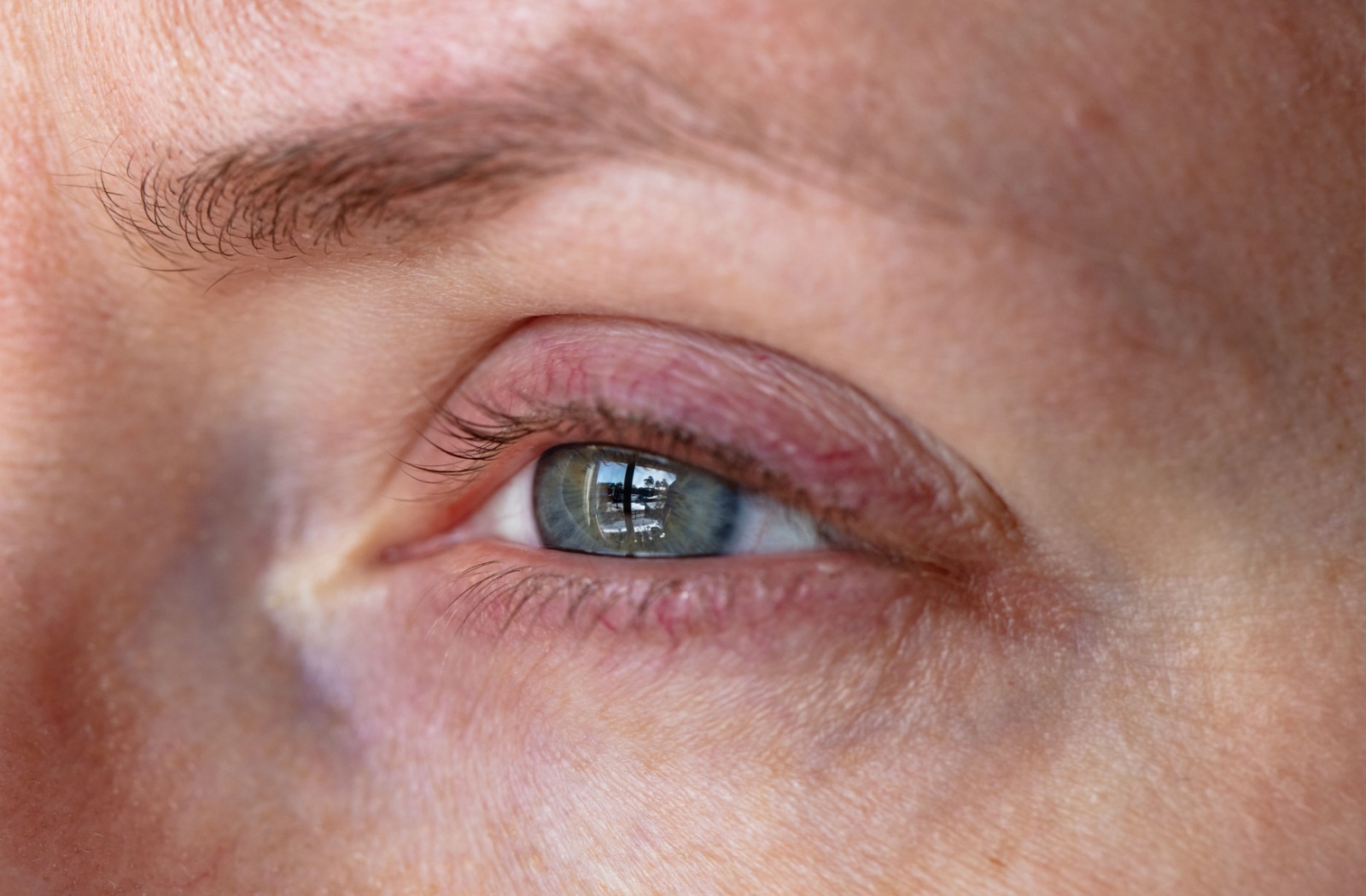
Besides dry eye and infections, several other conditions can cause burning sensations in the eyes. These causes range from mild irritation to inflammatory conditions.
Blepharitis is inflammation of the eyelids, often causing sore, red eyelids and crusty debris at the base of the eyelashes. It can cause burning, stinging, and grittiness.
This condition often occurs alongside dry eye and may require regular eyelid hygiene to manage.
Eye allergies, also called allergic conjunctivitis, occur when allergens like pollen, dust, or pet dander irritate the eyes. The body releases histamines, which can cause burning and itching.
Avoiding triggers and using antihistamine eye drops often helps relieve allergy-related burning.
Exposure to household cleaners, aerosol sprays, or fragrances in perfumes and shampoos can irritate the eyes. This often results in a temporary burning sensation.
Rinsing the eyes with clean water usually helps relieve this type of irritation.
Small particles like dust or debris can get into the eyes and cause discomfort. Natural tears usually help flush these particles out.
If irritation persists after a foreign particle is removed, further evaluation may be needed.
Photokeratitis occurs from overexposure to UV rays from the sun, tanning beds, or certain equipment. It causes a burning sensation similar to sunburn on the eye’s surface.
Wearing UV-protective sunglasses can help prevent this condition.
Ocular rosacea causes inflammation of the eyes and surrounding skin, often linked to the skin condition rosacea. Symptoms include burning, swelling, redness, and crusty discharge.
This condition often requires long-term management with a doctor’s guidance.
| Cause | Redness | Discharge | Itching |
|---|---|---|---|
| Dry Eye | Mild | Rare | Occasional |
| Pink Eye | Significant | Common | Yes |
| Blepharitis | Moderate | Crusty debris | Yes |
| Allergies | Mild to moderate | Watery | Strong |
| Photokeratitis | Significant | Rare | No |
| Ocular Rosacea | Significant | Crusty | Occasional |

Burning eyes often come with other noticeable symptoms. Paying attention to these can help identify the underlying cause.
Redness, watering, or itching are common accompanying signs. Crusty discharge, especially after sleeping, often points to an infection.
Sensitivity to light or blurry vision should not be ignored, as these may indicate a more serious eye condition.
Most cases of burning eyes are mild and improve with simple care. However, certain symptoms need prompt medical attention.
Severe pain, sensitivity to light, or sudden vision changes should be evaluated immediately. These symptoms could indicate a more serious underlying issue.
Persistent symptoms despite home treatment, or frequent eye infections, also warrant a visit to an eye doctor.
Many mild cases of burning eyes can be managed with simple home care. These remedies work well for dryness and minor irritation.
Over-the-counter artificial tears help lubricate the eyes and relieve dryness. They are often the first line of treatment for dry eye syndrome.
A warm compress can help with blepharitis and clogged oil glands. This simple remedy soothes irritation and supports natural tear function.
Avoiding known allergens, chemicals, or fragrances can help prevent burning eyes. Wearing sunglasses can protect against UV exposure and wind irritation.
Gently cleaning the eyelids can help with blepharitis and reduce irritation. Avoid rubbing your eyes, as this can worsen symptoms.
Reducing prolonged screen time helps prevent dryness caused by reduced blinking. The 20-20-20 rule can help maintain eye comfort.
| Approach | Best For | Effectiveness |
|---|---|---|
| Artificial Tears | Dry eye syndrome | High |
| Warm Compress | Blepharitis | High |
| Antihistamine Drops | Allergies | High |
| Antibiotic Drops | Bacterial pink eye | Necessary |
| UV Protection | Photokeratitis prevention | High |
You should see a doctor if burning eyes persist despite home care. Sudden vision changes, severe pain, or light sensitivity need prompt evaluation.
Signs of infection, such as thick discharge or spreading redness, should also be checked by an eye doctor. Contagious conditions like pink eye may require prescription treatment.
If you wear contact lenses and experience burning, consult your eye doctor promptly, as this can increase infection risk.
Stay hydrated and use a humidifier in dry environments to support healthy tear production. Take regular breaks from screens to reduce eye strain.
Wear sunglasses with UV protection when outdoors. Avoid touching or rubbing your eyes, especially with unwashed hands.
Replace eye makeup regularly and remove it thoroughly before sleeping to reduce irritation risk.
It’s often caused by dryness, allergies, or minor irritation. Persistent burning may indicate an infection.
Dry eye usually causes mild redness without discharge. Infections often bring redness, discharge, and contagious symptoms.
Yes, viral and bacterial pink eye are highly contagious. Good hygiene helps prevent its spread.
Yes, allergens like pollen and dust can trigger burning and itching. Antihistamine drops often help relieve symptoms.
Artificial tears and reducing screen time can help significantly. A humidifier may also ease dryness.
Yes, reduced blinking during screen use can lead to dryness. Taking regular breaks helps prevent this.
See a doctor if symptoms persist, worsen, or include vision changes. Prompt care prevents complications.
Yes, this is called photokeratitis, or eye sunburn. Wearing UV-protective sunglasses helps prevent it.
Yes, blepharitis often causes burning, stinging, and crusty eyelids. Warm compresses can help manage it.
In most cases, no, but severe or persistent cases should be checked. Sudden vision changes need immediate medical attention.
Why is my eye burning often comes down to two main possibilities: dry eye syndrome or an infection like pink eye. Dry eye typically causes mild irritation without discharge, while infections often bring redness and contagious symptoms.
Other causes, including allergies, blepharitis, chemical irritation, and sun exposure, can also lead to burning eyes. Identifying the right cause helps guide the most effective treatment approach.
Simple remedies like artificial tears, warm compresses, and avoiding triggers can ease most mild cases. If symptoms persist, worsen, or come with vision changes or severe pain, seeing an eye doctor is essential.
Taking care of your eye health today can help prevent more serious complications and keep your vision comfortable for years to come.