
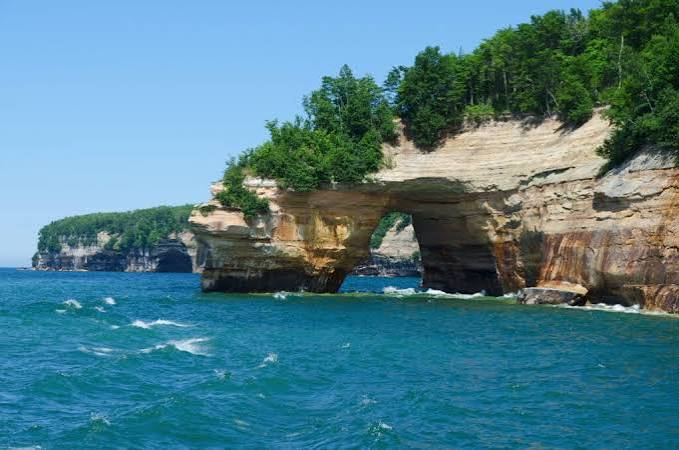
Why Is Lake Superior So Dangerous? Lake Superior looks calm and inviting from the shore, but it has earned the nickname “Graveyard of the Great Lakes” for good reason. Beneath its clear, cold water lies a long history of shipwrecks, sudden storms, and lives lost.
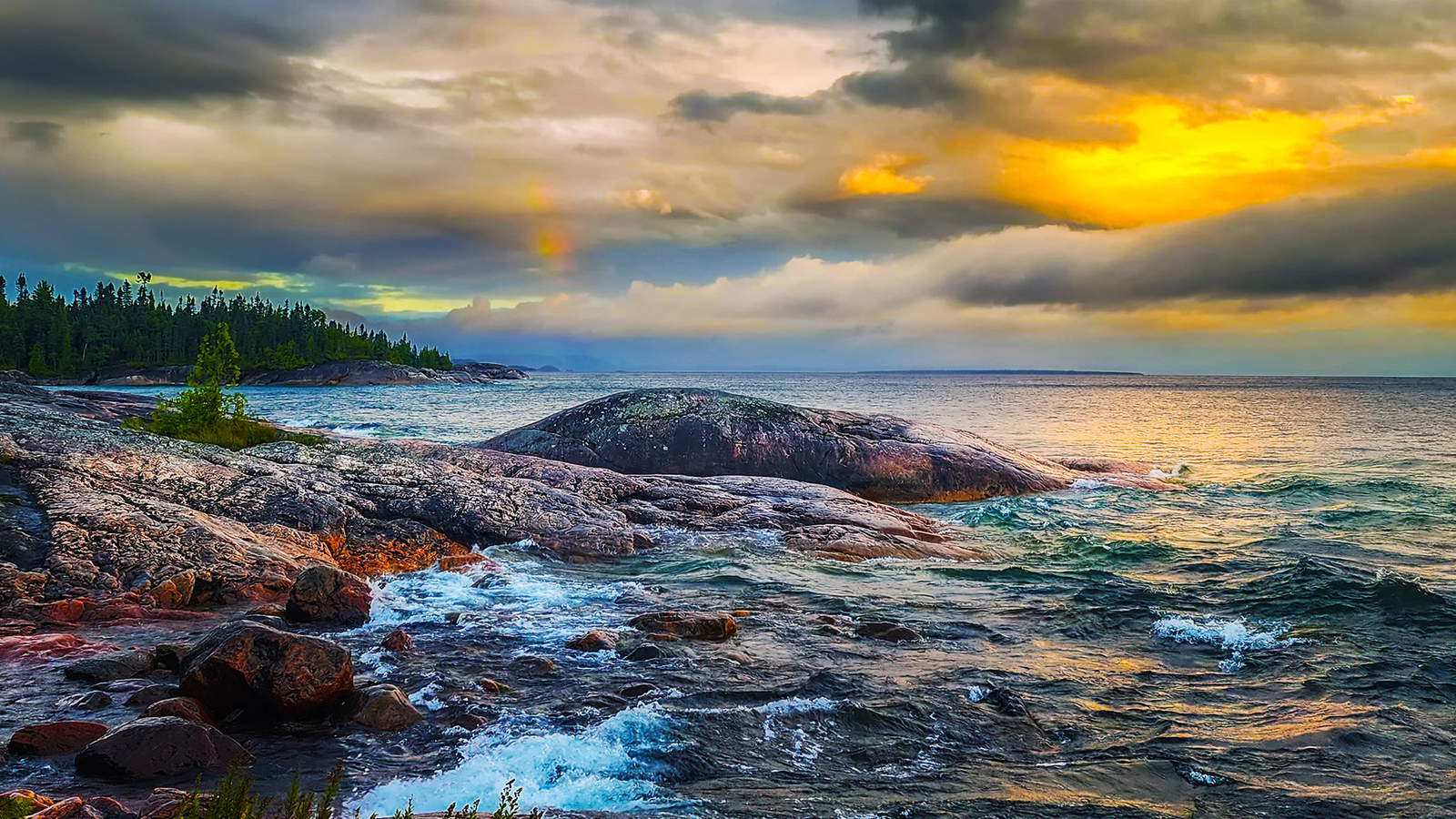
Lake Superior is dangerous mainly because of its extremely cold water, sudden violent storms, powerful rip currents, and massive size and depth.
Its water rarely warms above 55°F (13°C) even in summer, which can cause hypothermia within minutes. Combined with remote shorelines and limited rescue access, this makes emergencies far riskier here than on smaller, warmer lakes.
Lake Superior is the largest freshwater lake in the world by surface area, and the deepest of all five Great Lakes. Its sheer scale is part of what makes it so unpredictable.
It holds roughly 10% of the planet’s surface freshwater, stretching about 350 miles long and 160 miles wide.
| Fact | Measurement |
|---|---|
| Surface area | 31,700 sq miles |
| Average depth | 483 feet |
| Maximum depth | 1,333 feet |
| Average water temperature | 40°F (4°C) |
| Summer surface temperature | Rarely above 55°F (13°C) |
| Shoreline length | 2,726 miles |
| Recorded shipwrecks | 350+ |
| Retention time | About 191 years |
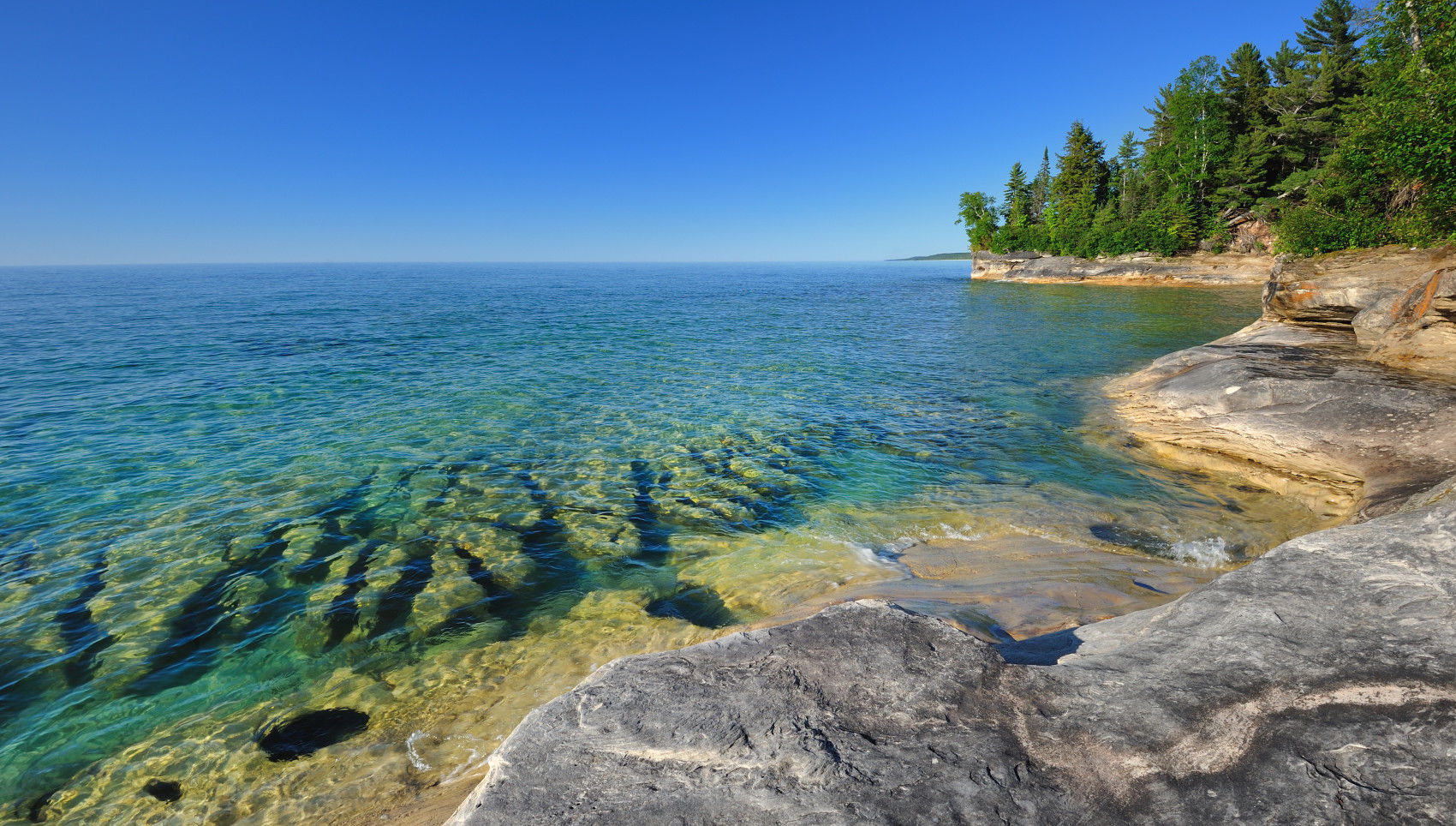
Several factors combine to make Lake Superior far riskier than it looks. None of them alone would be extreme, but together they create a uniquely hazardous environment.
Lake Superior’s water stays cold year-round because of its northern location and enormous volume. Even in the height of summer, surface temperatures rarely climb past 55°F.
Cold water this extreme can trigger hypothermia and gasp reflex within minutes, even for strong swimmers. This is one of the single biggest reasons the lake is considered so dangerous.
Weather on Lake Superior can shift from calm to dangerous in under an hour. Strong winds can whip up waves of 10 feet or more with almost no warning.
Boaters and kayakers are especially vulnerable, since a storm can appear before there’s time to reach shore.
Late autumn brings some of the lake’s most violent storms, historically nicknamed the “Gales of November.” These storms have sunk ships for over a century, including the most famous wreck on the lake.
The SS Edmund Fitzgerald sank during one of these storms on November 10, 1975, killing all 29 crew members.
Rip currents pull swimmers away from shore, while longshore currents drag them sideways along the beach, often near piers and breakwalls. Both can overpower even experienced swimmers.
These currents are especially dangerous because they’re often invisible from the surface until you’re already caught in one.
Lake Superior’s size means help isn’t always close by. Many stretches of shoreline are remote, with limited cell service and long response times for rescue crews.
This isolation can turn a manageable emergency into a life-threatening one.
The lake bed hides submerged rocks, reefs, and sudden drop-offs that are difficult to spot from a boat. Depth can change drastically within a short distance.
These hazards have contributed to many of the lake’s 350-plus recorded shipwrecks.
Fog rolls in often, especially where cold air meets the lake’s frigid water. This reduces visibility for boaters and increases the risk of collisions with other vessels or rocky shoreline.
This eerie phrase, made famous by Gordon Lightfoot’s song about the Edmund Fitzgerald, is rooted in real science. The lake’s near-freezing depths slow bacterial decay enough that bodies often sink instead of resurfacing.
It’s a haunting detail, but it explains why so many shipwreck victims were never recovered.
| Ship | Year Sunk | Notable Detail |
|---|---|---|
| SS Edmund Fitzgerald | 1975 | Most famous wreck; sank in a November storm with all 29 crew lost |
| SS Kamloops | 1927 | Vanished in a storm; wreck found decades later |
| SS Henry B. Smith | 1913 | Lost with all hands during a violent gale |
| SS America | 1928 | Remains largely intact due to cold, low-oxygen water |
| SS Western Reserve | 1892 | One of the earliest major Lake Superior tragedies |
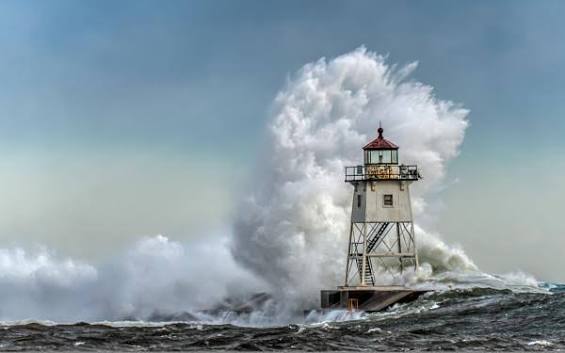
It depends on how you define “dangerous.” Lake Michigan actually records more drownings per year, largely because it sees far more swimmers and boat traffic near major cities like Chicago.
Lake Superior’s danger comes less from visitor numbers and more from the severity of what happens when something goes wrong: colder water, bigger storms, and more remote rescue access.
| Factor | Lake Superior | Lake Michigan |
|---|---|---|
| Average water temp | 40°F | Warmer, more variable |
| Annual drownings | Lower overall | Higher overall |
| Visitor traffic | Lower | Much higher |
| Remoteness | High in many areas | Lower, near major cities |
| Shipwreck count | 350+ | Higher due to shipping volume |
Overconfidence is one of the most common reasons people get into trouble on Lake Superior. Calm water at the shore can look nothing like conditions a mile out.
Another frequent mistake is underestimating how fast cold water saps strength and judgment, even for confident swimmers.
It’s called the most dangerous because of its extremely cold water, sudden violent storms, remote shoreline, and long history of shipwrecks, even though other lakes actually record more drownings per year.
Surface water temperatures rarely rise above 55°F (13°C) even in the warmest months, which is cold enough to cause hypothermia within minutes of prolonged exposure.
There are more than 350 recorded shipwrecks in Lake Superior, earning it the nickname “Graveyard of the Great Lakes.”
The SS Edmund Fitzgerald sank during a violent November storm on Lake Superior in 1975, killing all 29 crew members. It remains the lake’s most famous shipwreck.
The lake’s near-freezing depths slow bacterial decay, which means bodies often sink and don’t resurface the way they would in warmer water.
Swimming is possible in shallow, designated areas during summer, but the cold water, rip currents, and sudden weather changes mean caution is essential at all times.
The deepest point reaches about 1,333 feet, making Lake Superior the deepest of all five Great Lakes.
Yes. Rip currents and longshore currents occur along many beaches, especially near piers, and can pull swimmers away from shore quickly.
Lake Michigan records more annual drownings due to higher visitor traffic, but Lake Superior’s cold water, storms, and remoteness make individual incidents more severe.
These are powerful autumn storms caused by clashing cold and warm air masses over the lake, historically responsible for some of its worst shipwrecks.
Yes. Because surface temperatures stay cold even in summer, hypothermia is a real risk for anyone in the water for more than a few minutes without protection.
A life jacket, emergency beacon or marine radio, weather-appropriate gear, and a clear safety plan shared with someone on land are all essential.
Depth can vary sharply near shore, with sudden drop-offs in some areas, so it’s important not to assume shallow water extends far from the beach.
Fog forms when warm air meets the lake’s cold surface water, and it’s especially common in spring and early summer, reducing visibility for boaters.
The average depth is about 483 feet, making it significantly deeper on average than the other Great Lakes.
Yes, some crew members from various wrecks have survived, though the Edmund Fitzgerald sinking in 1975 had no survivors.
In many cases, yes. Its northern location and depth keep it consistently colder than many ocean regions at similar latitudes during summer months.
Late fall, particularly November, is considered the most dangerous period due to the historically violent “Gales of November” storms.
Some popular public beaches have seasonal lifeguards, but many stretches of shoreline are unsupervised, so visitors should exercise independent caution.
Yes. Wind can generate waves of 10 feet or higher within a short time, catching boaters and kayakers off guard if they haven’t checked the forecast.
Lake Superior’s danger comes down to a rare combination: brutally cold water, storms that can appear out of nowhere, and a size and remoteness that make rescue harder than on smaller lakes. It’s not that the lake is aggressive, it’s that it leaves very little room for error.
None of this means you should avoid Lake Superior. It means you should respect it, the same way experienced sailors, kayakers, and swimmers already do.
Check the weather before you go, wear a life jacket, and never underestimate how quickly conditions can change. With the right precautions, you can enjoy one of the most beautiful lakes in the world safely.