
Why is important is a question more people are asking in 2026 than ever before.
Mental health is not just the absence of illness — it is the foundation that shapes how you think, feel, make decisions, handle stress, and connect with others.
It touches every single area of life, from how well you sleep at night to how productive you are at work.
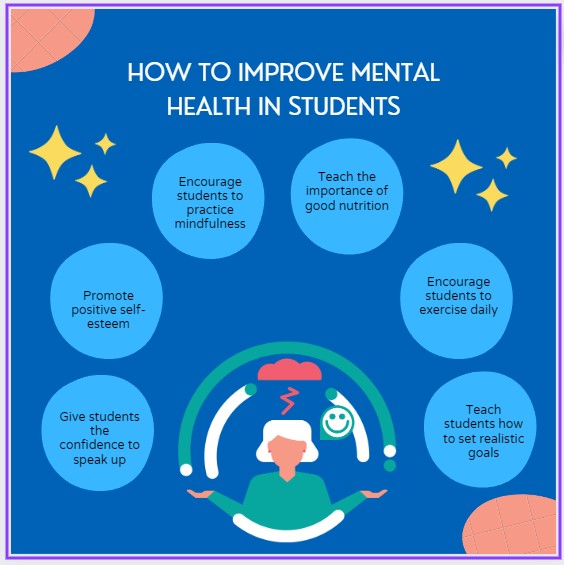
Mental health refers to your emotional, psychological, and social well-being. It determines how you process information, manage emotions, relate to other people, and cope with everyday challenges.
The World Health Organization defines mental health as a state of well-being in which every individual realizes their potential, can cope with the normal stresses of life, can work productively, and is able to contribute to their community.
It is not a fixed state. Mental health exists on a spectrum and changes throughout life based on circumstances, stress, support systems, and choices.
Mental health conditions are not rare. They are widespread, growing, and affecting people across every age group, income level, and country.
According to recent data, approximately 1 in 5 adults experiences some form of mental illness in any given year. Anxiety and depression rose by 9.3% and 10.6% respectively between 2025 and 2026. Despite this, over 52% of US adults have not accessed any mental health services such as therapy or psychiatry.
| Mental Health Statistic | 2026 Data |
|---|---|
| Adults who experience mental illness annually | 1 in 5 |
| Adults who say mental health is increasingly important | 60% |
| Adults who have NOT accessed mental health services | 52.6% |
| Depression/anxiety cost to global economy (lost productivity) | $1 trillion per year |
| Adults citing cost as the main barrier to care | 41% |
| People living in underserved mental health areas | 120 million+ |
These numbers show a clear gap between how many people struggle and how many actually receive help.
The mind and body are not separate systems. They are deeply connected, and what happens in one directly affects the other.
Chronic stress, depression, and anxiety elevate cortisol levels in the body. High cortisol over time reduces blood flow, increases heart rate, and raises blood pressure. This directly increases the risk of heart disease, stroke, and diabetes.
Research from the University of Iowa Health Care confirms that depression and anxiety disorders have a direct impact on physical health outcomes, including cardiovascular risk, immune function, and even recovery from illness.
Positive mental health is associated with a stronger immune system. Studies show that people with stable emotional well-being are more likely to engage in healthy behaviors — regular exercise, balanced nutrition, and adequate sleep — all of which strengthen immune defenses.
Conversely, people in poor mental health are more susceptible to infections, slower to recover from illness, and more prone to inflammation-related conditions.
Depression is clinically linked to conditions like asthma, diabetes, and hypertension. These are not coincidental overlaps — they share biological pathways involving inflammation, hormones, and the nervous system.
Treating mental health conditions often leads to measurable improvements in the management of chronic physical illness, which is why integrated healthcare approaches are becoming standard practice.
| Physical Health Area | Impact of Poor Mental Health |
|---|---|
| Cardiovascular system | Increased risk of heart disease and stroke |
| Immune system | Reduced immune cell production, more infections |
| Hormonal system | Elevated cortisol, disrupted hormonal balance |
| Chronic illness | Worsened management of diabetes, asthma, hypertension |
| Sleep | Disrupted sleep cycles, insomnia, fatigue |
| Inflammation | Higher inflammatory markers throughout the body |
Sleep and mental health have a deeply bidirectional relationship. Poor mental health disrupts sleep, and disrupted sleep worsens mental health.
During deep sleep stages, the brain consolidates memories, regulates emotions, and balances neurotransmitters including serotonin and dopamine. These are the same chemicals that govern mood, motivation, and anxiety.
When sleep is cut short or fragmented, these processes are interrupted. The result is increased irritability, reduced concentration, weakened emotional regulation, and a higher vulnerability to anxiety and depression.
People who consistently get poor quality sleep face a significantly higher risk of developing anxiety disorders and clinical depression. Long-term sleep deprivation has also been linked to cognitive decline and an increased risk of Alzheimer’s disease.
Driving after 20 hours without sleep carries the same impairment as driving at the legal blood alcohol limit — which illustrates just how profoundly sleep deprivation affects the brain.
Good sleep hygiene — consistent bedtimes, limited screen time before bed, cool and dark sleeping environments — does more than reduce tiredness. It directly strengthens emotional resilience, boosts mood stability, improves problem-solving ability, and reduces daily anxiety.
Healthy relationships depend on emotional regulation, empathy, communication, and the ability to manage conflict. All of these are directly governed by mental health.
When someone is dealing with untreated anxiety, depression, or chronic stress, they often become emotionally withdrawn. They may struggle to listen attentively, respond empathetically, or engage fully in conversations and moments with the people they love.
This is not a character flaw — it is a symptom. And recognizing it as such is the first step toward getting help and restoring connection.
Research consistently shows that people with strong mental health have lower rates of anxiety and depression, higher self-esteem, greater empathy, and more cooperative and trusting relationships. These qualities create a positive feedback loop — good mental health improves relationships, and strong relationships reinforce good mental health.
Loneliness is itself a mental health risk factor. According to the American Psychological Association, more than half of US adults report feeling isolated, left out, or stressed by social disconnection. Chronic loneliness is linked to increased rates of depression, cognitive decline, and even shorter life expectancy.
Prioritizing mental health is therefore an investment in the quality and depth of every relationship in your life.
The economic cost of untreated mental illness is staggering — and it is borne both by individuals and by entire economies.
The World Health Organization has confirmed that depression and anxiety disorders alone cost the global economy approximately $1 trillion every year in lost productivity. This figure accounts for both absenteeism (missing work) and presenteeism (being at work but unable to function effectively).
Employees dealing with mental health challenges are approximately 5% more likely to be absent from work. When they do show up, their ability to focus, make decisions, and collaborate is significantly reduced.
Data from a 2025 NAMI workplace poll shows that employees in workplaces offering mental health training are substantially less likely to report productivity loss. Among workers without mental health training, 38% reported that their productivity had suffered. That number dropped to just 21% in workplaces with mental health support and training in place.
This is a direct, measurable return on investment for organizations that take mental health seriously.
Burnout — a state of emotional, physical, and mental exhaustion caused by prolonged stress — is increasingly recognized as a public health issue. It reduces creativity, decision-making ability, and motivation. It contributes to high staff turnover and organizational dysfunction.
Treating burnout requires addressing the root mental health causes, not simply taking a short vacation and returning to the same environment.
| Work Impact Area | Effect of Poor Mental Health |
|---|---|
| Absenteeism | Up to 5% higher absence rates |
| Presenteeism | Reduced focus, decision-making, and output |
| Team dynamics | Communication breakdowns and increased conflict |
| Creativity | Significantly diminished innovation and problem-solving |
| Staff retention | Higher turnover in mentally unsupported workplaces |
| Global economic cost | $1 trillion per year in lost productivity |
Mental health conditions most often begin before age 14, making early intervention critical. The habits, coping skills, and emotional literacy developed in childhood set the pattern for adult life.
One of the most important mental health trends in 2026 is the growing recognition that emotional literacy — the ability to understand, name, and manage emotions — is a skill that must be taught and practiced from a young age, just like reading or mathematics.
Children who develop emotional literacy are better equipped to manage stress, form healthy relationships, perform academically, and ask for help when they need it.
Nearly 58% of people aged 18 to 34 made mental health-related resolutions in 2026, reflecting a generational shift in how young adults view emotional wellness. This age group is more open to seeking help than previous generations, which represents a meaningful cultural change.
However, barriers to access remain. Cost, stigma, lack of providers, and geographic limitations continue to prevent many young people from getting the support they need.
Mental health is not only a personal concern — it is a public health issue with broad social consequences.
Despite 81% of Americans recognizing the importance of mental health in 2026, many still face internal and external barriers to seeking help. Stigma — the fear of being judged or labeled — remains one of the most powerful forces preventing people from asking for support.
Reducing stigma requires open conversations, representation in media, training in workplaces and schools, and policies that normalize help-seeking behavior.
More than 120 million Americans live in areas designated as underserved for mental health care. Communities already facing inequality — low-income households, marginalized populations, rural areas — carry a disproportionate share of the mental health burden while having the least access to care.
Building a mentally healthier society means expanding access, not just raising awareness.
Healthy communities are built on healthy individuals. When community members have access to mental health support, the downstream effects include reduced rates of substance use, lower rates of domestic violence, less crime, stronger families, and more engaged citizens.
Mental health is infrastructure, just as roads and schools are infrastructure.
Recognizing early warning signs is essential for intervention before conditions worsen.
Persistent sadness or emptiness lasting more than two weeks is a red flag. Excessive worry, fear, or irritability that feels disproportionate to the situation is another. Mood swings that are difficult to control or explain also warrant attention.
Withdrawal from friends, family, and activities that used to bring joy is a common early sign. Changes in appetite — either eating far less or far more than usual — and significant sleep disruption (insomnia or sleeping too much) both point to a mental health shift that needs support.
Unexplained physical symptoms — chronic headaches, stomach problems, muscle tension — can be manifestations of anxiety and stress. Persistent fatigue that does not improve with rest is another physical signal tied closely to depression.
| Warning Sign Category | Specific Signs to Watch For |
|---|---|
| Emotional | Persistent sadness, excessive worry, mood swings, hopelessness |
| Behavioral | Social withdrawal, loss of interest, changes in appetite |
| Physical | Chronic fatigue, headaches, sleep disruption, tension |
| Cognitive | Difficulty concentrating, forgetfulness, indecisiveness |
| Social | Conflict in relationships, isolation, reduced communication |
Good mental health is not passive — it requires intentional, daily choices.
Physical activity is one of the most evidence-backed mental health interventions available. Even 30 minutes of moderate aerobic exercise three to five times per week reduces symptoms of anxiety and depression, improves mood through endorphin release, and builds long-term emotional resilience.
Aim for 7–9 hours of consistent sleep per night. Establish a regular sleep schedule, limit screens in the hour before bed, and keep your sleeping environment cool and dark. Sleep is one of the most powerful tools available for protecting mental health.
Invest time and effort in relationships. Reach out to friends and family members, join community groups, and cultivate at least a small number of close relationships where you feel genuinely seen and supported.
Mindfulness, meditation, deep breathing exercises, and journaling have all demonstrated measurable effects on reducing stress and improving emotional regulation. Even ten minutes per day of intentional calm makes a difference over time.
Alcohol is a depressant. While it may provide short-term relief from anxiety, regular use worsens mental health outcomes over time. Substance use disorders and mental health conditions frequently co-occur, making one another harder to treat.
Therapy, counseling, and psychiatric care are not last resorts. They are effective, evidence-based tools that work best when used early — before symptoms become severe. Preventive mental health care in 2026 is becoming as routine as annual physical checkups.
What you eat directly affects how your brain functions. This is the field of nutritional psychiatry, and its findings are compelling.
Diets high in ultra-processed foods, sugar, and refined carbohydrates are associated with higher rates of depression and anxiety. In contrast, diets rich in whole foods, omega-3 fatty acids, leafy vegetables, legumes, and fermented foods support healthy brain chemistry and reduce inflammation.
The gut-brain axis — the communication pathway between your digestive system and your brain — means that gut health directly influences mood, cognition, and stress response.
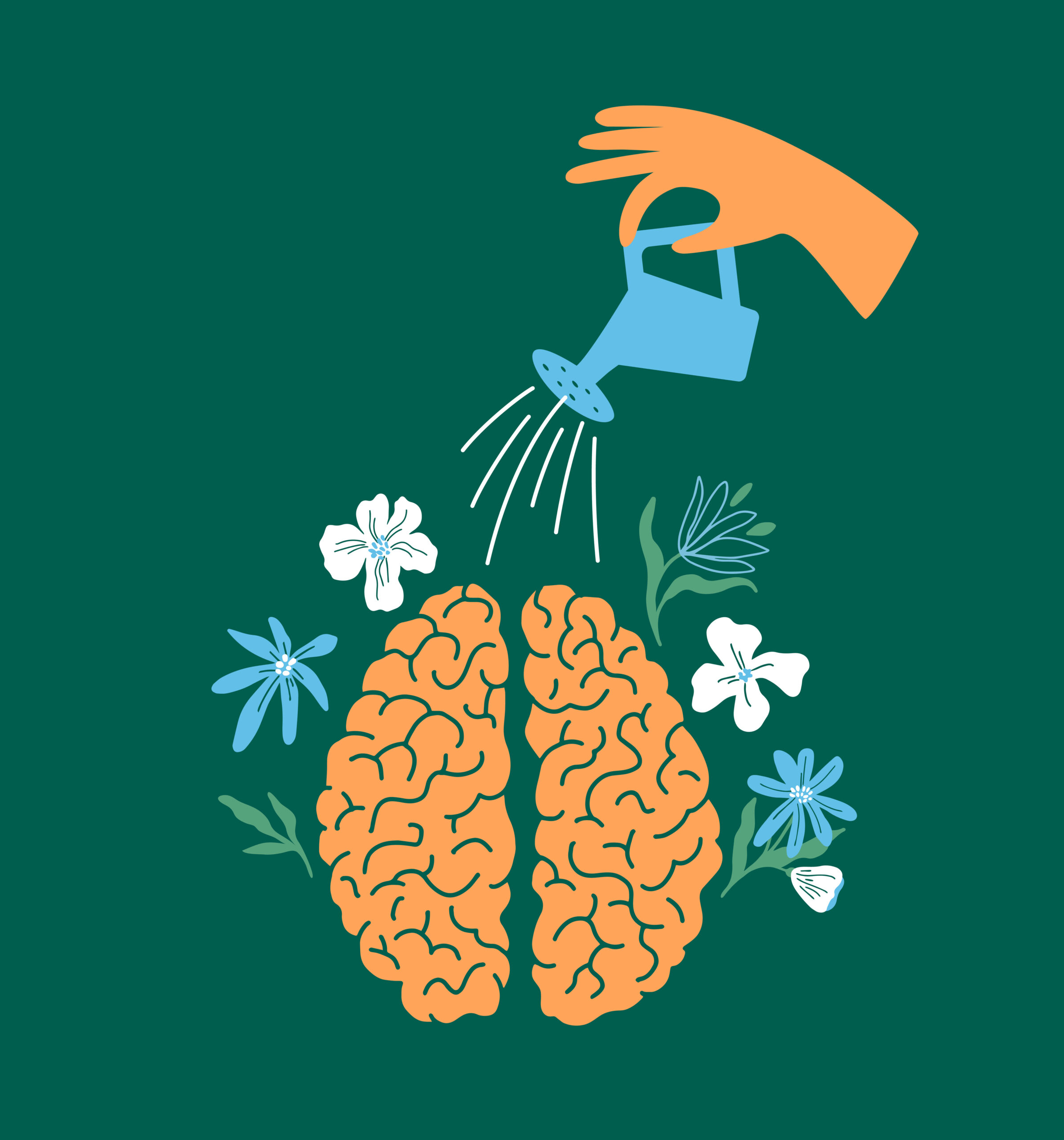
Mental health needs change at different life stages, and recognizing those shifts is important for appropriate support.
| Life Stage | Common Mental Health Challenges | Recommended Support |
|---|---|---|
| Children (5–12) | Anxiety, ADHD, behavioral issues | Emotional literacy education, family support |
| Adolescents (13–18) | Depression, social anxiety, eating disorders | School-based support, peer connection |
| Young Adults (18–34) | Stress, identity, burnout, relationships | Therapy, community connection |
| Adults (35–60) | Work stress, burnout, relationship strain | Workplace programs, therapy |
| Older Adults (60+) | Grief, isolation, cognitive decline | Community programs, social engagement |
Mental Health Awareness Month, observed every May, exists to reduce stigma, educate the public, promote early intervention, and connect people to care.
But awareness is only the starting point. As the National Council for Mental Wellbeing emphasizes, awareness must lead to action — access to treatment, policy reform, funding, and the dismantling of barriers that prevent people from getting help.
Around 30 million Americans lack access to affordable mental health and substance use treatment. Closing that gap requires systemic change, not just social media campaigns.
Mental and physical health are deeply connected — each one directly affects the other. Poor mental health raises the risk of heart disease, weakens the immune system, disrupts sleep, and worsens chronic conditions.
Untreated mental health conditions worsen over time, leading to more severe symptoms, damaged relationships, reduced work performance, and increased risk of physical illness. Early intervention always produces better outcomes than waiting.
Yes. Chronic stress and depression suppress immune function, reducing the body’s ability to fight infections and recover from illness. Positive emotional well-being, by contrast, supports immune strength.
Poor mental health is linked to higher absenteeism, reduced concentration, and impaired decision-making. The WHO estimates depression and anxiety cost the global economy $1 trillion per year in lost productivity.
Mental health conditions are not a choice, just as physical illnesses are not a choice. However, daily habits — sleep, exercise, nutrition, social connection, and stress management — can meaningfully support and protect mental well-being.
Poor mental health reduces emotional availability, empathy, and communication skills. It can create distance, conflict, and disconnection in close relationships. Good mental health, by contrast, fosters trust, cooperation, and deeper connection.
Mental health is important from birth. Most mental health conditions first emerge before age 14, making early education, emotional literacy, and family support critically important.
Yes. Regular moderate exercise is one of the most effective non-medication interventions for anxiety and depression. It releases endorphins, reduces cortisol, improves sleep, and builds long-term emotional resilience.
Nutrition directly influences brain chemistry and mood. Diets high in whole foods, omega-3s, and vegetables support mental well-being, while diets high in sugar and ultra-processed foods are associated with higher rates of depression and anxiety.
Seek help when symptoms last more than two weeks, interfere with daily functioning, strain relationships, or involve thoughts of self-harm. Therapy and counseling work best when started early, not as a last resort.
Why is mental health important? Because it underpins everything else.
It shapes how you sleep, work, love, communicate, heal, and grow. A person with strong mental health is more resilient, more productive, more connected, and more capable of living a meaningful life.
A society that invests in mental health sees lower rates of chronic illness, stronger families, more engaged communities, and healthier economies.
In 2026, the conversation around mental health has never been louder — but awareness alone is not enough.
What matters now is action. Seeking help early, supporting those around you without judgment, demanding better access to care, and building daily habits that protect emotional well-being.
Mental health is not a luxury or an afterthought. It is a fundamental human need, and protecting it is one of the most important investments any person or community can make.