
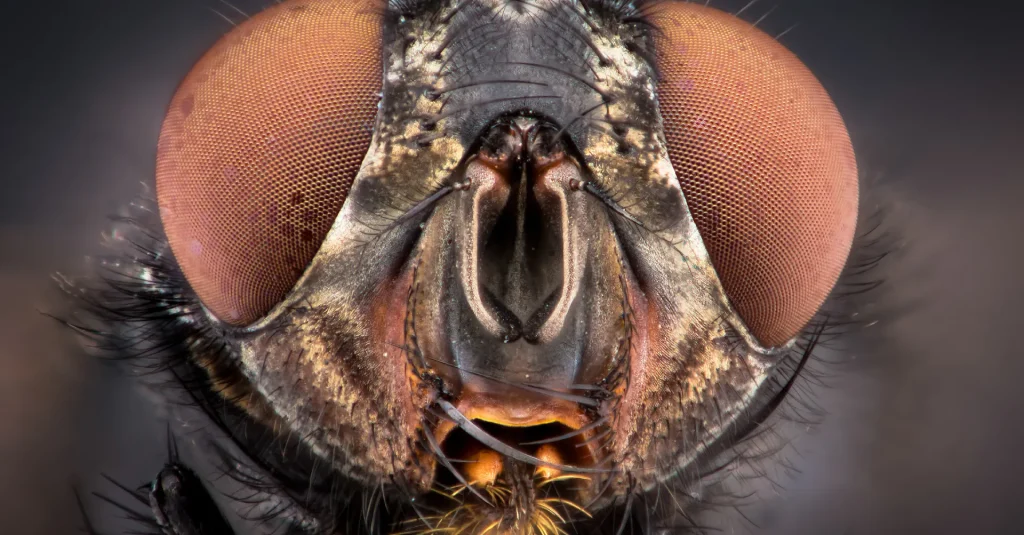
Why are flies so annoying — it is a question every person has asked at least once while swatting the same fly for the fifth time. Flies are not annoying on purpose.
They are simply doing what their biology tells them to do, and that biology happens to crash directly into our daily lives.
They land on our food, buzz around our heads, invade our homes, and dodge every attempt to swat them.
Heading Structure Pattern Competitors Use:
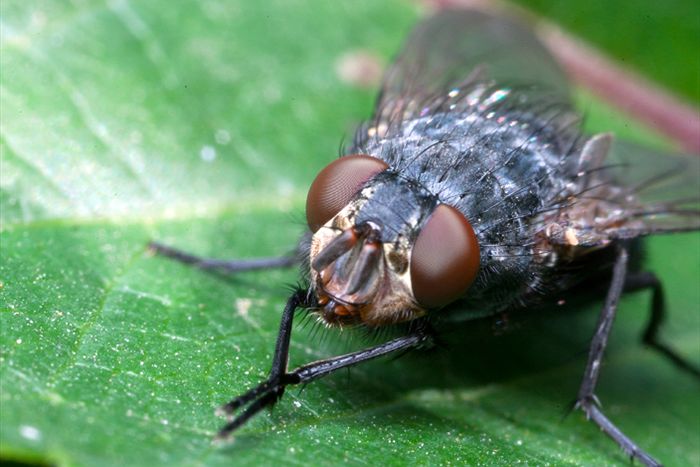
Top pages use H2 for title and conclusion only. All body sections run on H3 for main topics and H4 for sub-topics and FAQs. Short paragraphs of 2–3 lines are used throughout, with occasional tables for visual clarity.
Flies are annoying because their survival needs overlap perfectly with everything humans do. They need warmth, moisture, food, and a place to breed — and a human home provides all four.
They are not targeting you out of spite. Every landing, every buzz, every return after a swat is driven by millions of years of evolved instinct. That does not make them less irritating, but it does explain why they seem so relentless.
Understanding fly behavior is the first step to actually managing them. Let us go through every reason these insects get under our skin.
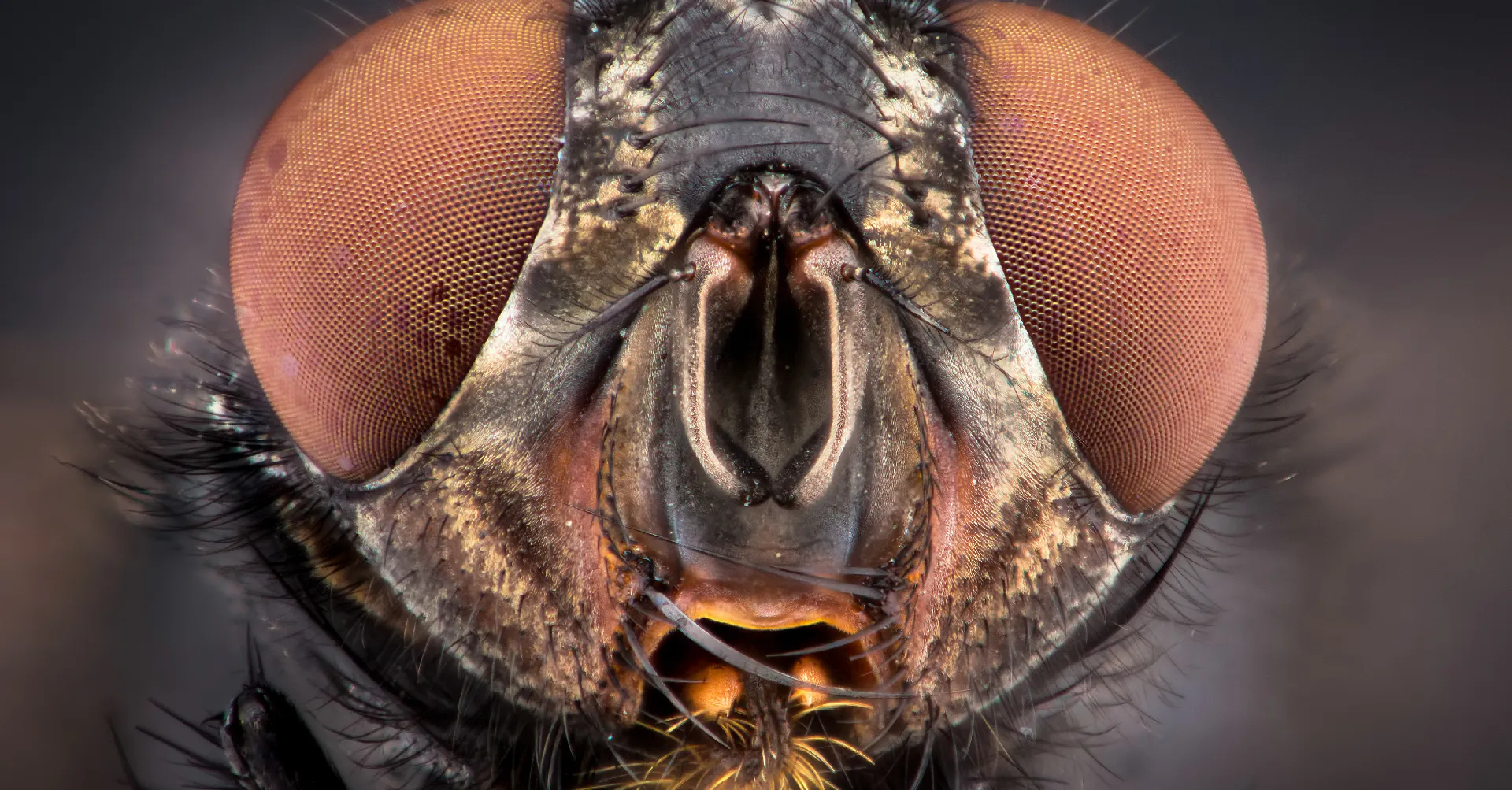
A fly’s eyes are one of the most impressive visual systems in the insect world. Each compound eye contains between 3,000 and 8,000 individual lenses, giving flies nearly 360-degree vision.
They cannot focus on details the way human eyes can, but they are extraordinarily good at detecting motion. The moment your hand moves toward them, their visual system fires a warning signal before you have even started swinging.
This is why swatting a fly almost always fails on the first attempt. By the time your hand reaches the spot, the fly has already processed the threat and taken off.
Beyond their vision, flies have one of the fastest neural response times of any insect. Research shows that a housefly can process a visual threat and launch into the air in under 100 milliseconds.
They also use a zig-zag flight pattern as a defense mechanism, making their path after escape unpredictable. This evolved to confuse predators like frogs and birds, but it works just as well against humans with flyswatters.
The combination of wide-angle vision and lightning reflexes makes flies genuinely difficult to catch. It is not your aim that is the problem.
When a fly lands on your food, your skin, or your drink and you shoo it away, it does not simply give up. It circles, waits, and comes back because it detected a real signal — heat, moisture, carbon dioxide, or organic compounds — and its brain is telling it to investigate.
Flies do not have the cognitive ability to “decide” something is not worth pursuing. Once a sensory trigger is detected, they are compelled to follow it. Waving your hand removes them temporarily, but the signal is still there.
From a fly’s perspective, a human body is an incredibly rich source of resources. Your skin constantly releases compounds that flies have evolved to track across large distances.
The main attractants your body produces include lactic acid from sweat, carboxylic acids released through skin, ammonia from bacterial breakdown of sweat, and carbon dioxide from every breath you exhale. Each of these is a signal that tells a fly “food, warmth, and moisture are here.”
| Body Signal | What It Tells Flies |
|---|---|
| Carbon dioxide (exhaled) | Warm-blooded animal nearby — potential food source |
| Lactic acid (sweat) | Moisture and nutrients available on skin |
| Body heat (98.6°F / 37°C) | Energy-rich warm surface for resting |
| Ammonia (skin bacteria) | Organic matter and nutrient source |
| Skin oils and dead cells | Direct food — flies taste through their feet |
Flies target the face more than any other part of the body because it produces the highest concentration of attractant signals in one place. Your mouth and nose exhale carbon dioxide constantly. Your eyes produce moisture through tears. Your skin near capillaries — which are closer to the surface on the face — radiates more heat.
The moisture from saliva, mucus, and even the corners of the eyes is especially appealing. Flies have sponge-like mouthparts that absorb liquids, and facial moisture provides exactly what they need.
Fly attraction is not random. Individuals who sweat more, have higher body temperatures, consume high-protein diets, or have specific gut bacteria compositions emit stronger chemical signals that flies detect more easily.
People wearing dark-colored clothing also attract more flies. Dark colors absorb more heat, raising the surface temperature of the fabric and making the person stand out more strongly as a heat source.
The buzzing of a fly is produced by its wings beating between 200 and 300 times per second. In enclosed spaces like rooms and cars, this sound amplifies against hard surfaces and becomes impossible to tune out.
Human brains are wired to pay attention to unpredictable, high-pitched sounds because they historically signaled danger or disease. The erratic buzzing of a fly triggers that same alert system even though the threat is minor.
This is why even a single fly in a room can shatter concentration. Your brain keeps flagging the sound as something that needs attention.
Flies are closely associated with rot, waste, and contamination. They breed in garbage, animal feces, and decaying organic matter. When a fly lands on your food after having been on those surfaces, your brain registers a legitimate threat — and disgust is the emotional response that evolved to protect you from pathogens.
This association is not just cultural. It is a biological defense mechanism. The disgust you feel when a fly lands on your sandwich is your brain doing exactly what it was designed to do.
A big part of why flies are so annoying is the feeling of helplessness they create. You cannot reason with them. You cannot permanently scare them off. No matter what you do in the short term, they come back.
This persistent, uncontrollable intrusion activates a specific type of frustration that psychologists associate with learned helplessness — when repeated attempts to fix a problem fail, frustration and stress escalate quickly.
A fly infestation, even a minor one, can cause measurable stress simply because the problem keeps returning.
Not all flies are the same. Different species have different behaviors, and understanding which fly you are dealing with explains a lot about how and why it is bothering you.
| Fly Type | Main Annoyance | Why It Keeps Coming Back |
|---|---|---|
| House Fly (Musca domestica) | Lands on food and surfaces | Attracted to organic matter, moisture, warmth |
| Fruit Fly | Swarms around produce and drinks | Drawn to fermenting sugars and yeast |
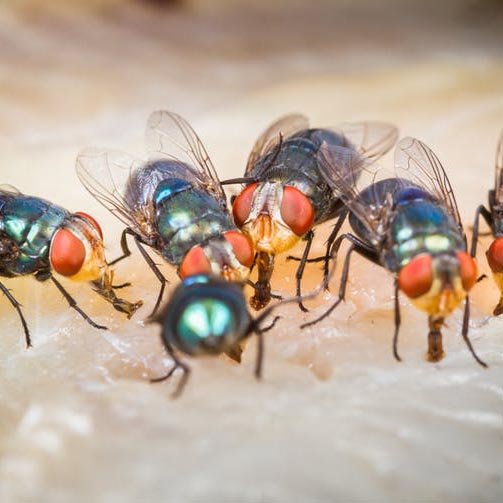
| Blow Fly | Buzzes loudly, appears near waste | Attracted to rotting meat and animal waste |
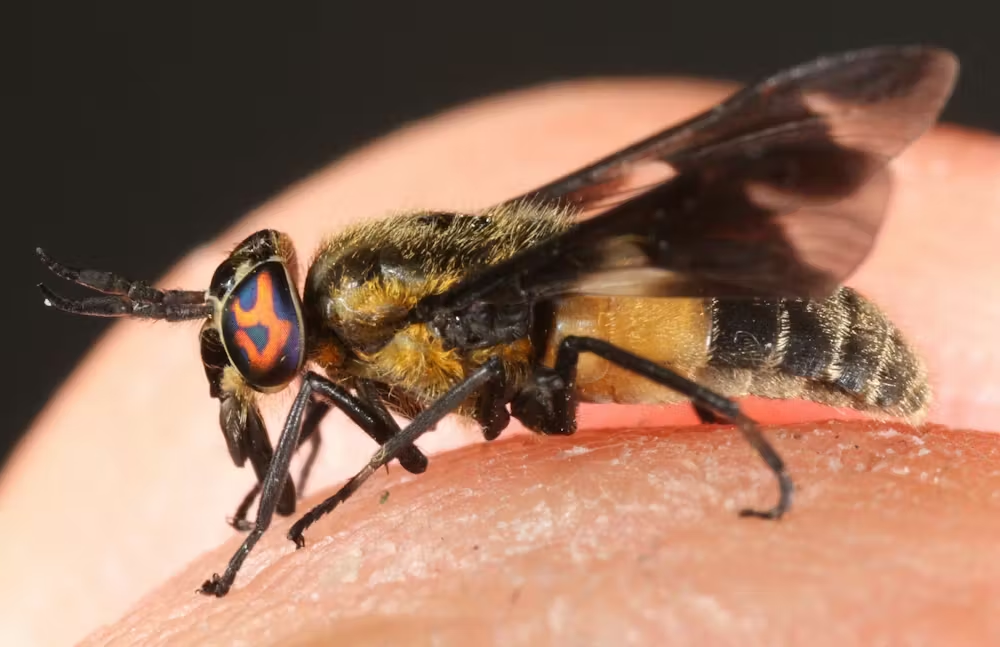
| Horse Fly | Bites painfully | Needs blood meals to reproduce |
| Drain Fly | Clusters around sinks and drains | Breeds in stagnant water and organic buildup |
| Cluster Fly | Invades homes in autumn | Seeks warm shelter as temperatures drop |
Flies can detect changes in air pressure caused by the movement of a flyswatter or hand before it makes contact. The hairs on their body — called mechanoreceptors — sense the displacement of air and trigger an escape response.
By the time your hand is halfway through its swing, the fly has already begun its takeoff. Even a successful swat requires aiming slightly ahead of where the fly is sitting.
A single female housefly can lay up to 500 eggs in her short lifetime of 15 to 30 days. Those eggs hatch into larvae in as little as 12 to 24 hours under warm conditions, and the entire lifecycle from egg to adult fly can be completed in as few as 7 to 10 days.
This means killing individual flies does very little to reduce a fly population if the breeding source remains. For every fly you kill, many more are developing nearby.
Fly breeding grounds are often out of sight and out of mind. Common hidden breeding spots include the bottom of garbage cans with residual food waste, clogged or slow-draining sink drains, pet waste left in the yard, standing water in plant trays, and compost bins that are not sealed.
Eliminating the breeding source is far more effective than swatting individual flies. Without addressing the source, the population simply replenishes itself.
House flies are believed to be capable of carrying at least 65 different diseases. Their bodies, legs, and mouthparts pick up bacteria, viruses, and parasites from the contaminated surfaces they feed on — and then deposit those pathogens on the next surface they touch.
Common pathogens associated with houseflies include Salmonella, E. coli, Campylobacter, and Staphylococcus. In regions with poor sanitation, fly transmission has been linked to outbreaks of cholera, typhoid fever, and dysentery.
Here is a fact that makes the “annoying” feeling feel more justified: when a fly lands on solid food, it vomits digestive enzymes onto the surface to liquefy it before eating. It is doing this every time it lands on your meal.
Flies also taste with their feet through chemoreceptors on their tarsi. When they walk across your food, they are actively sampling it. Once they detect something desirable, they return repeatedly — which explains why shooing a fly away from your food rarely works for long.
Even a single fly landing briefly on food can transfer thousands of bacteria. Research shows that flies can deposit more microbial contamination in the first few seconds of landing than at any later point, because the initial landing involves the most contact between body parts and the surface.
This is not a reason to panic over every fly that passes near your kitchen, but it is a solid reason to cover food when flies are present.
Flies thrive in warm conditions. Their eggs hatch faster, larvae develop more quickly, and adult flies are more active when temperatures are between 75°F and 90°F (24°C to 32°C). This is why fly problems consistently peak in summer and drop off in autumn.
Most flies are cold-blooded, meaning they cannot regulate their own body temperature. In winter, they enter a dormant state or die off, which is why fly populations seem to disappear — then explode again the following spring as eggs laid in warm soil begin to hatch.
As outdoor temperatures drop in autumn, flies actively seek warm shelter. Cluster flies and house flies invade homes through gaps around windows, doors, and utility openings in large numbers during this transition period.
Once inside, they remain sluggish and easier to catch — but they can also survive for weeks on the warmth of your heating system.
Nothing else matters until the breeding source is eliminated. Clean garbage cans thoroughly and frequently. Clear standing water from plant saucers and yard areas. Pick up pet waste daily. Seal compost bins. Clean sink drains with a biological drain cleaner to clear organic buildup.
Without removing what is attracting and breeding flies, every other method provides only temporary relief.
Several natural scents repel flies effectively. These include lavender (plants, oil, or candles), basil (planted near entry points or windows), peppermint oil, eucalyptus oil, cinnamon, cloves, and citrus peels placed near entry points.
Planting fragrant herbs like basil, mint, rosemary, and lavender around doorways and windows creates a natural barrier that reduces fly entry without any chemicals.
| Trap Type | How to Make It | Best For |
|---|---|---|
| Vinegar and dish soap trap | Apple cider vinegar + few drops of dish soap in a glass | Fruit flies |
| Sugar-water funnel trap | Sugar water in a jar with a paper funnel | House flies |
| Clove and lemon pomander | Cloves pressed into a lemon half, left near food | General deterrent |
| Red wine trap | Small amount of leftover red wine in a glass | Fruit flies |
Use fans in outdoor dining areas — flies struggle to navigate in even a light breeze. Keep windows and door screens in good repair and replace any that have holes. Turn off outdoor lights at night where possible, since flies are attracted to light.
Store all food in sealed containers. Even a small amount of exposed food or drink is enough to attract flies and sustain a local population.
If fly populations are consistently large, appear quickly after elimination attempts, or are coming from a source you cannot locate, professional pest control is the right call. A pest control expert can identify hidden breeding sources and apply targeted treatments that are not available over the counter.
Commercial properties — especially food businesses — should treat recurring fly problems as urgent, since flies can cause regulatory and health code violations.
One important clarification: having flies does not automatically mean your home is unclean. Flies are drawn to many factors that have nothing to do with hygiene, including outdoor vegetation, neighboring properties, drainage conditions, and even clothing colors.
That said, sanitation directly impacts how large a fly problem becomes once flies are present. A clean home with sealed food and clean drains will not sustain a fly population for long. An unkempt one will provide everything flies need to breed and multiply.
Flies detect heat, moisture, carbon dioxide, and organic compounds from your skin, all of which signal food and resources. Their sensory drive to investigate these signals is instinctive and persistent — they cannot simply decide to stop.
Flies have compound eyes with nearly 360-degree vision and can detect air pressure changes from a moving hand in milliseconds. Their zig-zag escape flight pattern makes them even harder to catch once they take off.
Flies taste through their feet and detect food through smell from significant distances. Once they land and confirm something is edible, they return repeatedly because the chemical signal remains even after you shoo them away.
Your face produces the highest concentration of fly attractants — exhaled carbon dioxide, facial moisture from eyes and mouth, and body heat from capillaries close to the skin surface. To a fly, your face is an extremely strong and concentrated signal.
Both. House flies can carry over 65 disease-causing pathogens on their bodies and transfer bacteria every time they land. The annoyance is real, but the health risk from flies landing on exposed food is also genuinely worth taking seriously.
Shooing a fly removes it physically but does not remove the signal that attracted it. As long as the food, warmth, or moisture is still present, the fly will return. Covering the attractant source is the only reliable short-term fix.
A sudden increase usually means a nearby breeding source has produced a new generation. Check garbage cans, sink drains, pet waste areas, and any hidden organic matter. Flies can complete their lifecycle in as few as 7 to 10 days in warm conditions.
Flies groom themselves constantly by rubbing their legs together to clean their sensory receptors, especially the chemoreceptors on their feet. Clean sensors allow them to detect food, mates, and danger more accurately.
Yes. Flies are active during daylight hours and rest at night. They prefer to sleep on surfaces near food sources, which is why you often find them stationary on walls and ceilings in kitchens after dark.
Flies are strongly repelled by lavender, basil, peppermint, eucalyptus, cinnamon, cloves, and citrus. Using these scents as plants, essential oils, or candles near entry points and food areas helps deter flies without chemicals.
Why are flies so annoying? Because they are extraordinarily well-designed survival machines whose needs put them in constant conflict with ours.
Their compound eyes, lightning-fast reflexes, and powerful chemical detection make them hard to catch, hard to deter, and hard to ignore.
Their association with waste and disease triggers a deep biological disgust response.
Their rapid reproduction means that killing individuals barely makes a dent in the population.
The good news is that understanding fly behavior gives you a real advantage.
Remove breeding sources and you cut off the population at its root.
Use scent-based deterrents and physical barriers to make your home less attractive.
Cover food and liquids to eliminate the chemical signals that draw flies in.
When the problem is severe, professional pest control targets hidden sources that DIY methods miss.
Flies have been around for over 65 million years and are not going anywhere.
But with the right approach, you can make your home a place they have very little reason to visit.