
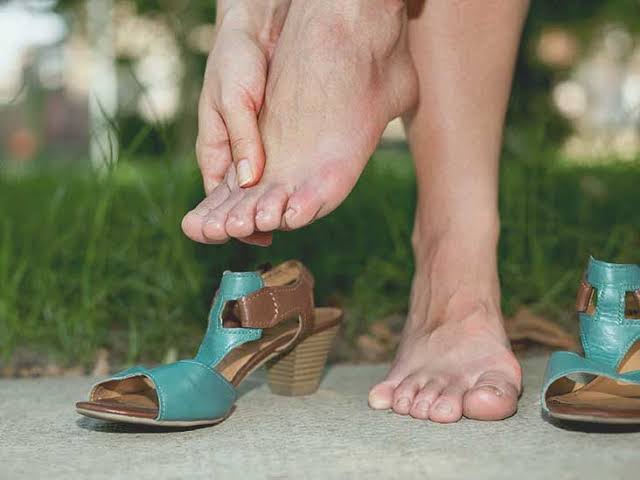
Why do my toes go numb is a question many people ask after noticing a strange tingling or loss of feeling in their feet. Sometimes it happens after sitting cross-legged for too long, and other times it lingers for no obvious reason.
This sensation can feel alarming, especially when it does not go away quickly. In most cases, numb toes are linked to temporary pressure on a nerve or reduced blood flow. However, persistent numbness can sometimes point to an underlying condition like diabetes, nerve damage, or poor circulation.

Toe numbness happens when nerve signals or blood flow to the feet get interrupted. Nerves running from the spine down through the legs into the toes are sensitive to pressure, injury, and certain diseases.
Most cases are harmless and resolve once you change position, warm up, or switch footwear. Others may need medical attention if the numbness lasts or keeps returning.
Below is a detailed breakdown of the most common causes reported by podiatrists and neurologists in 2026.
Crossing your legs or sitting awkwardly puts direct pressure on nerves running through the legs into the toes, temporarily cutting off normal nerve signals.
This type of numbness usually fades within a few minutes once you shift position and allow blood flow to return to normal.
Shoes that are too narrow, too short, or pointed at the toe box can compress nerves and blood vessels, leading to numbness after walking or standing.
Switching to wider, properly fitted footwear often resolves this type of numbness within days of consistent use.
Walking barefoot on cold floors or spending time in chilly weather can narrow blood vessels in the feet, temporarily reducing circulation to the toes.
Wearing warm socks and allowing the feet to gradually warm up usually restores normal sensation within a short period.
High blood sugar levels over time can damage small nerve fibers in the feet, a condition known as diabetic neuropathy, which often starts with numbness in the toes.
Keeping blood sugar levels controlled through diet, medication, and regular checkups is essential to slow or prevent further nerve damage.
Peripheral artery disease narrows the arteries supplying blood to the legs and feet, which can cause numbness, coldness, and pain in the toes, especially during activity.
Managing cholesterol, blood pressure, and quitting smoking are key steps in treating and slowing the progression of this condition.
Low vitamin B12 levels can damage the protective coating around nerves, leading to numbness, tingling, and weakness that often begins in the toes and feet.
Vitamin B12 supplements or dietary changes, guided by a doctor, can help restore healthy nerve function over time.
Long-term heavy alcohol consumption can lead to nutritional deficiencies and direct nerve damage, both of which contribute to numbness in the toes and feet.
Reducing alcohol intake and improving nutrition can help nerves heal, though recovery may take several months depending on the extent of damage.
Nerves supplying the toes originate in the lower spine, so a herniated disc, spinal stenosis, or hip compression can cause numbness that radiates down into the feet.
Physical therapy, posture correction, or in some cases surgery may be needed to relieve pressure on the affected nerve.
This condition involves thickened tissue around a nerve between the toes, often caused by tight shoes or repetitive stress, leading to burning pain and numbness.
Switching to wider shoes, using custom orthotics, or receiving corticosteroid injections are common treatments recommended by podiatrists.
A bunion can stretch or compress the nerve along the inside of the big toe, leading to localized numbness in addition to visible joint swelling.
Wearing shoes with a wider toe box and using cushioned pads can relieve pressure and reduce numbness caused by bunions.
Certain medications, including chemotherapy drugs and some treatments for HIV or heart disease, list nerve damage and numbness as a possible side effect.
Discussing symptoms with your prescribing doctor can help determine whether a dosage change or alternative medication is appropriate.
Multiple sclerosis and other autoimmune conditions can damage the protective covering of nerves throughout the body, sometimes causing numbness that starts in the toes or feet.
A neurologist can perform imaging and nerve tests to confirm whether an autoimmune condition is contributing to ongoing numbness.
Raynaud’s phenomenon causes blood vessels in the toes and fingers to narrow excessively in response to cold or stress, leading to numbness and color changes in the skin.
Keeping the body warm, managing stress, and avoiding triggers can significantly reduce the frequency of Raynaud’s episodes.
A broken or bruised toe can cause swelling that presses on nearby nerves, resulting in numbness alongside pain and visible discoloration.
Seeing a doctor after any toe injury ensures the bone heals correctly and reduces the risk of long-term nerve damage.
Fluid retention and swelling during pregnancy can put pressure on nerves in the feet, leading to temporary numbness, especially in the later trimesters.
Elevating the feet, wearing supportive shoes, and staying hydrated can help reduce swelling-related numbness during pregnancy.
An underactive thyroid can slow nerve function throughout the body, sometimes contributing to numbness and tingling sensations in the toes and feet.
A simple thyroid blood test can confirm whether hormone levels are contributing to ongoing numbness symptoms.
This rare autoimmune condition causes the immune system to attack peripheral nerves, often starting with numbness or tingling in the toes before spreading upward.
Because symptoms can progress quickly, prompt medical evaluation is important if numbness spreads rapidly alongside weakness.
This inherited condition damages peripheral nerves over time, often starting with numbness and weakness in the feet and lower legs during childhood or early adulthood.
While there is no cure, physical therapy and supportive footwear can help manage symptoms and maintain mobility.
Enlarged, twisted veins in the legs can create pressure on surrounding tissue and nerves, occasionally contributing to numbness in the feet and toes.
Compression stockings and elevating the legs regularly can help reduce vein-related pressure and improve overall circulation.
Older adults are statistically more likely to experience toe numbness due to a combination of reduced circulation, joint changes, and higher rates of chronic conditions like diabetes.
Age-related nerve degeneration can also slow the body’s ability to repair minor nerve irritation, making numbness last longer than it would in younger adults.
Regular foot checkups become increasingly important with age, since numbness can sometimes mask developing wounds or infections that go unnoticed.

Long-distance runners and athletes sometimes experience toe numbness due to repetitive impact, tight athletic shoes, or swelling from prolonged activity.
Choosing running shoes with a wider toe box and properly lacing them to avoid excess pressure can significantly reduce this type of numbness.
Taking short walking breaks during long runs also allows blood flow to normalize before numbness becomes persistent or uncomfortable.
| Common Cause | Type of Numbness | Recommended Fix |
|---|---|---|
| Sitting cross-legged | Temporary | Change position, move feet |
| Tight shoes | Temporary to recurring | Switch to wider footwear |
| Cold exposure | Temporary | Warm socks, gradual warming |
| Diabetic neuropathy | Persistent | Blood sugar management |
| Peripheral artery disease | Persistent | Cholesterol and blood pressure control |
| Vitamin B12 deficiency | Persistent | Supplements, diet changes |
| Nerve compression in spine | Persistent | Physical therapy or surgery |
| Morton’s neuroma | Recurring | Orthotics, injections |
A physical exam is usually the first step, where a doctor checks reflexes, sensation, and circulation in the feet and toes.
Blood tests can rule out diabetes, vitamin deficiencies, and thyroid issues that commonly contribute to nerve-related numbness.
Nerve conduction studies measure how well electrical signals travel through the nerves, helping identify the exact location of nerve damage.
Imaging tests like MRI or CT scans may be used when spinal cord or nerve compression in the back is suspected as the underlying cause.
Wearing properly fitted shoes with a wide toe box and cushioned support prevents unnecessary pressure on nerves and blood vessels in the feet.
Taking short breaks to stretch and move during long periods of sitting also helps maintain healthy circulation to the toes.
Controlling blood sugar levels through diet, exercise, and medication is the most effective way to slow diabetic nerve damage over time.
Regular checkups with a doctor help track how well an underlying condition like diabetes or PAD is being managed.
A physical therapist can teach targeted stretches and posture corrections that relieve pressure on compressed nerves in the back or hip.
Consistent therapy sessions often reduce numbness gradually over several weeks, especially when combined with proper ergonomic habits.
Doctors may prescribe medications specifically designed to reduce nerve-related pain and numbness, especially in cases of diabetic or chemotherapy-induced neuropathy.
These medications work by calming overactive nerve signals rather than treating the root cause directly.
If blood tests reveal a vitamin B12 or other nutrient deficiency, supplements or dietary changes can help nerves recover their normal function.
Improvement is usually gradual, and follow-up blood tests confirm whether vitamin levels have returned to a healthy range.
In cases involving severe nerve compression, such as a herniated disc or advanced Morton’s neuroma, surgery may be recommended to relieve pressure permanently.
Surgical outcomes are generally positive when performed before long-term nerve damage becomes irreversible.
| Underlying Cause | First-Line Treatment | When Surgery May Be Needed |
|---|---|---|
| Tight shoes or posture | Footwear change | Rarely needed |
| Diabetic neuropathy | Blood sugar control | Not typically surgical |
| Nerve compression in spine | Physical therapy | If conservative care fails |
| Morton’s neuroma | Orthotics, injections | Persistent severe cases |
| Vitamin B12 deficiency | Supplementation | Not surgical |
Sudden numbness accompanied by facial drooping, slurred speech, confusion, or severe weakness can be signs of a stroke and requires emergency medical attention immediately.
Numbness following a serious accident or injury to the head, neck, or back should also be treated as an emergency, since spinal cord damage may be involved.
Toe numbness that spreads rapidly up the leg, combined with severe pain or color changes, should be evaluated by a doctor as soon as possible.
Choosing shoes with adequate room in the toe box reduces unnecessary pressure on nerves during daily walking and standing activities.
Taking regular breaks from sitting, stretching your legs, and avoiding crossed-leg positions for long periods helps maintain healthy circulation.
Managing chronic conditions like diabetes and high cholesterol through regular checkups significantly lowers the risk of nerve-related numbness developing over time.
Maintaining a balanced diet rich in B vitamins and staying within recommended alcohol limits also supports long-term nerve health in the feet.
Gently massaging the feet and toes can help stimulate blood flow while you monitor whether numbness is temporary or persistent.
Elevating your feet for short periods throughout the day can relieve pressure on nerves affected by prolonged standing or sitting.
Avoiding tight socks or compression wear around the ankles prevents additional restriction of blood flow to already sensitive toes.
Keeping a symptom diary, noting when numbness occurs and how long it lasts, gives your doctor useful information during diagnosis.
Numbness rarely occurs in complete isolation, and paying attention to accompanying symptoms helps narrow down the likely cause more accurately.
A prickling sensation alongside numbness often points to temporary nerve compression, though it can also appear in early stages of peripheral neuropathy.
Burning pain combined with numbness is commonly associated with nerve damage from diabetes, Morton’s neuroma, or chemotherapy-related neuropathy.
Toes that feel unusually cold or turn pale, blue, or red alongside numbness often suggest circulation issues like Raynaud’s phenomenon or peripheral artery disease.
Visible swelling combined with numbness can indicate an injury, infection, or fluid retention pressing on nearby nerves.
Numbness paired with muscle weakness or difficulty lifting the foot may point to more significant nerve or spinal cord involvement requiring prompt evaluation.
Asking yourself a few simple questions can help you describe your symptoms clearly and assist your doctor in reaching a faster diagnosis.
Consider whether the numbness affects one toe, several toes, or both feet equally, since the pattern often hints at the underlying cause.
Think about whether the numbness started suddenly or developed gradually over weeks or months, as sudden onset can sometimes indicate a more urgent issue.
Note any recent changes in footwear, activity level, alcohol consumption, or new medications that may have coincided with the start of your symptoms.
Keeping track of these details before your appointment allows your doctor to focus testing on the most likely causes right away.
Gentle daily stretching of the calves and feet can help relieve minor nerve compression caused by tight muscles or poor posture.
Warm foot soaks may temporarily improve circulation and ease numbness related to cold exposure or mild circulatory issues.
A balanced diet rich in B vitamins, omega-3 fatty acids, and antioxidants supports overall nerve health and may reduce numbness linked to nutritional gaps.
Always discuss any new supplement or home remedy with your doctor first, especially if you have diabetes or are taking other medications.

Toe numbness ranges from a harmless, momentary sensation to an early signal of a condition that benefits from prompt medical attention.
Tracking patterns, trying simple footwear and posture changes first, and knowing the warning signs of a medical emergency gives you a clear path forward.
When in doubt, a short conversation with your doctor or podiatrist can quickly rule out serious causes and put your mind at ease.
Bringing a written list of your symptoms, their duration, and any triggers you have noticed makes that conversation faster and more productive for both you and your doctor.
Tight shoes or repetitive nerve pressure during walking is the most common cause. Switching to wider, cushioned footwear with proper arch support often resolves it within days.
Yes, stress can trigger Raynaud’s phenomenon in some people, narrowing blood vessels in the toes and reducing circulation. Managing stress levels through relaxation techniques can reduce these episodes.
Yes, persistent toe numbness is often an early sign of diabetic neuropathy, especially if it appears in both feet. A simple blood sugar test can confirm whether diabetes is the underlying cause.
Temporary numbness from sitting or cold exposure usually resolves within minutes once you move, stretch, or warm up the affected foot properly.
See a doctor if numbness lasts more than a few days, keeps recurring frequently, or comes with pain, weakness, swelling, or noticeable color changes in the skin.
Yes, low vitamin B12 levels can damage the protective coating around nerves and cause numbness. Supplements or dietary changes usually improve symptoms gradually over several weeks.
Yes, reduced blood flow from tight shoes, cold weather, varicose veins, or peripheral artery disease commonly leads to numbness and coldness in the toes.
Yes, nerve compression in the lower spine, such as from a herniated disc, can send numbness all the way down through the leg into the toes.
Yes, if numbness comes on suddenly along with facial drooping, slurred speech, confusion, or severe weakness, seek emergency care immediately, as it may signal a stroke.
In many cases yes, especially when tight or narrow shoes are the main cause. Wider, properly fitted shoes with a roomy toe box often resolve numbness for good.
Why do my toes go numb usually comes down to simple, fixable causes like tight shoes, prolonged sitting, or cold exposure. In other cases, it can point to something more significant, such as diabetes, nerve compression, vitamin deficiency, or poor circulation.
Paying attention to how often the numbness occurs, how long it lasts, and whether other symptoms appear alongside it helps determine the right next step. Simple lifestyle changes like better footwear, regular movement, and a balanced diet resolve many mild cases without further treatment.
However, persistent or worsening numbness should always be evaluated by a doctor to rule out underlying conditions. Acting early gives you the best chance of protecting long-term nerve health and keeping your feet feeling normal.