
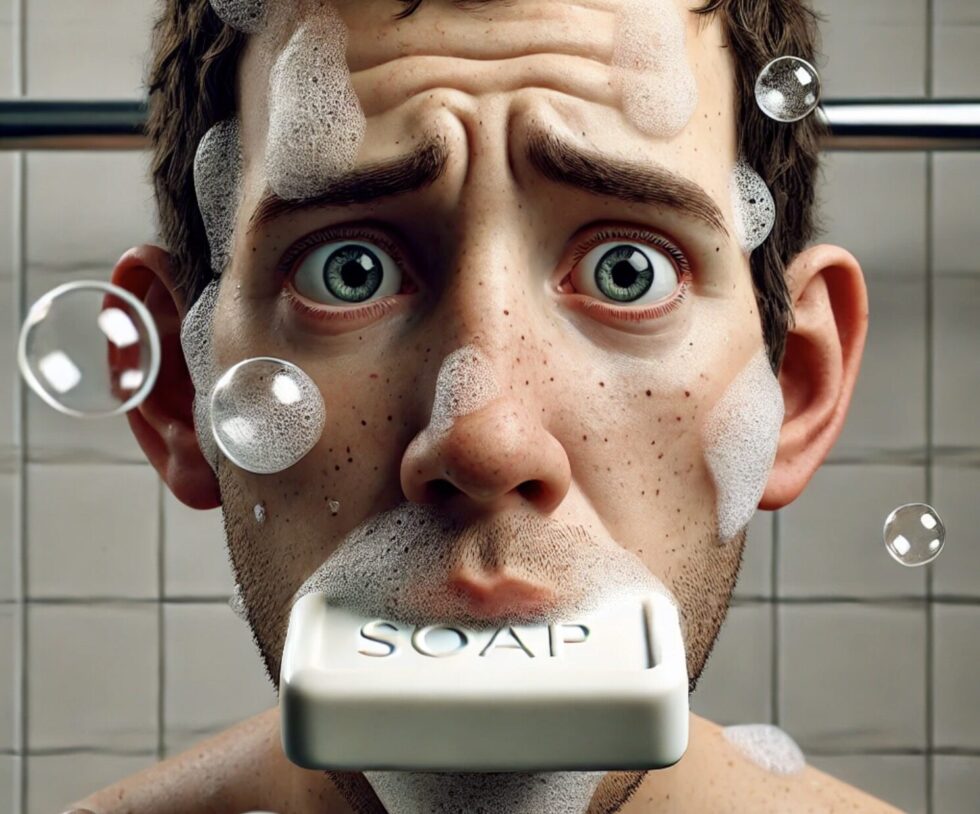
Why does my mouth taste like soap? In most cases, it’s caused by something harmless like leftover dish soap residue, certain foods, or a genetic quirk that makes some flavors taste different to you.
Less often, it can point to fluoride exposure, acid reflux, dry mouth, medication side effects, or a sinus or dental issue. The taste can appear suddenly after a meal or linger for hours, and it’s usually temporary.
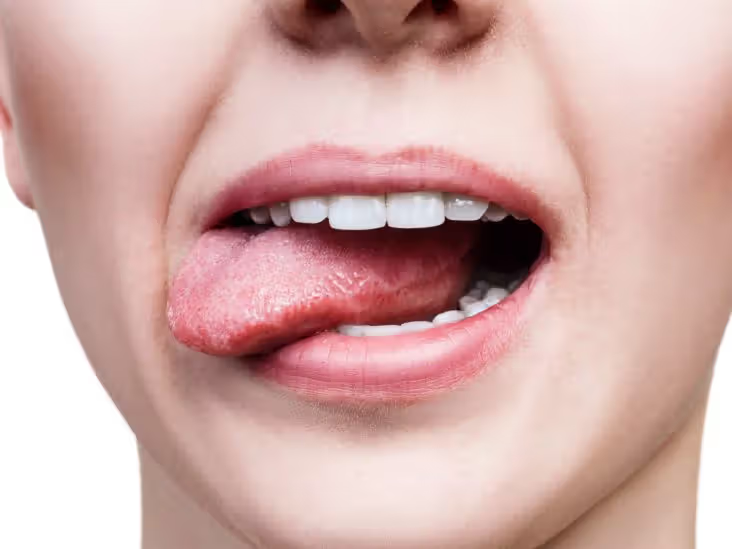
A soapy taste is exactly what it sounds like, a bitter, chemical, or perfumed flavor that resembles bar soap or dish detergent, even though you haven’t touched any.
It’s technically classified as a form of dysgeusia, which simply means an altered or unusual sense of taste that doesn’t match what you’re actually eating or drinking.
This sensation can show up randomly, after meals, or constantly throughout the day. It may affect your appetite and make normal foods taste unpleasant.
There isn’t just one reason behind a soapy taste. It can come from something as simple as residue on a dish or something inside your body.
If a plate, cup, or utensil isn’t rinsed thoroughly, tiny traces of dish soap can remain, especially on plastic or silicone surfaces that absorb scent easily.
This is one of the most common and harmless explanations. Switching to a fragrance-free detergent and rinsing dishes twice usually solves the problem completely.
Some people have a genetic trait that makes cilantro taste soapy instead of fresh and herby. This is linked to specific taste receptor genes.
Carrots and a few other vegetables can produce a similar effect in sensitive individuals. The taste typically fades shortly after you stop eating the food.
Many toothpastes contain sodium lauryl sulfate (SLS), a foaming agent that can leave a soapy or bitter aftertaste, especially if you switch brands.
Mouthwash with strong chemical ingredients can cause the same effect. Switching to an SLS-free toothpaste often resolves this quickly.
Sodium fluoride, found in small amounts in toothpaste and drinking water, can cause a soapy or salty taste if you’re exposed to unusually high levels.
This is rare from normal dental product use but more relevant for people who work around industrial fluoride chemicals. Severe cases need emergency care.
When stomach acid flows back into the esophagus and mouth, it can alter your taste perception and sometimes create a soapy or sour sensation.
Chronic acid reflux, also known as GERD, often comes with other symptoms like heartburn, regurgitation, or a burning feeling in the chest.
Saliva helps wash away bacteria and food particles. When your mouth doesn’t produce enough saliva, taste receptors can misfire and create odd flavors.
Dry mouth can result from dehydration, certain medications, mouth breathing, or underlying health conditions affecting the salivary glands.
Many prescription and over-the-counter medications list altered taste as a side effect, including certain antibiotics, antihistamines, and blood pressure medications.
If a soapy taste started shortly after beginning a new medication, it’s worth mentioning to your prescribing doctor or pharmacist.
Hormonal shifts during pregnancy can heighten or distort your sense of taste, sometimes producing a metallic or soapy flavor known as dysgeusia.
This usually improves as hormone levels stabilize, often by the second trimester, and isn’t typically a cause for concern on its own.
Old food particles trapped between teeth or along the gumline can break down over time, creating unusual tastes, including a soapy or chemical one.
Consistent brushing, flossing, and tongue cleaning usually clears this up within a day or two of improved routine.
Oral thrush, a fungal infection in the mouth, can create white patches along with taste changes, including a soapy, metallic, or bitter sensation.
Gum infections and cavities can produce similar effects due to bacteria buildup and inflammation in the affected area.
This condition causes a persistent burning sensation in the mouth, often paired with taste distortions like bitterness or a soapy flavor, without any visible cause.
It’s more common in postmenopausal women and may be linked to nerve function, hormonal changes, or nutritional deficiencies.
The table below summarizes how common each cause is and whether it typically resolves on its own or needs professional evaluation.
| Cause | How Common | Needs Medical Attention |
|---|---|---|
| Soap Residue on Dishes | Very Common | No |
| Cilantro/Genetic Taste | Common | No |
| Toothpaste (SLS) | Common | No |
| Acid Reflux (GERD) | Moderate | Sometimes |
| Dry Mouth | Moderate | Sometimes |
| Medications | Moderate | Sometimes |
| Pregnancy Hormones | Moderate | No |
| Poor Oral Hygiene | Common | No |
| Oral Thrush/Infection | Less Common | Yes |
| Fluoride Toxicity | Rare | Yes, Urgently |
| Burning Mouth Syndrome | Rare | Yes |
Most causes on this list are harmless and temporary. The ones marked as needing medical attention are worth discussing with a doctor or dentist.
Soapy taste is just one type of taste distortion. Understanding how it differs from metallic, bitter, or sour tastes can help narrow down the cause.
| Taste Type | Common Causes |
|---|---|
| Soapy | Soap residue, SLS toothpaste, fluoride, genetics |
| Metallic | Pregnancy, medications, dental work, sinus issues |
| Bitter | Dry mouth, acid reflux, smoking, liver issues |
| Sour | Acid reflux, aging, zinc deficiency, medications |
If your soapy taste is paired with a metallic or bitter edge, several overlapping causes like reflux or medication side effects may be at play together.

While most cases are harmless, certain warning signs suggest something more significant is going on and deserve prompt medical attention.
If you experience any of these alongside the soapy taste, it’s best to contact a doctor rather than waiting for it to resolve on its own.
A doctor or dentist will usually start by asking about your diet, oral hygiene routine, recent medications, and how long the taste has lasted.
They may perform an oral exam to check for infections, dry mouth, or dental issues that could explain the sensation.
In some cases, blood tests or referrals to a specialist may be needed if reflux, hormonal imbalance, or a neurological cause is suspected.
Many cases of soapy taste can be managed at home with a few simple adjustments to your routine and habits.
If your toothpaste contains sodium lauryl sulfate, try an SLS-free formula instead. This alone resolves the issue for many people within a few days.
Wash dishes with a fragrance-free detergent and rinse twice, especially plastic or silicone items that tend to hold onto scent and residue.
Drinking plenty of water throughout the day supports healthy saliva production, which helps wash away bacteria and reduces unusual taste sensations.
Brush twice daily, floss regularly, and don’t forget to gently clean your tongue, where bacteria and food particles often accumulate.
Mix half a teaspoon of salt into warm water and rinse your mouth for thirty seconds. This helps reduce bacteria and soothe irritation.
Chewing gum stimulates saliva flow, which can help neutralize unusual tastes and freshen your mouth between meals.
If cilantro, carrots, or other specific foods seem to trigger the taste, avoiding them for a while can confirm the connection and provide relief.
If a soapy taste started after a new prescription, talk to your doctor or pharmacist about whether an alternative medication is available.
A few consistent habits can help you avoid a recurring soapy taste and keep your mouth feeling fresh.
Small changes in your kitchen and oral care routine often prevent the soapy taste from returning in the future.
What you eat can play a bigger role in taste distortion than many people realize. Certain spices, herbs, and even water sources can contribute.
Foods high in sulfur compounds, like broccoli or garlic, can sometimes leave a lingering aftertaste that some people describe as soapy or chemical-like.
Drinking water with unusually high mineral or fluoride content in certain regions can also subtly affect taste perception over time.
Keeping a simple food diary for a few days can help you identify whether a specific ingredient consistently triggers the soapy sensation.
Your sense of smell contributes heavily to how you perceive taste, and nasal congestion or sinus issues can distort flavors, including creating a soapy taste.
A stuffy nose from allergies or a cold reduces your ability to smell properly, which can make familiar foods taste strange or off entirely.
If your soapy taste coincides with a cold, allergies, or sinus pressure, it likely stems from reduced smell function rather than an oral health issue.
Chronic stress and anxiety can influence how your brain processes taste signals, sometimes contributing to unusual sensations like a persistent soapy flavor.
Practicing relaxation techniques such as deep breathing, light exercise, or meditation may help reduce stress-related taste disturbances over time.
If stress seems to be a factor, addressing it directly alongside oral hygiene changes often provides more complete relief.
If simple home remedies don’t resolve the soapy taste within a week or two, it’s a good idea to schedule a professional evaluation.
A dentist can rule out oral infections, gum disease, or dental issues, while a doctor can investigate reflux, medication side effects, or hormonal causes.
Don’t ignore the taste if it comes with other symptoms like numbness, vomiting, dizziness, or unexplained weight loss, as these need prompt evaluation.
Taste perception is more genetically influenced than most people assume. Specific gene variants control how strongly you detect certain flavor compounds.
The cilantro-soap link is the most well-known example, tied to a gene called OR6A2, which affects sensitivity to aldehyde chemicals found in the herb.
Similar genetic variation explains why some people find certain vegetables intensely bitter while others barely notice any strong flavor at all.
Understanding that some soapy taste reactions are simply genetic can bring peace of mind, since there’s often no underlying health problem to worry about.
A soapy taste is rarely something to panic about, but tracking patterns and triggers puts you in control of finding a fast, lasting solution.
A few misconceptions about soapy taste circulate widely online. Clearing these up can prevent unnecessary worry.
While fluoride toxicity can rarely cause this taste, it typically requires unusually high exposure levels, not normal use of toothpaste or drinking water.
Poor hygiene is only one of many possible causes. Genetics, medications, and hormonal shifts are equally, if not more, common explanations.
Most cases resolve quickly with simple changes like switching toothpaste, improving hydration, or identifying a trigger food, so ongoing suffering usually isn’t necessary.
Before your appointment, it helps to gather a few details that can speed up diagnosis and lead to a faster resolution.
Having this information ready allows your doctor or dentist to narrow down the cause more efficiently during your visit.
A soapy taste doesn’t only affect adults. Children can experience it too, though the common causes tend to differ slightly by age group.
Kids are more likely to experience a soapy taste from swallowing toothpaste, sipping from a cup with detergent residue, or accidental exposure to household soap products.
Parents should keep fluoride toothpaste and cleaning products out of reach and supervise brushing for children under six to prevent accidental ingestion.
Adults more commonly experience soapy taste from dietary triggers, medications, hormonal shifts, acid reflux, or long-term oral hygiene habits rather than accidental exposure.
If an adult’s soapy taste appears alongside other new symptoms, it’s more likely tied to an underlying health condition than simple residue exposure.
Not all soaps and cleaning products are created equal. Some ingredients are more likely than others to linger and affect taste perception.
Switching to fragrance-free, dye-free dish soap and thoroughly rinsing reusable containers can significantly reduce the chances of tasting soap unexpectedly.
For the vast majority of people, a soapy taste is a short-lived nuisance rather than a long-term problem, especially once the trigger is identified.
Cases linked to genetics, like the cilantro effect, are permanent but only occur when eating that specific food, making them easy to manage long-term.
Cases tied to medications, reflux, or hormonal changes typically improve once the underlying cause is treated or resolves on its own over time.
Persistent, unexplained cases lasting several weeks without any dietary or product-related trigger are the ones most likely to benefit from a full medical workup.
A sudden soapy taste is often caused by leftover soap residue on dishes, a new toothpaste, or a food like cilantro affecting sensitive taste buds.
Usually not. Most cases are harmless and temporary, though persistent taste changes with other symptoms should be checked by a doctor.
Yes, a genetic trait affects how some people perceive cilantro’s aldehydes, making it taste soapy instead of fresh and herby.
Most cases clear up within a few hours to a couple of days once the trigger, like food or soap residue, is removed.
Yes, toothpaste containing sodium lauryl sulfate can leave a soapy or bitter aftertaste for some users, especially after switching brands.
It can. Acid reflux alters taste perception and sometimes produces a soapy, sour, or bitter sensation alongside heartburn symptoms.
Yes, hormonal changes during pregnancy can cause dysgeusia, leading to metallic or soapy tastes that usually fade as hormones stabilize.
If the taste persists and bothers you, switching to an SLS-free toothpaste is a simple, safe first step to try.
Yes, several antibiotics, antihistamines, and other medications list altered or soapy taste as a possible side effect.
See a doctor if the taste lasts more than a week, worsens, or comes with symptoms like numbness, vomiting, or unexplained weight loss.
Keeping this checklist handy also helps if symptoms return in the future, saving you time on repeat visits.
A soapy taste in your mouth is unpleasant, but in most cases it isn’t a sign of anything serious or dangerous. It often comes down to simple, fixable causes like soap residue on dishes, a new toothpaste, certain foods like cilantro, or mild dehydration.
Less commonly, it can be linked to acid reflux, medications, hormonal changes, or an oral infection that needs treatment. Home remedies like switching toothpaste, staying hydrated, practicing good oral hygiene, and rinsing dishes thoroughly resolve most cases within a few days.
However, if the taste lingers for more than a week, worsens, or comes with symptoms like numbness, vomiting, or unexplained weight loss, it’s important to see a doctor or dentist promptly. Paying attention to when the taste appears and what triggers it will help you and your healthcare provider pinpoint the exact cause quickly.