
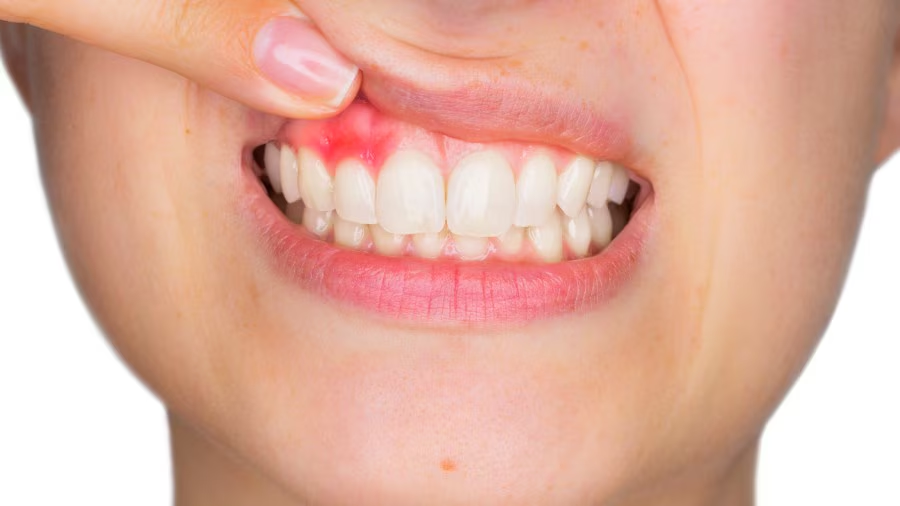
Why does my gum hurt is one of the most searched dental questions online, and for good reason.
Gum pain can hit you suddenly while brushing, eating, or even at rest. It can be a dull throb, a sharp sting, or a constant soreness that will not go away.
The causes range from something as minor as aggressive brushing to something as serious as a dental abscess or gum disease.
The good news is that many cases of gum pain can be eased at home with proven natural remedies. This guide covers every major cause and every effective remedy so you know exactly what to do next.
| Factor | Top Competitor Average |
|---|---|
| Content Length | 1,500 – 3,500 words |
| Keyword Repetition | 15 – 28 times |
| H2 Headings | 1 – 2 |
| H3 Headings | 6 – 10 |
| H4 Headings (FAQ) | Present in 6 of 8 |
| Tables Used | Present in 3 of 8 |
| Numbered Lists | Present in 7 of 8 |
| Readability Level | Grade 6 – 8 |
| Medical Disclaimer | Present in 5 of 8 |
Dental Disclaimer: This blog is for informational purposes only and does not replace professional dental advice. If your gum pain is severe, persistent, or comes with swelling, fever, or pus, see a dentist promptly.
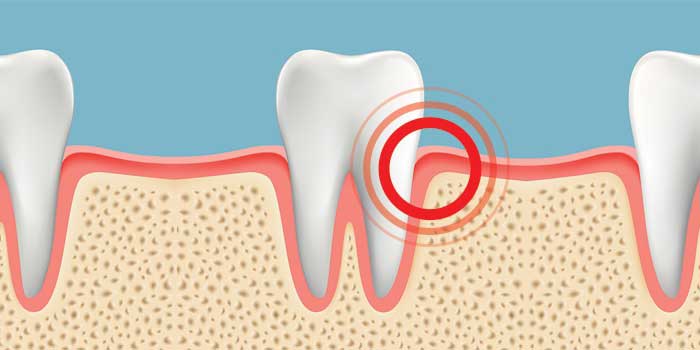
Your gums are not meant to hurt. Healthy gum tissue is firm, pale pink, and painless. When your gums hurt, it means the tissue is inflamed, irritated, infected, or injured in some way.
Ignoring gum pain is one of the most common dental mistakes people make. Pain is your body’s signal that something needs attention, and gum pain is no different.
Gum pain is extremely common across all age groups. About two in five adults have some form of gum disease, and many more experience temporary gum soreness from everyday habits like aggressive brushing, poor flossing technique, or eating sharp foods.
Understanding the specific cause behind your gum pain is the first step to choosing the right remedy and preventing the pain from returning.
Recognizing your type of gum pain helps narrow down the cause quickly.
| Type of Pain | How It Feels | Likely Cause |
|---|---|---|
| Dull ache along the gumline | Constant low-level throb | Gum disease, gum recession |
| Sharp pain when touching | Tender to press, localized | Trapped food, canker sore, abscess |
| Pain only when brushing | Soreness after brushing | Overbrushing, gingivitis |
| Swollen and throbbing | Pulsing pain, visibly swollen | Infection, abscess |
| Pain in one spot only | Localized, sharp or dull | Food stuck, damaged tooth, injury |
| Burning gum sensation | Warm, burning feeling | Menopause-related changes, allergy |
| Pain with bleeding | Soreness and red gums that bleed | Gingivitis, improper flossing |
Understanding why your gum hurts is the foundation of finding relief. Here are the ten most common reasons behind gum pain.
Gingivitis is the most common reason people ask why does my gum hurt. It is the earliest stage of gum disease and affects a large portion of adults at some point in their lives.
Gingivitis happens when plaque, a sticky film of bacteria, builds up along the gumline and is not removed through regular brushing and flossing. The bacteria irritate and inflame the gum tissue, causing redness, swelling, and pain.
The good news about gingivitis is that it is fully reversible with proper oral hygiene and professional cleaning. Left untreated, it progresses into periodontitis, which causes permanent damage to the bone and tissue supporting your teeth.
Brushing too hard or using a hard-bristled toothbrush is a surprisingly common cause of gum pain. The gum tissue is delicate and soft. Vigorous scrubbing can tear and inflame it quickly.
Many people believe that scrubbing harder equals cleaner teeth. This is not true. Aggressive brushing strips away gum tissue over time, causes the gums to recede, and leaves the sensitive tooth roots exposed.
Switching to a soft-bristled toothbrush and using small, gentle circular motions resolves this type of gum pain quickly in most cases.
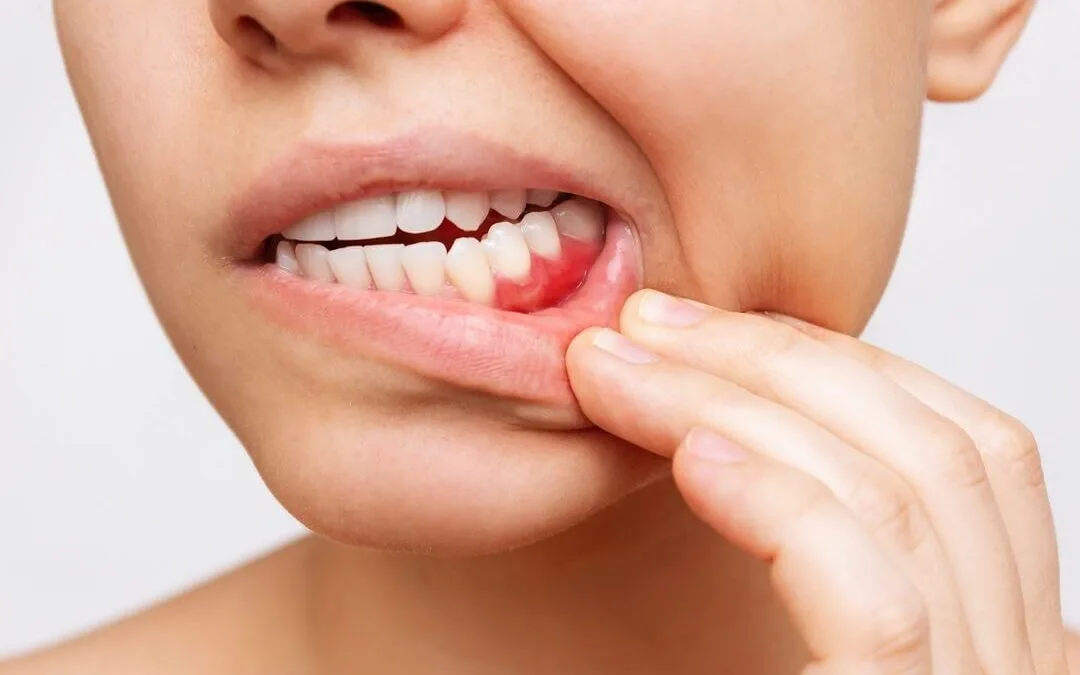
Something as simple as a popcorn kernel, seed skin, or a piece of meat wedged between your teeth and gums can cause sharp, localized gum pain within hours.
Trapped food particles irritate the gum tissue and create a breeding ground for bacteria. If left in place, the area can become swollen, tender, and even infected over time.
The pain usually resolves within a day or two once the food is removed and the area is cleaned.
Canker sores, also called aphthous ulcers, are small open sores that can develop directly on the gum tissue. They are round or oval, often white or yellow in the center with a red border, and very sensitive.
Canker sores are not contagious. They are typically triggered by stress, injury to the mouth, acidic foods, nutritional deficiencies, or hormonal changes.
They cause a sharp stinging pain, especially when eating salty, spicy, or acidic foods. Brushing near the sore also causes discomfort. The pain can be disproportionate to how small the sore actually looks.
Most canker sores heal on their own within one to two weeks without treatment. Avoiding irritants and using a mild salt water rinse speeds up recovery.
Hormonal fluctuations are a well-established cause of gum sensitivity and pain, particularly in women. During puberty, pregnancy, menstruation, and menopause, increased blood flow to the gums makes them more sensitive, swollen, and prone to inflammation.
Pregnancy gingivitis is a documented condition where rising hormone levels during pregnancy cause the gums to react more intensely to plaque bacteria. The gums may bleed easily, swell, and become tender throughout the pregnancy.
Maintaining excellent oral hygiene and visiting the dentist regularly during pregnancy helps manage this effectively.
During menopause, falling estrogen levels can cause the gums to feel dry, burning, or sensitive. This is sometimes described as burning mouth syndrome. The gums may change color and feel uncomfortable even without any visible infection.
A gum abscess is a pocket of pus that forms when bacteria invade the gum tissue or the area around a tooth root. This is one of the more serious causes of gum pain and requires dental treatment rather than home remedies alone.
An abscess causes intense, throbbing pain that can spread to the jaw, ear, and neck. The area is visibly swollen and may feel warm to the touch. Some abscesses produce a foul taste when they rupture.
A gum abscess cannot be treated at home and needs professional dental care. Antibiotics and drainage of the abscess are required. Do not delay if you suspect an abscess.
Periodontitis is the advanced form of gum disease that develops when gingivitis is not treated. It causes the gums to pull away from the teeth, forming deep pockets that fill with bacteria and eventually damage the bone that holds the teeth in place.
The pain from periodontitis tends to be deeper, more persistent, and is often accompanied by gum recession, loose teeth, and persistent bad breath.
Periodontitis cannot be reversed with home care alone. It requires professional treatment including deep cleaning procedures called scaling and root planing, and in severe cases, surgery.
Sharp foods like chips, crackers, or hard bread crusts can cut or bruise the gum tissue. Dental procedures including fillings, extractions, or cleanings can also leave the gums temporarily sore for a day or two.
Injury-related gum pain is usually straightforward. There is a clear event that caused it, and the pain resolves in a predictable time frame as the tissue heals.
Rinsing with warm salt water, eating soft foods, and avoiding the painful area while brushing gives the gum time to recover.
Smoking and smokeless tobacco are significant causes of gum pain, gum disease, and oral health problems. Tobacco reduces blood flow to the gum tissue, impairs healing, and increases the growth of harmful bacteria in the mouth.
Smokeless tobacco, which is placed directly against the gum, is particularly damaging. It can cause the gums to pull away from the teeth, form sores, and in serious cases contribute to oral cancer.
Even vaping and e-cigarettes irritate gum tissue and dry out the mouth, creating conditions where bacteria thrive and gum inflammation worsens.
A lack of certain vitamins, especially Vitamin C, directly weakens gum tissue and causes soreness, bleeding, and swelling. Vitamin C deficiency in its extreme form causes a condition called scurvy, where the gums become extremely painful, spongy, and bleed easily.
Even mild deficiencies in Vitamin C, Vitamin D, Vitamin B12, and calcium can contribute to gum sensitivity and slower healing of gum tissue.
Eating a balanced diet rich in fruits, vegetables, dairy, and lean proteins supports strong, resilient gums.
Once you understand why your gum hurts, you can choose the right home remedy. These are the best proven natural remedies for gum pain relief, backed by dental research and widely recommended by dentists for managing mild to moderate symptoms.
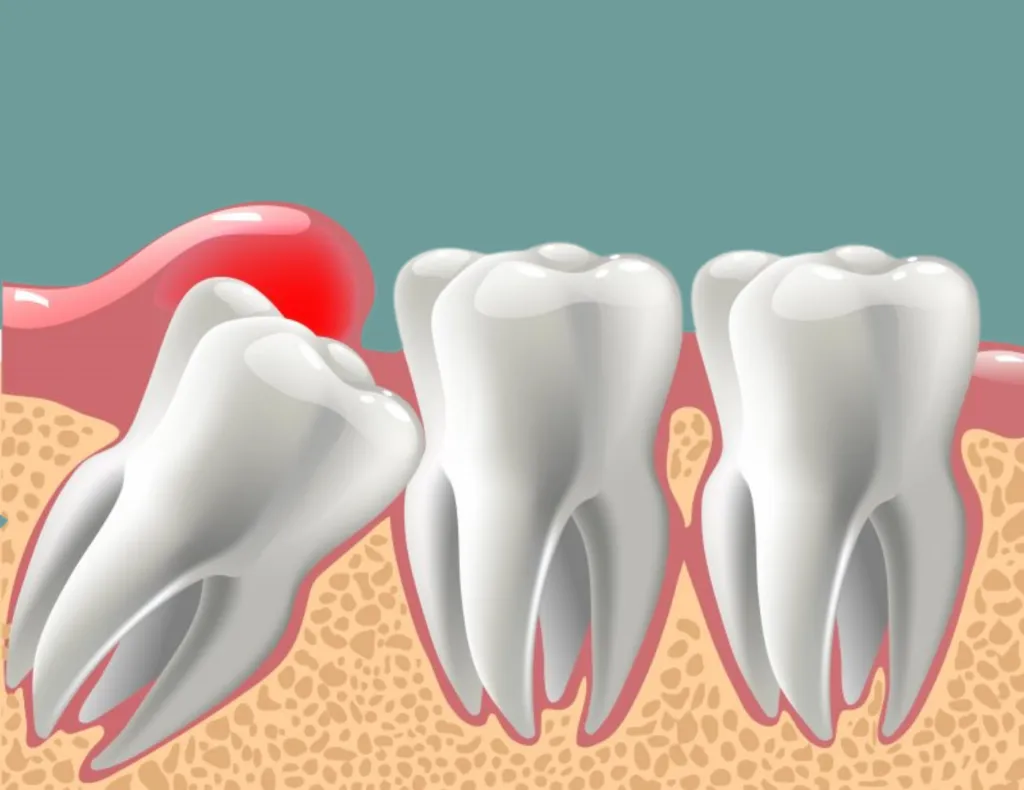
Salt water is the most universally recommended home remedy for gum pain. It creates an alkaline environment in the mouth that is hostile to bacteria, reduces inflammation, and gently cleanses the gum tissue.
Studies show warm salt water rinses have a similar effect on early gum disease as medicated rinses like chlorhexidine.
This remedy is safe for daily use and works well for gingivitis, canker sores, food-related irritation, and post-procedure soreness.
Clove oil contains eugenol, a natural compound with proven anesthetic and antiseptic properties. It has been used in dentistry for decades as a natural pain reliever. It numbs the gum tissue and fights the bacteria responsible for gum disease.
Research shows clove oil is as effective as some prescription rinses at fighting plaque and reducing gingivitis symptoms.
Stop using clove oil if you feel increased irritation. It is very potent and should never be swallowed.
Turmeric contains curcumin, a powerful anti-inflammatory and antimicrobial compound that reduces gum swelling, fights bacteria, and promotes tissue healing. A study in the Journal of Contemporary Dental Practice found turmeric gel significantly effective at reducing plaque and gingivitis.
Turmeric paste is an excellent natural remedy for gum pain caused by gingivitis and general inflammation.
Note that turmeric can temporarily stain teeth and lips yellow. Rinse well after each use.
A cold compress applied to the outside of the cheek reduces blood flow to the area, numbs pain signals, and brings down visible swelling. It works especially well for gum pain caused by injury, a recent dental procedure, or an inflamed abscess while you wait for a dental appointment.
Aloe vera is well-known for soothing and healing irritated tissue. In oral care, pure aloe vera gel reduces gum inflammation, kills harmful bacteria, and supports the healing of canker sores and tender gum tissue.
Aloe vera is gentle enough for sensitive gums and is safe for daily use.
Oil pulling is an ancient practice that involves swishing oil in the mouth to reduce harmful oral bacteria and support gum health. Coconut oil is the most popular choice because it contains lauric acid, which has well-documented antibacterial properties.
Research shows oil pulling with coconut oil can reduce plaque, kill mouth bacteria, and improve gingivitis symptoms when done consistently.
Do not swallow the oil. It collects bacteria from your mouth and should be discarded entirely.
Hydrogen peroxide has strong antibacterial properties that kill the bacteria responsible for gum infection and inflammation. It also helps reduce plaque buildup and can slightly reduce bleeding gums when used correctly.
Do not use undiluted hydrogen peroxide in your mouth. Overuse can irritate the gums and cause sensitivity. It is not recommended for children.
Peppermint contains menthol, which has mild natural analgesic and antibacterial properties. A cooled peppermint tea bag held against sore gum tissue provides a soothing numbing sensation while helping reduce bacterial activity.
This remedy works especially well for canker sores and mild gum soreness after dental procedures.
Garlic contains allicin, a natural antimicrobial compound that fights the bacteria responsible for gum disease. It has been used as a natural dental pain remedy for centuries. While the smell is strong, garlic paste can provide meaningful relief for infected gum tissue.
Always test a small area first as garlic can cause a temporary burning sensation in very sensitive gums.
One of the most powerful long-term home remedies for gum pain is improving your daily oral hygiene. Many cases of gum pain are caused or worsened by inadequate cleaning that allows plaque to accumulate.
Consistent daily care makes a bigger difference to gum health than any single remedy.
Alongside home remedies, several over-the-counter dental products can provide meaningful gum pain relief.
| Product Type | Examples | How It Helps |
|---|---|---|
| Topical numbing gel | Orajel, Anbesol | Temporarily numbs sore gum tissue |
| Antiseptic mouthwash | Listerine, chlorhexidine rinse | Kills bacteria, reduces inflammation |
| Pain relievers | Ibuprofen, acetaminophen | Reduces pain and inflammation systemically |
| Desensitizing toothpaste | Sensodyne, Colgate Sensitive | Reduces gum and tooth sensitivity |
| Interdental brushes | TePe, GUM brand | Cleans between teeth more gently than floss |
| Water flosser | Waterpik | Flushes food and bacteria from the gumline |
Always follow the product instructions and consult your dentist if symptoms do not improve within one to two weeks.
Your diet directly affects gum healing. Certain foods promote recovery while others make inflammation worse.
| Food | Why It Helps |
|---|---|
| Yogurt | Probiotics support healthy oral bacteria |
| Leafy greens | Vitamin C and K support gum healing |
| Oranges and kiwi | High Vitamin C strengthens gum tissue |
| Ginger | Natural anti-inflammatory properties |
| Salmon and fatty fish | Omega-3s reduce gum inflammation |
| Water | Keeps mouth hydrated and rinses bacteria |
| Oatmeal | Soft, filling, easy on sore gums |
| Garlic | Allicin fights oral bacteria naturally |
Home remedies provide real relief for mild gum pain, but there are situations where you need professional dental care without delay.
These symptoms point toward periodontitis, a dental abscess, or another condition that home remedies cannot fix. Early professional intervention prevents far more serious and costly problems later.
Depending on the cause, a dentist may recommend one or more of the following professional treatments.
| Cause | Professional Treatment |
|---|---|
| Gingivitis | Professional cleaning (prophylaxis) |
| Periodontitis | Scaling and root planing (deep cleaning) |
| Abscess | Drainage, antibiotics, possible root canal |
| Trapped food or debris | Professional removal and irrigation |
| Gum recession | Gum grafting surgery if severe |
| Infection | Prescription antibiotics |
| Hormonal gum changes | Improved hygiene guidance and monitoring |
Preventing gum pain is far easier and less expensive than treating it. These are the most effective habits for keeping your gums pain-free long term.
Localized gum pain in one spot is one of the most common gum complaints. The usual causes are a single trapped food particle, one canker sore, an infected single tooth, a cracked tooth causing tissue irritation, or early gingivitis concentrated around one tooth due to missed cleaning.
Gently floss the area, rinse with salt water, and monitor it for 48 hours. If it does not improve, or if the pain intensifies, it warrants a dental check-up to rule out a localized infection or cracked tooth.
Gum soreness after brushing is nearly always caused by one of three things: brushing too hard, using a hard-bristled toothbrush, or the gum tissue being already inflamed from gingivitis.
The solution is to immediately switch to a soft-bristled brush, use a lighter touch, and ensure you are brushing correctly. Pain should reduce within a week. If bleeding and soreness continue after two weeks of improved brushing, gingivitis may need a professional cleaning to resolve.
Children and teenagers can experience gum pain for many of the same reasons as adults, including gingivitis, canker sores, hormonal changes during puberty, and food impaction. Teething in younger children also causes significant gum discomfort.
For children, a pediatric dentist visit is the safest course if gum pain persists more than a few days. Gentle salt water rinses are safe and effective for most ages. Clove oil and hydrogen peroxide should be avoided in young children due to the risk of irritation and accidental swallowing.
Localized gum pain is usually caused by trapped food, a canker sore, an infected tooth, or early gum disease affecting just one area. Gently floss and rinse with salt water, and see a dentist if the pain persists beyond two weeks.
Yes, indirectly. Stress weakens your immune system, making your gums more vulnerable to bacterial attack. Stress can also cause teeth grinding, which puts pressure on the gum tissue and leads to soreness and recession over time.
Mild gum pain from minor irritation should resolve within one to three days. If gum pain lasts more than two weeks, comes with swelling or fever, or keeps returning, it is time to book a dental appointment without delay.
Yes, continue brushing, but do so gently using a soft-bristled toothbrush and light circular motions. Stopping oral hygiene allows plaque to build up, which worsens inflammation and makes the pain worse over time.
A warm salt water rinse provides quick relief and is immediately safe to use. Clove oil applied to the painful area is also fast-acting thanks to its natural numbing compound eugenol. Both can be used together for faster results.
Yes. Vitamin C deficiency is a known cause of sore, bleeding, and swollen gums. Low Vitamin D and B12 also impair gum healing. Eating more fruits, vegetables, and a balanced diet can improve gum health over several weeks.
Yes, it does. Salt water creates an alkaline environment that kills bacteria and reduces inflammation. Studies show it has similar effectiveness to some prescription antiseptic rinses for early-stage gum disease and general gum soreness.
Pregnancy hormones increase blood flow to the gum tissue and make it more sensitive and reactive to plaque. This is called pregnancy gingivitis and typically improves after delivery with consistent oral hygiene throughout the pregnancy.
Clove oil is potent and should be used sparingly. It is safe two to three times daily for short periods of up to one week. Prolonged daily use can irritate the gum tissue. Always dilute it in a carrier oil before applying directly to the gums.
Gum pain becomes an emergency when it comes with severe facial or neck swelling, difficulty swallowing, high fever, visible pus, or intense throbbing pain not relieved by over-the-counter pain medication. These signs suggest a spreading infection needing urgent care.
Why does my gum hurt is a question that deserves a thorough answer because gum pain is your mouth telling you something is wrong and needs attention.
From gingivitis and overbrushing to canker sores, trapped food, hormonal changes, and serious infections like abscesses, the causes are varied but the solutions are within reach.
The home remedies in this guide, including salt water rinses, clove oil, turmeric paste, aloe vera, oil pulling, and garlic, are proven, accessible, and effective for managing mild to moderate gum pain at home.
Start by improving your daily oral hygiene, choose the remedy that best matches your specific cause, and monitor your symptoms closely.
If your gum pain does not improve within two weeks, or if it comes with swelling, fever, or pus, see your dentist without delay.
Healthy gums are the foundation of a healthy mouth, and you deserve to be completely pain-free every single day.