
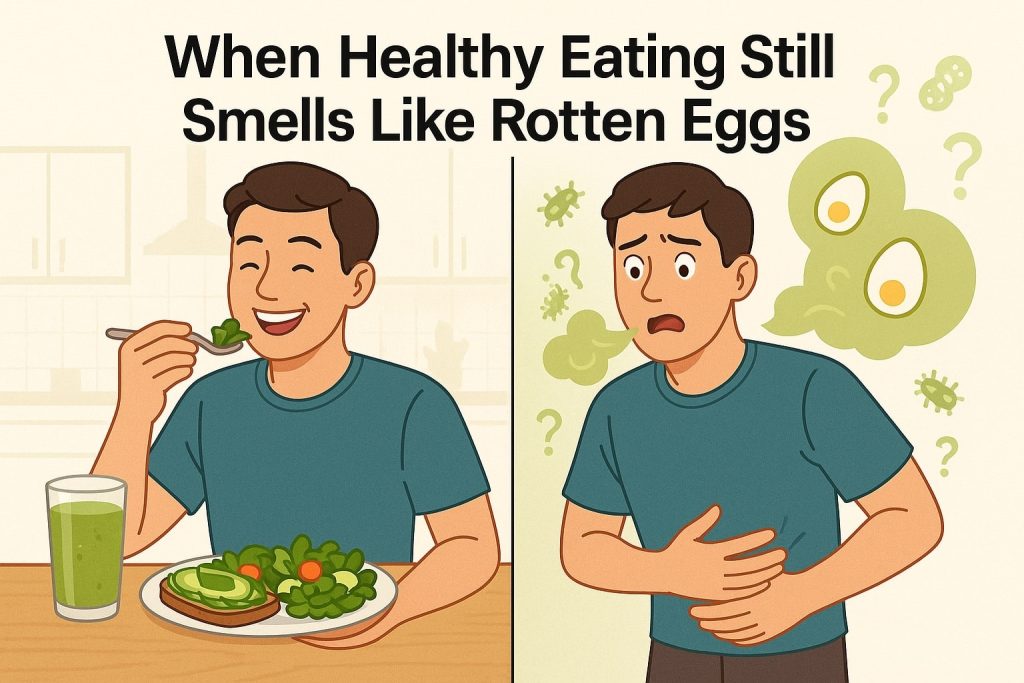
An occasional burp is nothing to think twice about — but when it smells like rotten eggs, it’s hard to ignore. That distinct, sulfurous odor can feel alarming, embarrassing, or both, especially if it keeps happening.
Why Does My Burps Smell Like Rotten Eggs? Quick answer: Rotten-egg-smelling burps, known as sulfur burps, happen when hydrogen sulfide gas builds up in your digestive tract, usually from digesting sulfur-rich foods like eggs, meat, dairy, or cruciferous vegetables. Occasional sulfur burps are normal. Frequent ones, especially alongside diarrhea, bloating, or heartburn, can point to an underlying digestive issue worth discussing with a doctor.
This guide covers exactly what causes sulfur burps, which foods and conditions are most often responsible, when they warrant medical attention, and practical ways to stop them.
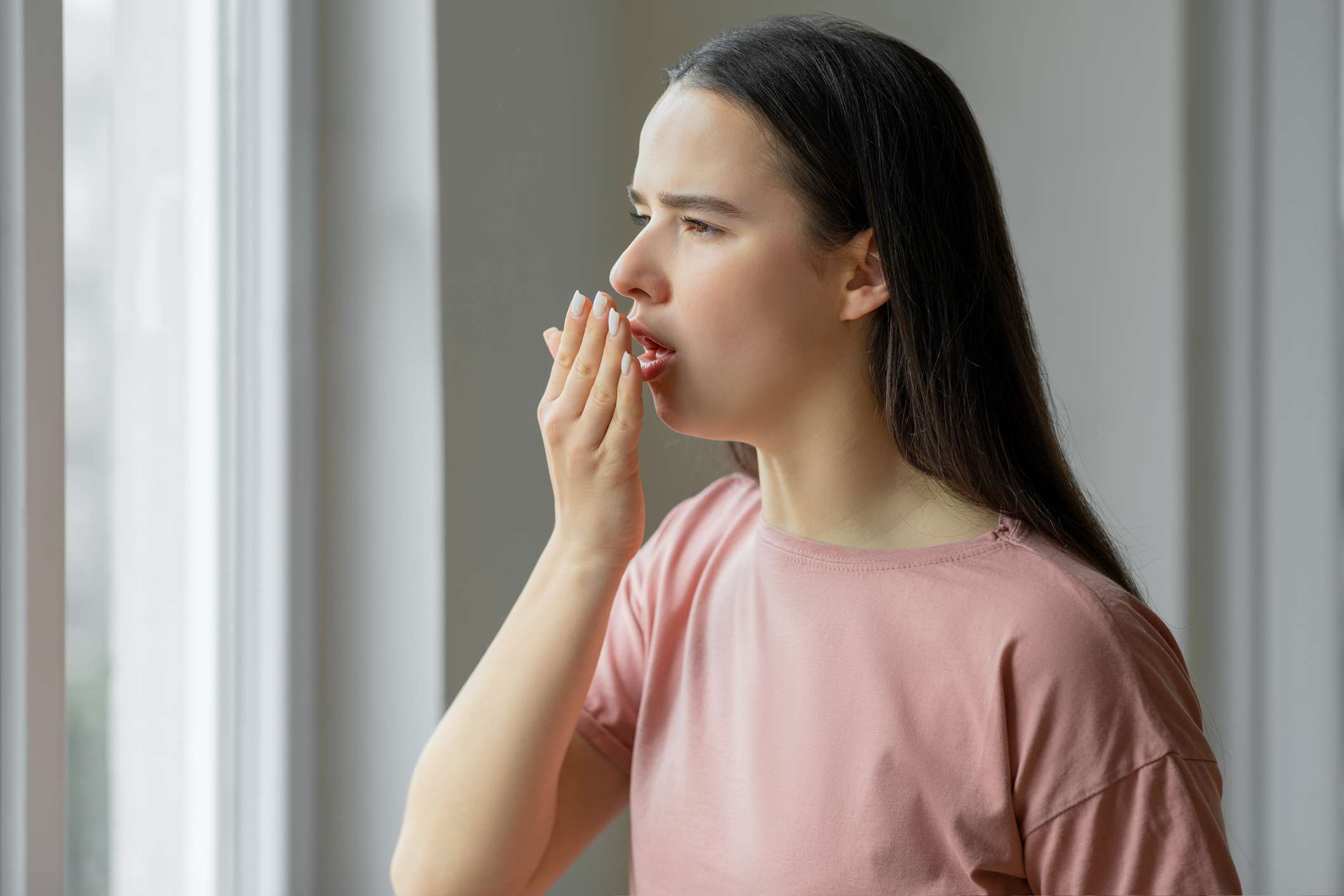
Definition: A sulfur burp is a burp that carries the smell of hydrogen sulfide (H2S) gas — the same compound responsible for the rotten-egg odor associated with sulfur.
Burping, or belching, is your body’s way of releasing gas that builds up in the digestive tract. Most people burp somewhere between 13 and 21 times a day, and the vast majority of those burps are odorless because they’re made of swallowed air — largely carbon dioxide and oxygen.
Sulfur burps are different. Rather than trapped air, they carry gas that has picked up hydrogen sulfide somewhere along the digestive tract, usually as a byproduct of bacteria breaking down sulfur-containing food in your gut.
This is by far the most common cause. When gut bacteria digest proteins and produce hydrogen sulfide, that gas eventually needs to go somewhere — sometimes it’s burped back up.
Common high-sulfur foods:
If you notice sulfur burps mostly after certain meals, food is very likely the trigger, and cutting back on these items for a few days is a reasonable first test.
The longer food sits in your stomach or intestines, the more time bacteria have to break it down and produce hydrogen sulfide. Anything that slows gut motility — including certain medications — can increase sulfur burp frequency.

Chronic acid reflux allows stomach contents, including digestive gases, to travel back up into the esophagus more easily. People with frequent heartburn (three or more times a week) sometimes notice sulfur burps as a companion symptom.
Helicobacter pylori is a type of bacteria that can infect the stomach lining, often leading to bloating, heartburn, nausea, and sulfur-smelling burps. This infection typically needs medical treatment to resolve.
IBS has been linked to higher levels of hydrogen sulfide-producing bacteria in the gut, which can make sulfur burps more frequent for people managing this condition.
Conditions like Crohn’s disease and ulcerative colitis can also raise hydrogen sulfide levels in the digestive tract, contributing to persistent sulfur burps alongside other GI symptoms.
Certain medications — including some antibiotics, and GLP-1 medications such as tirzepatide (Mounjaro®) — slow digestion as a side effect, which can lead to more frequent sulfur burps in some people.
Not drinking enough water can slow digestion and concentrate stomach acid and gases, which some people find worsens burp odor.
| Regular Burp | Sulfur Burp | |
|---|---|---|
| Cause | Swallowed air (CO2, oxygen) | Hydrogen sulfide gas from digestion |
| Smell | Usually odorless or mild | Strong, rotten-egg odor |
| Typical trigger | Eating fast, carbonated drinks, chewing gum | High-sulfur foods, slow digestion, GI conditions |
| Frequency of concern | Not a concern | Concerning if more than a few times a week |
| Common companions | None | Bloating, diarrhea, heartburn, nausea |
Occasional sulfur burps after a big meal of eggs, meat, or cruciferous vegetables are normal and not a medical concern. But persistent or frequent sulfur burps can be a sign your digestive system needs attention.
Consider seeing a doctor if sulfur burps are:
A doctor can test for underlying causes like H. pylori infection, IBS, or IBD, and help identify the right treatment path.

If an underlying condition like H. pylori, GERD, IBS, or IBD is responsible, addressing that condition directly — through antibiotics, acid-reducing medication, or a tailored treatment plan from a gastroenterologist — is usually what actually resolves the sulfur burps long term.
| Remedy | Pros | Cons |
|---|---|---|
| Dietary elimination | Free, identifies specific triggers | Takes time and consistency |
| Simethicone | Fast, widely available | Doesn’t address underlying cause |
| Probiotics | May improve gut balance over time | Effects vary by person, not instant |
| Doctor evaluation | Identifies root cause, targeted treatment | Requires an appointment and possibly testing |
This usually happens after eating sulfur-rich foods like eggs, meat, or cruciferous vegetables, which produce hydrogen sulfide gas as they’re digested.
Occasional sulfur burps are normal. Frequent ones, especially with other symptoms like diarrhea or stomach pain, can indicate a digestive condition that needs evaluation.
Yes. Stress can affect gut motility and digestion, which may contribute to sulfur burp frequency in some people.
Eggs, red meat, poultry, seafood, dairy, cruciferous vegetables, garlic, onions, and beer or wine are the most common triggers.
Yes. H. pylori infection in the stomach lining is a recognized cause of sulfur burps, along with bloating and heartburn.
Not necessarily, but IBS has been linked to higher hydrogen sulfide production in some people, which can increase sulfur burp frequency.
Diet-related sulfur burps typically resolve within a day or two once the trigger food has passed through your system.
Yes, certain medications, including some GLP-1 medications like tirzepatide, can slow digestion and lead to more frequent sulfur burps as a side effect.
No. Daily sulfur burps without an obvious dietary cause are a signal to check in with a doctor.
Simethicone or bismuth subsalicylate can offer quick relief, alongside cutting back on high-sulfur foods and drinking water.
Yes, not drinking enough water can slow digestion, which may worsen sulfur burp frequency and intensity for some people.
This combination is worth discussing with a doctor, as it can point to an infection or digestive condition needing treatment.
Probiotics may help support healthier gut bacteria over time, though results vary and they’re not an instant fix.