

Why do people eat corn starch is a question that surprises many, yet the behavior is far more common than most people realize. Eating raw cornstarch goes well beyond using it as a cooking ingredient.
For a significant number of people, the urge to consume plain cornstarch directly from the box is driven by nutritional deficiencies, a recognized eating disorder called pica, pregnancy-related cravings, cultural habits, or emotional stress
. Understanding the root causes, the real health risks, and the evidence-based treatment options available in 2026 is essential for anyone experiencing these cravings or caring for someone who does.
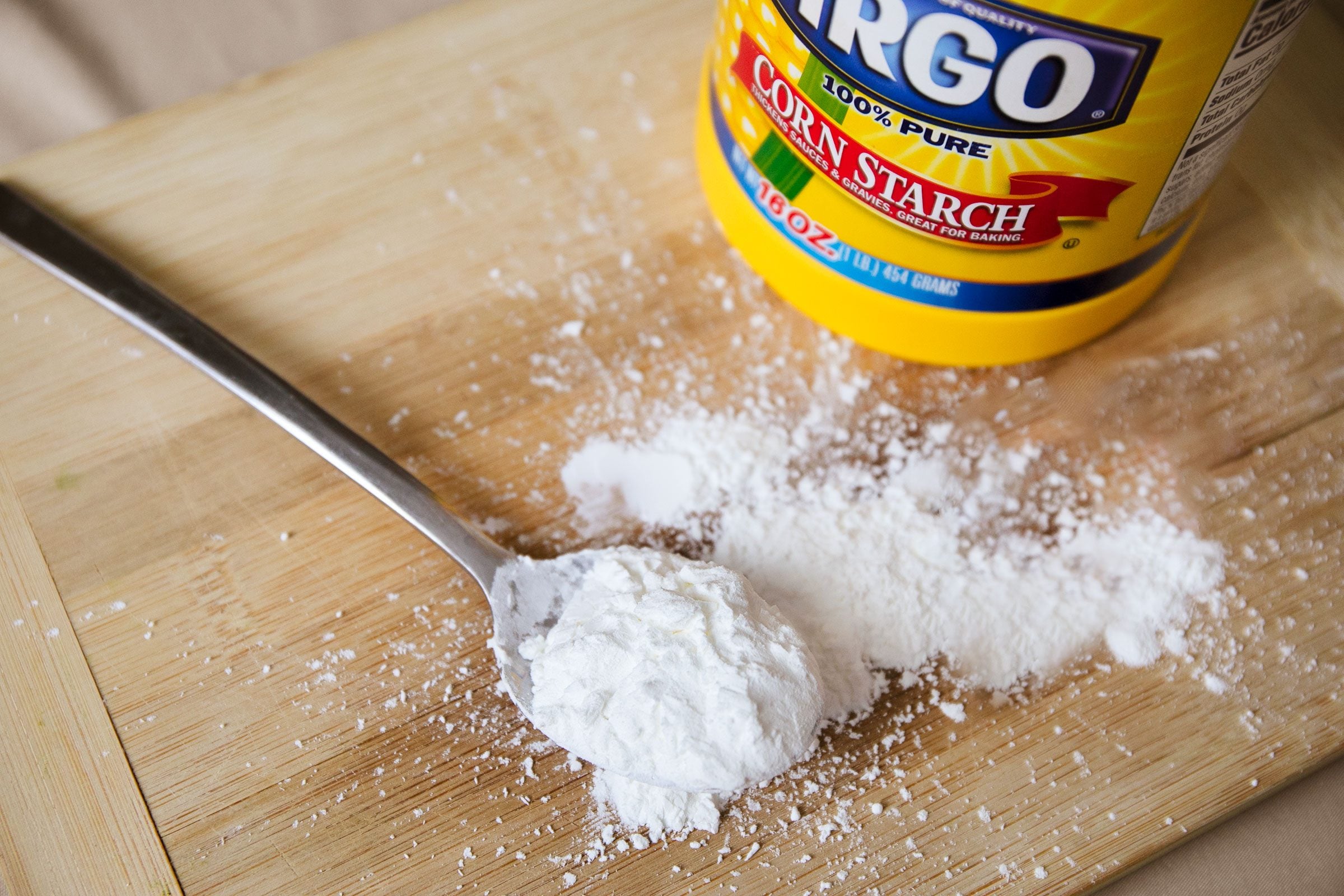
Corn starch is a fine, white, powdery substance derived from the endosperm of corn kernels. It is one of the most widely used food ingredients in the world, primarily functioning as a thickening agent in sauces, soups, gravies, baked goods, and puddings.
When used in small cooking amounts, it is generally considered safe. The problem arises when people eat cornstarch raw, directly from the box, in large volumes, and outside of any normal meal context.
The behavior of eating raw cornstarch has a specific clinical name: amylophagia. It is classified as a subtype of pica disorder and is associated with a range of serious health consequences when practiced habitually.
Pica is a recognized eating disorder characterized by persistent, compulsive cravings for and consumption of non-food substances or items with little to no nutritional value. The word pica comes from the Latin word for magpie, a bird known for eating almost anything it encounters.
People with pica crave a wide variety of substances including dirt, clay, chalk, ice, paper, paint, sand, and starch. The behavior must persist for at least one month and not be part of a culturally accepted practice to meet the clinical DSM-5 definition of pica.
Pica affects 10 to 30 percent of children aged six and under, making it especially prevalent in young children. It also occurs commonly in pregnant women, people with developmental disorders, and individuals with certain mental health conditions.
Amylophagia is the specific subtype of pica that involves the compulsive consumption of starch. The term comes from the Greek words amylon meaning starch and phagein meaning to eat.
When a person’s pica craving focuses specifically on cornstarch, laundry starch, raw flour, or other starch-based products, clinicians classify it as amylophagia. This behavior is different from eating starchy foods like bread or potatoes, which is entirely normal.
People with amylophagia are often drawn to the texture, the powdery feel, the cool dryness, or the sound it makes in the mouth rather than any recognizable flavor. The behavior frequently becomes secretive, compulsive, and difficult to control without professional support.
Multiple overlapping causes drive cornstarch cravings. In many cases, more than one factor is present simultaneously.
Iron deficiency anemia is the single most well-documented cause of amylophagia and cornstarch cravings. When the body lacks adequate iron, hemoglobin synthesis is impaired, causing fatigue, weakness, pale skin, and shortness of breath.
Research published in medical literature, including a PubMed study on amylophagia and iron deficiency anemia, consistently confirms a strong link between low iron levels and compulsive starch consumption. A 2025 review found that in nearly all documented cases of amylophagia, patients had underlying iron deficiency anemia.
Critically, raw cornstarch actually binds to iron in the digestive system, which can make the existing deficiency worse and create a self-reinforcing cycle. When iron stores drop, cravings intensify. The more starch consumed, the less iron is absorbed from food. This cycle can be difficult to break without medical intervention.
The most encouraging finding is that treating the iron deficiency directly resolves the craving in most cases. Research shows that iron supplementation reduces cravings within 5 to 8 days and eliminates them completely within two weeks in the majority of patients.
Zinc deficiency is another nutritional driver of cornstarch cravings. Zinc plays a critical role in appetite regulation, immune function, and taste perception.
When zinc levels drop, the body’s normal appetite signals are disrupted. This can lead to unusual cravings for non-food items, including starch. People with zinc deficiency often also experience a reduced ability to taste or smell food normally, which may make the neutral, powdery texture of cornstarch more appealing by contrast.
Pregnant women are among the most frequently affected populations for amylophagia. Pregnancy significantly increases the body’s demand for iron, zinc, calcium, and other nutrients. When these demands are not met through diet alone, unusual cravings including pica behaviors can emerge.
Hormonal shifts during pregnancy alter taste preferences, intensify food aversions, and can make the cool, powdery texture of cornstarch particularly appealing to some women. Nausea patterns in the first trimester may also lead women to seek out bland, non-food textures as a form of relief.
Because amylophagia during pregnancy poses risks to both mother and baby, including gestational diabetes, worsened anemia, and complications from intestinal obstruction, all unusual cravings during pregnancy should be discussed with a healthcare provider immediately.
Not all cornstarch eating is driven by nutritional deficiencies. For some people, the behavior is rooted in psychological distress. Stress, anxiety, trauma, and emotional overwhelm can all lead to the development of repetitive, self-soothing behaviors including eating unusual textures.
The powdery, dry sensation of cornstarch can become a comforting sensory experience. Over time, what begins as a stress-triggered behavior can become a habitual response that is difficult to stop without addressing the underlying emotional triggers.
People with obsessive-compulsive disorder, certain developmental disorders, and autism spectrum disorder show higher rates of pica behaviors including amylophagia, often driven by sensory preferences and compulsive tendencies rather than nutritional deficiencies.
In certain communities and cultural contexts, eating starch has been practiced for generations. Some African American women report that starch eating is a normalized behavior they learned from family members, often beginning in childhood or during pregnancy.
In some parts of Nigeria and other regions, eating clay or starch has cultural or perceived medicinal significance. These culturally normalized practices are important to acknowledge sensitively when discussing causes and encouraging medical evaluation.
Cultural normalization does not eliminate the health risks. People in communities where starch eating is common still experience the same metabolic and nutritional consequences as anyone else who consumes large quantities of cornstarch.
Some individuals without any detectable nutritional deficiency or diagnosed mental health condition are drawn to cornstarch purely for its sensory properties. The fine, silky, dry powder creates a distinctive sensation on the tongue that some people find intensely satisfying.
This sensory craving can develop gradually, often starting when someone handles cornstarch while baking and notices the texture. Without an underlying deficiency to address, behavioral strategies and therapy are the most effective interventions.
To understand why eating cornstarch directly is problematic, it helps to look at what it actually contains.
| Nutrient | Per 100 grams of Cornstarch | Daily Value % |
|---|---|---|
| Calories | 340 kcal | 17% |
| Carbohydrates | 85.1 g | 28% |
| Protein | 0.0 g | 0% |
| Fat | 0.0 g | 0% |
| Fiber | 0.0 g | 0% |
| Iron | 0.0 mg | 0% |
| Vitamins | None significant | 0% |
| Glycemic Index | 85 (high) | — |
Cornstarch is essentially pure refined carbohydrate. It contains no protein, no fat, no fiber, no vitamins, and no minerals. One tablespoon contains approximately 30 calories, nearly all from simple carbohydrates.
A glycemic index of 85 places cornstarch in the high-GI category, comparable to white bread and refined breakfast cereals. This means it causes rapid, significant spikes in blood glucose followed by a sharp crash.
People with amylophagia who consume half a box or more of cornstarch daily are releasing enough sugar into the bloodstream to severely disrupt blood sugar regulation and significantly increase the risk of diabetes, particularly in pregnant women.

The health risks of regularly eating raw cornstarch range from mild digestive discomfort to serious, life-threatening conditions. The severity of risk scales directly with the amount consumed and the frequency of the behavior.
Cornstarch’s high glycemic index of 85 means it causes rapid blood glucose spikes. Regular consumption of large quantities raises insulin demands, promotes insulin resistance over time, and significantly increases the risk of developing type 2 diabetes.
For pregnant women with amylophagia, the risk is especially acute. Eating half a box or more of cornstarch daily can trigger gestational diabetes, which poses serious risks to both mother and developing baby. The blood glucose spike from large cornstarch consumption is rapid and dramatic.
Cornstarch forms a thick, paste-like mass in the digestive tract when consumed raw in large amounts. This can cause bloating, constipation, abdominal pain, and difficulty passing stool.
In severe cases, particularly with very high intake, the thick paste can harden and form a mass in the abdomen, potentially leading to intestinal obstruction. Obstruction is a serious medical emergency requiring immediate care.
Since cornstarch contains no dietary fiber, it does not support healthy digestion. It provides bulk without the fiber necessary for normal intestinal movement, making constipation a consistent side effect of habitual raw consumption.
Raw cornstarch actively binds to iron in the digestive tract, reducing the amount of iron the body can absorb from food. This creates a destructive cycle where the behavior that often results from iron deficiency simultaneously makes the deficiency worse.
A person who begins eating cornstarch because of iron deficiency will experience worsening anemia over time if the starch consumption continues without iron supplementation and behavioral intervention.
People who eat large amounts of cornstarch often reduce their intake of nutritionally complete foods. When starch fills the stomach and satisfies a craving, it displaces meals that would have provided protein, vitamins, minerals, and essential fats.
Over time, this leads to broader malnutrition beyond just iron deficiency. Children with amylophagia are especially vulnerable to developmental consequences from nutritional displacement.
Despite being perceived as a low-calorie powder, cornstarch is calorie-dense and nutritionally empty. Frequent consumption adds significant refined carbohydrate calories without any corresponding nutritional value.
This contributes to weight gain, elevated triglycerides, worsened insulin sensitivity, and increased long-term risk of metabolic syndrome and cardiovascular disease. The combination of weight gain and blood sugar dysregulation creates compounding metabolic risk over time.
Cornstarch creates a sticky paste in the mouth when moistened by saliva. This paste clings to teeth and gum surfaces, providing an ideal substrate for bacterial growth.
Regular cornstarch consumption promotes cavity formation, plaque buildup, and increased risk of gum disease. People who eat cornstarch habitually often show accelerated dental deterioration compared to those who do not.
Because cornstarch is an ultra-fine dry powder, there is a real risk of inhaling particles during consumption. Repeated inhalation of cornstarch powder can irritate the respiratory tract and, in rare cases, cause lung inflammation.
Children are at higher risk for accidental inhalation. Parents should be alert to children who regularly handle and consume raw cornstarch in powder form.
Amylophagia during pregnancy carries specific risks beyond those affecting non-pregnant adults. The combination of worsened iron deficiency, blood sugar spikes, and nutritional displacement can lead to complications including gestational diabetes, anemia severe enough to require transfusion, abnormal fetal development, low birth weight, and premature delivery.
Any pregnant woman experiencing cravings for cornstarch or other non-food substances should inform her healthcare provider without delay. Iron levels should be tested immediately and supplemented as needed.
| Health Risk | Mechanism | Risk Level |
|---|---|---|
| Blood sugar spikes | High glycemic index (85), pure refined carb | High |
| Type 2 / gestational diabetes | Repeated glucose dysregulation | High |
| Iron deficiency worsening | Starch binds iron in gut, reduces absorption | High |
| Intestinal obstruction | Thick paste formation, no fiber | Moderate to High |
| Malnutrition | Displaces nutritionally complete foods | Moderate |
| Weight gain | Empty calorie load, no satiety nutrients | Moderate |
| Dental damage | Sticky paste promotes bacterial growth | Moderate |
| Respiratory irritation | Fine powder inhalation risk | Low to Moderate |
| Fetal complications | Anemia plus glucose dysregulation in pregnancy | High (during pregnancy) |
Certain groups are significantly more likely to develop amylophagia than the general population.
| Population Group | Why They Are at Higher Risk |
|---|---|
| Pregnant women | High iron and nutrient demands, hormonal changes |
| Children under age 6 | Pica affects 10 to 30% of this age group |
| People with iron deficiency anemia | Direct link between low iron and starch cravings |
| African American women | Cultural normalization in some communities |
| People with developmental disorders | Higher rates of pica behaviors overall |
| People with autism spectrum disorder | Sensory seeking behaviors |
| Individuals with OCD | Compulsive behavioral patterns |
| People under high stress or trauma | Emotional self-soothing behaviors |
If you or someone you know is regularly eating raw cornstarch, a medical evaluation is the most important first step. Diagnosis involves several layers.
A doctor will take a thorough history of the behavior including how long it has been happening, how much cornstarch is consumed, and what other symptoms are present. Crucially, many people with amylophagia initially deny the behavior to medical professionals out of embarrassment or shame.
Blood tests are the core diagnostic tool. A complete blood count, ferritin level, serum iron, and iron saturation tests can quickly identify iron deficiency anemia. Zinc levels may also be tested. These tests are simple, fast, and often reveal the root cause of the craving.
If no deficiency is found, a mental health evaluation is recommended to assess for pica disorder, OCD, autism spectrum disorder, or other psychological contributors.
Treatment is most effective when it addresses both the root biological cause and any contributing behavioral or psychological factors.
Iron supplementation is the most directly effective intervention when iron deficiency anemia is identified. Oral iron supplements prescribed by a healthcare provider can normalize iron stores within weeks.
The craving for cornstarch typically decreases within 5 to 8 days of beginning iron therapy and resolves completely within two weeks in most patients. This rapid response confirms how directly linked the craving is to the deficiency in most cases.
Dietary changes to include more iron-rich foods alongside supplementation support faster recovery. Key iron-rich foods include lean red meat, poultry, fish, beans, lentils, tofu, spinach, and iron-fortified cereals.
If zinc deficiency is identified, zinc supplementation prescribed by a doctor is the primary treatment. Multivitamin supplementation is often added as part of the treatment plan to address any additional deficiencies and reduce the risk of future cravings.
When starch cravings are linked to stress, emotional distress, OCD, developmental disorders, or sensory-seeking behaviors, behavioral therapy is essential alongside any nutritional interventions.
Cognitive behavioral therapy helps individuals recognize triggers, develop healthier coping strategies, and break compulsive behavioral cycles. For children, behavioral modification programs with consistent guidance from parents and therapists are highly effective.
Finding sensory alternatives that satisfy the texture craving without health risks can also help. Crunchy vegetables like carrots and celery, ice chips, rice cakes, and sugar-free gum are commonly recommended as texture substitutes.
Pregnant women should not attempt to self-treat. A healthcare provider should manage prenatal iron supplementation, monitor blood glucose, and oversee any behavioral support needed during pregnancy.
Prenatal vitamins containing adequate iron should be taken from the beginning of pregnancy. Women who are already eating cornstarch during pregnancy should be honest with their obstetrician to receive targeted support.
If you are experiencing cravings for cornstarch and want to address them before your medical appointment, consider these evidence-based sensory and nutritional alternatives.
| Craving Driver | Alternative to Try |
|---|---|
| Texture and powdery sensation | Crushed ice chips, rice cakes, sugar-free gum |
| Oral sensory stimulation | Crunchy vegetables like carrots or celery |
| Iron deficiency craving | Iron-rich foods: spinach, beans, lean meat |
| Stress-related emotional eating | Mindfulness, light exercise, breathing techniques |
| Zinc deficiency craving | Foods with zinc: pumpkin seeds, nuts, chickpeas |
| General nutritional gap | Daily multivitamin with iron and zinc |
These alternatives are not a substitute for medical evaluation. They are interim measures that may reduce the intensity of cravings while you seek professional support.
Seek medical attention promptly if you or someone you know is eating raw cornstarch regularly and you notice any of the following:
Intense, frequent cravings for cornstarch that are difficult to resist. Cravings that persist for more than one month. Symptoms of iron deficiency anemia including unusual fatigue, pale skin, weakness, dizziness, or shortness of breath. The person is pregnant and experiencing starch cravings. The person is a child who is regularly consuming non-food substances. Cravings that have interfered with normal eating patterns or nutritional intake. Dental problems, digestive issues, or unexplained weight changes alongside starch cravings.
Do not dismiss these cravings as a harmless quirk. They are almost always a signal from your body that something needs attention.
It is important to separate the cooking use of cornstarch from the raw compulsive consumption that is the subject of this discussion.
Using one to two tablespoons of cornstarch as a thickening agent in a sauce, soup, or stir-fry is entirely normal and carries minimal health risk for most people. At those quantities, the glycemic impact is negligible and the culinary function is well established.
The health risks described throughout this article relate specifically to eating raw cornstarch directly and in large amounts, typically half a box or more per day, as a standalone behavior disconnected from cooking. These are fundamentally different behaviors with very different health implications.
People with diabetes should pay particular attention to cornstarch content in recipes. Its glycemic index of 85 means it acts almost identically to pure sugar in terms of its impact on blood glucose, just slightly slower in onset.
Even modest amounts of cornstarch used in gluten-free baking as a flour replacement can produce significant blood sugar spikes in people with diabetes. Using lower-GI alternatives like almond flour, brown rice flour, or bean flour is generally recommended for diabetics.
For people with hypoglycemia, small amounts of cooked cornstarch have historically been used as a slow-release carbohydrate to prevent overnight blood sugar drops. This is a medically supervised use and is distinct from compulsive raw starch consumption.
People eat corn starch mainly due to iron deficiency anemia, pica disorder (amylophagia), pregnancy-related nutritional cravings, emotional stress, or culturally normalized behavior patterns in certain communities.
Eating small amounts in cooked food is safe, but consuming raw cornstarch regularly in large quantities causes blood sugar spikes, worsened iron deficiency, digestive blockages, dental damage, and malnutrition.
Amylophagia is the clinical term for the compulsive craving and consumption of starch, including cornstarch and laundry starch. It is a recognized subtype of pica disorder documented across multiple medical studies.
Frequent, intense cravings for raw cornstarch are strongly associated with iron deficiency anemia and should prompt a blood test. Treating the deficiency typically resolves the craving within one to two weeks.
Pregnant women should not eat raw cornstarch. It worsens iron deficiency, causes blood sugar spikes, and may contribute to gestational diabetes and fetal complications. Any such cravings should be reported to a doctor immediately.
The most effective approach is to get a blood test to check iron and zinc levels, treat any deficiency identified, and seek behavioral support or therapy if the craving has a psychological component.
Raw cornstarch is nearly flavorless but has a cool, fine, dry, powdery texture that some people find intensely satisfying. It is this sensory quality, rather than any taste, that drives many cravings.
Yes. Pica affects 10 to 30 percent of children aged six and under. Children regularly eating non-food substances including cornstarch should be evaluated by a pediatrician for nutritional deficiencies and developmental factors.
It can be. Amylophagia may be driven by iron deficiency, pregnancy, stress, OCD, autism, or developmental disorders. A complete evaluation by both a doctor and a mental health professional is recommended.
Crunchy vegetables, ice chips, rice cakes, and sugar-free gum can satisfy texture cravings. Iron-rich foods and supplements address the most common nutritional root cause of cornstarch cravings.
Why do people eat corn starch is a question with deeply rooted medical, nutritional, psychological, and cultural answers. For most people, the craving for raw cornstarch is not a strange personal preference but a signal that the body is missing something it needs, most commonly iron.
Amylophagia, the clinical term for compulsive starch eating, is a well-documented subtype of pica disorder with a clear connection to iron deficiency anemia that resolves in the majority of patients once deficiency is treated.
The health risks of regular raw cornstarch consumption are real and serious, including blood sugar dysregulation, worsened anemia, digestive obstruction, dental damage, and significant pregnancy complications.
Understanding these causes and risks empowers people to seek appropriate medical care rather than dismiss their cravings as harmless.
If you or someone close to you regularly eats raw cornstarch, a simple blood test and an honest conversation with a healthcare provider can identify the root cause and start the path to effective treatment in 2026.