
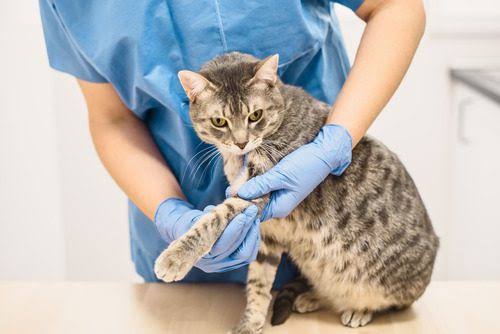
Why is my cat limping is one of the most common questions cat owners ask when their pet suddenly favors one leg. Limping usually means your cat is in some form of pain or discomfort, even if they don’t show it clearly.
Cats are naturally skilled at hiding pain, which can make limping easy to miss or misunderstand at first.
The cause can range from something as simple as a thorn stuck in the paw to something more serious like a fracture or joint disease.
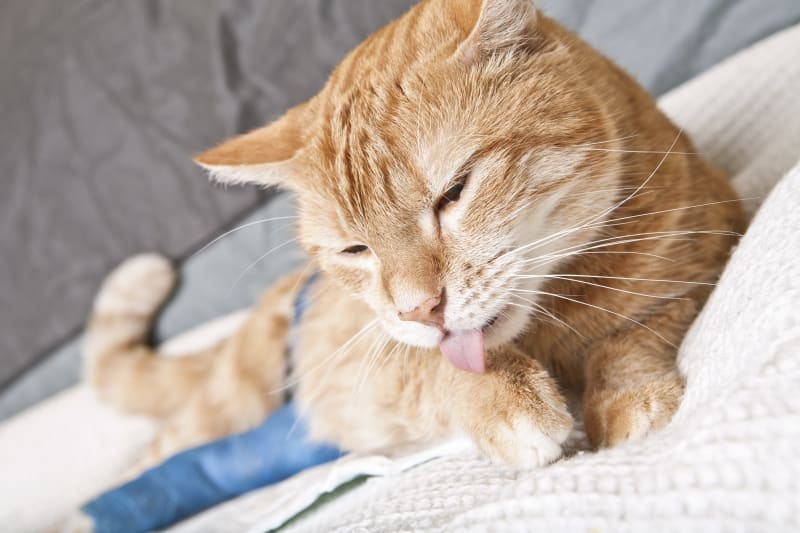
A limp simply means your cat isn’t using one or more legs normally while walking or running.
This can appear as a slight favoring of one paw or a more obvious refusal to put weight on a leg.
Limping is always a sign that something is uncomfortable, painful, or injured, even in mild cases.
In the wild, showing weakness could make a cat vulnerable to predators or rivals. This instinct still exists in domestic cats today.
Because of this, many cats continue normal behavior like jumping or playing even while experiencing pain.
This is exactly why a limping cat should never be assumed to be “just fine” simply because they still seem active.
Recognizing the early signs of limping helps you respond quickly before the issue potentially worsens.
Watch for uneven walking, reluctance to jump, or holding one paw slightly off the ground while standing.
Other signs include licking one leg repeatedly, sudden lethargy, or a noticeable change in your cat’s normal movement pattern.
Front leg limping is often linked to paw injuries, sprains, or issues with the shoulder and elbow joints.
Back leg limping is more commonly associated with hip problems, knee injuries, or age-related joint conditions like arthritis.
Identifying which leg is affected can help you and your vet narrow down the likely cause faster.
| Sign | Possible Meaning |
|---|---|
| Sudden refusal to bear weight | Fracture, sprain, or severe pain |
| Limping only after rest | Arthritis or joint stiffness |
| Limping but still jumping | Mild strain or intermittent pain |
| Swelling or visible wound | Injury, infection, or abscess |
| Licking one leg repeatedly | Localized pain or irritation |
Physical injuries are among the most common reasons cats suddenly start limping. These can range from very minor to quite serious.
Falls, rough play, outdoor accidents, and even awkward landings from jumps can all lead to limping.
Identifying the type of injury is important, since treatment varies significantly depending on severity.
Sprains and strains happen when muscles, tendons, or ligaments around a joint are overstretched or slightly torn.
These injuries often cause intermittent limping that may improve once the cat has rested for a while.
Mild cases sometimes resolve with rest, but persistent limping should still be checked by a vet.
A broken bone is a much more serious cause of limping and usually results in a sudden, severe limp.
Cats with fractures often refuse to place any weight on the affected leg at all.
Swelling, an oddly positioned limb, or visible pain when touched are strong signs of a possible fracture.
Something as small as a thorn, splinter, or piece of glass stuck in the paw can cause noticeable limping.
These injuries may not bother your cat while resting but become painful the moment pressure is applied.
Carefully checking the paw pad is often the fastest way to identify this type of cause.
An ingrown or torn claw can cause sharp, localized pain that leads directly to limping.
This is more common in older cats or those who don’t have regular access to scratching surfaces.
Trimming or treating the claw properly often resolves this type of limping quickly.
Outdoor cats or those in multi-cat households may develop limping after a fight with another animal.
Bite wounds can introduce infection, leading to swelling, abscesses, and worsening pain over time.
These wounds often require veterinary treatment, including antibiotics, even if they appear minor at first.
| Injury Type | Common Symptoms | Typical Care |
|---|---|---|
| Sprain or strain | Intermittent limping, mild swelling | Rest, limited activity |
| Fracture | Severe limp, refusal to bear weight | Emergency vet visit |
| Foreign object in paw | Limping while walking, licking paw | Careful removal, cleaning |
| Torn or ingrown claw | Localized pain, limping | Trimming, vet treatment if infected |
| Bite wound | Swelling, possible abscess | Vet care, antibiotics |
Not all limping comes from an obvious injury. Underlying illnesses and chronic conditions can also cause your cat to favor a leg.
These causes often develop gradually and may be easy to overlook in the early stages.
Recognizing disease-related limping early can lead to better long-term outcomes for your cat.
Arthritis is one of the most common causes of limping in older cats, caused by gradual joint wear over time.
This condition often leads to stiffness that is more noticeable after resting or first waking up.
Weight management and joint supplements can help support cats dealing with arthritis-related limping.
Hip or elbow dysplasia occurs when a joint doesn’t form correctly, leading to discomfort during movement.
This condition can affect cats of any age, though symptoms often become more noticeable as they grow.
Limping caused by dysplasia may worsen with activity and improve slightly with rest.
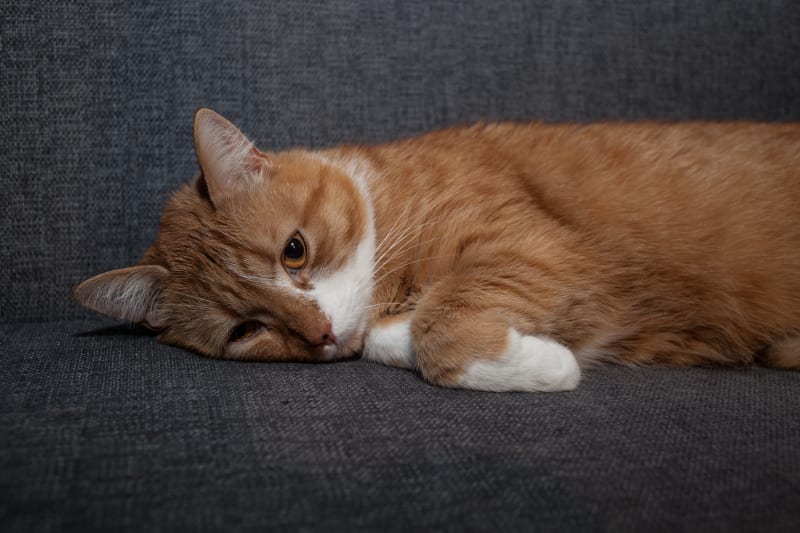
Though less common, bone cancer can cause persistent limping that gradually worsens over weeks or months.
This type of limping usually does not improve with rest and may be accompanied by swelling or weight loss.
Because this cause is serious, ongoing limping without a clear reason should always be evaluated by a vet.
Infections beneath the skin can cause swelling, heat, and pain that leads directly to limping.
Abscesses often form after small wounds become infected, sometimes without an obvious visible injury.
These infections typically require draining and antibiotics to fully resolve.
Nerve-related problems can affect how a cat controls and feels its legs, sometimes resulting in an unusual gait.
This type of limping may be accompanied by weakness, dragging of a paw, or unsteady movement.
Neurological causes often require specialized veterinary testing to diagnose accurately.
| Condition | Typical Age Group | Key Symptom |
|---|---|---|
| Arthritis | Senior cats | Stiffness after rest |
| Joint Dysplasia | Any age | Discomfort during movement |
| Bone Cancer | Often older cats | Persistent, worsening limp |
| Infection or Abscess | Any age | Swelling, heat, pain |
| Neurological Issue | Any age | Weakness, unsteady gait |
Many owners are confused when their cat limps occasionally but still jumps, plays, or runs normally otherwise.
This usually happens because pain levels fluctuate depending on activity, rest, and how the leg is used.
A cat may seem fine after “warming up,” even though an underlying issue is still present.
Just because a cat can still jump does not mean the limp should be ignored or dismissed.
Mild strains, early arthritis, or minor paw injuries often allow normal activity alongside occasional limping.
Monitoring how often the limp occurs helps determine whether the issue is improving or getting worse.
Sudden limping often points toward an injury like a sprain, fracture, or something stuck in the paw.
Gradual limping that develops over weeks or months is more commonly linked to arthritis or chronic joint issues.
Understanding this difference helps guide whether urgent care or a scheduled vet visit is more appropriate.
Before examining your cat, allow them to calm down, since a painful limp can make cats defensive or reactive.
Gently run your fingers from the paw upward, feeling for swelling, heat, or areas that cause a reaction.
Check between the toes and paw pads carefully for any visible wounds, swelling, or foreign objects.
| Area Checked | What to Look For |
|---|---|
| Paw pad | Cuts, swelling, foreign objects |
| Claws | Ingrown nails, tears, bleeding |
| Leg and joint | Swelling, heat, unusual positioning |
| Behavior | Flinching, growling, sensitivity to touch |
If the limp is mild and your cat seems otherwise comfortable, limiting activity and monitoring for 24 hours is often reasonable.
If you find a foreign object like a thorn, gently remove it and clean the area with mild soap and water.
If the limp doesn’t improve within a day, or worsens, a veterinary visit is strongly recommended.
Certain symptoms indicate a true emergency rather than a wait-and-see situation.
A leg that appears visibly broken, swollen, or held in an unnatural position needs immediate veterinary attention.
Severe pain, complete inability to bear weight, or open wounds also warrant an urgent vet visit.
| Warning Sign | Why It Matters |
|---|---|
| Leg hanging or oddly positioned | Possible fracture or dislocation |
| Complete refusal to bear weight | Severe injury or intense pain |
| Open wound or heavy bleeding | Risk of infection, needs urgent care |
| Sudden collapse or weakness | Possible neurological or systemic issue |
| Limp lasting more than 24 hours | Needs professional diagnosis |
Veterinarians typically start with a physical exam, checking each leg and joint for pain, swelling, or abnormal movement.
X-rays are commonly used to check for fractures, joint problems, or signs of bone disease.
Blood tests may also be recommended if an underlying illness or infection is suspected as the cause.
Treatment depends entirely on the underlying cause, ranging from simple rest to surgical intervention.
Minor sprains often improve with restricted activity, while fractures may require splinting or surgery.
Chronic conditions like arthritis are typically managed with long-term pain relief and joint support strategies.
| Cause | Typical Treatment |
|---|---|
| Sprain or strain | Rest, limited activity |
| Fracture | Splinting or surgical repair |
| Foreign object | Removal, cleaning, monitoring |
| Infection or abscess | Draining, antibiotics |
| Arthritis | Pain management, joint supplements |
Providing a calm, low-stress environment allows your cat to rest and recover more comfortably after an injury.
Keeping nails trimmed and paws checked regularly can help prevent injuries before they start.
Reducing access to high jumps or rough outdoor terrain can lower the risk of future strains or sprains.
Maintaining a healthy weight reduces overall stress placed on your cat’s joints during daily movement.
Veterinarian-recommended joint supplements can support cartilage health, especially in aging or arthritic cats.
Regular, gentle play helps keep muscles strong and joints mobile without overexerting your cat.
| Prevention Step | Benefit |
|---|---|
| Regular claw trimming | Reduces injury risk |
| Weight management | Lowers joint stress |
| Joint supplements | Supports cartilage health |
| Safe play environment | Prevents falls and strains |
| Routine vet checkups | Early detection of issues |
Kittens are naturally playful and clumsy, so occasional limping after rough play is fairly common and often minor.
However, persistent limping in a kitten should still be checked, since growth-related bone issues can sometimes occur early.
Adult and senior cats are more likely to develop limping from chronic conditions like arthritis or joint degeneration.
| Age Group | Common Cause | Typical Concern Level |
|---|---|---|
| Kittens | Rough play, minor sprains | Usually low, monitor closely |
| Adult cats | Injuries, strains, infections | Moderate, check within 24 hours |
| Senior cats | Arthritis, joint degeneration | Ongoing, needs long-term management |
Some cat breeds are genetically more likely to develop joint problems that can lead to limping over time.
Maine Coons, for example, are known to have a higher risk of hip dysplasia compared to other breeds.
Manx cats can also experience spinal and joint issues linked to their unique genetic traits.
Occasionally, cats may show mild, temporary limping in the leg where a vaccine was administered.
This is usually caused by minor, short-term inflammation at the injection site and typically resolves within a day or two.
If limping after a vaccine persists or worsens, contacting your vet for guidance is a reasonable precaution.
Outdoor cats may face different limping risks depending on the season and their environment.
Warmer months can increase exposure to thorns, insect bites, and rough terrain during outdoor exploration.
Colder months may worsen stiffness in cats with existing arthritis, making joints feel tighter and more painful.
Cats recovering from surgery, including spay or neuter procedures, may show temporary limping as they heal.
This is usually related to soreness at the incision site or muscle stiffness from limited movement during recovery.
Following your vet’s aftercare instructions closely helps ensure proper healing and reduces prolonged discomfort.
Some cat owners believe that if a cat can still walk or run, the limp isn’t serious. This isn’t accurate.
Others assume limping will always resolve on its own without any intervention, which can delay needed treatment.
Understanding these myths helps owners respond more appropriately rather than waiting too long to seek help.
| Myth | Fact |
|---|---|
| If a cat can still jump, it’s not serious | Cats often mask pain even during activity |
| Limping always goes away on its own | Some causes worsen without treatment |
| Only injuries cause limping | Illness and chronic conditions are common causes too |
| Indoor cats can’t get injured | Indoor cats can still sprain joints or injure paws |
Veterinary costs for limping evaluations vary depending on whether X-rays, bloodwork, or surgery are needed.
Minor cases like removing a splinter are typically inexpensive compared to fracture repair or long-term arthritis management.
Pet insurance or wellness plans can help offset costs for cats prone to recurring joint issues.
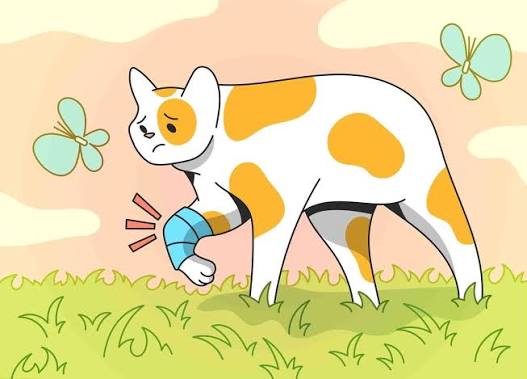
Cats with chronic limping causes, like arthritis, often benefit from an ongoing care plan rather than one-time treatment.
This may include regular vet checkups, weight monitoring, and consistent use of joint support supplements.
Working closely with your vet ensures adjustments can be made as your cat’s needs change over time.
These are the most common questions cat owners ask when dealing with sudden or ongoing limping.
Sudden limping is often caused by an injury like a sprain, foreign object in the paw, or a fracture.
Yes, cats often continue walking or jumping despite pain, since they naturally try to hide discomfort.
If the limp is severe, lasts over 24 hours, or shows swelling, seek veterinary care as soon as possible.
Arthritis is more common in older cats, but joint issues can occasionally affect younger cats as well.
Limping after rest often points to stiffness from arthritis or a mild joint issue that eases with movement.
Start by gently checking the paw pad and claws for cuts, swelling, or foreign objects.
Yes, a thorn, splinter, or small object stuck in the paw pad is a common cause of sudden limping.
Signs include severe swelling, an oddly positioned limb, and complete refusal to place weight on the leg.
Yes, limping always indicates some level of discomfort, even if your cat still seems active or playful.
Yes, maintaining a healthy weight reduces stress on joints and can significantly ease arthritis-related limping.
Limping in cats can stem from many causes, ranging from a simple thorn in the paw to more serious conditions like fractures or arthritis.
Because cats are experts at hiding pain, even a mild or occasional limp should never be fully ignored. Watching for swelling, sudden changes in movement, or reluctance to bear weight helps you catch problems early.
Home checks can identify simple issues like foreign objects or overgrown claws, but persistent or severe limping always calls for a veterinary evaluation.
Quick action prevents minor injuries from becoming serious, while chronic conditions like arthritis benefit from long-term management and joint support. Understanding these signs and causes in 2026 helps you respond confidently and keep your cat comfortable, active, and pain-free for years to come.