
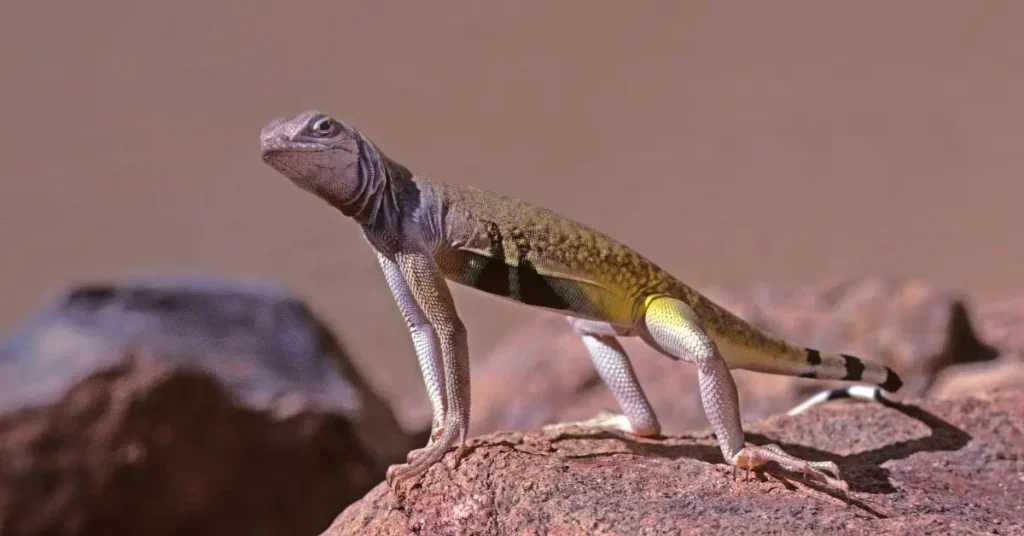
Why do lizards do push ups? It is one of the most amusing and curious things you can witness in the reptile world, and the answer is far more fascinating than it looks.
That rapid up-and-down bobbing motion is not random exercise or a quirky habit — it is a deeply purposeful form of communication. Lizards use push ups to attract mates, defend territory, regulate body temperature, and even signal to predators.
Understanding why lizards do push ups unlocks a window into complex reptile behavior that scientists and wildlife observers have studied for decades.
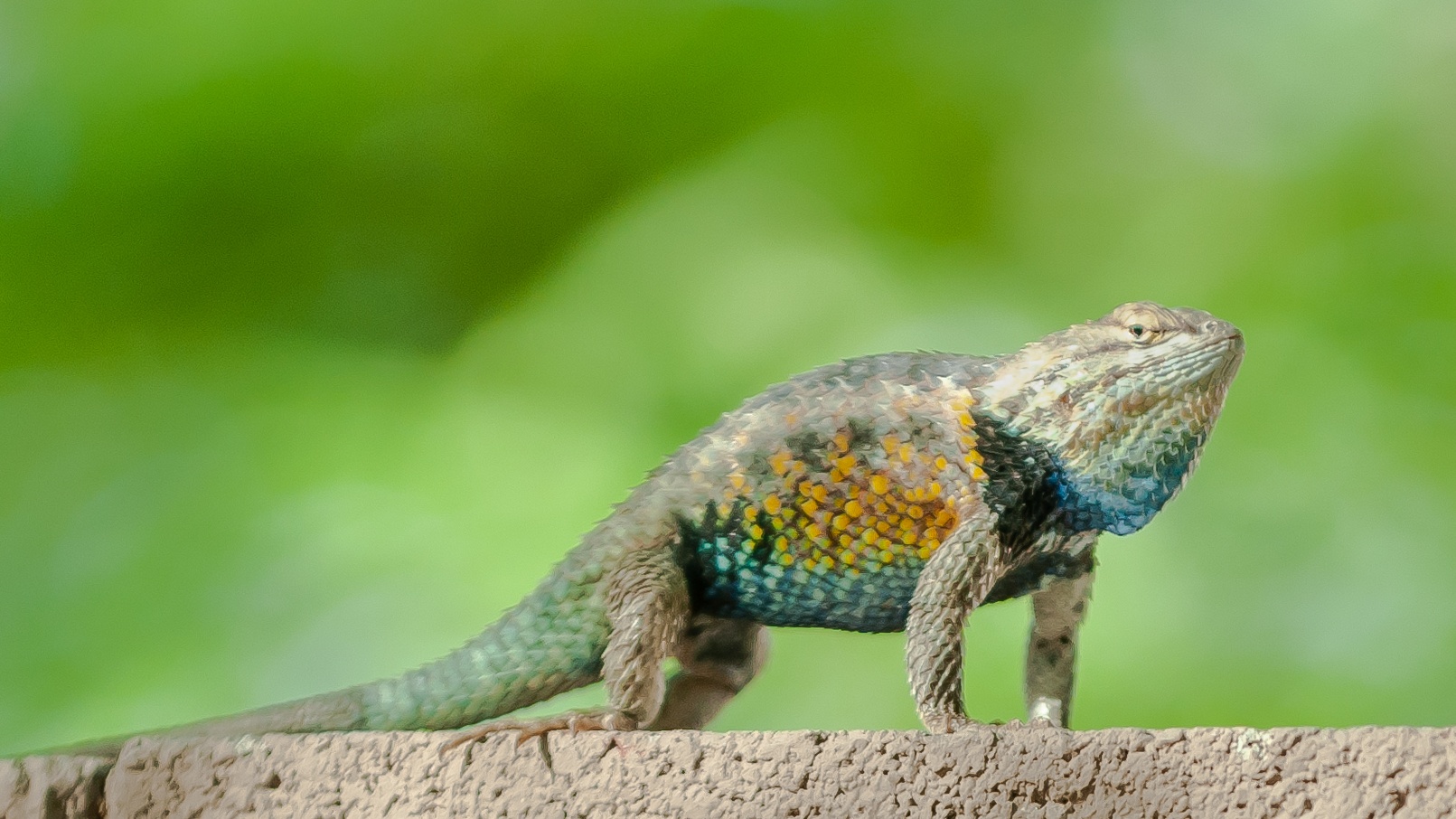
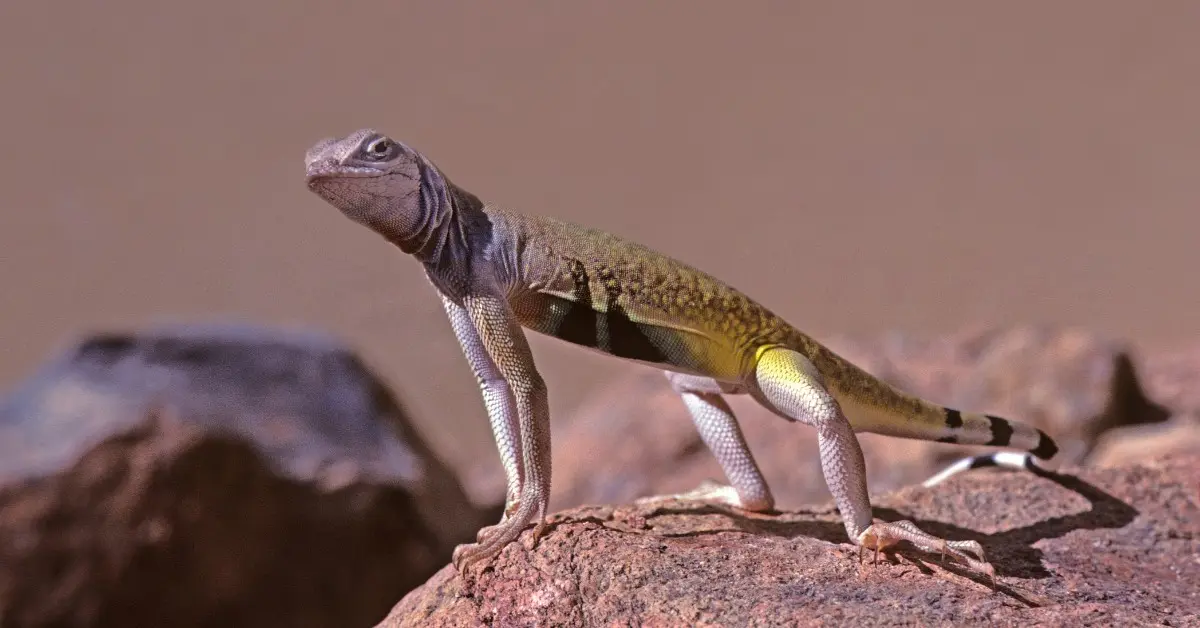
A lizard push up looks almost exactly like a human push up — but with four legs instead of two. The lizard lowers its whole body toward the ground, then pushes back up repeatedly in a rhythmic motion.
This movement is often accompanied by head bobbing, throat puffing, and in some species, the dramatic extension of a colorful flap of skin on the neck called the dewlap. The display can last just a few seconds or continue for several minutes.
The speed and style of the push ups varies by species, context, and individual. Fast, intense push ups usually signal aggression or a territorial warning. Slower, more deliberate movements often relate to mating interest or a simple acknowledgment of another lizard nearby.
The most well-documented reason lizards do push ups is to defend their territory. This is called a “challenge display,” and it is used by both male and female lizards to warn rivals away from their patch of ground.
A male lava lizard, for example, can hold a territory as large as 400 square meters. Defending that space physically against every intruder would be exhausting and dangerous. Push ups allow them to broadcast their presence and dominance without direct confrontation.
The message is simple: I am here, I am strong, and this space is mine. Other lizards who read that message correctly will usually back off and find their own territory.
Why do lizards do push ups during mating season? Males use the motion to show females that they are physically fit, healthy, and genetically worthy partners. It is their version of a peacock spreading its feathers.
Stronger, faster push ups signal better physical condition. Females of many species actively choose males based on the quality and vigor of their push up displays, making this behavior a key driver of natural selection in lizards.
In some species, like the western fence lizard, males also lift their bodies to flash brightly colored blue belly patches toward females. The brightness of the coloration signals health, and the push up motion ensures the female gets a clear view of those colors from any angle.
When two male lizards encounter each other in overlapping territory, push ups become a test of strength and nerve. Both males face off and begin pushing up simultaneously, each one watching the other carefully.
This display allows them to assess each other’s size, strength, and stamina before risking a physical fight. The weaker or less confident male will often back down and leave once it becomes clear it cannot match the other’s intensity.
If neither backs down, the push up battle escalates to head bobbing, chest puffing, tongue flashing, and eventually biting and tail slapping — a full confrontation that can result in serious injury for the loser.
Lizards are ectothermic, meaning they cannot generate body heat internally the way mammals do. They rely entirely on their environment to manage body temperature.
When the ground gets dangerously hot under the midday sun, push ups help lizards lift their bellies off the scorching surface. This creates a small gap that allows cooler air to circulate beneath their body, lowering their core temperature without needing to find shade.
Conversely, when temperatures drop, lizards can use similar body movements to press closer to warm rocks or orient themselves to maximize sunlight absorption. It is a natural thermostat built into their body mechanics.
Some researchers compare lizard push ups to the stotting behavior seen in gazelles. When a gazelle spots a predator, it performs exaggerated leaping to signal: “I have seen you, I am fast, do not bother chasing me.”
Lizards may do something similar. By performing push ups when a predator — including humans — is nearby, a lizard signals that it is alert, aware, and ready to flee. This can discourage a predator from wasting energy on a chase.
As reptile educator Mark Pyle explains, lizards will even do push ups as a threat display directed at people who approach them too closely. It is a defensive communication tool as much as a social one.
Because lizards have excellent camouflage, spotting another lizard in a busy natural environment can be genuinely difficult. Push ups are an effective way for one lizard to signal its presence to another without using sound.
The up-and-down motion breaks the visual pattern of their surroundings and catches the eye of nearby lizards, even at significant distances. This serves as a lizard greeting — a way of saying “I see you, and I want you to see me.”
This is why lizards sometimes do push ups even when no obvious rival or mate is visible. There is likely another lizard somewhere in the distance that only the lizard itself can detect.
A less commonly discussed but documented reason why lizards do push ups is to help loosen shedding skin. Reptiles shed their skin periodically as they grow, and the process can be uncomfortable, especially around the limbs and joints.
The mechanical movement of push ups creates friction against the ground surface and flexes the body in ways that help break and peel away old skin more efficiently.
This reason is far less frequent than territorial or mating displays, but it is a real functional benefit of the behavior — particularly observed in captive lizards that do not have enough environmental textures to rub against naturally.
Pet lizards like bearded dragons, anoles, and green iguanas also do push ups — even when no other lizard is present. This behavior is often directed at their owners or at their own reflection in the tank glass.
In captivity, push ups can signal that a lizard is bored, wants food, feels threatened by something in its environment, or is simply asserting dominance over what it perceives as another lizard (its reflection). It can also be a sign of sexual maturity and hormonal activity during breeding season.
If your pet lizard does push ups at you, it is not dangerous — it is communication. Understanding the context will tell you whether your lizard is saying hello, warning you, or asking for something.
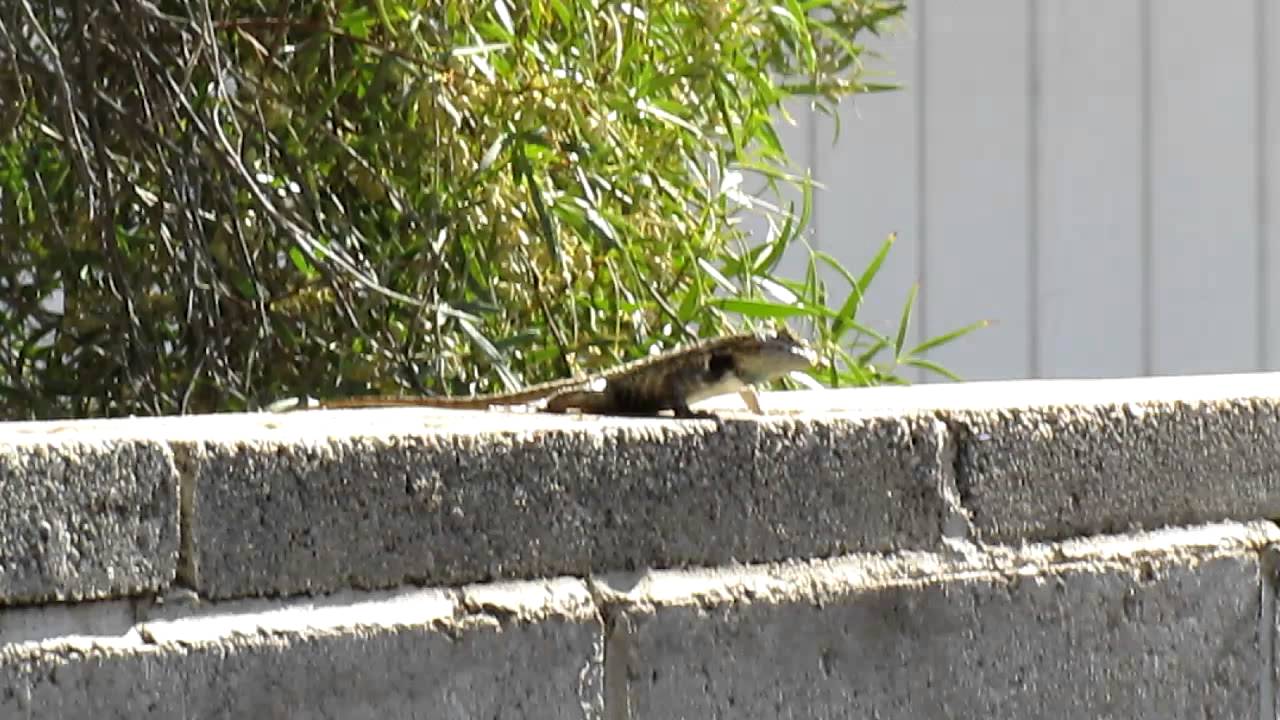
Not all lizards do push ups. This behavior is most common in territorial species that rely on visual communication rather than sound. Here is a breakdown of the most notable species.
| Lizard Species | Push Up Behavior | Notable Feature |
|---|---|---|
| Anole (Green / Brown) | Frequent; combined with dewlap flash | Colorful expandable throat pouch |
| Western Fence Lizard | Common; shows blue belly | Bright blue underside visible during display |
| Bearded Dragon | Common in captivity | Puffs beard and darkens color |
| Green Iguana | Frequent in males | Large size makes display very visible |
| Marine Iguana | Regular territorial display | Seen extensively in Galapagos Islands |
| Lava Lizard | Territorial and mating use | Males have very large territories |
| Blue-Headed Agama | Intense displays; head turns blue | Color change occurs during display |
| Draco Lizard | Combined with wing-like flap display | Uses gliding flaps for added visual effect |
| Gecko | Less common; some species do light bobs | Often combined with vocalizations |
| Monitor Lizard | Rare; more likely to use physical size | Usually relies on gaping and hissing instead |
One of the most fascinating discoveries in lizard behavioral research is that the speed and rhythm of push ups carry distinct meaning. Lizards communicate nuanced messages through variations in their push up pattern.
Fast and Intense Push Ups This signals an aggressive territorial warning. The lizard is saying there will be a fight if the intruder does not leave. This speed is also used when a predator is close.
Medium-Paced Rhythmic Push Ups This is the classic mating display. It is controlled, deliberate, and meant to look impressive without being frantic. It shows stamina rather than panic.
Slow, Single Push Ups Often used as a greeting or acknowledgment. The lizard is simply notifying another lizard of its presence without aggression or mating intent.
Irregular or Broken Rhythm Sometimes seen in juveniles that are still learning the behavior, or in lizards that are unwell. A weak, inconsistent push up display communicates low fitness — which is actually why the behavior works as a fitness signal in the first place.
Yes — female lizards do push ups, though less frequently than males. The reasons are somewhat different depending on the context.
Female lizards perform territorial push ups to defend their own patch of ground, especially around nesting sites where they plan to lay eggs. Unlike many bird species, lizard parents do not raise their young, so the female must secure a safe space on her own.
Some female lizards also perform push ups to signal reproductive availability to nearby males, essentially advertising that they are ready to mate. This is documented in anoles and several iguana species.
The displays of female lizards are generally less intense and shorter in duration than those of males, but they carry the same fundamental communicative purpose.
Push ups and head bobbing are closely related behaviors that often occur together, but they serve slightly different functions and carry different information.
| Behavior | Primary Function | When It Occurs |
|---|---|---|
| Push Ups (full body) | Territory, mating, thermoregulation | General display situations |
| Head Bobbing | Species recognition, greeting | Often follows or precedes push ups |
| Dewlap Flash | Mating signal, species ID | Combined with push ups in anoles |
| Tail Wagging | Predator distraction or communication | Separate from push up displays |
| Body Inflation | Defensive threat display | During confrontations |
Head bobbing is particularly important for species recognition. Lizards of different species produce distinct head bob patterns, allowing them to identify whether a nearby lizard is a rival of the same species or a harmless neighbor of a different one.
If you own a pet lizard, understanding push up behavior will make you a much better reptile keeper. Here is what different push up patterns in captive lizards typically mean.
Directed at the Glass or a Mirror Your lizard has spotted its reflection and believes it is another lizard. This is extremely common and usually harmless, though prolonged stress from this can be reduced by moving the enclosure or covering reflective surfaces.
Directed at You Your lizard may be asserting dominance, warning you away, or responding to a rapid movement you made. This does not mean the lizard is vicious — it is simply communicating in the only language it has.
Directed at Another Lizard in the Same Tank This is a serious territorial warning. Housing two male lizards of the same species together without enough space is a common cause of stress, injury, and fighting. If you see persistent push up displays between tankmates, separation is usually the right move.
Unprompted and Frequent During Breeding Season This is hormonal behavior triggered by seasonal changes in light and temperature. It is completely normal and typically resolves on its own after the breeding season passes.
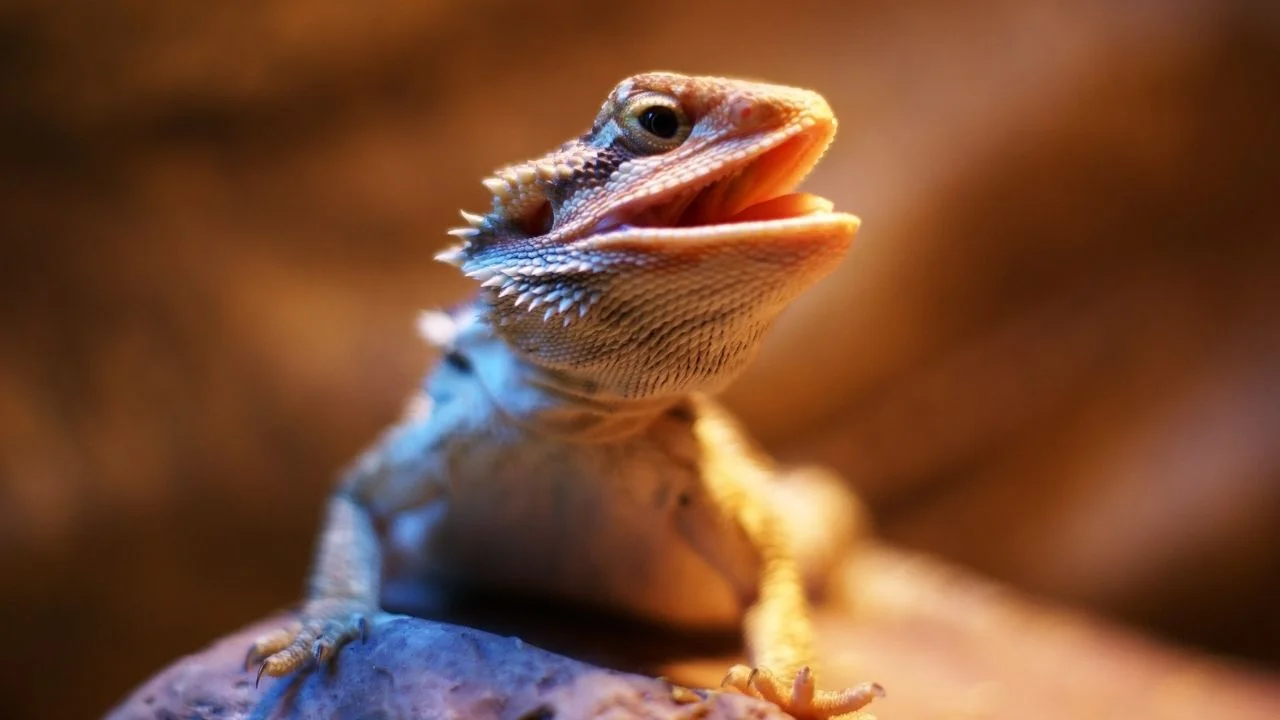
One of the most remarkable things about lizard push ups is what they reveal about non-vocal communication in the animal kingdom. Most lizards lack the vocal anatomy to produce meaningful sounds, unlike birds, frogs, or mammals.
Instead, they evolved a sophisticated visual communication system. Push ups, combined with color changes, dewlap extensions, head bobs, and body postures, allow lizards to transmit detailed, nuanced information across distances in complete silence.
Research from the University of California found that different lizard species produce structurally different push up display patterns even when the behavior looks superficially similar. These unique patterns function as a kind of species-specific language.
This makes lizard push ups one of the most elegant examples of non-verbal communication in the entire animal kingdom — a full conversation carried out without a single sound.
A few extra details that top-ranking pages often miss but readers genuinely love.
The Spanish word for push ups is “lagartijas” — which is also the Spanish word for lizards. This linguistic overlap is a testament to how universally associated these animals are with the exercise.
Four species of Jamaican anole lizards greet every dawn and dusk with synchronized push up displays. Research from Harvard University identified this as the first known ritualistic visual display timed to sunrise and sunset in the reptile world.
A male lava lizard performing push up displays in the Galapagos can hold and actively defend a territory of up to 400 square meters using nothing but visual push up signals.
Lizards in captivity have been documented performing push ups toward television screens when they detected moving images that resembled other lizards. Their visual system is responsive enough to be triggered by video.
Lizards perform push ups toward humans as either a territorial warning or a predator awareness signal. They are telling you they see you and are ready to flee, or warning you to stay back from their space.
No, mostly territorial species that communicate visually — like anoles, fence lizards, iguanas, and bearded dragons — perform push ups. Species that rely on camouflage or vocalizations tend not to use this behavior.
Your bearded dragon is either asserting dominance, responding to a perceived threat, or expressing hormonal activity during breeding season. It is normal communication behavior and rarely a cause for concern.
Yes, female lizards do push ups primarily for territorial defense and occasionally to signal mating readiness. Their displays are generally less intense and shorter than those of males.
Fast push ups signal aggression, a territorial warning, or predator awareness. Slow, deliberate push ups are more often associated with mating displays, greetings, or low-level acknowledgment of another lizard.
Head bobbing combined with push ups is a full communication display. The push ups signal presence and strength while the head bobs transmit species-specific patterns that help lizards identify friend, rival, or potential mate.
Frequent push ups in captivity can be a sign of stress, hormonal activity, or an environmental issue like a reflective surface triggering territorial responses. Check the enclosure setup and consult a reptile vet if the behavior seems excessive.
Yes, lizards use push up movements to lift their bodies off hot surfaces, allowing cooler air to circulate beneath them. This thermoregulation function is a real and documented reason for the behavior.
Anoles combine push ups with dewlap (throat pouch) flashing to amplify the visual impact of their display. The colorful dewlap adds species-specific identification and an extra signal of strength and fitness to watching females or rival males.
Yes. If a push up display is not enough to resolve a territorial dispute, it can escalate to biting, tail slapping, and full physical confrontation. The push up display exists partly to avoid these dangerous fights by settling the question of dominance first.
Why do lizards do push ups? The answer is a rich, multi-layered story of survival, communication, attraction, and adaptation.
From warning rival males to stay out of their territory, to performing a perfect mating display for a watching female, to cooling their bellies on a scorching rock — lizards use this single behavior to address multiple biological needs with remarkable efficiency.
What looks like a simple workout is actually a sophisticated, silent language that has evolved over millions of years.
The next time you spot a lizard doing push ups on a wall, a rock, or the glass of a terrarium, you are witnessing one of nature’s most elegant forms of non-verbal communication in action in 2026.