

Why are my feet hot at night is one of the most searched health questions — and for good reason. That burning, radiating heat in your feet the moment you lie down can make falling asleep feel impossible.
For some people it is a mild warmth. For others it is an intense fire-like sensation that wakes them up repeatedly through the night. The good news is that most cases have a clear cause and a real solution.
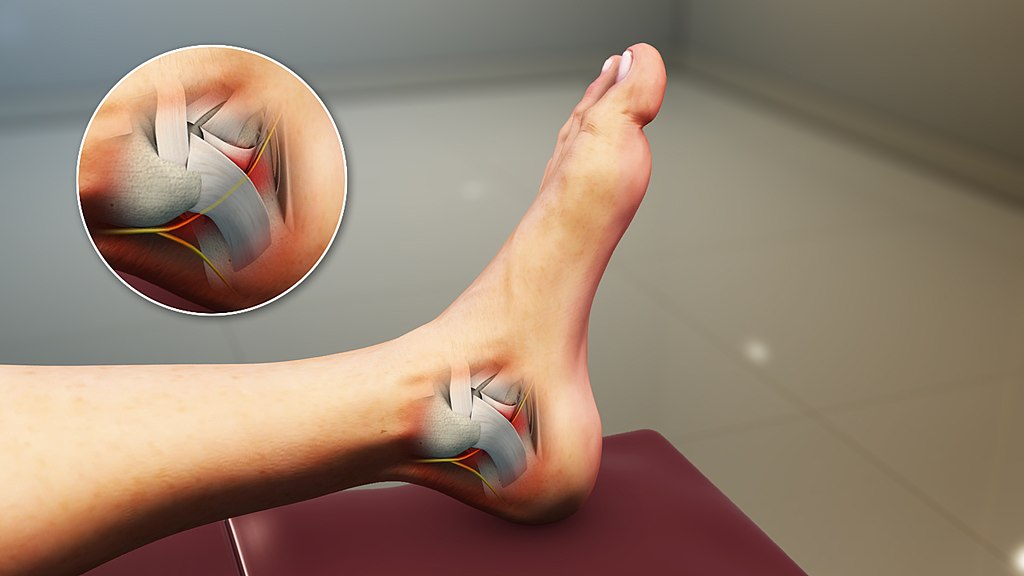
Burning feet syndrome — medically called Grierson-Gopalan syndrome — is a condition where the feet become painfully hot, especially at night. The sensation can range from mild warmth to an intense, fire-like heat.
Some people feel tingling and pins and needles. Others describe a dull ache that runs up through the ankles and into the lower legs. Symptoms nearly always get worse at bedtime and improve somewhat during the day.
The condition is not a diagnosis on its own — it is a symptom pointing to an underlying cause that needs to be identified.
There is a biological reason your feet feel hotter when you lie down. As the body prepares for sleep, it lowers its core temperature by redirecting blood flow toward the extremities — a process called distal vasodilation.
This natural increase in blood flow to the hands and feet normally helps you fall asleep faster. But when nerve damage or vascular problems are present, that same increased circulation triggers a burning or painful heat sensation.
Nighttime also brings fewer distractions. The brain has nothing else competing for its attention, so nerve signals from the feet feel louder and more intense than they did during the day.
Peripheral neuropathy is the most common cause of burning feet at night. It refers to damage in the nerves that carry signals between the brain, spinal cord, and the rest of the body.
When these nerves malfunction, they send incorrect pain signals — including burning sensations — even when no physical injury is present. The damage tends to start at the nerve endings farthest from the brain, which is why the feet are usually the first area affected.
Neuropathy has many possible triggers including diabetes, alcohol use, infections, and autoimmune conditions.
Diabetes is the single most common identifiable cause of burning feet at night. Chronically elevated blood sugar levels damage both the small nerves and the blood vessels that supply them.
This damage causes what is commonly called diabetic burning feet — a painful, hot, or buzzing sensation that is worst in the evening and overnight. At the same time, the feet can lose protective sensation, making it harder to notice minor injuries.
Anyone with diabetes who experiences hot feet at night should discuss it with their doctor promptly, as early intervention can slow further nerve damage.
Nerves require specific nutrients to function correctly. Deficiencies in vitamin B12, vitamin B6, and folate can all lead to peripheral neuropathy and the resulting burning sensation in the feet at night.
B12 deficiency is especially common in older adults, vegans, and people who take certain medications like metformin. Folate deficiency is often linked to excessive alcohol consumption, which limits absorption.
Treatment typically involves dietary changes, supplements, and monitoring the nerve response over time.
Athlete’s foot — medically called tinea pedis — is a fungal infection that thrives in warm, moist environments. It causes burning, itching, stinging, and redness, particularly between the toes and on the soles.
The burning sensation from athlete’s foot frequently worsens at night because the feet trap heat under bedcovers, creating the exact warm, damp environment the fungus loves.
This is one of the most easily treatable causes. Over-the-counter antifungal creams containing miconazole or terbinafine resolve most cases within two to four weeks.
An underactive thyroid gland slows metabolism and can lead to peripheral neuropathy as an uncommon but real complication. The resulting nerve damage causes burning and tingling sensations in the feet that are often worse at night.
Additional signs of hypothyroidism include unexplained weight gain, fatigue, dry skin, hair thinning, and feeling cold most of the time. A simple blood test measuring TSH levels confirms or rules out this cause.
Proper thyroid hormone replacement therapy often improves the neuropathy symptoms over time.
Erythromelalgia is a rare condition involving episodes of intense burning pain, redness, and warmth in the feet and hands. Episodes are triggered by an increase in body temperature — which explains why symptoms are particularly severe at night under warm bedcovers.
Unlike most other causes of hot feet, in erythromelalgia the feet actually appear visibly red and feel warm to the touch during a flare. Cooling the feet brings temporary relief.
There is currently no single established cure. Management focuses on cooling strategies, trigger avoidance, and in some cases, medication prescribed by a specialist.
Peripheral artery disease occurs when the arteries that supply blood to the legs and feet become narrowed or blocked. The reduced oxygen-rich blood flow can cause burning pain in the soles of the feet — pain that typically worsens at night when the legs are elevated and gravity no longer helps blood flow down toward the feet.
PAD is more common in smokers, people with high blood pressure, high cholesterol, and diabetes. It is a serious condition that requires medical evaluation and management.
Other signs of PAD include leg cramping during walking, cold feet, and slow-healing wounds on the lower legs or feet.
Hormonal shifts during menopause and pregnancy cause increased blood circulation and vasodilation, which can lead to hot flashes that affect the feet. The heightened blood flow raises peripheral temperature, making feet feel burning hot, especially at night.
Menopause-related hot feet are often accompanied by night sweats, flushing, and disturbed sleep. Pregnancy-related hot feet typically resolve after delivery as hormone levels normalize.
These are among the more manageable causes, often addressed through temperature regulation, breathable bedding, and in some cases, hormone-related treatments discussed with a doctor.
The kidneys filter toxins from the blood. When kidney function declines, toxins accumulate in the bloodstream and can damage peripheral nerves — a condition sometimes called uremic neuropathy.
Burning feet are a recognized symptom of chronic kidney disease, particularly in later stages when filtration is significantly reduced. Other symptoms include fatigue, swollen ankles, changes in urination, and loss of appetite.
Kidney disease requires prompt medical management. Dialysis or kidney transplant may be needed in advanced cases.
Excessive alcohol consumption damages peripheral nerves directly and also depletes the B vitamins that nerves need to repair and function. The result is alcoholic neuropathy — a painful condition that causes burning, tingling, and weakness in the feet and legs.
Symptoms tend to be worst at night and can worsen significantly over time if alcohol use continues. The primary treatment is stopping alcohol consumption and correcting nutritional deficiencies through a balanced diet and supplementation.
Even moderate drinking can intensify symptoms in people who already have neuropathy from another cause.
Tarsal tunnel syndrome involves compression of the posterior tibial nerve as it passes through the narrow tarsal tunnel on the inside of the ankle. This compression causes burning, tingling, and shooting pain that radiates into the sole of the foot.
The condition is similar to carpal tunnel syndrome in the wrist. It can be caused by flat feet, ankle injuries, inflammation, or benign tumors within the tunnel.
Treatment ranges from rest, orthotics, and anti-inflammatory medications to corticosteroid injections or surgery in severe cases.
Small fiber neuropathy specifically involves damage to the thin nerve fibers that control temperature sensation and pain. When these fibers are damaged, the feet can experience intense burning and hypersensitivity — even to the gentle touch of bed sheets.
The condition often begins gradually and worsens at night. It can occur alongside diabetes, autoimmune diseases, infections, and in some cases without a clearly identifiable cause.
Diagnosis typically requires a skin punch biopsy to count nerve fiber density, as standard nerve conduction studies do not detect small fiber damage.
| Symptom | Possible Cause |
|---|---|
| Burning worse at night, better during day | Burning feet syndrome, peripheral neuropathy |
| Visible redness and heat during episodes | Erythromelalgia |
| Itching and peeling between toes | Athlete’s foot |
| Burning with numbness and tingling | Diabetic neuropathy, B12 deficiency |
| Burning with leg cramping when walking | Peripheral artery disease |
| Burning with fatigue and weight gain | Hypothyroidism |
| Burning with ankle swelling and fatigue | Kidney disease |
| Burning in feet and hands with weakness | Alcoholic neuropathy, Guillain-Barré |
| Burning on sole of one foot near arch | Tarsal tunnel syndrome |
| Hot feet with night sweats and flushing | Menopause-related hormonal changes |
Soaking feet in cool — not ice cold — water for 10 to 15 minutes before bed calms overactive nerve endings and brings temporary but meaningful relief. Keep the temperature comfortable, never extreme.
Avoid ice packs or freezing water. Temperature extremes can actually worsen nerve pain and damage already sensitive tissue in people with neuropathy.
Elevating your feet at roughly a 45-degree angle above heart level for 15 to 20 minutes before bed helps reduce blood pooling that can intensify the burning sensation.
Stack pillows under your legs or use a wedge pillow designed for leg elevation. This is especially helpful for people whose hot feet are linked to circulation issues.
An Epsom salt soak provides magnesium absorption through the skin, which may help calm nerve activity and relax tight muscles in the feet and lower legs.
Dissolve two tablespoons of Epsom salt in a basin of cool water and soak for 15 minutes. Adding a few drops of peppermint essential oil can enhance the cooling effect.
Synthetic socks and heavy bedding trap heat against the skin, making hot feet significantly worse. Switching to thin, natural cotton or moisture-wicking socks allows airflow and reduces heat buildup.
Use breathable cotton or bamboo sheets on your bed. Keeping a light fan running at the foot of the bed also helps regulate foot temperature through the night.
One of the simplest and most effective remedies is to let your feet stick out from under the covers. Exposing the feet to cooler room air allows body heat to escape and often provides immediate relief.
If the room is too cold for this, try using a thin sheet over the feet rather than a heavy blanket.
Capsaicin creams work by desensitizing pain receptors in the skin over time, reducing the burning sensation with consistent use. Lidocaine-based patches or creams provide more immediate numbing relief.
These are available over the counter for mild cases. For persistent or severe symptoms, a doctor may prescribe stronger topical formulations or nerve pain medications.
Gentle massage of the feet and lower legs before bed improves local blood circulation and helps discharge the muscle tension that builds up during the day. Use a cooling lotion or peppermint oil for added relief.
Focus on the soles and the arches where nerve pressure commonly accumulates. Circular motions with moderate pressure work well for most people.
Chronic inflammation plays a role in nerve pain. An anti-inflammatory diet rich in omega-3 fatty acids, turmeric, leafy greens, and antioxidant-rich foods supports nerve health over time.
Curcumin — the active compound in turmeric — has documented anti-inflammatory and neuroprotective properties. Some people find that adding turmeric to food or taking a supplement helps reduce neuropathic symptoms over several weeks.
Alpha-lipoic acid is an antioxidant with well-documented benefits for nerve health. Several clinical studies have found it reduces burning, tingling, and pain associated with peripheral neuropathy.
It is available as an over-the-counter supplement. Typical doses used in research range from 300 to 600 mg daily. Always discuss supplements with a healthcare provider before starting, especially if you have diabetes or take other medications.

Small daily habits make a significant difference in preventing and managing hot feet at night.
Wear properly fitted shoes during the day. Tight or unsupportive footwear compresses nerves and restricts circulation, setting the stage for worse symptoms at night.
Avoid prolonged standing or sitting in one position. Both restrict blood flow to the feet and compound nerve irritation by the end of the day.
Limit or eliminate alcohol. Even moderate consumption can intensify neuropathy symptoms if nerve damage already exists.
Manage blood sugar diligently if you have diabetes. Keeping glucose levels consistently in range is the single most effective way to slow the progression of diabetic neuropathy.
Exercise regularly. Walking, swimming, and cycling improve peripheral circulation and support overall nerve health without placing excessive stress on the feet.
Most mild cases of hot feet respond to home remedies within one to two weeks. But some symptoms require professional evaluation without delay.
| Warning Sign | Action Needed |
|---|---|
| Burning does not improve after 2 weeks of home care | Schedule a doctor’s appointment |
| Burning spreads to ankles and lower legs | See a doctor promptly |
| Numbness or complete loss of sensation in feet | Seek evaluation — possible neuropathy |
| Hot feet accompanied by leg cramping when walking | Rule out peripheral artery disease |
| Foot wound that heals very slowly | See a doctor — possible diabetic complication |
| Severe burning making sleep impossible every night | Same-day or urgent care appointment |
| Hot feet after exposure to a toxin or infection | Emergency care if accompanied by other symptoms |
Your doctor will conduct a physical exam, review your medical history, and may order blood tests, nerve conduction studies, or electromyography (EMG) to identify the underlying cause accurately.
When home remedies are not enough, a range of medical treatments can address the underlying cause or directly manage the nerve pain.
For diabetic neuropathy, better blood sugar management through diet, exercise, and medication is the foundation of treatment. Prescription nerve pain medications such as gabapentin or pregabalin are commonly used for neuropathic burning pain.
For hypothyroidism, thyroid hormone replacement therapy often reduces neuropathy symptoms significantly over several months. For athlete’s foot, prescription-strength antifungal medications clear the infection when over-the-counter products fail.
For vitamin deficiency-related neuropathy, high-dose B12 injections or oral supplements combined with dietary correction often produce noticeable improvement within weeks to months.
For tarsal tunnel syndrome, treatment options range from custom orthotics and corticosteroid injections to surgical decompression in resistant cases.
The shoes you wear during the day directly affect how your feet feel at night. Tight, narrow shoes compress the peripheral nerves running through the foot, reducing circulation and increasing pressure on nerve tissue throughout the day.
By the time you lie down at night, those nerves are already irritated and hypersensitive. The natural increase in blood flow at bedtime then amplifies that irritation into a burning sensation.
Choosing shoes with a wide toe box, proper arch support, and breathable uppers reduces daytime nerve compression. Replacing worn-out shoes that have lost their cushioning is equally important.
If flat feet or abnormal gait mechanics are contributing to the problem, custom orthotics prescribed by a podiatrist can redistribute pressure and protect the nerves from repetitive daily stress.
Burning feet at night is less common in children but does occur. In younger people it is most often linked to growing pains, flat feet, overuse from sports, or in rare cases, early signs of nutritional deficiency.
Children who complain of hot feet at night should be evaluated for footwear fit, daily activity level, and diet. A pediatric podiatrist or general practitioner can rule out underlying conditions if symptoms are persistent or accompanied by swelling, redness, or limping.
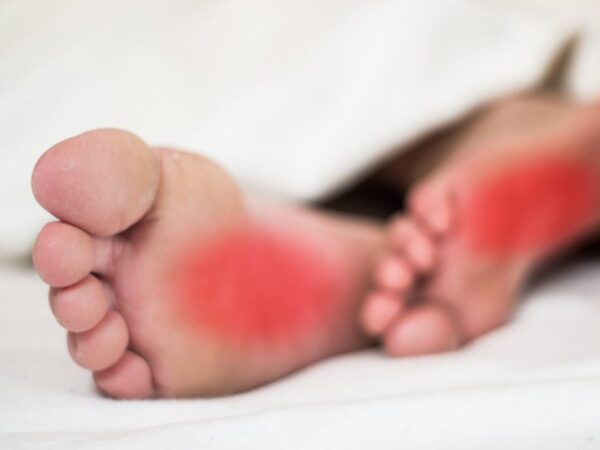
Pregnancy-related hot feet are common and largely harmless. Hormonal changes increase overall blood volume and circulation, which raises peripheral temperature. The extra weight carried during pregnancy also adds pressure to the feet and lower legs.
Cooling foot soaks, elevation during rest, and switching to supportive, wider maternity footwear provide the most relief. Symptoms typically resolve within weeks of delivery as circulation and hormones return to normal.
If burning is severe, accompanied by significant swelling, or does not respond to basic home care, discuss it with your obstetrician to rule out gestational conditions.
At night, the body redirects blood flow to the extremities as part of its sleep preparation process. This natural increase in circulation, combined with fewer daytime distractions, makes feet feel significantly hotter and more uncomfortable once you lie down.
Hot and burning feet at night are a recognized early symptom of diabetic neuropathy — nerve damage caused by chronically high blood sugar. Anyone with diabetes who notices nighttime foot burning should speak to their doctor for evaluation and blood sugar review.
Yes. Low levels of vitamin B12, vitamin B6, and folate can all cause peripheral neuropathy, which produces burning and tingling feet that worsen at night. A blood test can confirm deficiency levels and guide supplement or dietary correction.
Soaking feet in cool (not ice cold) water for 10 to 15 minutes before bed provides fast relief. Sleeping with feet outside the covers, using a fan at the foot of the bed, and switching to breathable cotton sheets also cool the feet quickly.
Stress and anxiety heighten the nervous system’s sensitivity, which can amplify nerve pain signals including burning sensations in the feet. Relaxation techniques like deep breathing and progressive muscle relaxation before bed may help reduce symptom intensity.
Occasional hot feet are usually harmless and related to temperature or circulation. Persistent nightly burning, especially with numbness, tingling, or spreading pain, should be evaluated by a doctor to rule out neuropathy, diabetes, thyroid disease, or circulation problems.
Thin, loose-fitting cotton socks are best. They allow airflow while protecting feet from temperature fluctuations. Avoid synthetic materials, tight elastic, and thick wool socks, all of which trap heat against the skin and worsen symptoms.
Yes. Peripheral artery disease and other circulation disorders reduce oxygen-rich blood flow to the feet. The resulting oxygen deficit in nerve tissue triggers burning sensations that are often worse at night when gravity no longer assists blood flow toward the lower legs.
See a doctor if symptoms persist beyond two weeks without improvement, if burning spreads to the lower legs, if you notice numbness or slow-healing wounds on your feet, or if the burning is severe enough to regularly disrupt your sleep.
Yes. Athlete’s foot causes burning, stinging, and itching that worsens at night because feet trap heat under bedcovers, creating the warm and moist environment that fungal infections thrive in. Over-the-counter antifungal treatments resolve most cases within two to four weeks.
Understanding why your feet are hot at night is the first and most important step toward getting real relief. The causes range from simple issues like fungal infections and nutritional deficiencies to more complex conditions like peripheral neuropathy, diabetes, and peripheral artery disease.
Most mild cases respond well to consistent home remedies — cool water soaks, elevation, breathable bedding, and targeted supplements like alpha-lipoic acid and B vitamins.
If symptoms persist beyond two weeks, spread beyond the feet, or come with numbness, slow-healing wounds, or severe pain, do not delay professional evaluation. Early diagnosis prevents minor nerve irritation from progressing into permanent damage that is far harder to treat.
In 2026, there are more tools, tests, and treatment options available than ever before. A podiatrist or general practitioner can identify the exact cause, create a personalized treatment plan, and help you get a full night of comfortable, restful sleep. You do not have to live with burning feet — solutions exist, and they start with understanding what your body is telling you.