
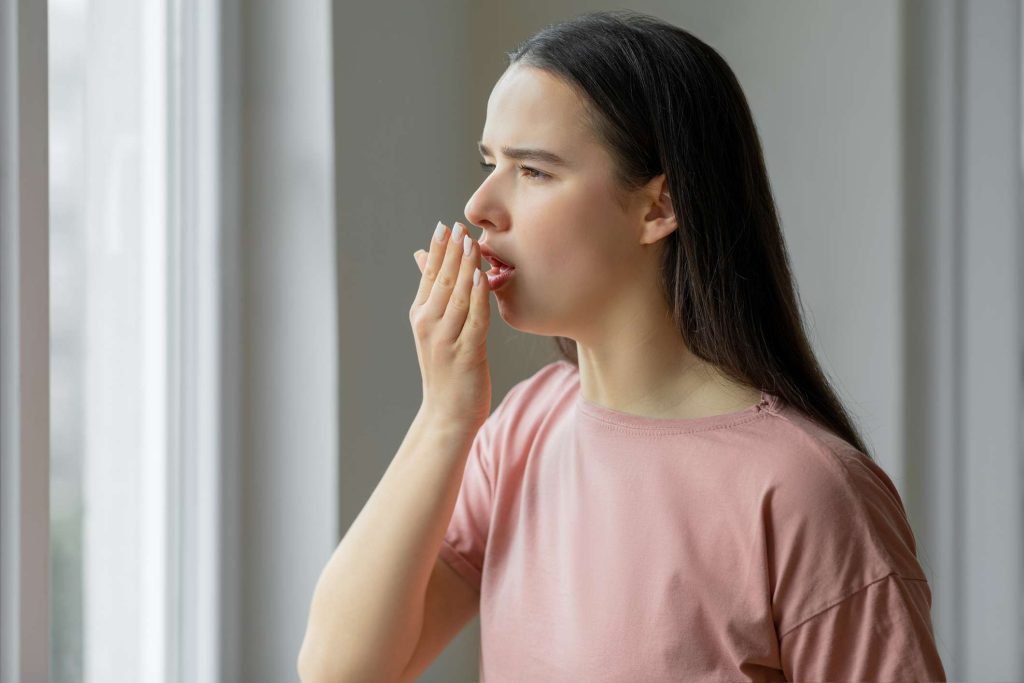
Why do I have sulfur burps is a question that stops most people mid-sentence because nothing quite prepares you for that rotten egg smell coming from your own mouth.
Sulfur burps happen when hydrogen sulfide gas builds up in your digestive tract and gets released through belching. While an occasional sulfur burp after a heavy meal is completely normal, frequent or persistent ones often point to something deeper going on with your diet, gut bacteria, or digestive health.

Sulfur burps are burps that carry the unmistakable smell of rotten eggs. That odor comes from hydrogen sulfide gas, a natural but foul-smelling byproduct that forms in your gut when certain bacteria break down sulfur-containing compounds during digestion.
A regular burp releases odorless or food-scented air from the stomach. A sulfur burp is different because it carries that distinctive, deeply unpleasant sulfur smell that can linger in the air and cause serious social discomfort.
On average, the human body passes gas 13 to 21 times per day through burping and flatulence. Hydrogen sulfide production in small amounts is completely normal and even plays a role in gut health by providing anti-inflammatory support to the gut microbiome. The problem starts when production becomes excessive.
The root cause of sulfur burps is always the same at a biochemical level: too much hydrogen sulfide gas in the digestive tract. The question is why that gas is accumulating.
Sulfur-reducing microbes in your mouth and gastrointestinal tract break down food. As they process proteins and sulfur-containing amino acids, they produce hydrogen sulfide as a waste product. When that gas gets forced upward through the esophagus and out through the mouth, the result is a sulfur burp.
Certain conditions, foods, medications, and infections all amplify this process. Understanding which one is driving your sulfur burps is the key to fixing them.
Diet is the most common reason people ask why do I have sulfur burps. Certain foods are naturally rich in sulfur compounds, and when gut bacteria break them down, hydrogen sulfide production spikes.
The biggest dietary culprits include eggs, red meat, poultry, fish, garlic, onions, leeks, and cruciferous vegetables like broccoli, cauliflower, Brussels sprouts, and cabbage. Dairy products are also frequently linked to sulfur burps, particularly in people with lactose sensitivity.
Eating large portions of these foods in a single meal, or eating them quickly without chewing thoroughly, makes the problem significantly worse.
Helicobacter pylori, commonly known as H. pylori, is a bacteria that infects the stomach lining and is one of the most common causes of persistent sulfur burps. It disrupts the normal gut microbiome and promotes excess hydrogen sulfide production.
H. pylori infection can also cause symptoms like bloating, nausea, stomach pain, heartburn, and a persistent burning sensation in the upper abdomen. It requires medical diagnosis and antibiotic treatment to clear.
An estimated 44 percent of the global population carries H. pylori, making it one of the most widespread gut infections worldwide.
Giardia is an intestinal parasite that attaches to the lining of the small intestine and severely disrupts digestion. It is a well-documented cause of sulfur burps, often alongside watery diarrhea, stomach cramps, nausea, and fatigue.
People typically contract Giardia through contaminated water or food. The infection is treated with antiprotozoal medications prescribed by a doctor after stool testing confirms the diagnosis.
GERD occurs when stomach acid and gas repeatedly flow back up into the esophagus. This backflow can force sulfur-smelling gas out through the mouth, producing sulfur burps alongside classic reflux symptoms like heartburn, chest discomfort, and a sour taste.
People with GERD often notice their sulfur burps are worse after large meals, when lying down, or when eating acidic and fatty foods. Managing GERD with dietary changes and medication usually reduces the frequency of sulfur burps significantly.
Irritable bowel syndrome is a chronic digestive condition that causes irregular gut motility, bloating, gas, diarrhea, constipation, and abdominal cramping. People with IBS tend to produce more gas overall, and hydrogen sulfide overproduction is common in this population.
Research has specifically linked a hydrogen sulfide-dominant subtype of IBS to more severe bloating, flatulence, and sulfur burps. Managing IBS through diet, stress reduction, and targeted supplementation can reduce sulfur burp frequency.
SIBO occurs when bacteria that normally live in the large intestine migrate into and overgrow in the small intestine. These bacteria ferment food in a place where fermentation should not be occurring at this level, producing large quantities of gas including hydrogen sulfide.
Symptoms of SIBO include chronic bloating, sulfur burps, excessive flatulence, diarrhea or constipation, and abdominal discomfort. SIBO is diagnosed through a breath test and typically treated with specific antibiotics and dietary protocols.
Gastroparesis is a condition where the stomach empties far too slowly. Food sits in the stomach for extended periods, allowing bacteria to ferment it and produce excess hydrogen sulfide gas.
This condition is more common in people with diabetes and can also be triggered by certain medications or nerve damage. Sulfur burps are a frequent complaint in gastroparesis patients alongside nausea, vomiting, and feeling full very quickly after eating.
Certain medications are strongly linked to sulfur burps as a side effect. The most widely discussed is Ozempic and other GLP-1 receptor agonists used for type 2 diabetes and weight management. These drugs slow gastric emptying, which allows more time for sulfur gas to build up.
Antibiotics can also cause sulfur burps by disrupting the natural balance of gut bacteria and allowing hydrogen sulfide-producing microbes to overgrow. Metformin and iron supplements are other commonly reported culprits.
Alcohol disrupts efficient digestion and can trigger stomach acid reflux, both of which contribute to sulfur burps. Beer is particularly problematic because it is both carbonated and fermented, making it a double source of gut gas.
Carbonated drinks of all kinds introduce additional gas into the digestive tract. When that gas mixes with sulfur compounds already present from food digestion, the resulting burps are more likely to carry a sulfur odor.
Psychological stress has a direct and measurable impact on gut function. The gut-brain axis means that stress and anxiety can alter gut motility, increase acid production, and shift the composition of the gut microbiome.
When stress slows digestion or triggers acid reflux, the conditions for hydrogen sulfide overproduction become more likely. Many people notice their sulfur burps worsen significantly during periods of high stress or anxiety.
Eating quickly, talking while eating, chewing gum, and sucking on hard candies all cause excess air to be swallowed. This swallowed air, technically called aerophagia, accumulates in the stomach and is released as burps.
When that excess air combines with sulfur gas already present from food digestion, the resulting burp carries a stronger sulfur odor. Slowing down at mealtimes and chewing food thoroughly is one of the simplest fixes.

| High-Sulfur Foods to Limit | Lower-Sulfur Foods That Are Safer |
|---|---|
| Eggs | Rice |
| Red meat and beef | Oats |
| Garlic and onions | Most fruits |
| Broccoli and cauliflower | Leafy greens (non-cruciferous) |
| Brussels sprouts | Sweet potato |
| Cabbage | Carrots |
| Dairy products | Cucumber |
| Beer and alcohol | Herbal teas |
| Processed meats | Lean white fish (in moderation) |
| Protein powders (whey) | Tofu (in moderation) |
The fastest and most direct fix when you ask why do I have sulfur burps is to reduce high-sulfur foods temporarily. Start by cutting back on eggs, red meat, garlic, onions, and cruciferous vegetables for one to two weeks and note whether your symptoms improve.
Keep a food journal to identify your specific trigger foods. Triggers vary from person to person, so what causes sulfur burps in one individual may not cause them in another.
Staying well hydrated helps the digestive system break down protein and sulfur-containing foods more efficiently. Water also helps protect the stomach lining from bacteria and supports the movement of food through the gastrointestinal tract.
Aim for at least eight glasses of water per day. Drinking a glass of water with meals can also slow eating pace and reduce the amount of air swallowed.
Green tea supports digestion and helps the body clear toxins. Peppermint tea relaxes the muscles of the gastrointestinal tract and can relieve gas and bloating. Chamomile tea has anti-inflammatory properties that soothe the gut lining.
Drinking one of these teas after meals is a simple, low-risk home remedy that many people find genuinely helpful for managing sulfur burps.
Probiotics help restore a healthy balance of gut bacteria, reducing the dominance of hydrogen sulfide-producing microbes. Look for multi-strain probiotic supplements containing Lactobacillus plantarum, Bifidobacterium lactis, and Lactobacillus rhamnosus.
Probiotic-rich foods like yogurt, kefir, kimchi, and sauerkraut also support gut bacterial balance naturally. Consistency matters with probiotics, as they take two to four weeks of daily use to produce noticeable results.
Digestive enzyme supplements help break down proteins, fats, and carbohydrates more completely before they reach the large intestine. This reduces the amount of undigested food available for hydrogen sulfide-producing bacteria to ferment.
Taking a broad-spectrum digestive enzyme supplement with meals is particularly useful for people whose sulfur burps are linked to heavy protein intake or slow digestion.
Manuka honey has documented antibacterial properties against gut pathogens including H. pylori and E. coli. Taking one teaspoon before meals can help protect the digestive lining and reduce bacterial activity that drives hydrogen sulfide production.
It is not a replacement for medical treatment of confirmed infections but works well as a supportive remedy alongside dietary changes.
Cutting out soda, sparkling water, and beer removes two significant contributors to sulfur burps simultaneously. Carbonation adds gas to the digestive tract, and alcohol disrupts effective digestion and promotes acid reflux.
Replacing these with still water and herbal teas is one of the most impactful simple changes people can make.
Eating slowly, chewing each bite thoroughly, and avoiding talking excessively during meals all reduce the amount of air swallowed. Less swallowed air means less gas in the stomach and fewer burps overall.
Putting down your utensils between bites, setting a timer to extend meals to at least 20 minutes, and eliminating distractions at mealtimes are practical ways to build this habit.
Physical activity helps stimulate gut motility, which means food moves through the digestive system more efficiently and has less time to ferment and produce gas. Even a 15 to 20 minute walk after meals can make a meaningful difference.
Regular daily exercise supports the overall health of the gut microbiome and reduces the likelihood of food sitting in the digestive tract long enough to trigger excess hydrogen sulfide production.

| OTC Remedy | How It Helps | Best Used For |
|---|---|---|
| Antacids (e.g. Tums, Gaviscon) | Neutralizes stomach acid, reduces acid-driven gas | GERD-related sulfur burps |
| Simethicone (Gas-X) | Breaks up gas bubbles in the digestive tract | General gas and bloating |
| Activated charcoal | May help absorb gas, reduce odor | Occasional use, not long-term |
| Bismuth subsalicylate (Pepto-Bismol) | Coats gut lining, has mild antibacterial action | Infection or irritation-linked burps |
| Probiotics (capsule) | Restores gut bacterial balance | Microbiome imbalance, antibiotic aftermath |
| Digestive enzyme supplements | Improves protein and carb breakdown | Diet-related sulfur burps |
Most sulfur burps are harmless and diet-related. But certain combinations of symptoms alongside sulfur burps should prompt a medical evaluation.
See a doctor if your sulfur burps are accompanied by persistent diarrhea or vomiting, unexplained weight loss, chest pain or difficulty swallowing, fever, blood in stools, severe abdominal pain, or burps that have been frequent and ongoing for more than three weeks despite dietary changes.
These symptoms can indicate infections like H. pylori or Giardia, inflammatory bowel disease, SIBO, gastroparesis, or in rare cases more serious gastrointestinal conditions that require medical testing and treatment.
| Condition | Key Symptoms Alongside Sulfur Burps |
|---|---|
| H. pylori infection | Stomach pain, nausea, heartburn, bloating |
| Giardia | Watery diarrhea, stomach cramps, fatigue |
| GERD | Heartburn, acid taste, chest discomfort |
| IBS | Bloating, alternating diarrhea and constipation, cramps |
| SIBO | Chronic bloating, excessive gas, diarrhea |
| Gastroparesis | Nausea, early fullness, slow digestion |
| Lactose intolerance | Bloating, diarrhea, gas after dairy |
| Celiac disease | Diarrhea, fatigue, weight loss, bloating |
The rise of GLP-1 medications like Ozempic, Wegovy, and Mounjaro has brought sulfur burps into mainstream conversation. These drugs slow gastric emptying as part of their mechanism of action, which means food stays in the stomach longer and has more time to ferment.
Ozempic-related sulfur burps are a very commonly reported side effect. They often improve as the body adjusts to the medication after several weeks, or when the dose is lowered. Dietary changes such as eating smaller meals, avoiding high-sulfur trigger foods, and limiting fatty foods can help reduce the severity.
If Ozempic sulfur burps are significantly affecting quality of life, speaking with the prescribing physician about dose adjustment or dietary modification strategies is the right step.
Prevention is far more effective than constantly reacting to sulfur burps after they occur. These long-term habits reduce the overall likelihood of hydrogen sulfide overproduction.
Eat smaller, more frequent meals rather than large portions in one sitting. Maintain consistent gut health by eating probiotic-rich foods daily. Limit high-sulfur foods as a general dietary pattern rather than only cutting them when symptoms flare. Stay consistently hydrated throughout the day.
Manage stress actively through exercise, sleep, mindfulness, or whatever stress reduction approach works for your lifestyle. Stay current with dental hygiene since sulfur-producing bacteria also live in the mouth. Keep a symptom journal to identify patterns and triggers unique to your body.
| Lifestyle Change | Why It Helps |
|---|---|
| Eat smaller meals | Reduces fermentation time in the stomach |
| Chew food thoroughly | Improves breakdown before gut bacteria act |
| Walk after meals | Stimulates gut motility and gas clearance |
| Stay hydrated | Supports protein digestion and bacterial control |
| Limit stress | Reduces gut-brain axis disruption |
| Improve oral hygiene | Reduces sulfur bacteria in the mouth |
| Avoid eating late at night | Prevents food sitting undigested during sleep |
| Reduce sugar intake | Starves hydrogen sulfide-producing gut bacteria |
Sulfur burps are caused by hydrogen sulfide gas produced when gut bacteria break down sulfur-rich foods, proteins, or compounds in the digestive tract. Infections, digestive conditions, and certain medications can all amplify this process.
The rotten egg smell comes from hydrogen sulfide gas in your gut. It is the same compound responsible for the odor of rotten eggs and is released through belching when it accumulates in the digestive tract.
They can be. H. pylori bacterial infection and Giardia parasite infection are both well-known causes of persistent sulfur burps, especially when accompanied by diarrhea, nausea, or stomach pain.
Yes. Ozempic and other GLP-1 medications slow gastric emptying, giving food more time to ferment in the stomach and produce hydrogen sulfide gas. This is one of the most commonly reported side effects.
The fastest relief comes from reducing high-sulfur foods, drinking water or peppermint tea, taking an antacid or simethicone, and avoiding carbonated drinks. Symptoms from dietary causes often improve within 24 to 48 hours.
Yes. Stress disrupts the gut-brain axis, alters gut motility, and changes the composition of gut bacteria, all of which can increase hydrogen sulfide production and contribute to sulfur burps.
See a doctor if sulfur burps are persistent beyond three weeks, occur daily, or are accompanied by diarrhea, vomiting, fever, weight loss, chest pain, or blood in stools. These can indicate underlying conditions requiring medical treatment.
Yes. Probiotics help restore a healthy balance of gut bacteria, reducing the overgrowth of hydrogen sulfide-producing microbes. Consistent daily use of a multi-strain probiotic for two to four weeks typically produces noticeable improvement.
Yes. IBS is a recognized cause of sulfur burps. Research has identified a hydrogen sulfide-dominant subtype of IBS in which excessive gas production, bloating, and sulfur burps are primary symptoms.
Avoid or reduce eggs, red meat, garlic, onions, broccoli, cauliflower, Brussels sprouts, cabbage, dairy products, beer, alcohol, carbonated drinks, processed meats, and whey protein powders when experiencing frequent sulfur burps.
Why do I have sulfur burps almost always comes down to one of three things: what you are eating, what is happening inside your gut microbiome, or an underlying digestive condition that needs attention.
Hydrogen sulfide is a natural byproduct of digestion, but when it becomes excessive, it points to a real imbalance worth addressing. The good news is that most cases of sulfur burps respond well to simple dietary adjustments, better hydration, probiotics, and lifestyle changes.
Cutting high-sulfur foods, slowing down at meals, drinking herbal teas, and supporting your gut bacteria are the first steps that work for the majority of people.
When sulfur burps persist despite these changes, or come paired with more serious symptoms like fever, weight loss, or diarrhea that does not resolve, that is the signal to get a proper medical evaluation. Your gut is telling you something and in 2026, the tools to fix it are better than ever.