
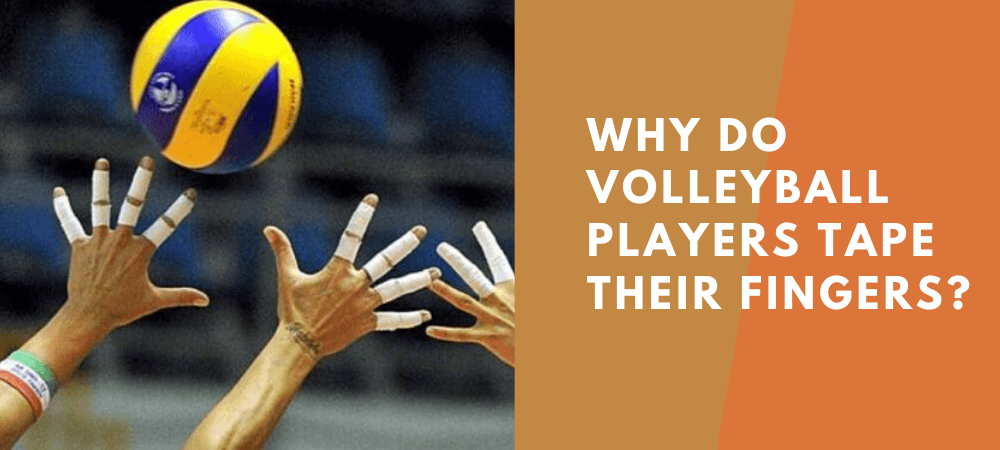
Why do volleyball players tape their fingers — this is one of the first questions new fans and beginner players ask after spotting white or colorful strips wrapped around almost every athlete’s hands.
It looks like a small detail, but it plays a real role in performance and safety. Fingers absorb constant impact in volleyball, from blocking at the net to digging hard-driven spikes.
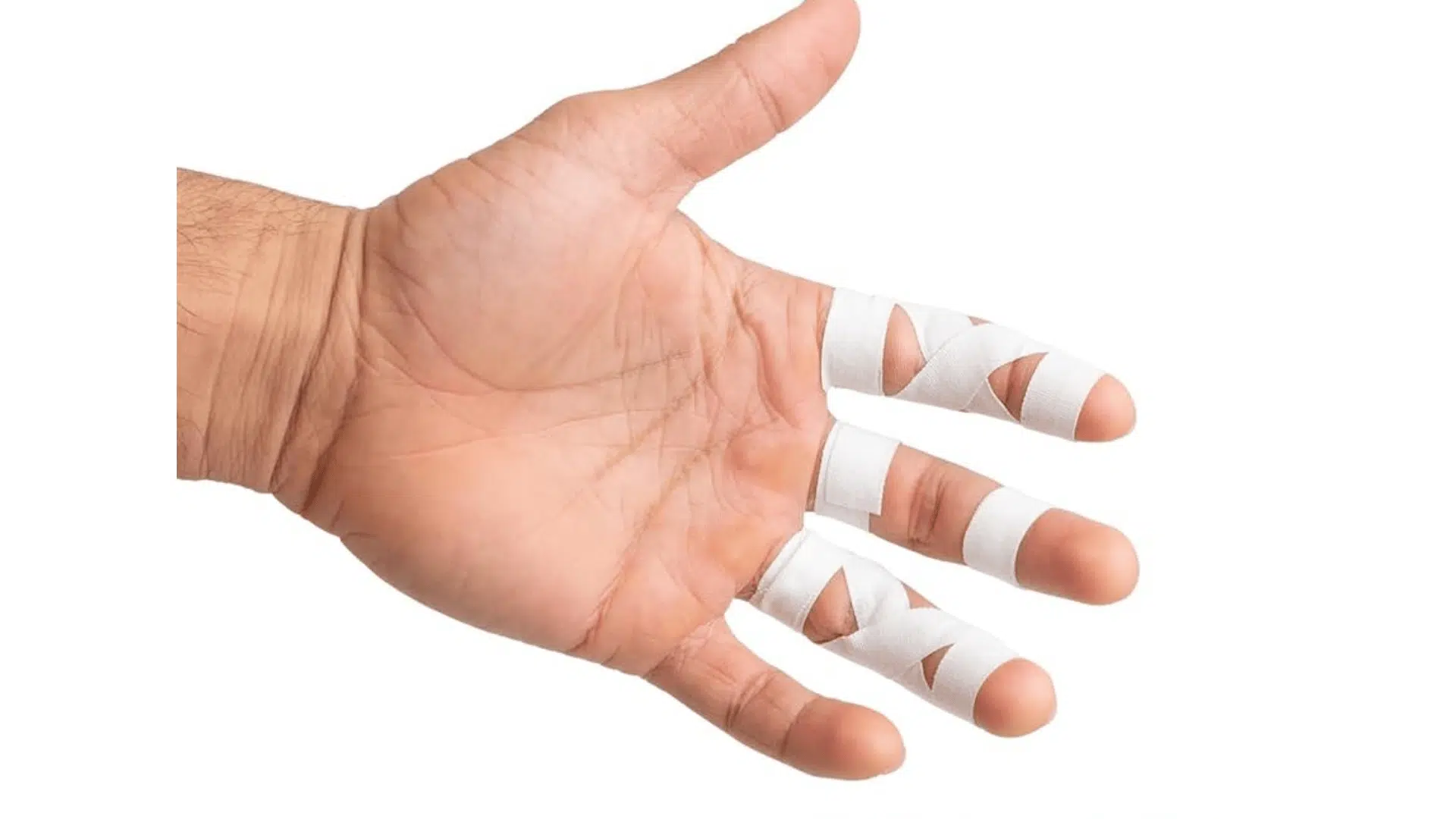
Finger taping is the practice of wrapping athletic tape around one or more fingers before play. It is used both as a preventive habit and as support after an injury.
It has become so common that taped fingers are now a recognizable part of the sport’s visual identity, much like wristbands in tennis.
| Reason | Purpose | Common Among |
|---|---|---|
| Injury prevention | Reduces sprain and jam risk | All positions |
| Injury support | Stabilizes existing injury | Recovering players |
| Improved grip | Better ball control | Setters, liberos |
| Joint stabilization | Limits hyperextension | Blockers, hitters |
| Skin protection | Prevents blisters and cracked skin | All positions |
| Confidence and comfort | Reduces hesitation during play | All levels |
| Personal style | Self-expression | Younger players |
Volleyball involves repeated high-speed contact between the ball and bare fingers. Taping adds a layer of external support that reduces strain on the joints.
Research on youth volleyball injuries found that 43 percent of upper-extremity injuries involved the fingers, making prevention a major priority.
Players recovering from a jammed or sprained finger often tape it to one or two neighboring fingers. This is commonly known as buddy taping.
Buddy taping naturally splints the injured finger, limiting unwanted movement while still allowing the player to compete.
Blocking and hitting create sudden, forceful impact on the fingertips. Without support, joints can bend backward or sideways in a split second.
Taping limits this excess motion, protecting the joint from hyperextension during fast net play.
Sweat and moisture can make the ball slippery during long matches. Tape adds friction between the fingers and the ball surface.
Better grip translates directly into cleaner passes, sets, and serves throughout a game.
Constant ball contact can dry out and crack the skin on fingertips over time. Tape acts as a barrier against repeated friction.
This is especially helpful for players who train multiple hours daily during competitive seasons.
Players with sore, achy, or slightly swollen fingers often tape them to reduce discomfort during play without sitting out entirely.
This allows continued participation while still respecting the body’s healing process.
A previously injured finger can create hesitation during plays. Taping offers a psychological sense of security alongside physical support.
Many players say taping helps them commit fully to blocks and digs without fear of re-injury.
Not every reason is purely functional. Many players, especially younger athletes, enjoy colorful or patterned tape as a form of personal style.
It has become a small but recognizable part of team identity and individual flair on the court.
This method wraps tape around one individual finger, usually at the middle joint, to limit bending at a specific point.
It is ideal for mild prevention without restricting the rest of the hand’s movement.
Buddy taping connects an injured finger to a healthy neighboring finger. The healthy finger acts as a natural splint during play.
This is one of the most effective methods for supporting recovery while staying active.
X taping creates a crisscross pattern over the knuckle to stabilize the joint while allowing some flexibility for natural movement.
It works well for players who need support without fully restricting bending motion.
A full wrap covers the entire finger from base to tip, offering maximum protection against impact and skin damage.
This method is more restrictive but useful for high-contact positions like middle blockers.
| Tape Type | Best For | Flexibility |
|---|---|---|
| Zinc oxide athletic tape | General prevention | Low |
| Rigid sports tape | Joint stabilization | Low |
| Elastic athletic tape | Grip and mild support | Medium |
| Kinesiology tape | Setters, repetitive motion | High |
| Finger sleeves | Light comfort without wrapping | High |
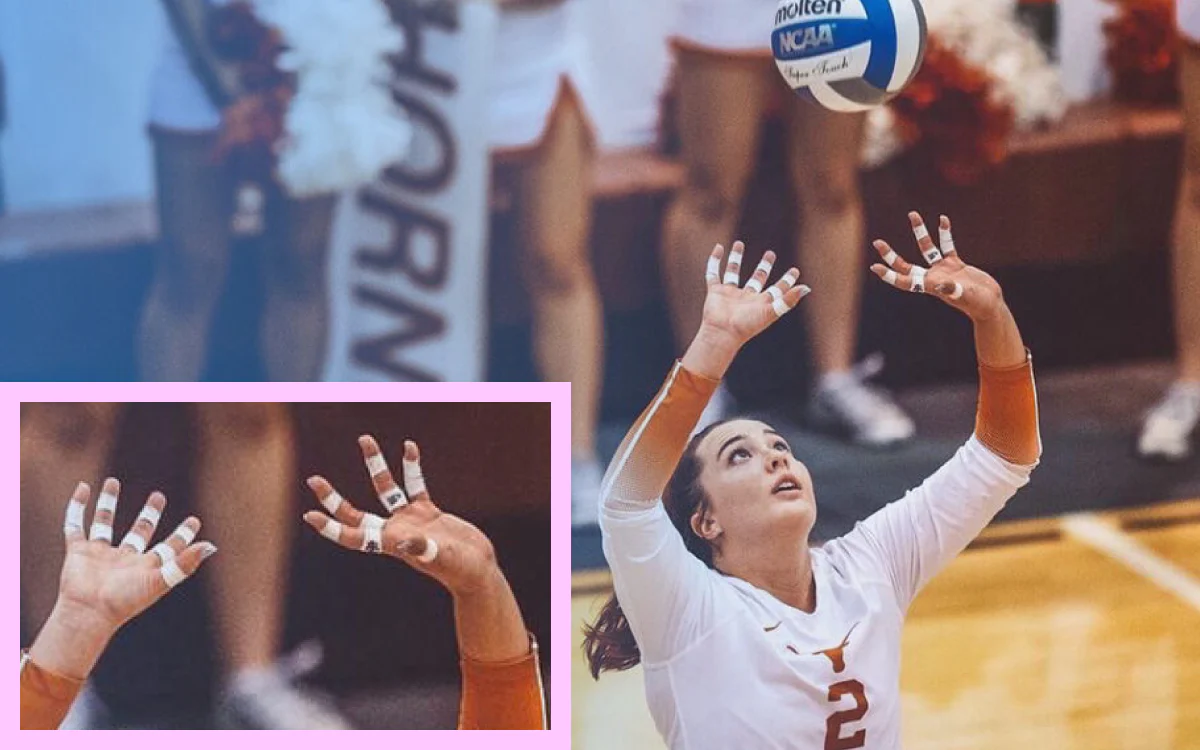
Setters often prefer kinesiology or elastic tape, since it reduces friction during repetitive setting motions without limiting flexibility.
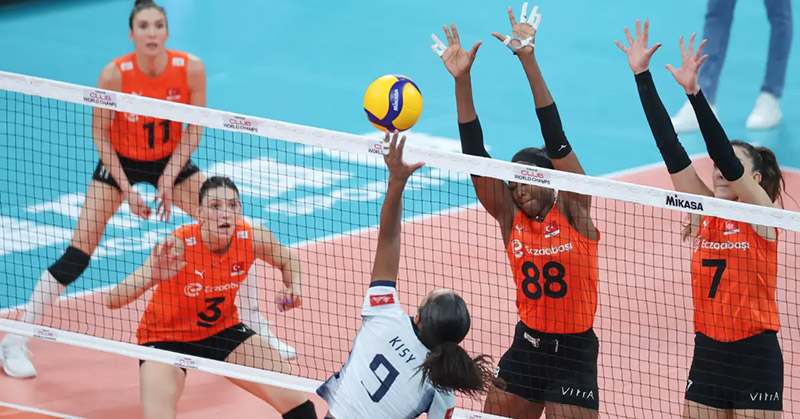
Hitters and blockers typically use rigid tape for stronger joint stabilization during high-impact spikes and blocks.
Liberos often choose lighter tape that protects against jams while preserving the dexterity needed for fast digs and passes.
Tape adheres better to clean, dry skin, so wash and dry your hands thoroughly before starting.
Decide between single finger, buddy taping, X taping, or a full wrap based on your needs that day.
Wrap the tape firmly enough to provide support, but never so tight that it cuts off circulation.
Bend and flex your fingers after taping to confirm you still have enough range of motion to play comfortably.
Always use fresh tape for each practice or match, since used tape loses its grip and support quality.
Excessively tight tape can restrict blood flow, leading to numbness or worsened discomfort during play.
Using overly rigid tape for light prevention can unnecessarily limit natural hand movement and reduce performance.
Ignoring small jams without any support can allow minor injuries to worsen into more serious sprains over time.
| Situation | Should You Tape |
|---|---|
| Healthy fingers, casual practice | Optional |
| Healthy fingers, competitive match | Often recommended |
| Mild soreness or jam | Yes |
| Confirmed sprain | Yes, with proper support |
| Severe injury or fracture | Seek medical care first |
Yes, taping is extremely common at the professional and collegiate level. Many elite players tape preventively, even without any current injury.
It has become a standard part of pre-match preparation alongside ankle braces and knee pads.
Players who feel physically secure tend to commit more fully to blocks, digs, and sets, improving overall consistency.
Supporting minor injuries early with proper taping can shorten recovery time compared to leaving them unsupported.
Once a finger has been injured, taping during future play reduces the chances of re-injuring the same joint.
Many tape preventively to reduce the risk of jams and sprains during high-impact blocking and hitting.
Zinc oxide or rigid athletic tape works best for joint support, while kinesiology tape suits lighter needs.
Yes, tape adds friction against the ball, which helps with control during sweaty or fast-paced matches.
Yes, buddy taping is simple and safe, though persistent pain should still be checked by a professional.
Tape should feel snug and supportive, never tight enough to cause numbness or color change in the fingertip.
No, taping reduces risk significantly but cannot fully eliminate the chance of jams, sprains, or fractures.
Yes, setters often prefer flexible tape, while hitters typically use rigid tape for stronger joint stabilization.
Tape should be replaced before every new practice or match for the best grip and support quality.
No, players at every level use taping, from casual recreational games to professional competition.
Yes, some players tape partly for personal style, though most still gain real functional benefits as well.
Volleyball players tape their fingers for far more than appearance, even though colorful tape has become a recognizable part of the sport’s look.
The main reasons include preventing injuries, supporting fingers that are already sore or healing, improving grip on a fast-moving ball, and protecting skin from blisters and cracking during long practice sessions.
Different positions tend to favor different taping methods, with setters often choosing flexible kinesiology tape and hitters relying on rigid tape for stronger joint stability.
Learning the correct technique, from buddy taping to full wraps, helps players get the right balance of protection and mobility. Whether you’re a beginner or a competitive athlete, understanding why and how to tape your fingers can meaningfully reduce injury risk and improve confidence on the court.