
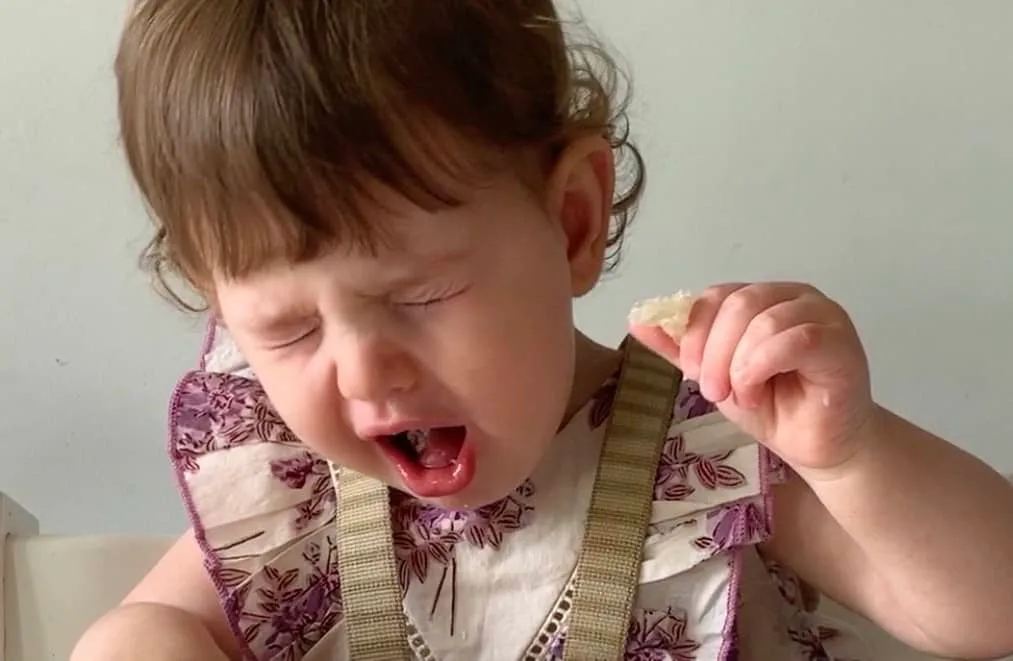
If you keep asking yourself “why do I gag when I cough,” you’re dealing with something more common than you might think. A forceful cough can easily trigger your body’s gag reflex, especially when your throat is already irritated.
Coughing and gagging share overlapping nerves and muscles, which is why one so often sets off the other. In most cases, it’s uncomfortable rather than dangerous.
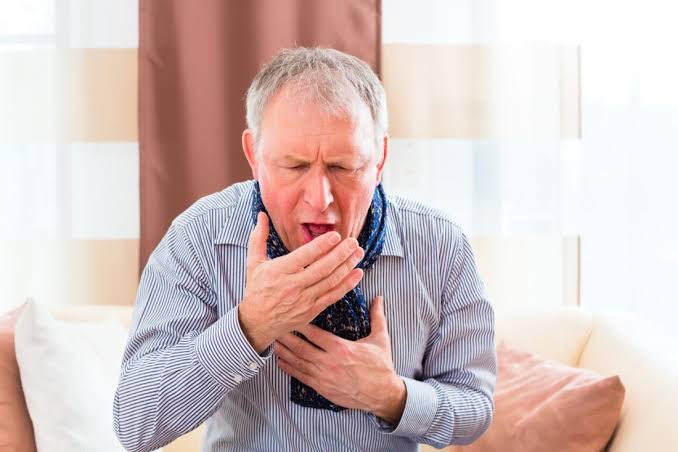
Coughing and gagging share the same throat muscles and nerve pathways, especially the vagus nerve. A strong or prolonged cough can stimulate the back of the throat enough to trigger the gag reflex, particularly when the throat is inflamed, dry, or full of mucus.
This is common during colds, allergies, post-nasal drip, acid reflux, and asthma, and it usually improves once the underlying irritation is treated.
Coughing is a protective reflex designed to clear your airway of irritants, mucus, or foreign particles. During a strong cough, air can be forced out at very high speed, which puts real strain on your throat muscles.
Gagging is a separate but closely related reflex meant to protect you from choking. Because both reflexes rely on shared nerves and muscles in the throat, a hard enough cough can easily spill over into a gag.
When mucus from your sinuses drips down the back of your throat, it can trigger constant irritation. This is especially noticeable at night, when lying down allows mucus to pool and intensify coughing.
Stomach acid moving up into the esophagus can irritate your throat and airway. This irritation often triggers coughing, which can then escalate into gagging or even vomiting in more severe cases.
Some people experience asthma mainly as a dry, forceful cough rather than typical wheezing. These airway spasms can be intense enough to trigger the gag reflex during an episode.
Conditions like bronchitis or pneumonia inflame the airways and increase mucus production. The extra mucus and irritation make coughing fits more severe, increasing the chance of gagging.
Whooping cough causes intense, rapid coughing spells that can end in gagging or vomiting. It’s more common in children but can also affect adults, especially if vaccination has worn off.
Some people naturally have a more sensitive gag reflex than others. In these cases, even a moderately forceful cough can be enough to trigger gagging without an underlying illness.

| Feature | Coughing | Gagging |
|---|---|---|
| Purpose | Clears airway of mucus or irritants | Prevents choking on objects or fluids |
| Trigger | Airway irritation, mucus, allergens | Throat or back-of-mouth stimulation |
| Shared nerve | Vagus nerve | Vagus nerve |
| Can trigger the other | Yes, especially when severe | Yes, in rare cases |
Occasional gagging during a bad cough usually isn’t serious and improves as the underlying cause resolves. However, some symptoms deserve prompt medical attention.
A healthcare provider can help identify whether GERD, asthma, an infection, or another condition is behind your symptoms.

Yes, occasional gagging during a forceful cough is common and usually not a cause for concern on its own.
Yes, mucus dripping into the back of the throat can trigger irritation that leads to coughing and gagging, especially at night.
Yes, stomach acid irritating the esophagus and throat can trigger coughing that sometimes escalates into gagging.
Yes, cough-variant asthma can cause forceful, spasmodic coughing that’s strong enough to trigger the gag reflex.
Lying down allows mucus from post-nasal drip or stomach acid from reflux to irritate the throat more easily.
Occasional gagging is usually benign, but frequent or severe episodes alongside other symptoms should be checked by a doctor.
Yes, increased mucus and throat irritation from a common cold can easily trigger gagging during coughing fits.
Yes, bronchitis increases mucus production and airway inflammation, which can intensify coughing fits and trigger gagging.
Forceful coughing can activate shared nerve pathways and increase pressure on the stomach, which can trigger nausea or vomiting.
Yes, whooping cough often causes intense coughing spells that can end in gagging or vomiting, especially in children.
Sipping warm fluids, using a humidifier, and treating the underlying cause of the cough can all help reduce gagging.
Yes, if gagging happens with nearly every cough or lasts for weeks, it’s worth getting evaluated by a healthcare provider.
Yes, allergy-related post-nasal drip and throat irritation can lead to coughing fits that trigger gagging.
Yes, smoke irritates the airways and throat, which can make coughing fits more intense and more likely to trigger gagging.
Yes, people with a naturally sensitive gag reflex may gag more easily during even moderate coughing fits.
Yes, food or liquid going down the wrong way can trigger a protective cough that sometimes escalates into gagging.
Yes, steam can loosen mucus and soothe throat irritation, which may reduce how often coughing triggers gagging.
Yes, anxiety can sometimes trigger throat tightness and coughing, which in sensitive individuals may lead to gagging.
Children often have smaller airways and more sensitive reflexes, making gagging more likely during forceful coughing.
Seek immediate care if coughing causes severe difficulty breathing, blue lips, or signs of choking that don’t resolve quickly.
So, why do you gag when you cough? Most of the time, it comes down to shared nerve pathways between your throat and airway, especially when irritation from mucus, reflux, or infection is involved.
Addressing the root cause, whether that’s post-nasal drip, acid reflux, or asthma, is usually the fastest way to break the cycle. If gagging happens with almost every cough or doesn’t improve, it’s worth having a doctor take a closer look.