

Why do I feel hot and nauseous suddenly is a question that crosses many people’s minds the moment a wave of heat and queasiness hits out of nowhere.
This combination can feel alarming, especially when there’s no obvious trigger like exercise or hot weather. In most cases, the cause is something manageable, like a drop in blood sugar, anxiety, or a hormonal shift.
In rarer cases, it can point to something that needs medical attention.
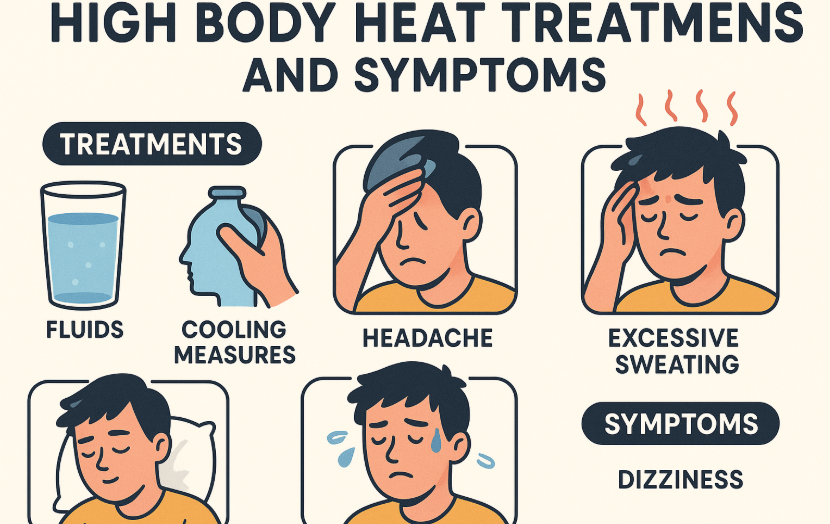
A sudden wave of heat combined with nausea usually involves your nervous system reacting to something. This reaction often happens faster than you can identify the trigger.
Your hypothalamus acts as your body’s internal thermostat. When it misfires or overreacts, it can trigger sudden warmth, sweating, and a queasy stomach all at once.
Adrenaline plays a major role too. When it surges, blood gets redirected toward your skin and muscles, which temporarily slows digestion and produces that nauseated feeling.
This combination of heat and nausea is your body’s stress response in action, even if you don’t consciously feel stressed at the moment it happens.
Understanding which specific system is responsible, whether hormonal, neurological, or digestive, makes it much easier to find an effective long-term solution rather than just reacting each time an episode occurs.
This is also why two people can describe the exact same symptoms yet end up with completely different diagnoses once a doctor looks closer at timing, triggers, and accompanying signs.
Hot flashes are a leading cause of sudden heat and nausea, especially in women going through perimenopause or menopause. They can strike with little warning.
During a hot flash, falling estrogen levels confuse the hypothalamus. This triggers a rapid cooling response, including sweating, flushing, and a faster heartbeat.
Because blood flow shifts away from the digestive system during this response, nausea often follows close behind the heat sensation.
Hot flashes typically last a few minutes and may happen several times a day or just occasionally, depending on the person.
Anxiety is another extremely common reason for sudden heat and nausea, and it can happen at any age, unlike menopause-related causes.
During a panic attack, your body releases a flood of adrenaline. This causes rapid heartbeat, sweating, flushing, and an upset stomach almost instantly.
Many people mistake this sensation for something more dangerous, like a heart attack, simply because the symptoms feel so intense and sudden.
Panic attacks usually peak within ten minutes and gradually ease afterward, though the nausea and warmth can linger a bit longer.
| Feature | Hot Flash | Panic Attack |
|---|---|---|
| Typical age group | 40s-50s (perimenopause/menopause) | Any age, often before 25 |
| Emotional state | Often calm beforehand | Sudden fear or dread |
| Sweating location | Face, neck, chest | Palms, underarms |
| Duration | A few minutes | Up to 10-20 minutes |
| Trigger pattern | Hormonal, random | Stress, specific triggers |
A sudden drop in blood sugar can cause heat, sweating, shakiness, and nausea within minutes. This is common after skipping meals or eating high-sugar foods.
When blood sugar falls too low, your body releases stress hormones to bring it back up. This surge causes the same heat-and-nausea combination seen in other causes.
This pattern often appears two to four hours after eating, particularly following a meal high in refined carbohydrates or sugar.
Eating a small snack with protein or complex carbs usually resolves these symptoms within fifteen to twenty minutes.
Even mild dehydration can throw off your body’s temperature regulation and trigger nausea. This is especially common in hot weather or after limited fluid intake.
Dehydration reduces blood volume, which makes it harder for your body to regulate temperature efficiently. This can produce sudden warmth alongside an upset stomach.
Symptoms often improve within thirty minutes to an hour after rehydrating with water or an electrolyte drink.
Chronic mild dehydration, even without obvious thirst, can make these episodes happen more frequently than people realize.
A vasovagal response happens when your nervous system overreacts to a trigger like pain, standing too long, or emotional stress. It can cause heat, nausea, and even fainting.
This reaction causes a sudden drop in heart rate and blood pressure. Reduced blood flow to the brain often produces lightheadedness alongside the heat and nausea.
Common triggers include the sight of blood, intense emotional moments, prolonged standing, or sudden pain.
Most vasovagal episodes resolve within a minute or two once you sit or lie down and allow blood flow to normalize.
| Cause | Typical Trigger | How Fast It Resolves |
|---|---|---|
| Hot flash | Hormonal fluctuation | A few minutes |
| Panic attack | Stress, fear, specific triggers | 10-20 minutes |
| Low blood sugar | Skipped meals, high sugar intake | 15-20 minutes after eating |
| Dehydration | Low fluid intake, heat | 30-60 minutes after rehydrating |
| Vasovagal response | Pain, standing, emotional stress | A minute or two after lying down |
| Migraine | Light, stress, hormonal shifts | Hours, sometimes a full day |
| Viral infection | Recent exposure to illness | A few days |
| Medication side effect | New or adjusted medication | Varies by drug |

Migraines often come with nausea before the headache pain even begins. Some people also report feeling unusually warm or flushed during this early phase.
This is sometimes called the prodrome phase, where subtle symptoms appear hours before the more recognizable migraine headache develops.
Light sensitivity, irritability, and food cravings often accompany this stage. Recognizing it early can help some people take preventive medication in time.
If hot, nauseous episodes are consistently followed by a headache, tracking this pattern can help confirm migraines as the underlying cause.
A developing viral infection can cause sudden warmth and nausea before other symptoms like fever or congestion become obvious.
Your immune system releases chemicals called cytokines when fighting off illness. These can affect your body’s temperature regulation and digestive comfort simultaneously.
This pattern often appears one to two days before more typical cold or flu symptoms show up clearly.
Resting, staying hydrated, and monitoring your temperature over the next 24 hours can help confirm whether an infection is brewing.
Certain medications list hot flashes and nausea as common side effects, particularly some antidepressants and hormone-related treatments.
Venlafaxine and similar medications are well known for causing this exact symptom combination, especially when starting or adjusting a dose.
If symptoms began shortly after starting a new medication, this timing is an important detail to share with your prescribing doctor.
Never stop a prescribed medication abruptly without medical guidance, even if you suspect it’s causing these symptoms.
Early pregnancy can cause sudden waves of nausea alongside feeling overheated, driven by rapidly rising hormone levels.
This is sometimes mistaken for morning sickness alone, but the heat sensation is also a recognized part of early pregnancy hormonal changes.
These symptoms typically ease as the body adjusts, usually by the end of the first trimester for most people.
A simple pregnancy test can help confirm or rule out this possibility if there’s any chance of pregnancy.
Many people experience hot flushes and nausea during their period, driven by the natural rise and fall of estrogen and progesterone.
These hormonal shifts can temporarily disrupt your body’s temperature regulation, leading to brief, unexpected waves of heat.
Nausea during menstruation is also common as the body adjusts to these same hormonal changes throughout the cycle.
Tracking your cycle alongside these symptoms can help confirm whether this pattern is hormonally driven.
Spicy foods can trigger a temporary heat sensation by stimulating receptors that also respond to actual temperature changes. Nausea sometimes follows if the spice level is intense.
Alcohol widens blood vessels near the skin’s surface, which can produce a flushed, warm feeling. It also irritates the stomach lining, contributing to nausea.
Food intolerances or mild food poisoning can cause a rapid combination of warmth, sweating, and nausea, often within an hour or two of eating.
Caffeine, especially in large amounts or on an empty stomach, can mimic an adrenaline surge, producing similar heat and stomach discomfort.
Identifying a specific food or drink that consistently precedes these episodes can make prevention much simpler going forward.
Keeping a simple food log for a week or two, noting exactly what you ate before each episode, often reveals patterns that aren’t obvious in the moment. This small effort can save significant guesswork later.

Hot, humid weather makes it harder for your body to cool itself through sweating, which can intensify any underlying tendency toward these symptoms.
People who are already prone to hot flashes or anxiety often notice their episodes become more frequent or intense during summer months.
Overheated rooms, heavy clothing, or sitting too close to a heat source can all act as triggers, even indoors.
Simple adjustments like dressing in layers, using a fan, or staying in cooler environments can meaningfully reduce how often these episodes happen.
Most causes of sudden heat and nausea are benign, but certain combinations of symptoms warrant immediate medical attention.
Chest pain, pressure, or tightness combined with nausea and sweating should never be ignored, especially in women, where heart attack symptoms can look different than expected.
Jaw pain, arm pain, or shortness of breath alongside these symptoms are additional warning signs that point toward needing emergency evaluation.
Fainting, confusion, or symptoms that don’t improve after twenty to thirty minutes are also reasons to seek care right away.
| Symptom Combination | Likely Routine | Seek Immediate Care |
|---|---|---|
| Brief heat wave, mild nausea, resolves quickly | Yes | No |
| Heat and nausea after skipping a meal | Yes | No |
| Chest pain, pressure, or tightness | No | Yes |
| Jaw, arm, or back pain with nausea | No | Yes |
| Fainting or confusion | No | Yes |
| Symptoms lasting over 30 minutes, worsening | No | Yes |
| Known anxiety trigger, familiar pattern | Yes | No |
| Shortness of breath with sweating | No | Yes |
Your gut and brain communicate constantly through what’s known as the gut-brain axis, which helps explain why emotional stress so often produces physical stomach symptoms.
When your brain perceives a threat, real or imagined, it sends signals that can slow digestion and increase stomach sensitivity almost immediately.
This is part of why anxiety-related nausea can feel so intensely physical, even when there’s no actual digestive problem causing it.
Calming this response often involves addressing the nervous system directly, through techniques like deep breathing, rather than only treating the stomach symptoms themselves.
Over time, chronic stress can make this gut-brain pathway more sensitive, meaning smaller triggers may produce the same heat-and-nausea response.
A doctor will typically start by carefully asking about timing, triggers, and any patterns you’ve noticed between episodes over recent weeks.
Blood tests can check blood sugar, thyroid function, and hormone levels, all of which can contribute to this symptom combination.
An EKG or heart monitor may be used if cardiac causes need to be ruled out, especially if chest symptoms were present.
Keeping a symptom diary, noting time of day, food intake, stress levels, and duration, can speed up the diagnostic process significantly.
Eating regular, balanced meals helps prevent blood sugar crashes that commonly trigger this symptom combination.
Staying consistently hydrated throughout the day, rather than only when thirsty, supports better temperature regulation overall.
Practicing slow breathing techniques during the onset of symptoms can help calm an anxiety-driven response before it escalates.
Identifying and avoiding personal triggers, whether they’re certain foods, stressful situations, or standing too long, can reduce how often episodes occur.
Cooling techniques, such as splashing cold water on your wrists or stepping into fresh air, can also help shorten an episode once it starts, regardless of the underlying cause.
Reducing caffeine and alcohol intake can lessen the frequency of both anxiety-related and hormone-related episodes for many people.
Regular, moderate exercise helps stabilize blood sugar and supports better overall stress regulation throughout the day.
Prioritizing consistent sleep helps regulate the hormones involved in temperature control and stress response.
Working with a doctor on any suspected hormonal, thyroid, or blood sugar imbalance can address the root cause rather than just the symptoms.

Your thyroid plays a central role in regulating body temperature and metabolism. An overactive thyroid, known as hyperthyroidism, can cause sudden feelings of heat.
This condition often comes with other symptoms like unexplained weight loss, a racing heart, and increased sweating throughout the day, not just during isolated episodes.
Nausea can accompany hyperthyroidism as the body’s metabolism runs faster than normal, placing extra strain on digestion.
A simple blood test measuring thyroid hormone levels can confirm or rule out this cause if episodes are frequent and unexplained.
Underactive thyroid, or hypothyroidism, is less commonly linked to heat sensations but can still contribute to general nausea and fatigue in some people.
Younger adults experiencing this symptom combination are statistically more likely to be dealing with anxiety, blood sugar issues, or dehydration rather than hormonal transition.
Women in their 40s and 50s are more likely to be experiencing perimenopause or menopause-related hot flashes, especially if periods have become irregular.
Older adults should be more cautious about ruling out cardiac causes, since heart-related symptoms become more common with age and can present subtly.
Regardless of age, a pattern that’s new, worsening, or significantly different from anything experienced before is always worth discussing with a doctor.
Note the exact time each episode starts and how long it lasts. This pattern can reveal whether meals, stress, or time of day are involved.
Record what you ate or drank in the hours beforehand, since blood sugar and dehydration triggers are easy to miss without this detail.
Pay attention to your emotional state right before symptoms begin. This can help distinguish anxiety-driven episodes from physical causes.
Bring this tracked information to your doctor’s appointment. It often shortens the path to an accurate diagnosis considerably, sometimes ruling out unnecessary tests altogether.
It’s often linked to anxiety, a blood sugar dip, or hormonal shifts. Tracking timing and triggers can help identify the cause.
Yes, anxiety and panic attacks commonly trigger sudden heat, sweating, and nausea through an adrenaline-driven stress response.
No, while common during perimenopause, this combination also occurs from blood sugar drops, anxiety, dehydration, and other causes at any age.
Most episodes resolve within a few minutes to twenty minutes, depending on the underlying cause.
If it happens two to four hours after eating, it may point to a blood sugar crash rather than something serious.
Yes, even mild dehydration disrupts temperature regulation and can trigger sudden warmth alongside nausea.
Go immediately if chest pain, jaw pain, shortness of breath, or fainting accompanies the heat and nausea.
Yes, some medications, including certain antidepressants, list this exact symptom combination as a known side effect.
Yes, hormonal changes in early pregnancy can cause sudden nausea along with feeling overheated.
Eating regularly, staying hydrated, managing stress, and identifying personal triggers all help reduce how often episodes occur.
Feeling suddenly hot and nauseous can be unsettling, but in the vast majority of cases, it traces back to something manageable, like a hormonal shift, a drop in blood sugar, anxiety, or mild dehydration.
Hot flashes and panic attacks share many overlapping symptoms, which is why tracking your age, emotional state, and timing can help clarify what’s actually happening.
Less common causes, like migraines, viral infections, and medication side effects, are also worth considering if episodes keep recurring. The most important thing is recognizing the warning signs that separate a routine episode from a medical emergency, particularly chest pain, jaw discomfort, or fainting.
If your symptoms are mild, brief, and tied to a recognizable pattern, simple lifestyle adjustments often help. If they’re severe, persistent, or paired with other concerning symptoms, don’t hesitate to get checked by a healthcare provider for peace of mind and an accurate diagnosis.
With the right tracking and a little patience, most people are able to identify their specific trigger and significantly reduce how often these uncomfortable episodes occur.