
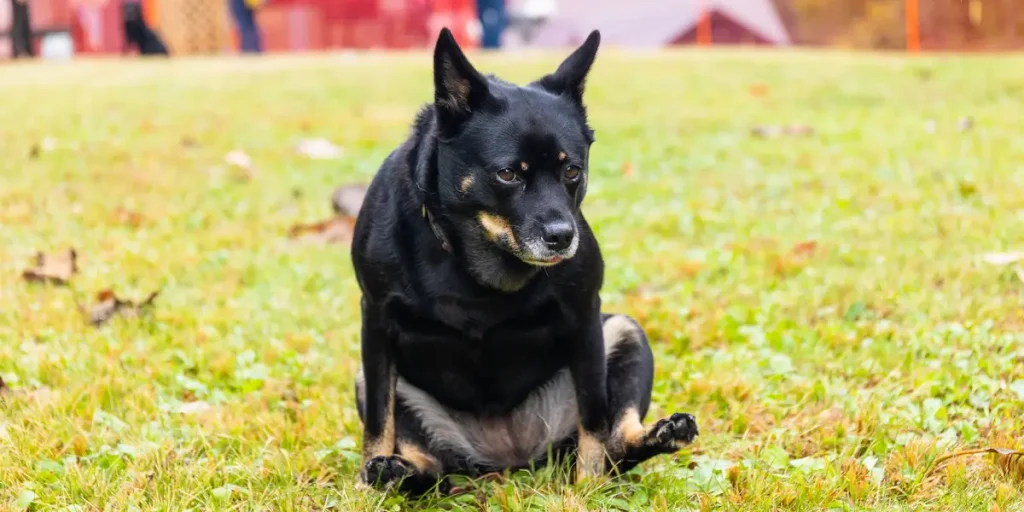
Why do dogs scoot their butts? In almost every case, it’s a sign of discomfort, not a funny party trick. Dogs drag their rear across the floor because something itches, hurts, or feels full back there, and scooting is one of the only ways they can self-soothe.
The most common cause is impacted anal glands, but parasites, allergies, infections, and even anxiety can all be behind it. Some causes clear up on their own, while others need a vet visit fast.
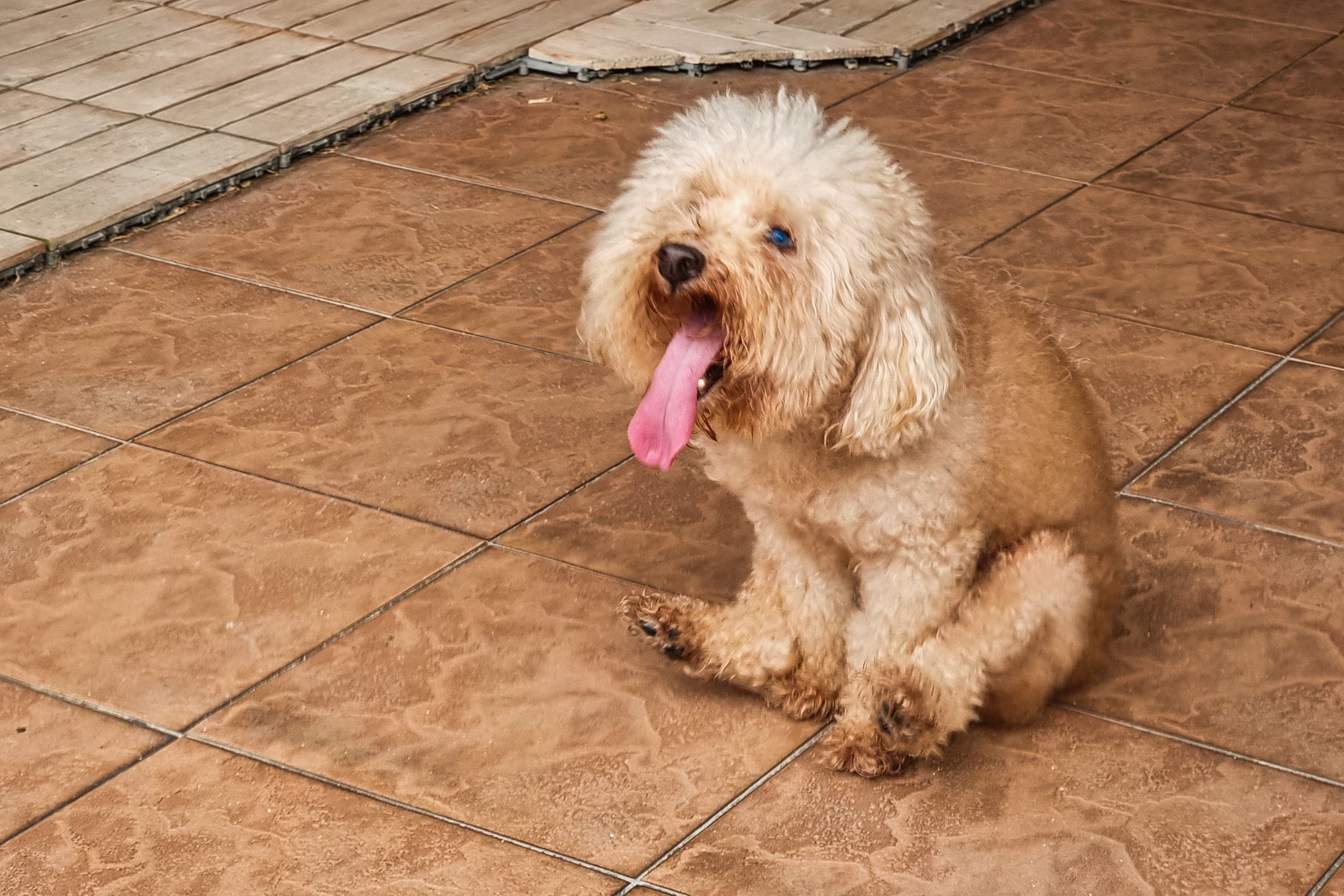
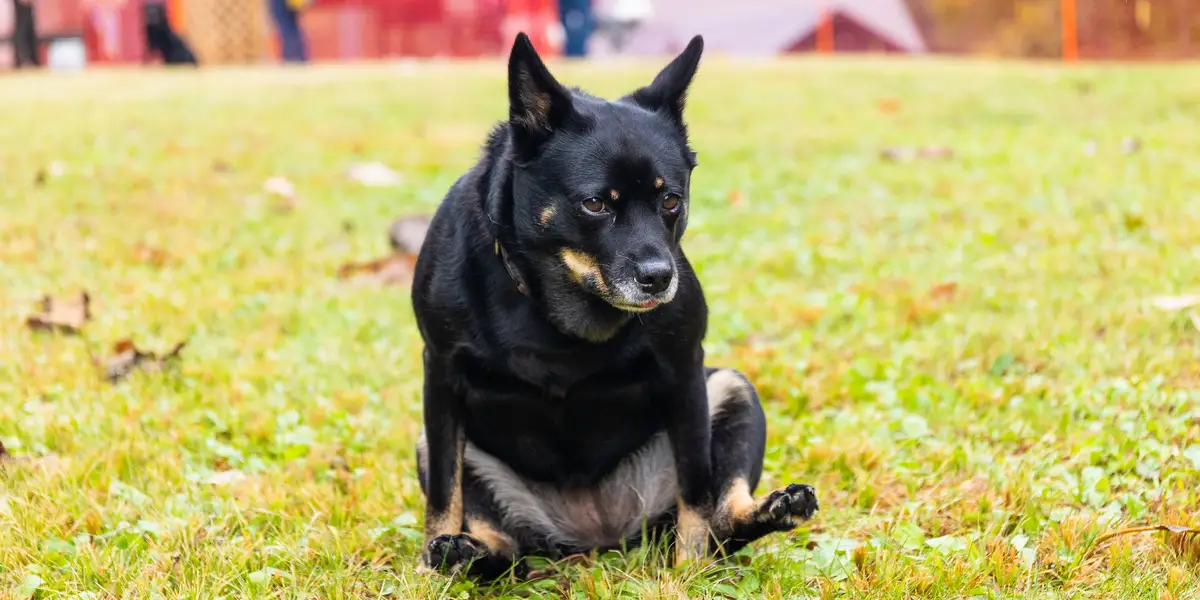
Scooting is when a dog drags its rear end across the floor, usually while sitting, to relieve an itch or pressure.
It’s an instinctive behavior, since dogs can’t reach their own backside with a paw the way humans can scratch an itch.
While it often looks comical, vets agree that scooting is almost always a signal that something needs attention.
Occasional scooting after a messy bowel movement is usually harmless, but frequent or repeated scooting points to a real underlying issue.
There isn’t just one reason dogs scoot, and pinning down the exact cause matters for proper treatment.
Here are the most common reasons, ranked from most to least frequent according to veterinary sources.
Dogs have two small scent glands on either side of the anus that normally empty during bowel movements.
When these glands don’t empty fully, they become impacted, building pressure that feels like a grape under the skin.
This is by far the most common cause of scooting, and small breeds are especially prone to it.
If impacted glands go untreated, bacteria can build up and cause an infection inside the sac.
An infected gland often becomes swollen, red, and may rupture, releasing bloody pus that’s frequently mistaken for rectal bleeding.
This requires prompt veterinary treatment, usually antibiotics or drainage, to prevent the infection from spreading.
Tapeworm segments exit through the rectum and look like small grains of rice around the anus or in the stool.
This causes intense itching as the segments move, prompting a dog to scoot to relieve the irritation.
Regular deworming and flea control are the best ways to prevent and treat this cause.
Giardia is a microscopic parasite that can’t be seen with the naked eye but still causes anal irritation and loose stool.
Diagnosis requires a fecal test at the vet’s office, since you won’t spot this one by looking.
Any dog with recurring scooting and unexplained diarrhea should be tested for parasites like Giardia.
Skin irritation is the number one symptom of food allergies in dogs, and the anal area is no exception.
Common culprits include certain proteins, grains, and additives found in standard commercial dog food.
An elimination diet under veterinary guidance is usually needed to identify the specific trigger.
Pollen, dust mites, and grass allergens can cause itching and inflammation anywhere on a dog’s body, including the rear end.
Dogs with environmental allergies often show other symptoms too, like paw licking, ear infections, or a general rash.
Managing environmental allergies typically involves antihistamines, medicated baths, or prescription allergy medication.
Bacterial or yeast infections around the anus cause burning and itching that triggers scooting behavior.
Female dogs in particular can develop yeast infections that mimic anal gland problems.
A vet exam with a skin swab usually confirms the diagnosis, followed by topical or oral antifungal treatment.
Small tears in the lining of the anus, called fissures, can be painful enough to cause scooting.
Dogs can also develop hemorrhoid-like swelling that leads to itching and discomfort in the same area.
These are less common than gland issues but still require veterinary evaluation to rule out other causes.
A UTI causes burning and itching during urination, which can lead to scooting near the anal and genital area.
This is a less common cause of scooting compared to anal gland issues, but it shouldn’t be ignored.
Vets typically diagnose a UTI with a simple urine test and treat it with a course of antibiotics.
Long-furred breeds like Rough Collies and Afghan Hounds are prone to fecal matter sticking to their fur after a bowel movement.
This buildup can dry into a hard clump that pulls on the skin and becomes irritating.
Trimming the fur around the rear end and wiping after bowel movements usually solves this quickly.
Clipper burns, nicks, or leftover shampoo and spray residue can all irritate the skin near a dog’s tail and rear.
If your dog scoots right after a grooming appointment, this is one of the first things to check.
Switching to a hypoallergenic, oatmeal-based shampoo often resolves grooming-related irritation.
Overweight dogs sometimes scoot without any other identifiable medical cause behind it.
Extra weight can make it harder for anal glands to express naturally during bowel movements.
Helping a dog reach a healthy weight often resolves this type of unexplained scooting entirely.
Some dogs develop scooting as a stress response or as a learned behavior that reliably gets your attention.
If a dog learns scooting makes you react, jump up, or laugh, the behavior can become a repeated habit.
Behavioral training and ignoring the behavior, while rewarding calmer actions, can help break this pattern over time.
In rare cases, part of the rectum can protrude through the anus, a condition called rectal prolapse.
Tumors around the anal glands are uncommon but possible, especially in older dogs with chronic gland issues.
Both conditions require immediate veterinary attention and are typically diagnosed through a physical exam and biopsy.
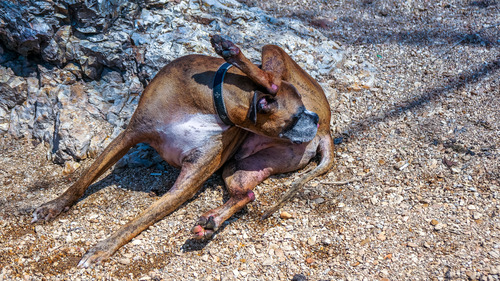
Understanding the anatomy behind scooting helps explain why it’s such a common issue in the first place.
Anal glands, also called anal sacs, are two small pouches just beneath the skin on either side of a dog’s anus.
They store a thick, oily, foul-smelling fluid that dogs historically used to mark territory and communicate with other animals.
Normally, the pressure of a firm bowel movement squeezes these sacs and empties them automatically, with no help needed.
Problems start when stool is too soft to create that pressure, or when the gland ducts themselves are narrow or blocked.
Over time, the unexpressed fluid thickens into a paste-like material that fills the sac and becomes uncomfortable, leading to scooting.
This is also why diet plays such a large role in both causing and preventing this entire category of problems.
Scooting can show up at any age, but the likely cause often shifts depending on how old your dog is.
Puppies that scoot are more likely to be dealing with intestinal parasites, since deworming protocols are still catching up in early life.
Check puppy stool and bedding for rice-like segments, and bring a fresh stool sample to your vet for a fecal test.
Adult and senior dogs are more likely to scoot due to impacted anal glands, allergies, or chronic gland disease that’s built up over time.
Older dogs with a long history of gland issues are also the most likely candidates for an eventual anal sacculectomy.
Regardless of age, any new or sudden scooting behavior is worth mentioning at your dog’s next checkup, even if it seems minor.
What happens after treatment matters just as much as the treatment itself for a smooth recovery.
After a routine gland expression, most dogs return to normal activity immediately, with no special aftercare required.
If glands were infected or abscessed, your vet may send you home with antibiotics and instructions to keep the area clean and dry.
Following an anal sacculectomy, dogs typically wear an e-collar for one to two weeks to prevent licking at the incision site.
Mild, temporary changes in bowel control are possible after surgery, though permanent fecal incontinence is rare with an experienced surgeon.
Stick closely to any follow-up appointments, since catching complications early makes recovery faster and far more comfortable for your dog.
Both male and female dogs scoot for the same core reasons, but a few causes lean more heavily toward one sex.
Female dogs are more prone to scooting from UTIs, vaginal infections, or yeast infections that irritate the area near the anus.
If a female dog is scooting alongside frequent urination or licking at the genital area, mention this specifically to your vet.
Male dogs don’t face these particular risks but are just as susceptible to anal gland impaction, allergies, and parasites.
Neither sex is inherently more prone to scooting overall; the difference mainly shows up in which secondary causes are worth ruling out first.
Scooting tends to spike at certain times of year, which can help you anticipate and prevent flare-ups.
Spring and summer bring higher flea activity, which increases the risk of tapeworm infections and related scooting episodes.
Allergy season, often spring through fall depending on your region, can also trigger environmental allergy-related itching and scooting.
Holiday seasons with richer table scraps or new treats can upset digestion, leading to softer stool and temporary gland impaction.
Staying consistent with parasite prevention and diet, even during these higher-risk windows, helps keep scooting episodes to a minimum year-round.
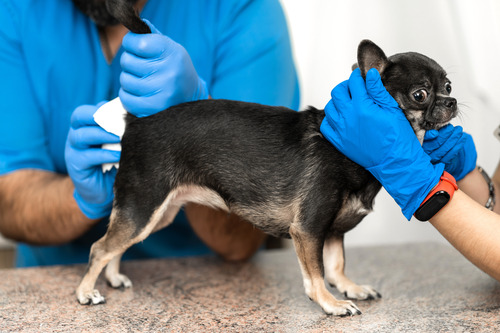
Some breeds are simply more likely to deal with scooting issues than others, mostly due to body shape and anal gland size.
| Breed Type | Why They’re Prone | Examples |
|---|---|---|
| Small breeds | Smaller anal gland ducts impact more easily | Chihuahua, Dachshund, Toy Poodle |
| Stocky/short-bodied breeds | Skin folds trap moisture and bacteria | Bulldog, Pug, French Bulldog |
| Long-furred breeds | Fecal matter clumps in fur | Rough Collie, Afghan Hound |
| Overweight dogs (any breed) | Extra weight blocks natural gland expression | Any breed carrying excess weight |
Not every scoot needs an emergency vet visit, but certain signs mean you shouldn’t wait.
A vet visit for scooting usually starts with a simple visual and physical exam of the anal area.
Your vet will check for swelling, discharge, and manually assess whether the anal glands feel full or impacted.
A fecal flotation test can check for tapeworms, roundworms, or Giardia even if you don’t see visible worms.
If allergies are suspected, your vet may recommend a food trial or skin testing to pinpoint the trigger.
Blood work or imaging may be ordered if a tumor, fistula, or internal issue is suspected in older or chronic cases.
Treatment depends entirely on the underlying cause, so a proper diagnosis always comes first.
| Cause | Common Treatment |
|---|---|
| Impacted anal glands | Manual gland expression by a vet or groomer |
| Infected or abscessed glands | Antibiotics, drainage, sometimes minor surgery |
| Tapeworms or roundworms | Prescription dewormer and flea control |
| Giardia | Specific antiparasitic medication |
| Food allergies | Elimination diet, novel protein or hydrolyzed diet |
| Environmental allergies | Antihistamines, medicated baths, allergy medication |
| Skin infections | Topical or oral antibiotic/antifungal treatment |
| Chronic recurring gland issues | Anal sacculectomy (surgical gland removal) |
Most cases of scooting can be reduced significantly with a few simple home habits.
Some scooting situations call for same-day veterinary attention rather than a wait-and-see approach.
If you notice blood, pus, a ruptured abscess, or signs of severe pain, contact your vet right away.
A dog that’s scooting constantly while also showing lethargy, vomiting, or loss of appetite needs prompt evaluation.
When in doubt, a quick call to your veterinarian’s office can help you decide whether it’s urgent or can wait for a regular appointment.
Costs vary widely depending on the cause and whether complications like infection or surgery are involved.
| Treatment | Estimated Cost |
|---|---|
| Anal gland expression (groomer) | $7–$20 |
| Anal gland expression (vet, with exam) | $25–$100 |
| Infected or abscessed gland treatment | $100–$800 |
| Deworming medication | $20–$60 |
| Skin infection treatment | Around $435 average |
| Anal sacculectomy (one gland) | $1,000–$2,000 |
| Anal sacculectomy (both glands) | $1,600–$3,500 |
A few myths about scooting circulate widely among pet owners, and it’s worth clearing them up.
Myth: Scooting always means worms. In reality, worms are just one of more than a dozen possible causes.
Myth: Scooting once means something is seriously wrong. A single scoot after a messy bowel movement is usually harmless.
Myth: Only small dogs scoot. Any breed, size, or age of dog can scoot, though small and stocky breeds are more prone.
Myth: You should express the glands yourself at home. Most vets recommend leaving this to a trained professional to avoid injury or incomplete expression.
Clearing up these myths matters, since chasing the wrong cause (like assuming worms every time) can delay treatment for the real problem.
Scooting is usually caused by full or impacted anal glands, parasites, allergies, or skin irritation.
It’s a dog’s instinctive way of relieving itching or pressure they can’t reach with their paws.
No, worms are only one of many possible causes.
Impacted anal glands are actually the most common reason dogs scoot.
It varies by dog, with some needing it every 4–6 weeks and others rarely needing it at all.
Small and overweight breeds tend to need more frequent expression.
It’s possible, but most vets recommend leaving it to a professional.
Incorrect technique can cause injury or fail to fully empty the glands.
A strong fishy odor usually means the anal glands are full or leaking fluid.
It’s one of the earliest signs of impaction, even before scooting starts.
See a vet if scooting happens frequently, or if you notice blood, pus, swelling, or a foul odor.
These signs can indicate infection, abscess, or another serious issue.
Yes, a high-fiber diet helps produce firmer stool that naturally expresses the anal glands.
Adding pumpkin or sweet potato is a simple, vet-approved way to boost fiber intake.
Yes, small breeds like Chihuahuas and Dachshunds are more prone due to smaller gland ducts.
Stocky breeds like Bulldogs and long-furred breeds are also commonly affected.
No, scooting can also be caused by allergies, UTIs, skin infections, or even anxiety.
A vet exam is the best way to identify the exact cause.
Basic gland expression costs $7–$100, while infections can run $100–$800.
Surgical removal (anal sacculectomy) typically costs $1,000–$3,500 depending on complexity.
So, why do dogs scoot their butts? In most cases, it comes down to full or impacted anal glands, though parasites, allergies, infections, and even anxiety can all be behind the behavior.
Occasional scooting after a messy bowel movement usually isn’t a concern, but frequent scooting, foul odor, swelling, or blood near the rear end are signs that warrant a prompt veterinary visit.
The good news is that most causes are easy to treat once properly diagnosed, ranging from a simple gland expression to a short course of antibiotics or dewormer. A high-fiber diet, healthy weight, and regular vet checkups go a long way toward preventing repeat episodes.
If your dog starts scooting more than once or twice, don’t brush it off as funny; book a vet visit to keep them comfortable and healthy in 2026 and beyond. A few minutes at the vet now can save your dog weeks of discomfort and save you a much larger bill down the road.