
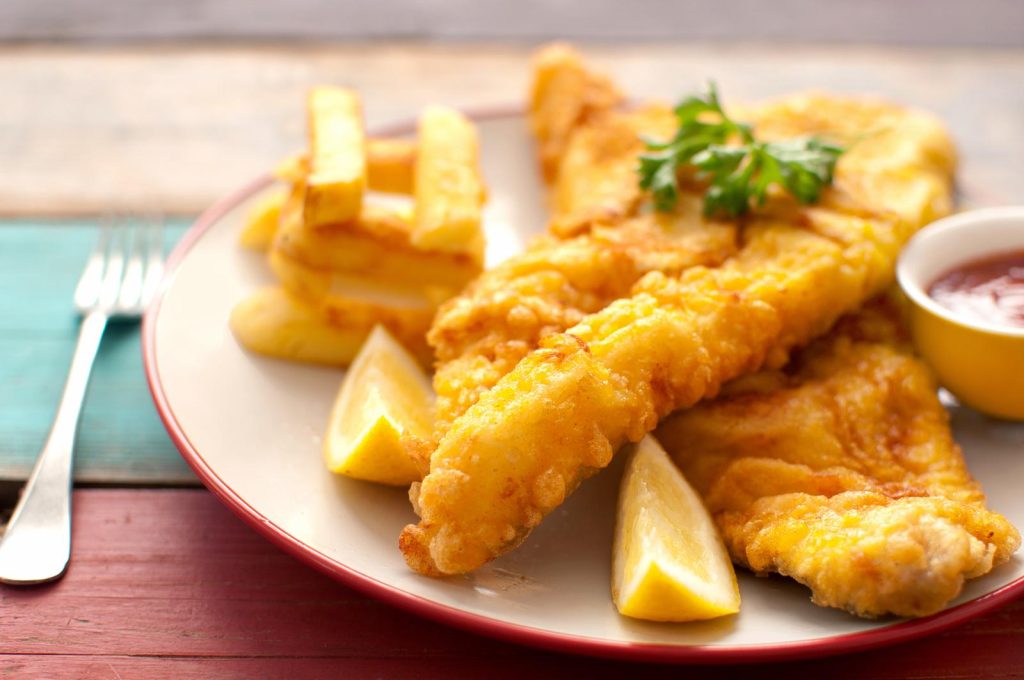
Why do Catholics eat fish on Friday is one of the most searched religious questions every Lent season.
Millions of Catholics around the world skip meat on Fridays and reach for fish instead — but many people, even lifelong Catholics, do not fully understand why.
The answer goes much deeper than a simple church rule. It connects to the death of Jesus Christ, ancient Christian tradition, biblical symbolism, and Canon Law.
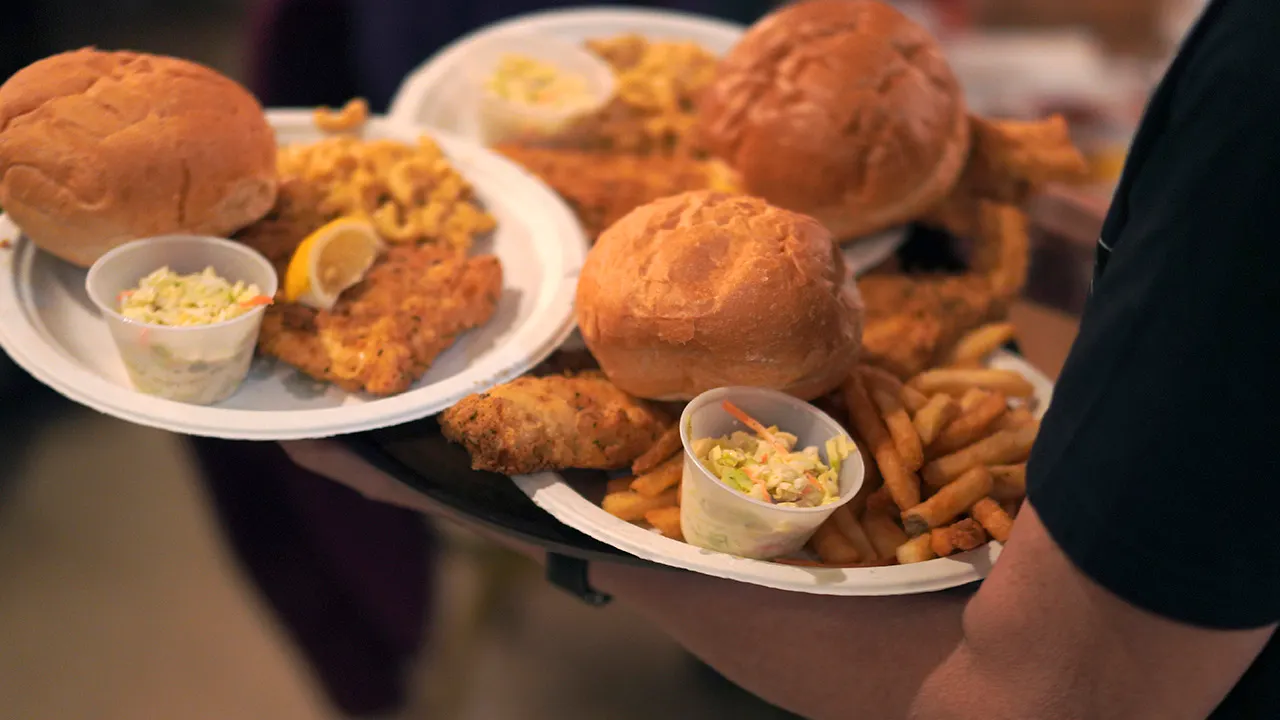
Catholics do not actually have to eat fish. The rule is to abstain from meat — fish just happens to be the most popular substitute.
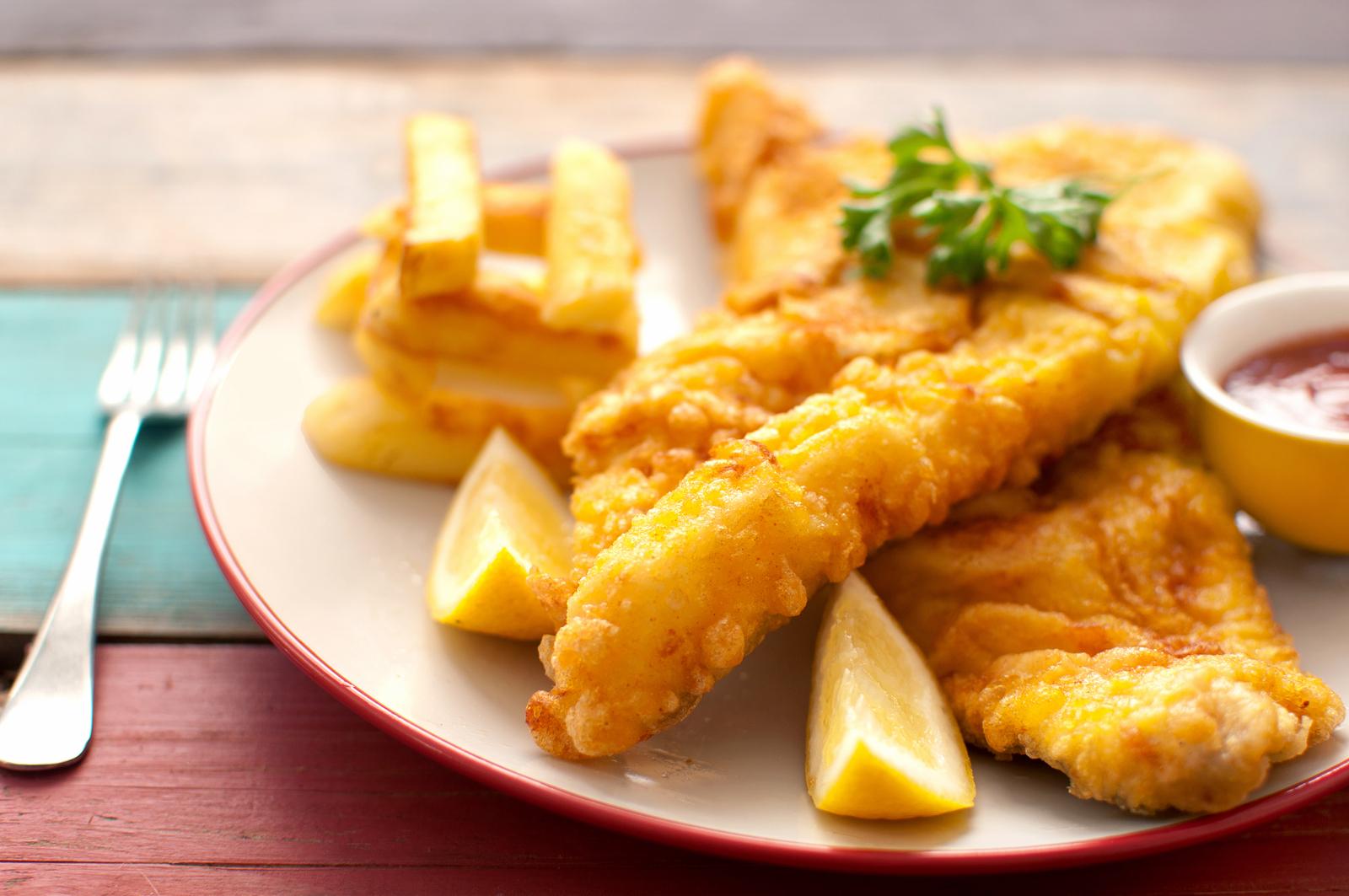
Every Friday, especially during Lent, the Catholic Church requires its followers to avoid eating the flesh of warm-blooded land animals. This includes beef, pork, chicken, and lamb. Fish and other seafood are cold-blooded and fall outside the Church’s definition of “meat,” so they became the natural go-to option.
The real question is: why no meat on Fridays at all?
Friday holds a central place in Christian faith because it is the day Jesus Christ was crucified and died on the Cross.
From the earliest centuries of Christianity — as far back as the first and second century AD — believers marked Fridays with fasting and sacrifice. Skipping meat was a way to share in the suffering of Christ. It was a physical reminder, felt at every meal, that something sacred happened on this day.
This practice did not start in the Middle Ages. It did not come from a pope’s business deal. It began with the Apostles and the early Church.
The Catholic Church’s official position is written in Canon Law, specifically Canon 1251.
| Canon | Rule |
|---|---|
| Canon 1251 | Abstinence from meat required on all Fridays of Lent and Ash Wednesday |
| Canon 1252 | Applies to all Latin-rite Catholics age 14 and older |
| Outside Lent | Friday remains a day of penance; bishops may allow substitutions |
In the United States, the bishops allow Catholics outside of Lent to substitute another act of penance on Fridays — such as prayer, charity, or giving something else up. But during Lent, abstaining from meat is mandatory for anyone age 14 and over.
Technically, Catholics can eat anything meatless on Fridays — pizza, soup, eggs, salad, or beans. Fish was never required.
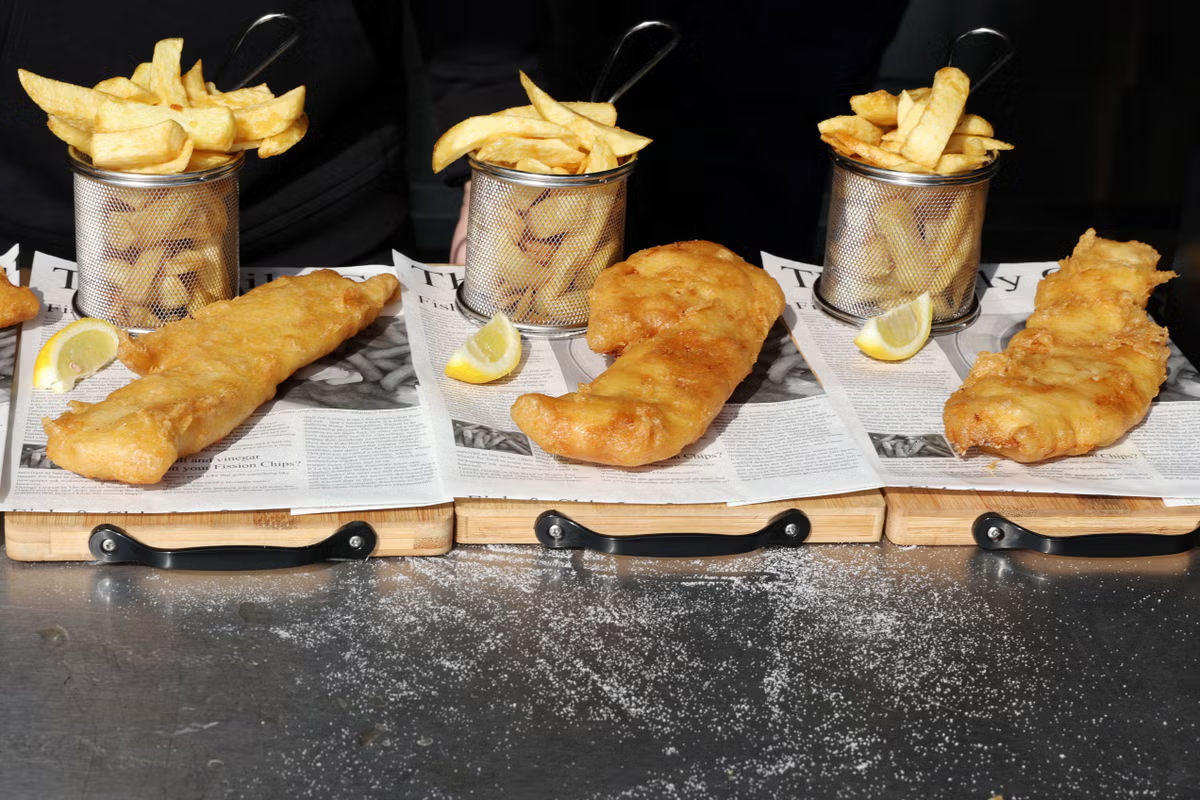
But fish became the dominant substitute for two practical reasons. First, fish was historically the food of common people. In the ancient world, meat from warm-blooded animals was the food of celebration and wealth. Fish was humble, ordinary, and cheap — exactly the right spirit for a day of penance.
Second, fish carries enormous Christian symbolism, which made it a spiritually fitting choice.
The fish symbol is one of the oldest signs in all of Christianity.
The Greek word for fish is ichthys (ΙΧΘΥΣ), and it forms an acronym that summarizes Christian faith:
| Greek Letter | Word | English Meaning |
|---|---|---|
| Ι | Iesous | Jesus |
| Χ | Christos | Christ |
| Θ | Theou | of God |
| Υ | Yios | Son |
| Σ | Soter | Savior |
Early Christians used the fish symbol in the catacombs as a secret identifier during times of persecution. Choosing fish on Fridays connects the dinner table directly to the earliest Christian identity.
Fish appears throughout the Gospels in direct connection with Jesus and his ministry.
Jesus called his first apostles — Peter, Andrew, James, and John — while they were fishermen. He told them they would become “fishers of men.” He miraculously fed 5,000 people with just five loaves of bread and two fish. After his Resurrection, he ate grilled fish with his disciples on the shore of the Sea of Galilee.
Fish is not a random food choice in Christian tradition. It is woven into the story of Jesus from beginning to end.
This is where theology meets biology, and it confuses a lot of people.
The original Latin term in Canon Law uses the word carnis, which traditionally refers to the flesh of warm-blooded animals — mammals and birds that walk on land. Fish and other seafood are cold-blooded creatures that live in water, so they were never included in this definition.
This distinction has been consistent across centuries of Church teaching. Shellfish — shrimp, crab, lobster, clams, oysters — are also permitted on Fridays for the same reason. They are not classified as meat under Canon Law.
The tradition of Friday abstinence is nearly 2,000 years old, but it evolved over time.
In the very early Church, some communities abstained from all animal products on fast days — not just meat. Fish was not always permitted. This stricter practice gradually relaxed over the centuries as the Church’s understanding of penance developed.
By the Middle Ages, abstaining specifically from the flesh of warm-blooded animals on Fridays and during Lent was a well-established universal practice. Medieval monasteries even developed fish ponds and new techniques for fish farming specifically to meet Friday demand.
One historian, Professor Brian Fagan, has argued that the Friday fish tradition may have indirectly contributed to the discovery of the New World — pushing Atlantic fishermen further west in search of better waters, laying navigational groundwork for Christopher Columbus.
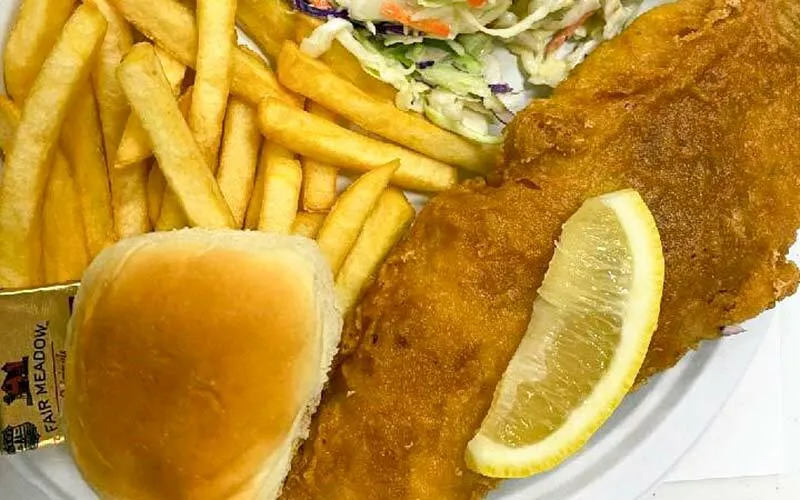
The Friday fish fry is a uniquely American Catholic institution, and it has a specific origin story.
Catholic immigrants — particularly German and Eastern European communities — brought the practice of communal Friday fish meals with them when they arrived in the United States. Parishes began hosting fish fry events during Lent as a way to bring communities together while observing the Friday rule.
Today the tradition is massive. McDonald’s Filet-O-Fish sandwich was created specifically because a Cincinnati franchise owner noticed a huge drop in sales on Fridays in Catholic neighborhoods. Of the roughly 300 million Filet-O-Fish sandwiches sold annually, about 25% are sold during the 40 days of Lent.
The Friday fish fry is now as American as baseball — a cultural institution that began with a religious obligation.
This is one of the most commonly misunderstood points.
| Period | Rule |
|---|---|
| All Fridays of Lent | Mandatory abstinence from meat (age 14+) |
| Ash Wednesday | Abstinence + fasting (age 18–59) |
| Good Friday | Abstinence + fasting, never dispensed |
| Fridays outside Lent | Penance required; US bishops allow substitutions |
| If a Solemnity falls on Friday | Abstinence may be lifted (except Good Friday) |
The Church’s official position is that every Friday of the year is a day of penance. During Lent, meat abstinence is the required form. Outside Lent in many countries, Catholics have the flexibility to substitute another penitential act — but the obligation to mark Friday as different does not go away.
A popular story claims a medieval pope secretly made a deal with fishermen to create the Friday abstinence rule in order to boost the fishing industry.
This is historically false and has been thoroughly debunked by scholars. No credible historical evidence supports this claim, and the alleged pope’s name changes every time the story is told — a reliable sign of legend, not history.
The truth is exactly the opposite. It was the already-existing Friday abstinence practice that helped create and expand the medieval fishing industry — not the other way around. Demand driven by religious observance shaped markets, not corruption.
Beyond history and law, the Friday fish tradition carries real spiritual meaning for practicing Catholics.
Meat in the ancient world was the food of feasts and celebration. Choosing not to eat it on Friday was a deliberate act of not celebrating on the day Christ died. It was a way to let the table reflect the Cross. A simple meal of fish instead of a feast of meat was a small, physical act of solidarity with the suffering of Jesus.
That is why the invitation extends beyond Lent. Every Friday, the Church invites Catholics to make the day mean something — to step out of ordinary life, even just for one meal, and remember what happened on a Friday two thousand years ago.
Not everyone is bound by the same rules.
Children under the age of 14 are not required to abstain from meat. Fasting rules (which are stricter than abstinence) apply only between the ages of 18 and 59. People who cannot abstain from meat for medical reasons may be dispensed from the requirement.
The rule applies to Latin-rite Catholics. Eastern Catholic churches have their own fasting disciplines, which may differ significantly from the Latin tradition.
The Second Vatican Council in the 1960s introduced more flexibility into Friday penance, particularly outside of Lent.
Pope Paul VI, in 1966, encouraged that fasting and abstinence be adapted to local economic conditions. The U.S. Bishops’ Conference responded by allowing Catholics to substitute another form of penance on non-Lenten Fridays. Many Catholics chose to continue the meat abstinence anyway as a matter of personal devotion and cultural identity.
During Lent itself, the rules remain firm: no meat on Fridays, period.
To bring it all together clearly:
| Reason | Explanation |
|---|---|
| Jesus died on a Friday | Friday is a day of sacrifice, not celebration |
| Meat = feast food | Abstaining from meat = not feasting on a day of penance |
| Fish is not “meat” in Canon Law | Cold-blooded animals are exempt from the abstinence rule |
| Fish carries Christian symbolism | ICHTHYS symbol, biblical stories, apostles as fishermen |
| Ancient church tradition | Practice dates to the 1st and 2nd century AD |
| Canon 1251 | The legal mandate for Lenten Friday abstinence |
Catholics are not required to eat fish. They are required to abstain from meat. Fish simply became the most practical, most symbolically appropriate, and most culturally embedded substitute over 2,000 years of tradition.
The rule is abstinence from meat, not a full fast. Fasting (limiting food entirely) is required only on Ash Wednesday and Good Friday for adults ages 18–59. Meat abstinence applies on all Lenten Fridays.
Eating meat on a Lenten Friday without a valid reason is considered a sin under Church law. If you genuinely forgot or were in unusual circumstances, most moral theologians say the culpability is reduced.
Yes, all shellfish and seafood are permitted. Canon Law defines meat as the flesh of warm-blooded land animals and birds, so cold-blooded seafood of any kind is allowed.
No. This is a historically debunked myth. The Friday abstinence tradition began with the early Church in the first and second centuries, long before any alleged medieval fishing deal.
Every Friday is technically a day of penance. During Lent, meat abstinence is mandatory. Outside of Lent, US bishops allow Catholics to substitute another act of penance for the meat fast.
Canon Law (Canon 1252) requires abstinence from meat starting at age 14. There is no upper age limit, though medical exemptions may apply.
The original Latin Canon Law uses the word carnis, which refers to warm-blooded land animals. Fish are cold-blooded water creatures and were never included in that definition historically.
If a major feast day (solemnity) falls on a Friday, the abstinence obligation can be lifted for that day in most cases. Good Friday is the one exception — it is never dispensed.
Yes. The abstinence rule only prohibits the flesh of warm-blooded animals. Eggs, dairy products, fish, and plant-based foods are all permitted on Lenten Fridays.
The fish fry is a cultural tradition rooted in the Church’s abstinence rule, not a liturgical requirement. It became widespread in America through Catholic immigrant communities and remains one of the most recognized Catholic cultural practices in the United States.
Why do Catholics eat fish on Friday comes down to one foundational truth: Friday is the day Jesus died, and the Catholic Church has always marked it as a day of penance.
The meat abstinence rule goes back nearly 2,000 years, rooted in Canon Law, early Christian practice, and the biblical symbolism of the fish.
Catholics do not eat fish because they are required to — they eat it because it is the most natural, humble, and symbolically rich substitute for meat on a day meant for reflection, not feasting.
From the ICHTHYS symbol of the catacombs to the parish fish fry of modern America, the tradition has stayed alive because it connects a simple meal to the deepest moment in Christian faith.
Every time a Catholic chooses fish on Friday, they are participating in an unbroken chain of practice stretching back to the Apostles themselves.