
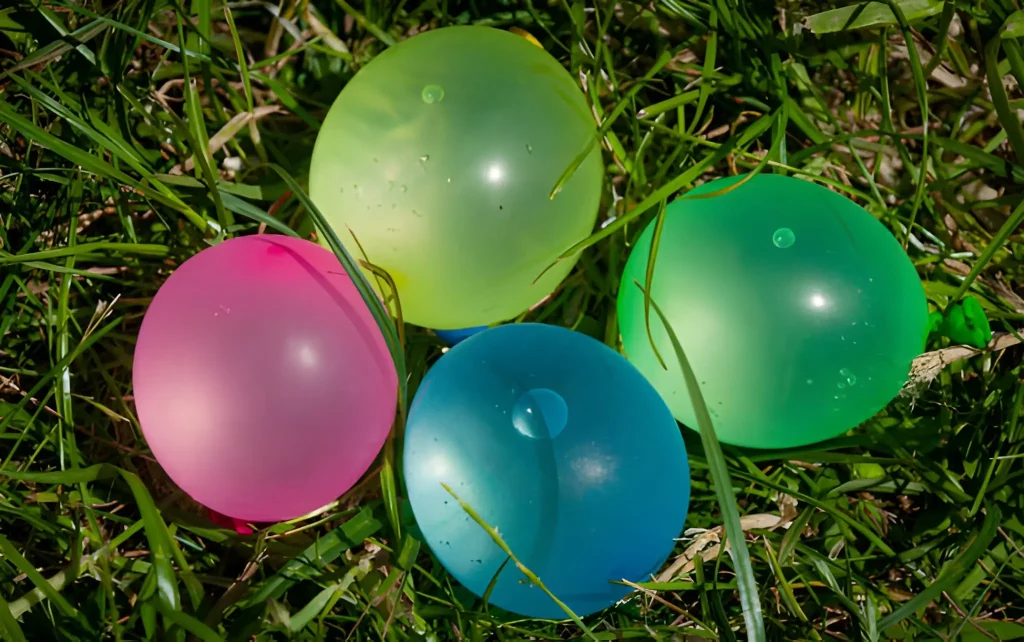
Why do balloons pop when they touch grass is a question that has confused party planners, parents, and curious kids for generations.
You blow up a beautiful bunch of balloons, set them down on the lawn for a moment, and suddenly, pop, pop, pop, one after another bursts seemingly out of nowhere.
It feels random, but there’s real science behind it. The answer involves a mix of sharp microscopic textures, built-up pressure, friction, heat, and the physical limits of stretched latex.

Before understanding why grass causes balloons to pop, it helps to understand what’s actually happening inside an inflated balloon.
When you inflate a balloon, you’re stretching a thin material, usually latex, foil, or vinyl, to many times its original size, creating constant tension across its surface.
An inflated balloon holds air or helium at a higher pressure than the air outside it, and this pressure difference is what gives the balloon its shape and firmness.
As a balloon stretches, its walls become extremely thin, sometimes just a fraction of a millimeter, which means even a tiny external force can break through.
When the balloon’s surface is punctured, all that pressurized air escapes almost instantly, creating the loud bang most people associate with a popped balloon.
Grass might look soft and harmless from a distance, but its structure tells a different story up close.
Many types of grass have pointed, slightly stiff tips that, while not razor-sharp, are firm enough to puncture a thin, overstretched balloon surface.
Lawns often contain small sticks, dried leaves, seed heads, thorns, or pebbles hidden beneath the visible grass blades, any of which can be sharp enough to cause a pop.
Unlike a smooth floor or table, grass creates an uneven surface with countless tiny points of contact, increasing the chances that one of them will be sharp enough to break through.
Because the sharp object causing the pop is often microscopic or hidden from standing height, it can feel like the balloon popped “for no reason.”
Pressure is one of the most important factors in why balloons burst, and it works alongside the physical texture of grass.
Thin latex balloons can burst with as little as around 0.07 psi of additional pressure, while thicker vinyl balloons can withstand pressures up to 35 psi before bursting.
Because the balloon’s material is under so much tension, even a tiny puncture allows pressure to escape rapidly, causing the entire balloon to deflate or burst almost instantly.
A balloon that’s been inflated close to its maximum capacity has even thinner walls and higher internal pressure, making it far more likely to pop on contact with grass.
Friction might not seem obvious at first, but it plays a real role in weakening balloons before they ever touch something sharp.
When a balloon rubs against grass, even gently, the contact generates a small amount of friction-based heat at the point of contact.
As the balloon’s surface drags across the rough, uneven texture of grass blades, it slowly wears down the latex at that contact point.
A light breeze can cause a balloon to bob and shift slightly against the grass repeatedly, increasing the cumulative friction over time until a small tear forms.
Temperature plays a much bigger role in balloon pops than most people realize, especially outdoors.
According to basic physics, gases expand when they’re heated, which means the air or helium inside a balloon expands as the balloon warms up in the sun.
A balloon inflated in a cool, air-conditioned room will experience increased internal pressure once it’s taken outside into warmer temperatures, stretching its walls even tighter.
Beyond just heating the gas inside, direct sunlight can also degrade the latex material itself, making it more brittle and prone to tearing.
When a balloon is already stretched tighter due to heat and then comes into contact with the rough texture of grass, the combination dramatically increases the chance of a pop.
Not all balloons react the same way when they touch grass, and the material makes a big difference.
Latex balloons are soft, stretchy, and affordable, but they’re also the most likely to pop on contact with grass, especially in hot or sunny conditions.
Foil balloons hold their shape better and resist punctures more effectively than latex, though they can still pop if they touch sharp grass or hidden debris.
Vinyl balloons are thicker and more durable, making them a popular choice for outdoor displays, arches, and events that need to last all day.
Even among balloons made from the same material, cheaper versions tend to have thinner walls and pop more easily compared to higher-quality balloons.

The type of gas inside a balloon can also influence how it behaves outdoors.
Because helium balloons float, they’re more likely to drift around in the wind, increasing repeated contact with grass and other surfaces.
Air-filled balloons, which sit lower and don’t float, tend to have more stable, predictable contact with the ground, sometimes making them slightly more durable outdoors.
Helium molecules are smaller than air molecules, which means helium can escape through tiny pores in latex more easily, sometimes contributing to faster deterioration.
Here’s a simple comparison of how different balloon types typically hold up when placed on grass.
| Balloon Type | Durability on Grass | Best Use Case |
|---|---|---|
| Latex | Low, pops easily in heat or on sharp grass | Indoor decor, short outdoor use |
| Foil/Mylar | Medium, resistant but not puncture-proof | Mixed indoor/outdoor displays |
| Vinyl | High, strong and long-lasting | Large outdoor arches and sculptures |
One of the most frustrating parts of this phenomenon is how unpredictable it seems.
A pop usually isn’t caused by just one thing, it’s often a combination of heat, pressure, friction, and a tiny sharp point all lining up at the same moment.
Because the exact combination of risk factors varies from spot to spot, some balloons can sit safely on grass for hours while others pop almost immediately.
Since the sharp object causing a pop is often invisible from standing height, there’s no reliable way to visually predict which balloons will pop and which won’t.
A few misconceptions about this topic are worth clearing up.
Not all grass types are the same, some varieties have softer, rounder blade tips that are far less likely to cause punctures than coarser, drier grass.
While static electricity can occasionally play a small role in balloon behavior, it’s not the primary reason balloons pop specifically when touching grass.
Even brand-new, properly inflated balloons can pop on grass if they encounter a sharp point or experience enough heat-related pressure buildup.
Helium balloons can actually be more prone to drifting into grass repeatedly due to floating, which can increase exposure to friction and sharp debris.
If you’re planning an outdoor event, a few simple precautions can make a big difference.
Placing balloons on tables, tablecloths, or smooth flooring instead of directly on grass significantly reduces the risk of punctures.
A simple tablecloth or mat laid over grass creates a barrier between the balloon and any sharp blades or debris underneath.
Inflating balloons to about 80-90% of their maximum size leaves a little extra give in the material, reducing tension and lowering the risk of bursting.
Vinyl or high-quality foil balloons are generally a safer choice for outdoor displays that need to last for several hours.
Positioning balloons in shaded areas can help prevent the internal pressure buildup caused by heat expansion.
Trimming grass and checking for hidden sticks, thorns, or debris before placing balloons can remove many of the hidden hazards.
The loud noise a balloon makes when it bursts is itself a small physics lesson.
When the balloon’s surface fails, the pressurized air inside escapes almost instantly, creating a rapid pressure wave that we hear as a sharp bang.
The faster the material tears, the more abrupt the pressure release, which is why a sudden puncture from grass often produces a sharper sound than a slow leak.
Larger balloons and thinner materials tend to produce louder pops due to the greater volume of pressurized air being released at once.
This seemingly simple question has become a surprisingly popular search and social media topic.
Almost everyone has experienced a balloon popping unexpectedly outdoors, making this a highly relatable topic that people naturally search for answers to.
The idea that something as soft-looking as grass can cause a balloon to pop taps into a broader curiosity about hidden science in everyday objects.
Beyond curiosity, this topic is genuinely useful for anyone planning birthday parties, weddings, or outdoor events involving balloon decor.
For a fast summary, here’s a simple breakdown of the core reasons covered in this guide.
| Reason | Brief Explanation |
|---|---|
| Sharp grass tips | Pointed blade tips can puncture stretched latex |
| Hidden debris | Sticks, thorns, and seed heads hide beneath grass |
| Internal pressure | Stretched balloons need very little extra force to burst |
| Friction | Rubbing against grass weakens latex over time |
| Heat and sunlight | Causes gas expansion and material degradation |
| Over-inflation | Thinner walls and higher pressure increase pop risk |
A few last practical reminders can help your balloons survive an outdoor event.
Before setting out a large batch, place a few balloons on the grass area you plan to use and observe how they hold up over a short period.
Since some popping is often unavoidable outdoors, having a few extra inflated balloons ready can save you from last-minute scrambling.
Using a combination of shaded placement, smoother surfaces, and durable balloon materials together offers the best overall protection.
Understanding the actual material science behind latex helps explain its unique vulnerabilities outdoors.
Latex balloons are made from natural rubber, a polymer derived from the sap of rubber trees, which gives the material its stretchy, elastic properties.
When a balloon is inflated, the long polymer chains in the latex straighten out and align, creating tension that holds the balloon’s shape but also makes the material thinner.
Exposure to UV light and heat breaks down the chemical bonds within latex over time, a process called degradation, which makes the material weaker and more prone to tearing.
Even without direct sunlight, latex slowly reacts with oxygen in the air, gradually becoming less elastic and more fragile the longer a balloon stays inflated.
Not all lawns are created equal, and the type of grass can directly affect balloon safety.
Some grass species, like certain ornamental or wild grasses, naturally grow with stiffer, more pointed blades than common lawn varieties like Kentucky bluegrass or ryegrass.
Dry grass tends to become stiffer and more brittle, while freshly watered or healthy grass is often softer and more flexible, potentially reducing puncture risk.
During certain seasons, grass can produce seed heads or dry out more quickly, both of which can introduce additional sharp points into a lawn that weren’t there earlier in the year.
Recently mowed grass can sometimes leave behind sharper, freshly cut blade edges, which may actually increase puncture risk immediately after cutting.
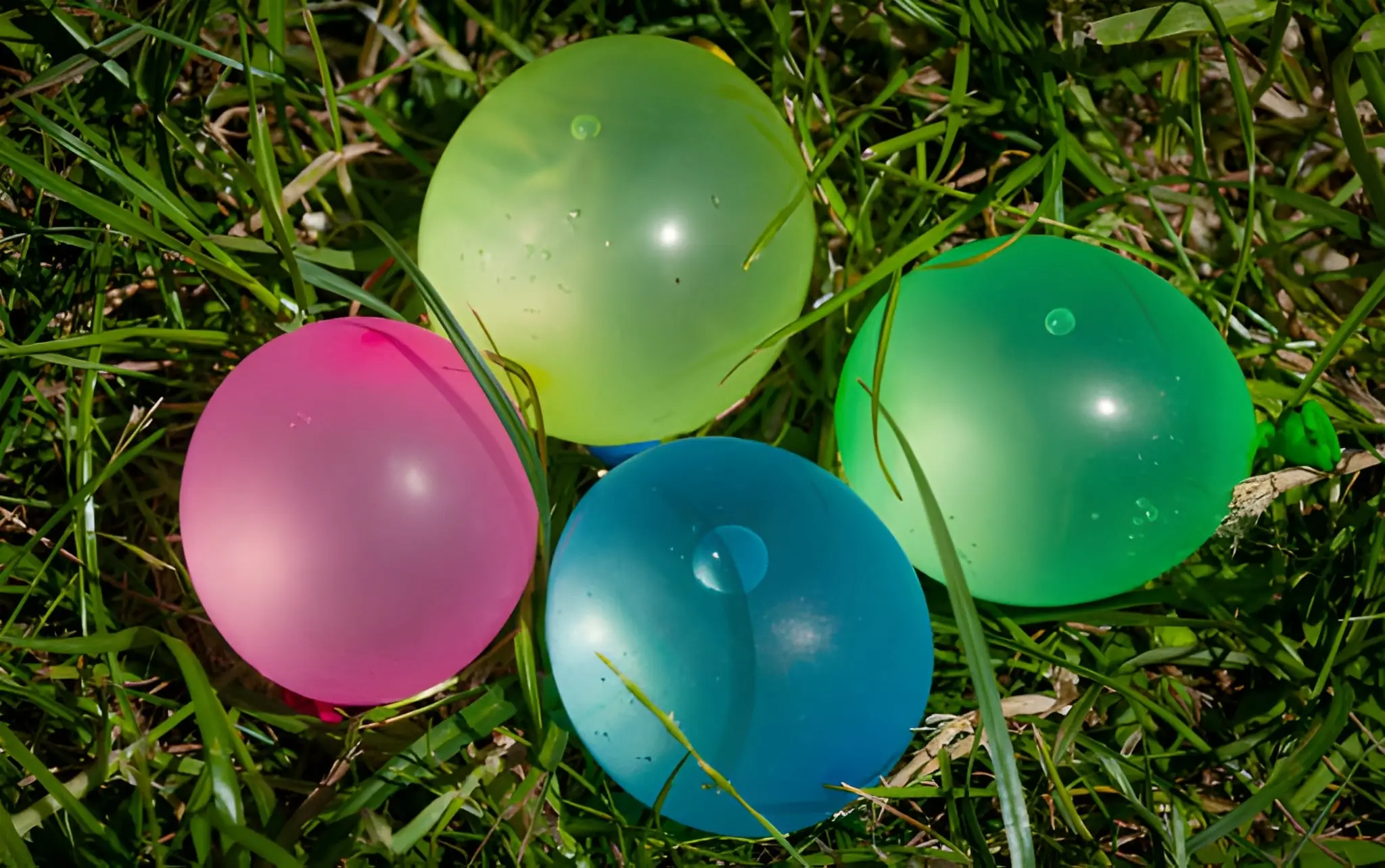
Many people have shared firsthand experiences that help illustrate how unpredictable this phenomenon can be.
A common story involves someone placing a balloon down for just a moment, only to hear an immediate pop, often traced back to a tiny hidden thorn or stick.
On the other hand, plenty of balloons sit on grass for an entire event without any issue, simply because they happened to avoid contact with any sharp points.
Professional party and event planners often report that vinyl balloons and shaded placement noticeably reduce pop rates compared to direct sunlight on bare latex.
This topic is especially popular among parents trying to explain everyday science to curious kids.
Explaining why balloons pop on grass offers a simple, hands-on way to introduce children to concepts like pressure, friction, and material science.
Parents and teachers sometimes use balloons and different surfaces, like grass, carpet, and pavement, as a simple experiment to compare how balloons behave differently.
Questions like this one often spark broader interest in how other everyday objects work, encouraging kids to ask more “why” questions about the world around them.
Beyond just popping, there are a few environmental factors worth considering when using balloons outdoors.
When balloons pop outdoors, small pieces of latex or foil can end up scattered across the grass, which may need to be cleaned up afterward.
Some latex balloons are marketed as biodegradable, breaking down more naturally over time compared to foil or vinyl alternatives.
Regardless of balloon type, picking up any popped balloon fragments from grass helps prevent them from being ingested by pets or wildlife.
Sharp grass tips, hidden debris, friction, and pressure from heat all combine to puncture the thin, stretched surface of a balloon.
No, vinyl and foil balloons are more resistant, while thin latex balloons are the most likely to pop on grass.
Yes, heat causes the gas inside a balloon to expand, increasing pressure and making the material more likely to burst on contact.
Yes, over-inflated balloons have thinner walls and higher internal pressure, making them much more sensitive to punctures.
No, while static electricity can affect balloons in other ways, the main cause on grass is physical puncture from sharp blades or debris.
Helium balloons can drift into grass more often due to floating, which may increase their exposure to friction and sharp points.
Vinyl balloons are generally the most durable choice for outdoor events, followed by high-quality foil or Mylar balloons.
Yes, using a tablecloth, avoiding over-inflation, choosing shaded areas, and selecting thicker materials can all help prevent pops.
Because the exact sharp point or debris causing a pop is often microscopic or hidden, the timing can feel unpredictable.
Yes, coarser or drier grass with stiffer blade tips is more likely to puncture balloons than soft, rounded grass varieties.
Why do balloons pop when they touch grass comes down to a combination of simple but powerful physics: stretched, thin material under high pressure meeting an uneven surface filled with sharp tips, hidden debris, friction, and heat.
While it might seem random, every pop has a real cause, even if that cause is too small to see from standing height. Understanding these factors, especially the role of balloon material, inflation level, and outdoor temperature, can help you plan smarter for birthdays, picnics, and outdoor celebrations.
With a few simple precautions like choosing vinyl balloons, avoiding over-inflation, and creating a barrier between balloons and the ground, you can dramatically reduce unexpected pops and keep your outdoor decorations looking great for longer.