
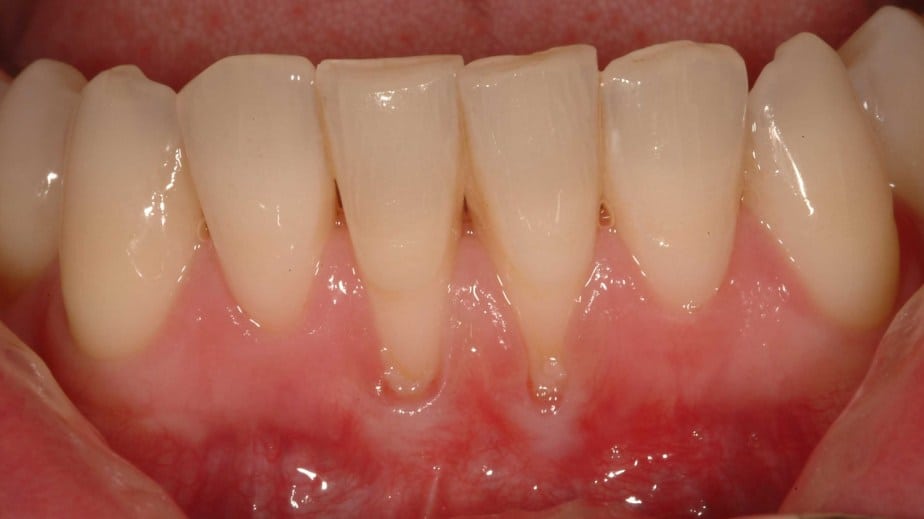
Why are my gums receding is one of the most searched dental questions today — and for good reason. Gum recession affects roughly three out of every four adults in some form, yet most people do not notice it until the damage is already significant.
Your gum tissue slowly pulls away from your teeth, exposing sensitive roots and creating conditions that lead to decay, sensitivity, and eventually tooth loss.
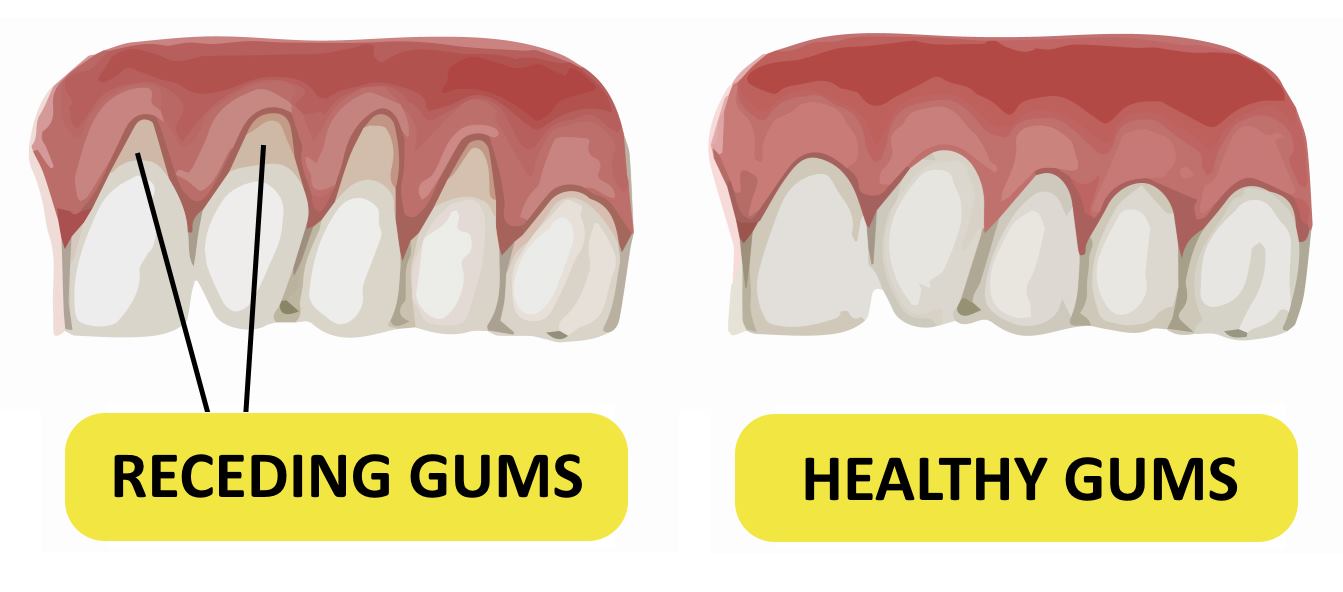
Gum recession, also called gingival recession, is the process by which the gum tissue surrounding your teeth gradually pulls back or wears away. As the gum line retreats, more of your tooth — and eventually the root — becomes exposed.
This is not a cosmetic issue alone. Exposed tooth roots have no protective enamel layer, making them far more vulnerable to decay, bacterial infection, and sensitivity. Left untreated, gum recession can progress to bone loss and tooth loss.
The condition develops slowly over months and years, which is exactly why so many people miss it until a dentist points it out at a routine checkup.
Gum recession rarely announces itself loudly. It creeps in gradually, and many of its early symptoms are easy to dismiss as normal sensitivity or minor irritation.
Watch closely for these signs:
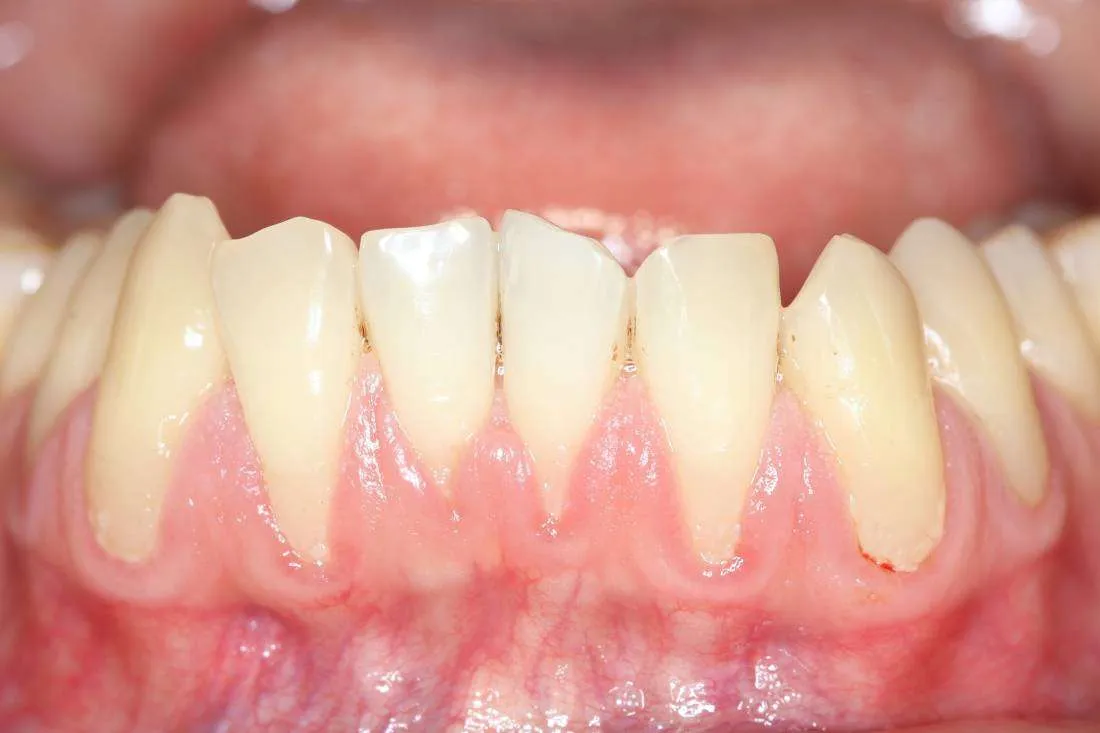
Teeth that look longer than they used to. When the gum line drops, more of the tooth becomes visible. People often notice this when looking at old photos and realising their teeth look different.
A visible notch near the gum line. A small indentation or groove where the gum meets the tooth root is a classic sign of gum recession.
Increased tooth sensitivity. Exposed roots contain tiny tubules that connect directly to the nerve. Hot drinks, cold air, sweet foods, and even brushing can trigger sudden sharp pain.
Gums that appear red, swollen, or bleed easily. These signs often accompany the early inflammatory stages before significant recession has occurred.
Loose teeth. In advanced cases, the supporting bone has been compromised enough that teeth begin to feel mobile or shift slightly in their sockets.
Bad breath that does not resolve with brushing. Bacterial pockets between receding gums and teeth produce persistent odour.
Noticing any one of these signs is enough reason to schedule a dental appointment. The earlier the diagnosis, the simpler and less expensive the treatment.
Understanding why your gums are receding is the first step toward stopping it. There is rarely a single cause — most people have two or three contributing factors working simultaneously.
Periodontal disease — or gum disease — is the number one cause of receding gums worldwide. It begins as gingivitis, a mild inflammation of the gum tissue caused by plaque buildup along the gum line.
When gingivitis goes untreated, it advances to periodontitis. At this stage, bacteria invade below the gum line, infecting the tissue and bone that hold teeth in place. The gums begin to pull away, forming deep periodontal pockets that harbour even more bacteria.
Studies show that most adults over 30 have some degree of periodontal disease. The incidence increases sharply with age and is one of the leading causes of tooth loss in adults.
Brushing too hard is one of the most preventable causes of gum recession. Many people assume that scrubbing vigorously removes more plaque and keeps teeth cleaner. The opposite is true.
Hard bristles and excessive pressure physically abrade the gum tissue over time, stripping it away from the tooth surface. The enamel at the gum line can wear away simultaneously, creating a double exposure problem.
The correct technique is gentle, circular motions with a soft-bristled toothbrush. More pressure does not mean more clean — it means more damage.
On the other end of the spectrum, not brushing and flossing consistently creates the ideal conditions for plaque to accumulate. Plaque that is not removed regularly hardens into tartar (calculus) within 24 to 72 hours.
Tartar cannot be removed with a toothbrush. It clings to the tooth surface and below the gum line, triggering chronic inflammation that gradually destroys gum tissue and bone. This is how poor oral hygiene leads directly to gum recession.
Some people are born with naturally thin, delicate gum tissue. No amount of careful brushing or excellent oral hygiene can change your genetic baseline.
Research suggests that approximately 30 percent of the population has a hereditary predisposition to gum disease and gum recession, regardless of how well they look after their teeth. If your parents or grandparents had receding gums or significant gum disease, your risk is higher.
Knowing your family history allows you to take extra precautions and schedule more frequent dental checkups as a preventative measure.
Smoking and chewing tobacco are directly linked to gum recession. Tobacco causes sticky, adhesive plaque to form on teeth that is harder to remove than plaque in non-smokers.
Beyond plaque, tobacco restricts blood flow to the gum tissue, reducing the tissue’s ability to heal and fight infection. Smokers are significantly more likely to develop periodontal disease and to experience faster, more severe gum recession than non-smokers.
Quitting tobacco is one of the most impactful steps any smoker can take for their gum health.
Grinding your teeth — especially during sleep — places enormous repetitive force on the teeth, gums, and supporting bone. This excessive pressure can cause the gums to recede over time.
Bruxism is often stress-related and goes unnoticed until a dentist spots the telltale wear patterns on the tooth surfaces. A custom night guard worn during sleep can absorb and distribute this force, protecting both the enamel and gum line.
When teeth are misaligned or the bite is off, chewing forces are distributed unevenly. Some teeth bear significantly more pressure than they should, and the gum tissue around those teeth can begin to recede in response.
Orthodontic treatment to correct the alignment can reduce this uneven force distribution and slow or stop the associated recession. However, orthodontic movement itself can occasionally cause mild recession if the teeth are moved too quickly or in an unfavourable direction.
Fluctuations in oestrogen and progesterone levels throughout a woman’s life make gum tissue more sensitive and reactive to inflammation. The periods most associated with increased gum sensitivity and recession risk are puberty, pregnancy, and menopause.
During these hormonal shifts, gums can become inflamed and bleed more easily even with good oral hygiene. Pregnancy gingivitis affects a significant proportion of pregnant women and can progress to recession if left unmanaged.
Metal jewellery worn in lip or tongue piercings can repeatedly rub against the gum tissue. This chronic mechanical irritation gradually wears away the gum, particularly on the inner surfaces of the lower front teeth.
The damage may be slow and subtle, but it compounds over months and years of regular contact. Dentists frequently see recession on the gum behind the lower front teeth in patients with tongue piercings.
Physical trauma to the gums — from a sports injury, accident, or even overly aggressive dental instruments — can cause immediate localised recession. The tissue does not always regenerate fully after injury.
Patients who have experienced facial trauma should have their gum tissue assessed by a dentist to monitor for recession at the injury site.
A dentist or periodontist diagnoses gum recession during a routine clinical examination. The process is straightforward and painless.
The clinician uses a small ruler called a periodontal probe to measure the depth of the pockets between the gum tissue and the tooth. Healthy pocket depth is between 1 and 3 millimetres. Measurements deeper than 4 millimetres indicate inflammation and possible recession.
X-rays are often taken to assess the level of bone support around the teeth, since bone loss frequently accompanies significant gum recession.
| Pocket Depth | Status |
|---|---|
| 1 to 3 mm | Healthy gum tissue |
| 4 mm | Borderline, monitoring needed |
| 5 to 6 mm | Moderate gum disease, active treatment recommended |
| 7 mm or more | Severe periodontitis, specialist referral likely needed |
Regular checkups every six months allow your dentist to catch and measure any changes in gum levels before significant damage occurs.
The right treatment depends entirely on the severity of the recession and its underlying cause. Mild cases caught early are often manageable without surgery.
Scaling and root planing is the standard first-line treatment for recession linked to gum disease. It is a thorough deep cleaning performed below the gum line, where regular brushing and flossing cannot reach.
During scaling, hardened tartar and bacterial deposits are removed from the tooth surface and root. Root planing smooths the root surface, making it harder for bacteria to reattach and helping the gum tissue reattach to the tooth.
This procedure is typically performed under local anaesthesia. Most patients experience minimal discomfort afterward and see a significant reduction in inflammation within a few weeks.
In some cases, scaling and root planing is combined with antibiotic treatment to eliminate persistent bacterial infection. Options include topical antibiotics placed directly into the periodontal pockets, oral antibiotic tablets, or antimicrobial mouth rinses.
Antibiotics address the bacterial component of gum disease but do not physically restore lost gum tissue. They are most effective when used alongside mechanical cleaning, not as a standalone treatment.
For patients with mild recession and significant sensitivity but no immediate need for surgery, dentists can apply desensitising agents, fluoride varnishes, or dental bonding to the exposed root surface.
These treatments reduce sensitivity, provide some protection against root decay, and improve the appearance of affected teeth. They do not stop recession from progressing, but they manage symptoms while the underlying cause is addressed.
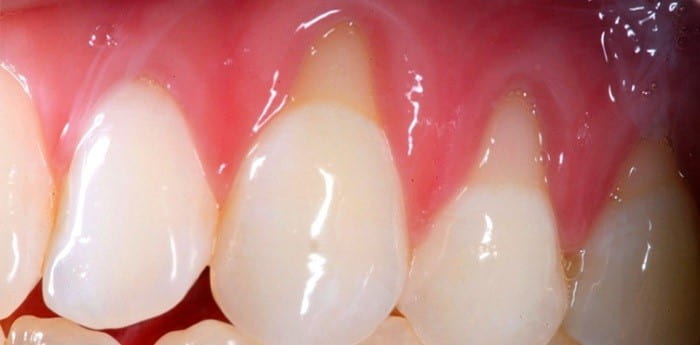
Moderate to severe gum recession typically requires a surgical procedure to restore the gum line and protect the exposed roots from further damage.
Gum grafting is the most established and widely used surgical treatment for gum recession. It involves taking a small piece of tissue and using it to rebuild the gum line in the affected area.
There are three main types of gum grafts:
| Graft Type | Tissue Source | Best Used For |
|---|---|---|
| Connective tissue graft | Beneath the roof of the mouth | Most common; multiple teeth |
| Free gingival graft | Top layer of the palate | Thin gum tissue; thickening the gum line |
| Pedicle (lateral) graft | Adjacent healthy gum tissue | Single tooth with nearby healthy tissue |
| Allograft | Donor tissue bank | Patients preferring to avoid a second surgical site |
Connective tissue grafts are the most commonly performed type. The graft is placed over the exposed roots and sutured in position. Over several weeks, the body establishes a blood supply to the new tissue, integrating it with the surrounding healthy gums.
Recovery from gum graft surgery typically takes one to two weeks. Patients are advised to eat soft foods, avoid brushing the surgical site, and follow strict post-operative care instructions during healing.
The Pinhole Surgical Technique (PST), developed by Dr. John Chao, is a minimally invasive alternative to traditional gum grafting that has gained significant popularity in recent years.
Rather than cutting and stitching tissue, the periodontist creates a tiny pinhole — roughly the size of a needle tip — in the gum above the affected area. Specialised instruments are inserted through this pinhole to gently loosen the existing gum tissue and reposition it downward to cover the exposed roots.
Collagen strips are placed through the pinhole to stabilise the repositioned gum tissue as it heals. No incisions, no stitches, and no tissue removed from the palate.
The advantages of the pinhole technique are significant:
Faster healing — most patients recover within 24 to 48 hours compared to one to two weeks for traditional grafts.
Less post-operative discomfort — no second surgical site means no palate soreness.
Multiple teeth treated in one session — the technique can address widespread recession across several teeth simultaneously.
High success rate — research shows overall root coverage approaching 96 to 97 percent at six-month follow-up.
The pinhole technique is not appropriate for all patients. Those with active gum disease or significant bone loss may still require traditional graft surgery or more advanced procedures.
In cases where gum recession has progressed to bone loss, guided tissue regeneration (GTR) may be necessary. This procedure places a special barrier membrane between the gum and the bone.
The membrane prevents fast-growing gum tissue from filling the space, allowing the slower-growing bone to regenerate into the area first. Growth proteins are sometimes applied to encourage bone formation.
GTR is a more complex procedure reserved for advanced cases where connective tissue grafting alone is insufficient to address the damage.
Laser therapy is increasingly used as an adjunct or alternative to traditional surgical approaches for gum disease and recession. Dental lasers can remove diseased tissue, reduce bacterial load in periodontal pockets, and promote tissue healing with less bleeding and swelling than conventional surgery.
The LANAP (Laser-Assisted New Attachment Procedure) protocol is one of the most studied laser approaches for treating periodontitis and is approved by the FDA for this use.
Laser therapy cannot replace gum grafting where significant root coverage is needed, but it is an effective tool for managing the disease component that drives recession.
Choosing the right treatment depends on the severity of recession, the patient’s overall health, cost considerations, and personal preferences around invasiveness and recovery time.
| Treatment | Invasiveness | Recovery Time | Best For | Approximate Cost (USD) |
|---|---|---|---|---|
| Scaling and root planing | Non-surgical | 1 to 2 days | Mild recession, gum disease | $200 to $500 per quadrant |
| Antibiotic therapy | Non-surgical | Minimal | As adjunct to deep cleaning | $50 to $300 |
| Connective tissue graft | Surgical | 1 to 2 weeks | Moderate to severe recession | $600 to $1,200 per tooth |
| Pinhole surgical technique | Minimally invasive | 24 to 48 hours | Widespread mild/moderate recession | $1,000 to $3,000 per session |
| Guided tissue regeneration | Surgical | 2 to 4 weeks | Severe recession with bone loss | $1,500 to $3,000+ |
| Laser therapy | Minimally invasive | 1 to 3 days | Gum disease management | $500 to $2,000 |
Costs vary significantly based on geographic location, the number of teeth affected, and the specific training and experience of the provider. Periodontal procedures are often partially covered by dental insurance when medically necessary.
This is one of the most common questions patients ask — and the honest answer is no. Gum tissue does not regenerate naturally once it has receded.
Unlike skin, which can repair and regenerate relatively well, gum tissue does not have the same regenerative capacity. Once the tissue is lost, it stays lost unless it is physically restored through treatment.
However, there are important caveats:
Early gingivitis inflammation can be reversed. When gums look swollen and puffy due to inflammation — but actual tissue has not yet been lost — treating the infection and improving oral hygiene can allow the gums to return to a healthier, tighter position. This can create the appearance of recession reversing.
Recession can be stopped. Addressing the underlying causes — whether that is gum disease, aggressive brushing, or tobacco use — stops further tissue loss from occurring, even if it cannot restore what is already gone.
Treatment can restore coverage. Gum grafting and the pinhole technique can physically restore gum tissue coverage over exposed roots, protecting them from further damage and improving both function and appearance.
The key message: do not wait hoping that your gums will grow back. They will not. Seek treatment early to stop the process and protect what remains.
The connection between gum health and general health is well established and growing stronger with every new research study. Untreated periodontal disease — the primary driver of gum recession — is associated with several serious systemic conditions.
Heart disease and stroke. Inflammatory bacteria from infected gums can enter the bloodstream and contribute to the inflammation of blood vessel walls, increasing the risk of heart attack and stroke.
Type 2 diabetes. The relationship between gum disease and diabetes runs in both directions. Diabetes increases the risk of gum disease, and chronic gum disease makes blood sugar harder to control.
Pregnancy complications. Periodontal disease during pregnancy is associated with increased risk of premature birth and low birth weight. This is one of the reasons dental care during pregnancy is especially important.
Respiratory disease. Bacteria from infected gum tissue can be aspirated into the lungs, potentially contributing to pneumonia and worsening existing respiratory conditions.
Treating gum recession is not just about saving your teeth. It is a meaningful investment in your long-term general health.
Whether your gums are just beginning to recede or you have already completed treatment, these daily habits will protect your gum line going forward.
Switch to a soft-bristled toothbrush and use gentle, circular or angled strokes at a 45-degree angle to the gum line. Apply minimal pressure — the bristles should flex only slightly.
Electric toothbrushes with pressure sensors are an excellent option for people who have a history of brushing too hard. The brush stops or alerts you when too much force is applied.
Flossing removes the plaque from between teeth and below the gum line that brushing cannot reach. Without daily flossing, this plaque hardens into tartar within days, feeding the bacterial cycle that drives gum recession.
Floss picks, water flossers, and interdental brushes are acceptable alternatives for people who struggle with traditional floss, as long as they effectively clean between the teeth and at the gum line.
Quitting smoking or chewing tobacco is one of the single most impactful changes a person can make for their gum health. The gums’ blood supply, immune response, and ability to heal all improve significantly after quitting.
Many patients see a measurable improvement in gum health within months of stopping tobacco use.
If you grind your teeth at night, talk to your dentist about a custom night guard. This device is worn during sleep and absorbs the force of grinding before it can be transferred to the gums and bone.
Over-the-counter night guards offer some protection but tend to be less precise and comfortable than custom-fitted devices made by a dental laboratory.
Professional cleaning removes tartar that cannot be eliminated at home. Your dentist monitors your gum pocket depths at each visit and catches early recession before it progresses.
Most adults benefit from a professional cleaning and checkup every six months. Those with a history of gum disease or recession may need appointments every three to four months.
Choose a fluoride toothpaste to protect enamel and reduce sensitivity. If you have a history of gum disease, your dentist may recommend a toothpaste containing antibacterial agents such as stannous fluoride or triclosan.
A daily antibacterial mouthwash can reduce the overall bacterial load in the mouth, particularly in areas that are difficult to reach with a brush or floss.
Adequate hydration supports healthy saliva production. Saliva neutralises acids, washes away food particles, and provides antimicrobial proteins that protect the gum tissue. Dehydration reduces saliva flow and increases the risk of bacterial buildup at the gum line.
A periodontist is a dental specialist who focuses exclusively on the prevention, diagnosis, and treatment of gum disease and the supporting structures of the teeth. You do not always need a referral to see one.
Consider making a periodontal appointment if:
You notice your teeth looking longer or feel a notch at the gum line.
You experience persistent tooth sensitivity that does not resolve within a few weeks.
Your dentist has told you that you have periodontal pockets of 5 mm or deeper.
You have had gum disease that has not responded adequately to treatment by your general dentist.
You are considering gum grafting or the pinhole technique and want a specialist’s opinion.
You have risk factors — smoking, diabetes, family history — that increase your chances of significant gum disease.
A periodontist can provide a comprehensive assessment of your gum tissue, bone levels, and overall periodontal health, and recommend the most appropriate treatment plan for your specific situation.
Gum recession is more commonly associated with adults, but it can and does occur in younger patients. The most common causes in children and teenagers are aggressive brushing, lip or tongue piercings, and orthodontic treatment.
Teenagers who brush too hard with medium or firm bristles frequently show early signs of recession at the lower front teeth — one of the most common sites of toothbrush abrasion.
Parents should teach children the correct brushing technique from an early age and ensure they use a soft-bristled toothbrush appropriate for their age. Orthodontists should discuss the gum tissue implications of treatment with patients before beginning tooth movement.
Orthodontic treatment moves teeth through the bone. This process can sometimes cause the gum tissue on the outer surface of teeth that are moved outward to thin or recede slightly.
This is more likely when:
The teeth are moved beyond their natural bone boundary.
The patient already has thin gum tissue before treatment begins.
Oral hygiene deteriorates significantly during treatment, allowing plaque and inflammation to develop.
A periodontist assessment before and during orthodontic treatment is advisable for patients with thin gum tissue or a family history of gum disease. In some cases, a preventive gum graft is placed before orthodontic movement begins to provide additional tissue volume.
Beyond the clinical consequences, gum recession affects how people feel about their smile. Teeth that appear longer, darker at the root, or unevenly spaced due to gum recession can significantly impact confidence and self-esteem.
Many patients who seek treatment for receding gums report improvements not only in sensitivity and dental health but also in how they feel when they smile. Restoring a natural, even gum line is both a medical and cosmetic achievement.
The earlier treatment begins, the more natural the result — and the lower the cost compared to addressing advanced recession after years of progression.
Brushing too hard is a common cause of recession even in diligent brushers. Genetics, grinding, and early gum disease can also cause recession regardless of brushing frequency — switch to a soft-bristled brush and see your dentist for assessment.
No, gum tissue does not regenerate on its own once it has been lost. Professional treatments like gum grafting or the pinhole surgical technique are needed to physically restore coverage over exposed roots.
The pinhole surgical technique offers the fastest recovery, with most patients resuming normal activities within 24 to 48 hours. Traditional gum grafting is also effective but requires one to two weeks of healing.
The recession process itself is often painless and gradual. The most common symptom is increased tooth sensitivity, especially to cold air, hot drinks, and sweet foods, as the roots become exposed.
Gum recession can begin in the teenage years but becomes significantly more common after age 30. Most adults over 30 have some degree of gum recession or periodontal disease.
Stress does not directly cause recession, but it contributes to bruxism (teeth grinding), which does. Stress also weakens immune function, reducing the body’s ability to fight gum infections that drive recession.
Not necessarily, but untreated recession that progresses to bone loss significantly increases the risk of tooth loss. Early treatment stops the progression and protects the teeth effectively.
Compare recent photos to older ones to see if your teeth look longer. A visible notch near the gum line, new sensitivity, or pockets measured deeper than 3 mm by your dentist are reliable indicators of active recession.
Gum grafting is often partially covered by dental insurance when it is performed for medical reasons such as root exposure and tooth sensitivity. Purely cosmetic procedures may not be covered. Check with your insurer for specific coverage details.
Use a soft-bristled toothbrush with gentle technique, floss daily, quit tobacco, wear a night guard if you grind, attend regular dental cleanings, and manage any underlying gum disease with your dental team’s guidance.
Why are my gums receding is a question that deserves a serious, prompt answer — because gum recession is one of the most progressive and underestimated dental conditions adults face. The gum tissue that protects your tooth roots, anchors your teeth, and frames your smile does not grow back once it is lost. Every millimetre of recession that goes unaddressed opens the door to greater sensitivity, faster decay, deeper infection, and ultimately, tooth loss.
The good news is that gum recession is highly treatable at every stage. Mild recession responds well to scaling, root planing, and improved oral hygiene. Moderate to severe cases can be effectively restored through gum grafting or the increasingly popular pinhole surgical technique. Even the most advanced cases involving bone loss have specialist options available.
The most important step is the one you take today — scheduling a dental or periodontal appointment to get an accurate picture of where your gum health stands. Armed with that knowledge, you and your dental team can build a plan to stop the recession, restore what is possible, and protect your gums for decades to come.