
Two jars sit next to each other. Similar size, similar claims, similar photography. One costs three times the other. The obvious assumption is that the difference is branding, and often it is. Sometimes it isn’t. The useful question for anyone spending seriously in this category is which of the two you are looking at, and there are only a handful of places the money can actually go.
Strip a wellness product back, and the price divides between roughly four things:
Every premium product is a different mix of those four. A jar can be expensive because the first two are large, or because the third is enormous. From the outside, they look identical, and the packaging is designed to keep it that way.
The ingredient bucket is where the biggest genuine differences hide, because the price range on any given input is enormous.
Take mushroom extracts, common across this category now. An extract made from the fruiting body, the mushroom itself, costs several times more than one made from mycelium grown on grain, where a large share of what you are buying is the grain. Both can legally be called a mushroom extract. Only one producer will tell you which they used.
The same pattern runs through color. Synthetic dye is stable, bright, and costs almost nothing. Fruit juice and spice extracts cost more, fade over time, and require actual formulation work to survive in a finished product. Nobody adds them for fun.
And the same pattern runs through quantity. Listing a fashionable ingredient in trace amounts costs a fraction of including it at a level that does anything. The industry term is fairy dusting, and it is invisible unless the amounts are printed.
Independent batch testing is the least visible line item and the most informative.
In supplements, nobody generally verifies that the contents match the label before a product reaches a shelf. That makes testing optional, and optional costs get cut first. A producer paying for it on every batch is spending money the customer will never see unless the report is published.
Which is precisely why a published report is worth something. It is a cost the business chose to carry, and a claim it has made checkable.
What This Looks Like on a Real Product
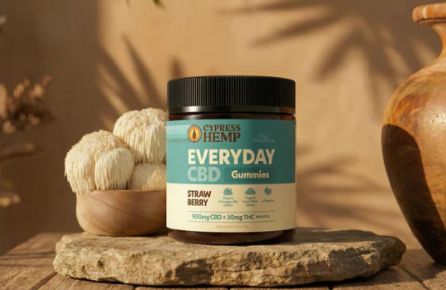
Applied to an actual item, the four buckets become legible. https://www.cypresshemp.com/ full spectrum CBD gummies put ashwagandha, lion’s mane, and L-theanine into an everyday formula, color it with fruit juices and spice extracts rather than dye, use organic cane sugar, and publish an independent laboratory report for every batch. The brand carries no celebrity, which in this category tells you where the money went.
That is not an argument that it is the right product for you. It is an argument that you can see where the cost sits, which more jars on the shelf won’t let you do.
Applied to anything in this category:
Expensive is not the same as good, and cheap is not the same as bad. What matters is whether the price is attached to anything you can verify.
In a category where nobody checks the label before it reaches the shelf, that verification is the whole difference between paying for a product and paying for a photograph of one. It takes about two minutes to establish, which is roughly two minutes more than most people spend.