

Smartphones now sit at the center of student life and play a direct role in how learners study, communicate, and manage school tasks. Most students already carry a phone, so turning this everyday device into a learning tool feels natural and efficient. With a smartphone, a learner can check homework, watch a tutorial, or join a group discussion within seconds. Teachers also benefit because they can share updates, resources, and feedback instantly. Instead of treating phones only as distractions, more schools and universities explore ways to use them for structured learning. When used with clear goals and healthy limits, smartphones help students stay organized, deepen understanding, and connect classroom lessons with real-world information.
Students no longer need to sit at a desk or open a heavy textbook to study. A smartphone such as the HONOR X5b plus offers quick access to e-books, class notes, online libraries, and learning platforms at any moment. Learners can review slides from a learning management system, search definitions, or replay recorded lectures while commuting or waiting between activities. This constant access supports different learning speeds because students can pause, rewind, or re-read content until it makes sense. Many schools now share materials through apps or web portals designed for mobile use, which keeps information in one place. As a result, the HONOR X5b Plus becomes a portable study hub that fits any schedule.
Smartphones make learning more flexible by breaking the limits of time and location. A student can watch a science demonstration on video at home, respond to discussion prompts during lunch, or complete a quiz on the bus. Teachers can post revision reminders or share extra practice before exams, and students can act on them right away. This flexibility supports blended and flipped learning models, where some content goes online and class time focuses on questions and practice. It also helps distance learners stay connected to lessons and classmates without a computer. When students can choose when and where they study, many feel more control over their progress.
A wide range of educational apps turns smartphones into multi‑purpose study tools. Language learning apps provide short daily lessons, pronunciation guides, and quizzes. Math and science apps offer step‑by‑step solutions, interactive simulations, and practice problems that adapt to skill level. Note‑taking apps help students organize ideas, attach photos of the board, and sync notes across devices. With a browser, learners can access scholarly articles, open online encyclopedias, and check trusted education sites for deeper explanations. Many apps send progress reports and reminders that encourage consistent study habits. However, students still need guidance on evaluating sources, avoiding plagiarism, and focusing on reliable information. When they combine quality apps with critical thinking, smartphones support richer research and more personalized learning paths.
Smartphones make it easier for students and teachers to stay in touch and work together. Messaging apps and class forums allow learners to ask quick questions, share links, and clarify deadlines without waiting for the next lesson. Group chats and collaboration platforms help classmates divide tasks, edit shared documents, and track project progress in real time. Video calling tools support virtual office hours, peer study sessions, and remote tutoring. Many learning management systems include mobile apps where teachers post announcements, grades, and feedback. Push notifications ensure students see updates promptly, which reduces confusion and missed work. This constant, structured communication builds a sense of community, even for online or hybrid courses, and makes it easier for students to ask for help when they need it.
For students, practical phone features directly affect learning. Strong battery life lets them use study apps, attend video classes, and read materials throughout the day without searching for a charger. Ample storage space supports downloading e‑books, lecture recordings, and offline videos, which helps when Wi‑Fi is weak or unavailable. Good performance, with enough RAM and a capable processor, allows several apps to run smoothly at once. Learners can keep a browser, note app, and PDF open together without freezes or delays. This matters during timed quizzes or live sessions. Regular system updates, security patches, and backup options also protect class data. When a phone handles all of this reliably, students can focus on learning instead of troubleshooting technical issues.
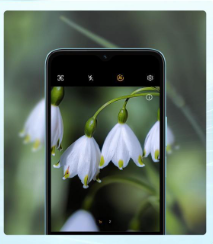
A quality camera and clear display add real value to student work. Learners can scan handwritten notes, whiteboards, or textbook pages and turn them into searchable PDFs using document scanner apps. During science labs or art projects, students capture photos or videos as evidence and later add them to reports or presentations. Optical character recognition (OCR) tools convert printed text into editable notes. A bright, sharp screen makes reading articles, slides, and e‑books more comfortable and reduces eye strain during long sessions. Larger displays or good screen resolution also help when viewing diagrams, charts, or math formulas. Some students use stylus support to annotate PDFs directly on the screen. These visual features turn the smartphone into a powerful portable reader, scanner, and creative tool.
Smartphones, when used with purpose, offer far more than quick messages and social media. They give students round‑the‑clock access to resources, support flexible learning schedules, and connect classmates and teachers through clear communication channels. Educational apps, research tools, and collaboration platforms help learners build skills at their own pace and keep track of tasks. Practical features like strong battery life, solid performance, and good cameras make daily study smoother and more productive. Of course, students still need discipline, digital well‑being habits, and guidance on reliable sources. With these supports in place, the smartphone becomes a valuable partner in modern education, helping bridge gaps between home, classroom, and the wider world of knowledge.