
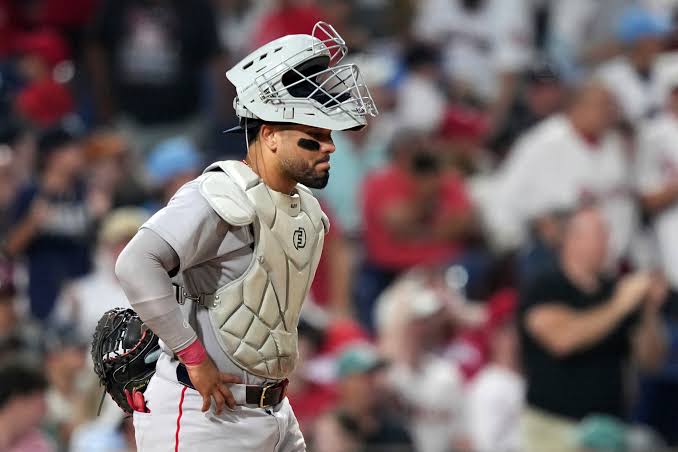
You might see the pitcher credited with strikeouts and the batter celebrated for a home run, but the catcher influences far more than the scoreboard reveals. From choosing pitches to stopping runners, the player behind home plate helps control the decisions, risks and rhythm of an entire baseball game. Understanding this role changes what you notice between the headline moments.
A catcher helps construct the pitching plan by studying how opposing batters respond to different speeds, locations and types of delivery. Working with the pitcher and coaching staff, the catcher can suggest when to attack the strike zone and when to tempt a batter into chasing a pitch outside it.
Pitcher statistics dominate much of the pre-game analysis, including discussions that explore baseball betting markets, but pitch selection adds another layer to how a matchup unfolds. If you notice a catcher repeatedly calling breaking balls against an aggressive hitter, you are seeing a deliberate attempt to exploit that hitter’s approach. The pitcher still has to execute the plan.
A catcher can affect an at-bat without throwing or hitting the ball. Pitch framing means receiving a pitch cleanly in a way that improves its chances of being called a strike, particularly near the edge of the strike zone.
That distinction matters because counts shape a batter’s options. At 0–2, a hitter must defend against a wider selection of pitches than at 2–0. Major League Baseball’s Statcast measures framing through called-strike rates and estimated runs saved, showing that receiving skill has a measurable effect over time. It does not guarantee any single umpire’s decision.
A pitch bouncing towards the dirt may look like a minor mistake until it lets a runner move into scoring position. A catcher who consistently smothers difficult deliveries can prevent those extra bases, protecting the pitcher even when a throw misses its intended target.
Blocking also influences the pitches a team feels comfortable using. If you are watching a pitcher throw sharp breaking balls with a runner on third, the catcher must be ready to stop anything that drops short. Statcast’s blocking measures account for the difficulty of each opportunity rather than simply counting mistakes.
A catcher’s arm influences opponents before anyone attempts a steal. A quick transfer from glove to hand, accurate throw and awareness of a runner’s lead can make advancing to second base a riskier choice.
You can assess this through pop time, the interval between the catcher receiving a pitch and the ball arriving at the target base. Yet a successful throw also depends on the pitcher’s delivery and the runner’s speed. The catcher’s contribution is therefore both physical and tactical: discouraging an attempt can be as useful as recording an out.
A catcher is also the pitcher’s closest on-field partner. If a pitcher loses command, the catcher may visit the mound to steady their focus, discuss the next batter or revise a sequence that is no longer working.
You can often spot this leadership in small adjustments: changing the target, recognising a batter’s altered stance or slowing a rushed decision. The catcher helps translate observations into a workable plan, although the pitcher and coaches share responsibility for the final choices.
The catcher’s value lies in dozens of decisions that rarely become highlights. When you watch the next game, look beyond the final pitch of an at-bat. Notice the location requested, the ball stopped in the dirt and the runner who stays at first. Those quieter moments reveal how a catcher helps shape the result.